Behind the Crime Scene - Page 39
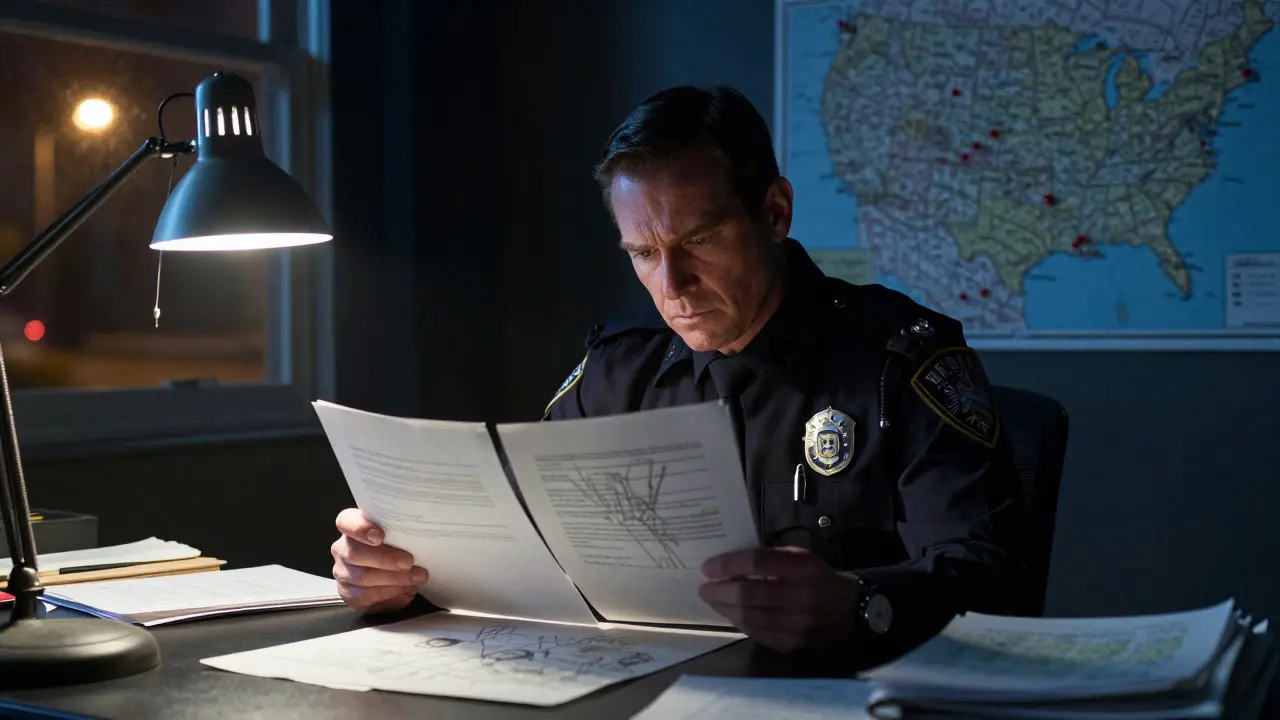
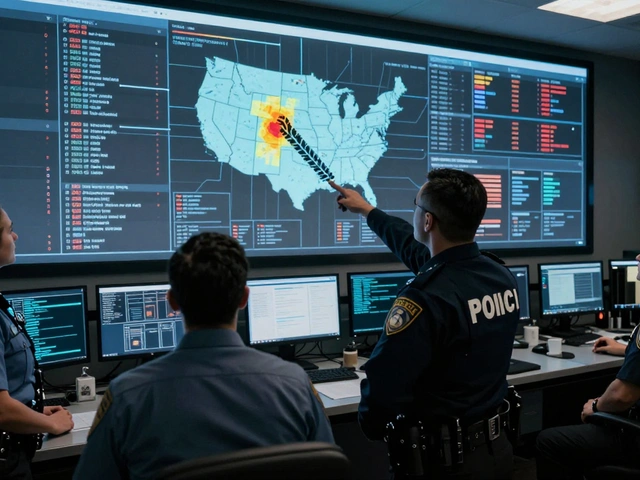
Homicide Pattern Analysis: How Cross-Jurisdictional Data Links Solve Cold Cases
- By : Ian Brophy
- Date : Aug 16 2026
Learn how homicide pattern analysis connects crimes across state lines. Discover how data sharing, behavioral science, and forensic databases help solve serial murder cases.

Forensic Photography Certification Guide: Documentation Skills & Standards
- By : Ian Brophy
- Date : Aug 16 2026
Learn how to master forensic photography certification. We cover essential documentation skills, top certification bodies like IAFPE, and the equipment needed for admissible evidence.
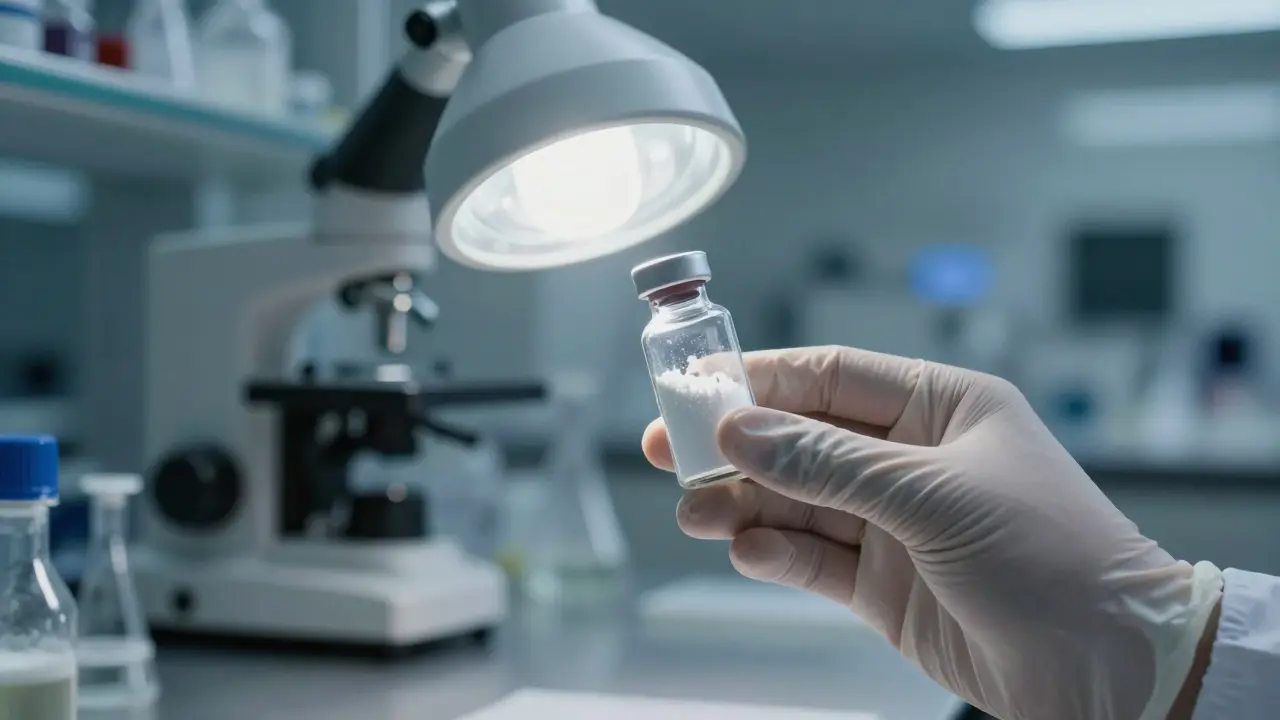
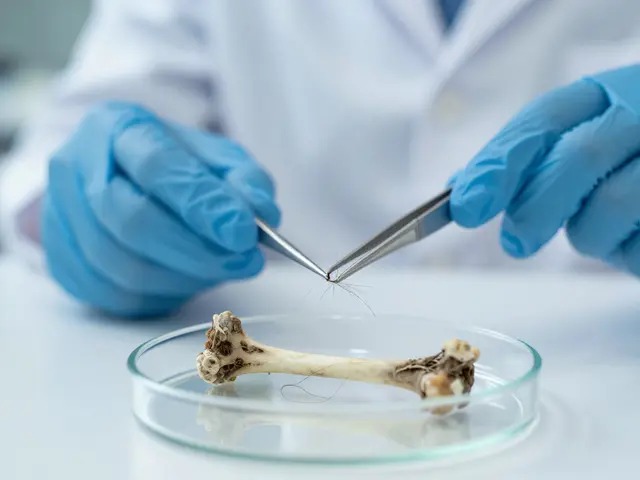
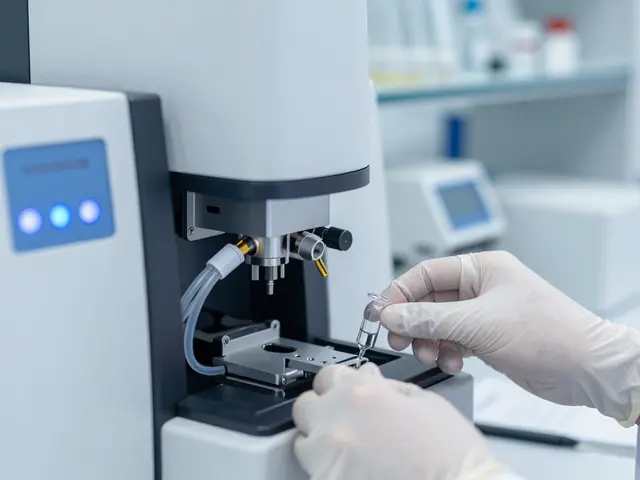
Cutting Agent Profiling: Levamisole, Lidocaine, and Modern Drug Analysis
- By : Ian Brophy
- Date : Aug 16 2026
Discover how forensic scientists profile cutting agents like levamisole and lidocaine to trace drug sources and assess health risks.
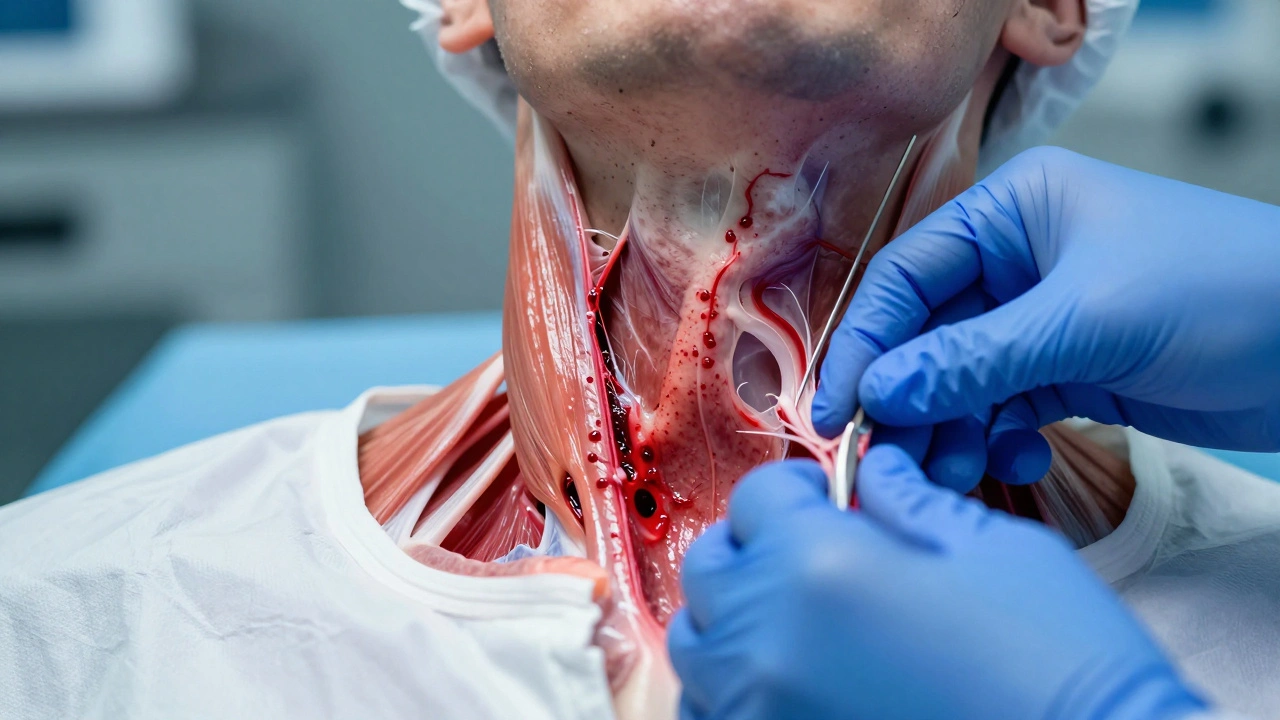
Strangulation and Asphyxia: How Forensic Pathologists Determine Cause of Death
- By : Ian Brophy
- Date : Jun 2 2026
How forensic pathologists determine cause and manner of death in strangulation and asphyxia cases. Learn about autopsy techniques, internal injuries, and the difference between hanging and manual strangulation.
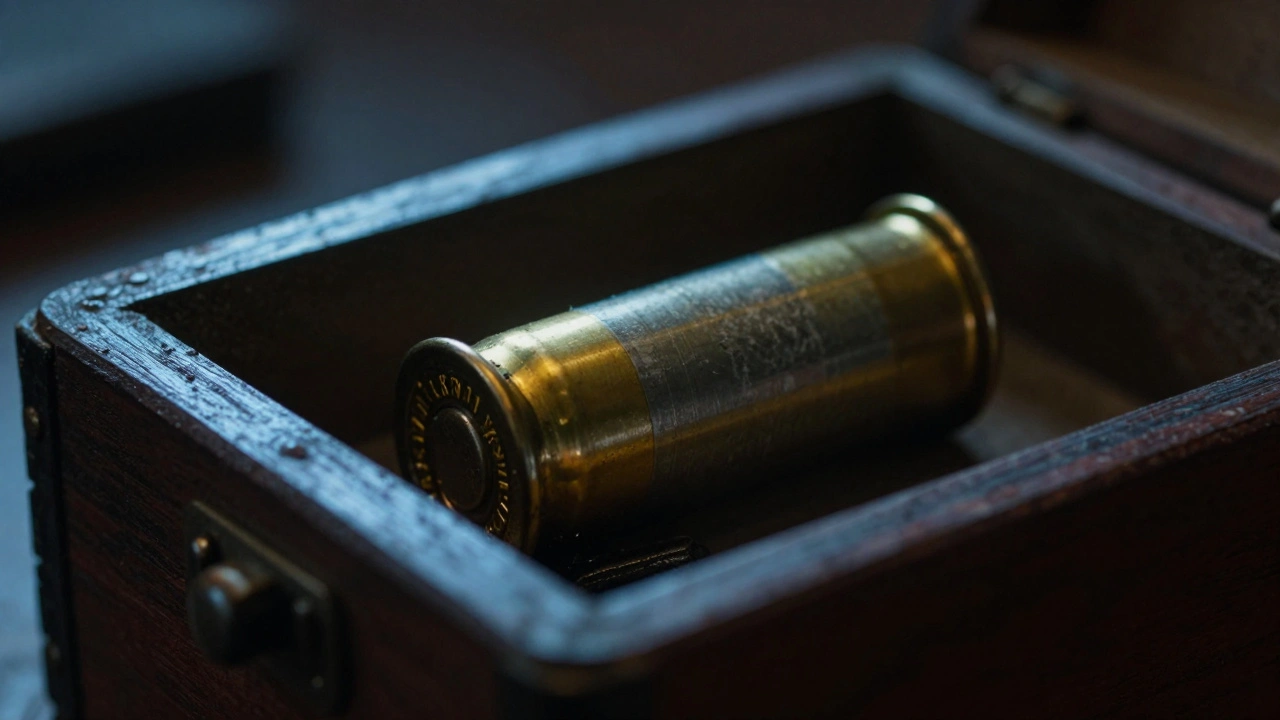
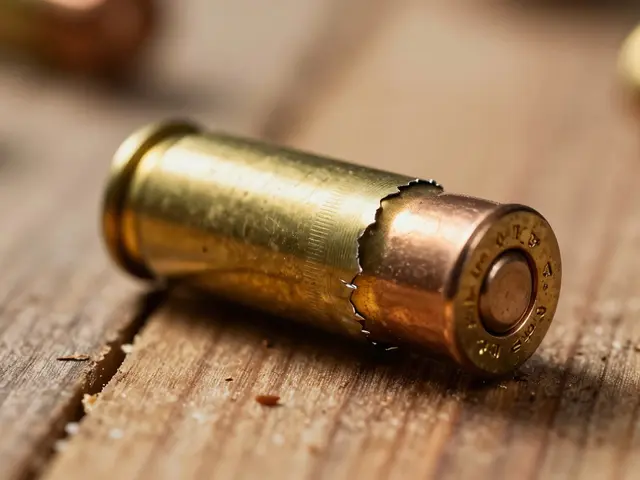
Cold Case Ballistics: Re-examining Legacy Test Fires and Modern Forensic Standards
- By : Ian Brophy
- Date : Jun 2 2026
Explore how modern forensics re-examines cold case ballistics. Learn about legacy test fires, NIBIN database usage, and the shift from subjective microscopy to digital evidence analysis.
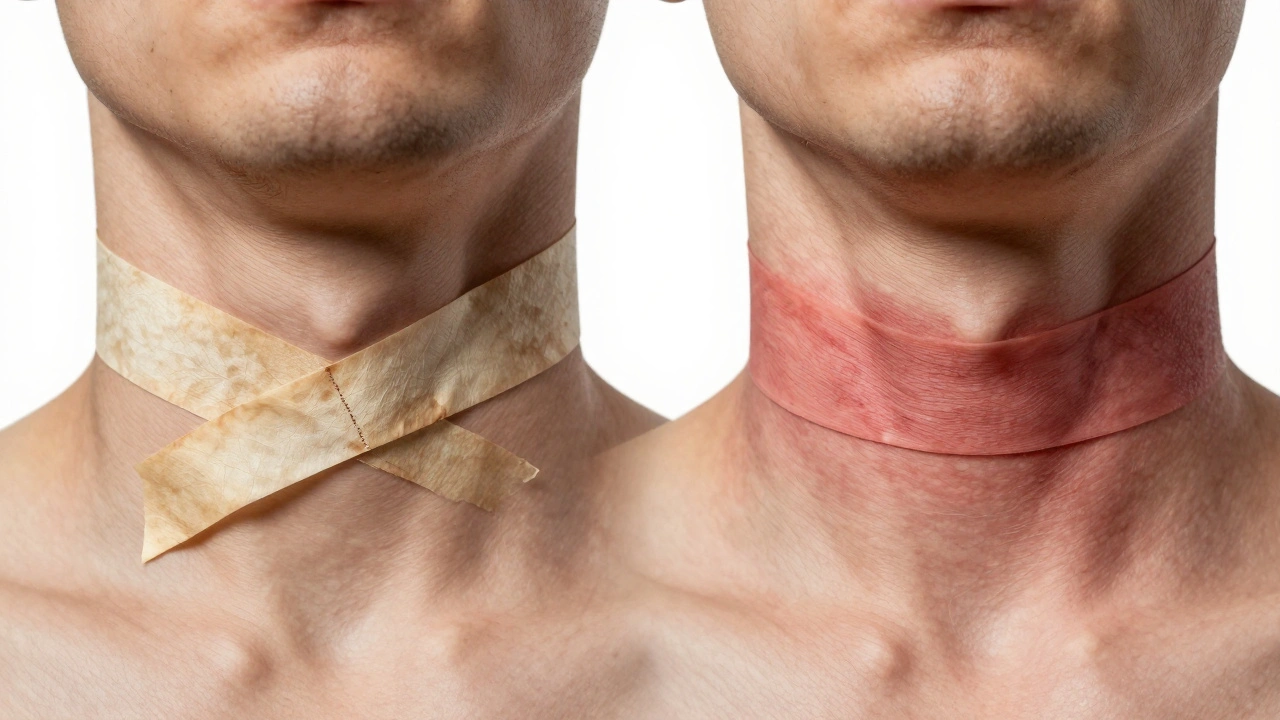
Hanging vs. Ligature Strangulation: Key Autopsy Distinctions for Forensic Pathologists
- By : Ian Brophy
- Date : Jun 2 2026
Learn the critical autopsy distinctions between hanging and ligature strangulation. We analyze ligature marks, internal neck injuries, and facial signs to determine manner of death.
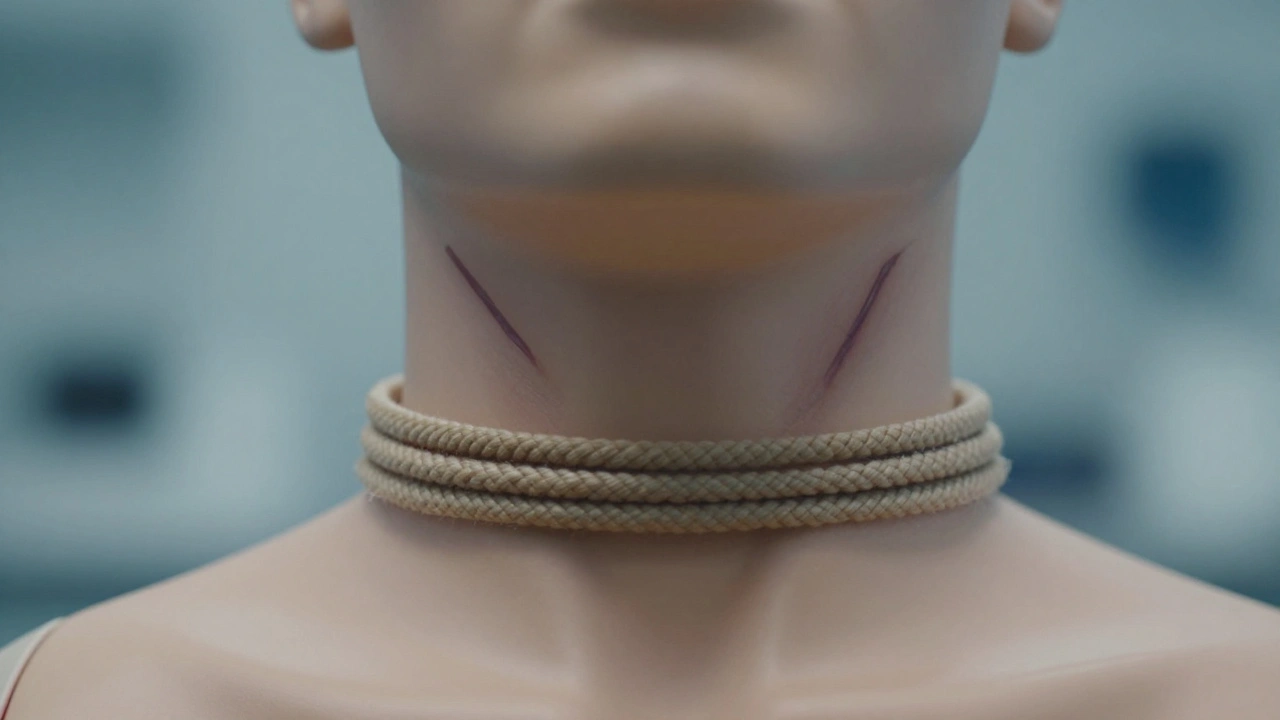
Hanging vs. Ligature Strangulation: Key Autopsy Distinctions
- By : Ian Brophy
- Date : Jun 2 2026
Learn how forensic pathologists distinguish between hanging and ligature strangulation through autopsy findings, including ligature mark position, internal neck injuries, and contextual clues.
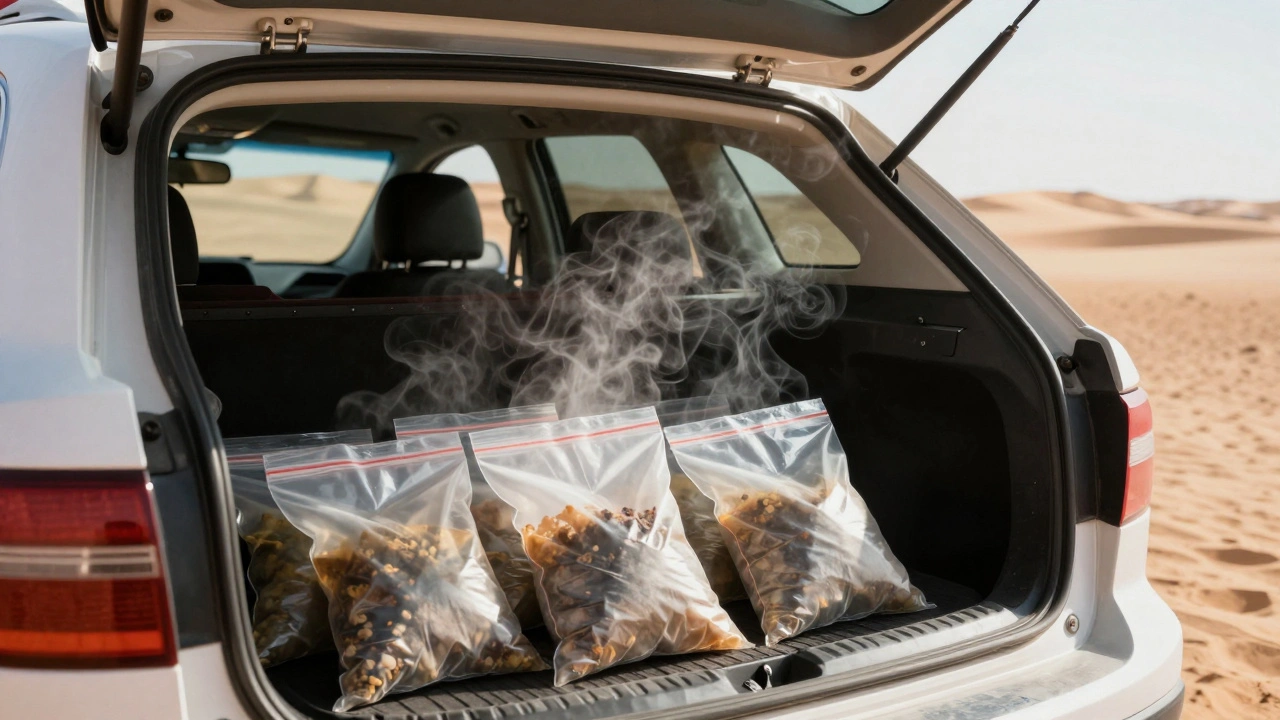
Scene-to-Lab Transport: Environmental Control for Evidence
- By : Ian Brophy
- Date : Jun 1 2026
Learn how to properly transport evidence from crime scenes to labs. Discover best practices for packaging, temperature control, and chain of custody to preserve DNA and trace evidence integrity.

How to Follow Up on Forensic DNA Database Hits: A Practical Guide
- By : Ian Brophy
- Date : Jun 1 2026
Learn how to effectively follow up on forensic DNA database hits. Explore the lifecycle of a hit, the role of tracking systems, and best practices for both law enforcement and genealogists.
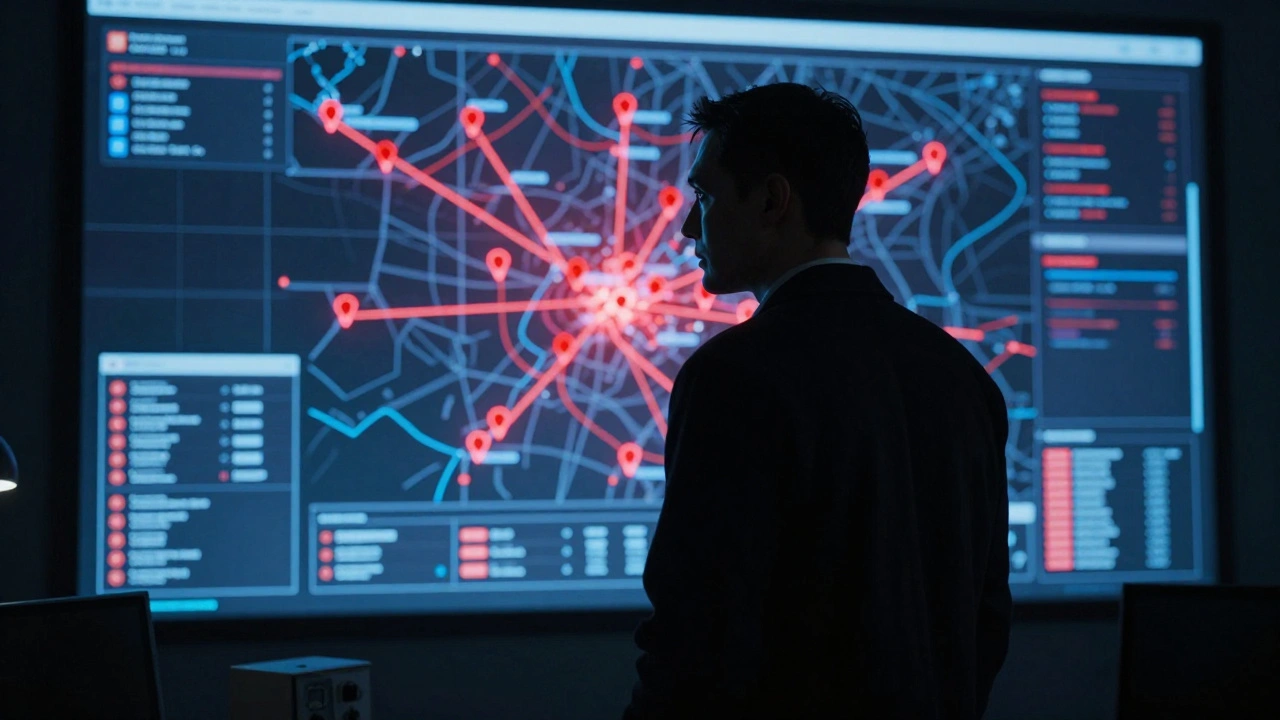
Geographic Profiling: How Spatial Analysis Locates Criminals
- By : Ian Brophy
- Date : Jun 1 2026
Discover how geographic profiling uses spatial analysis to locate criminals. Learn about anchor points, distance decay, and tools like Rigel that help police solve serial crimes.

Geographic Profiling: How Spatial Analysis Locates Criminal Bases
- By : Ian Brophy
- Date : Jun 1 2026
Discover how geographic profiling uses spatial analysis and GIS mapping to locate criminal bases. Learn about distance decay, buffer zones, and how detectives prioritize suspects in serial crime investigations.
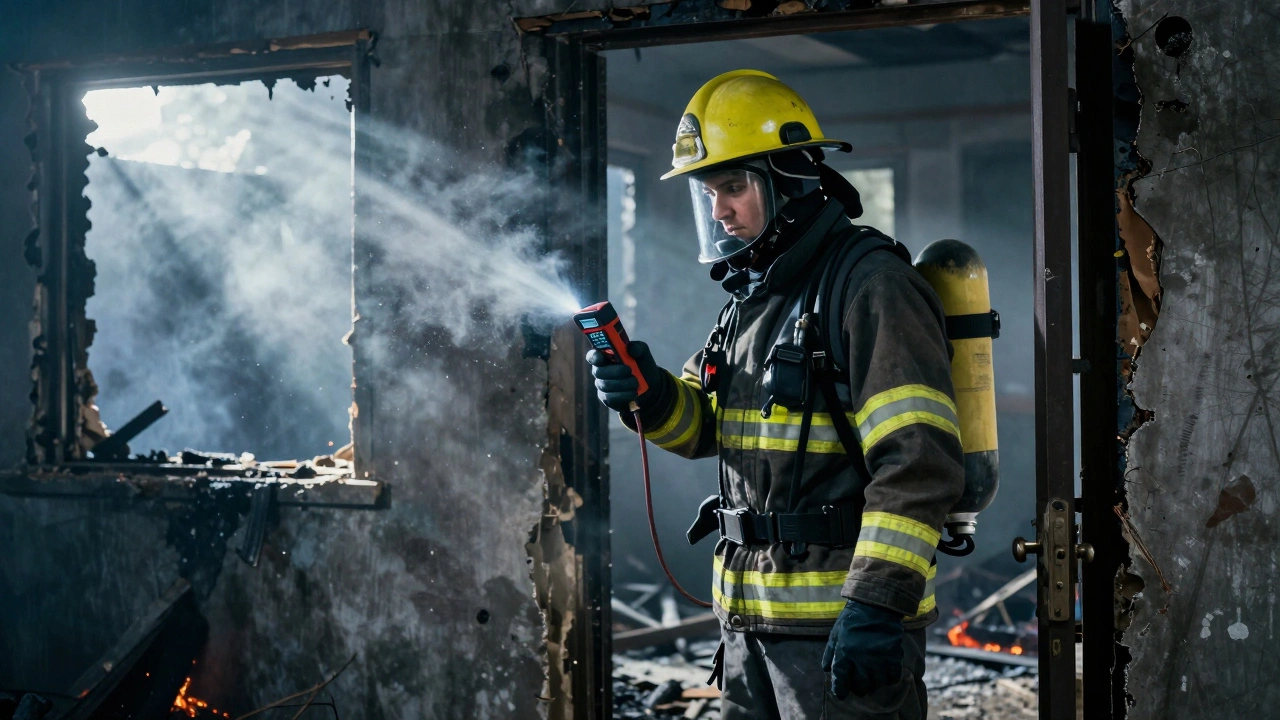
Gas and Propane Fire Investigation: Methods, Tools, and NFPA 921 Standards
- By : Ian Brophy
- Date : May 31 2026
Explore specialized methods for investigating gas and propane fires, including NFPA 921 standards, atmospheric monitoring, and forensic engineering techniques.