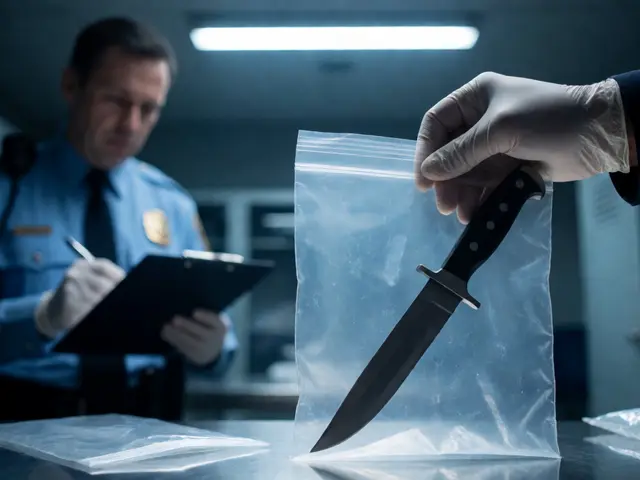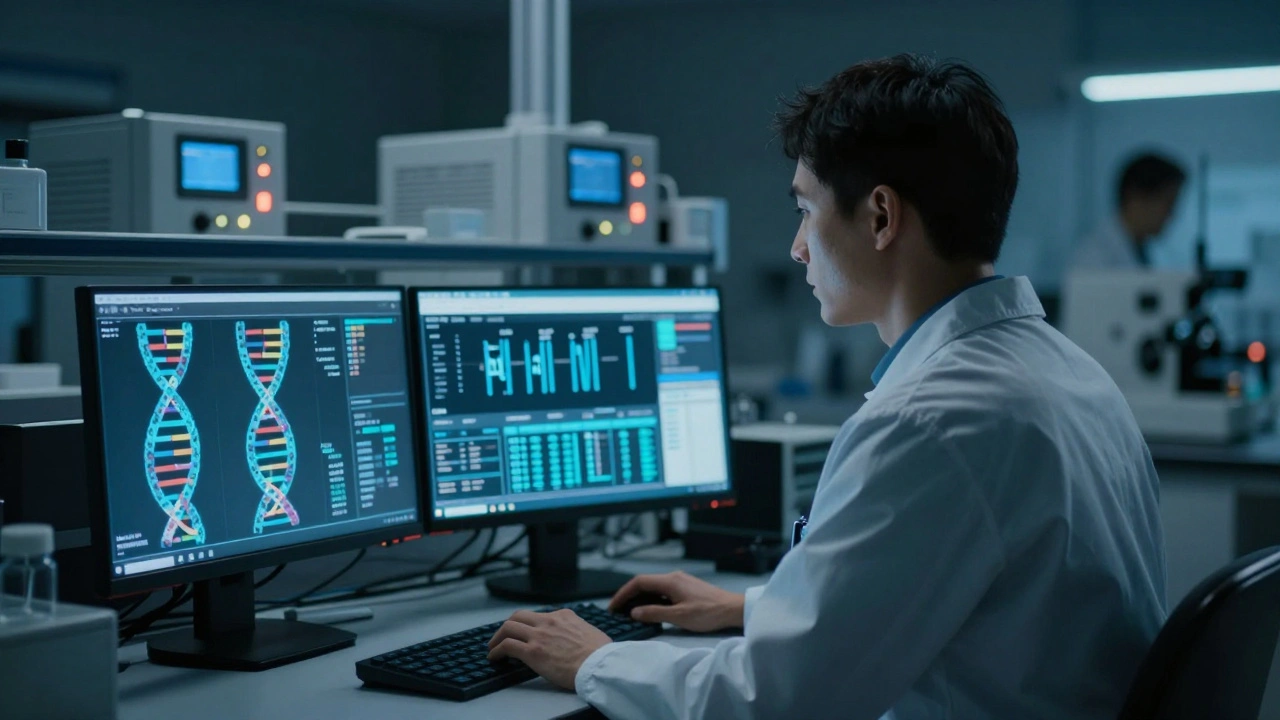
Imagine a lab technician staring at a screen. The computer just flagged a "hit"-a DNA profile from a crime scene matches someone in the database. That single moment feels like the climax of a detective movie. But here is the hard truth: the match itself does not solve the case. It is just a lead. Without a structured plan to follow up, that lead can vanish into paperwork, get lost in an inbox, or simply be ignored because investigators are overwhelmed.
In both forensic investigations and consumer genealogy, a database hit is only the starting point. The real work begins after the algorithm speaks. Whether you are a law enforcement officer trying to clear a cold case or a family historian verifying a relative, understanding how to manage, track, and verify these hits is critical. This guide breaks down exactly what happens next, why traditional methods fail, and how modern tools are changing the game.
The Anatomy of a Forensic DNA Hit
To understand the follow-up process, we first need to define what we are dealing with. In forensic science, a DNA database hit is a match between a biological evidence profile and a stored profile in a law enforcement or forensic database. These databases, such as the national CODIS system in the United States, store Short Tandem Repeat (STR) profiles. When a new sample is uploaded, automated algorithms search for similarities.
There are two main types of hits you will encounter:
- Offender Hits: The crime scene DNA matches a known individual already in the database (e.g., a convicted offender or arrestee). This provides a direct suspect name.
- Forensic Hits: The crime scene DNA matches another unsolved crime scene profile. This links two cases together but does not immediately identify a person.
A 2022 study published in PubMed Central titled Expanding DNA database effectiveness highlights a growing problem: as databases grow larger and include more categories of people (like arrestees rather than just convicts), the number of hits increases dramatically. More hits mean more potential solutions, but they also create a massive logistical burden. If a lab generates 100 hits a month but has no system to track what happens to them, those hits become noise instead of signals.
The Lifecycle of a Hit: From Lab to Courtroom
Many people assume that once the lab sends a notification, the police do the rest. In reality, the lifecycle is fragmented. Here is the typical workflow, and where it often breaks down:
- Automated Match: The laboratory software flags a potential match based on statistical thresholds.
- Laboratory Confirmation: Analysts review the data to ensure quality standards are met. They check for contamination, degradation, or technical errors. Only then is it released as an official hit.
- Notification: The lab sends the result to the investigating agency. This might be a specific detective or a general unit email.
- Investigative Action: The investigator must decide what to do. Do they get a warrant for a confirmatory sample? Do they re-interview witnesses? Do they link it to other evidence?
- Prosecutorial Decision: If charges are filed, the prosecutor reviews the DNA evidence alongside other facts.
- Outcome Documentation: The final result (arrest, conviction, dismissal, or no action) should be recorded.
The weak link is usually step four and six. Investigators are busy. They receive dozens of leads daily. Without a dedicated system, a DNA hit might sit in a folder for months. Worse, there is rarely feedback sent back to the lab. Did the hit help? Was it a false positive? Did it lead to an arrest? Most labs never know.
Why Manual Tracking Fails
Traditionally, agencies used spreadsheets, paper files, or email chains to track these outcomes. This approach is flawed for several reasons:
- Lack of Visibility: No one has a central dashboard showing which hits are open, which are under investigation, and which are closed.
- Data Silos: The lab knows about the match, the detective knows about the suspect, and the prosecutor knows about the case file. These groups rarely share data seamlessly.
- No Metrics: You cannot improve what you do not measure. Without tracking outcomes, agencies cannot answer questions like: "What percentage of our hits lead to arrests?" or "Are we wasting resources on low-quality samples?"
This inefficiency costs time and money. Laboratory staff often spend hours "hunting down" investigators to ask what happened to a hit. That is time taken away from analyzing new evidence. To solve this, specialized software has emerged.
The Role of Hit Outcome Tracking Systems
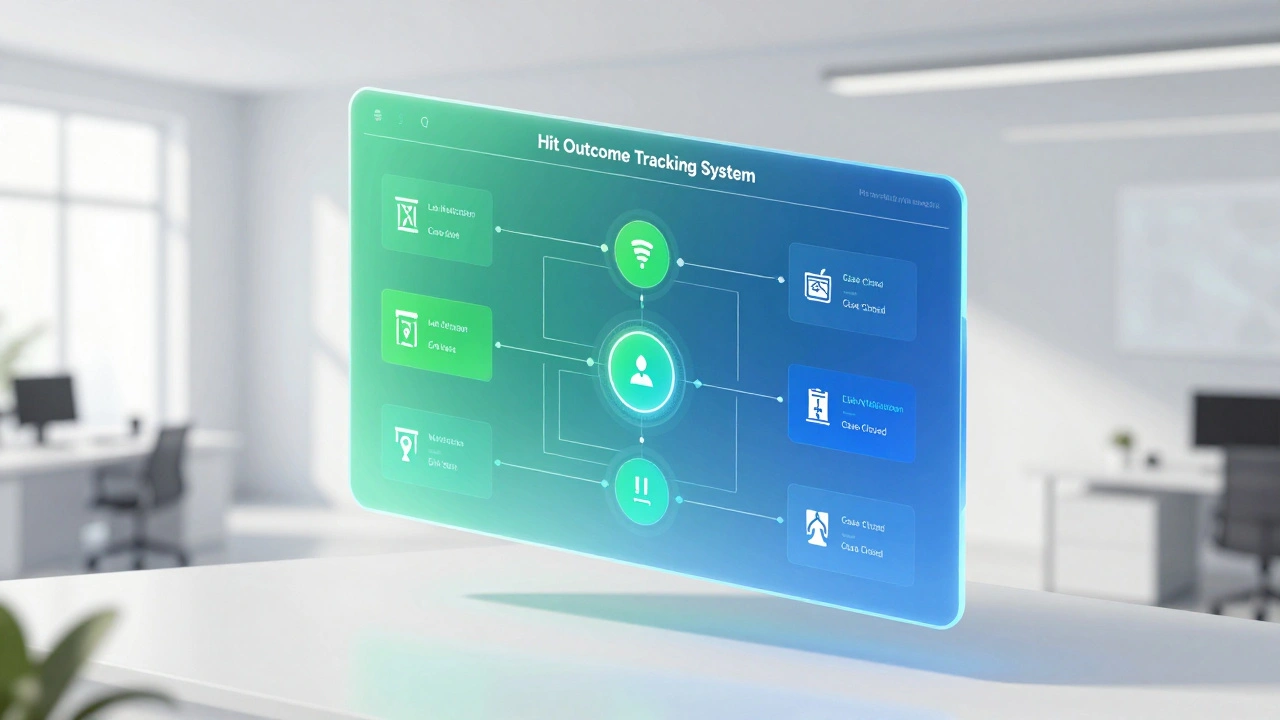
One notable solution is the Invitae Forensic Science Hit Outcome Tracking System, which is specialized software designed to manage the full lifecycle of forensic DNA database hits. Unlike generic case management systems, this tool focuses specifically on the journey of the DNA hit.
Here is how it changes the workflow:
- Centralized Dashboards: Labs and agencies can see all active hits in one place. Statuses are clearly marked (e.g., "Pending Investigation," "Warrant Issued," "Case Closed").
- Automated Reminders: The system can prompt investigators if a hit has gone unaddressed for too long, preventing leads from going cold.
- Outcome Reporting: Every hit requires a documented outcome. Did it lead to a charge? Was the suspect cleared? This data is aggregated for reporting to oversight bodies.
- Efficiency Gains: By reducing the administrative burden of chasing updates, lab analysts can focus on core scientific work.
This shift from manual tracking to digital workflow management is crucial for modern forensic efficiency. It ensures that every hit is treated as a valuable resource, not just a piece of data.
Complex Hits: Familial Searching and Partial Matches
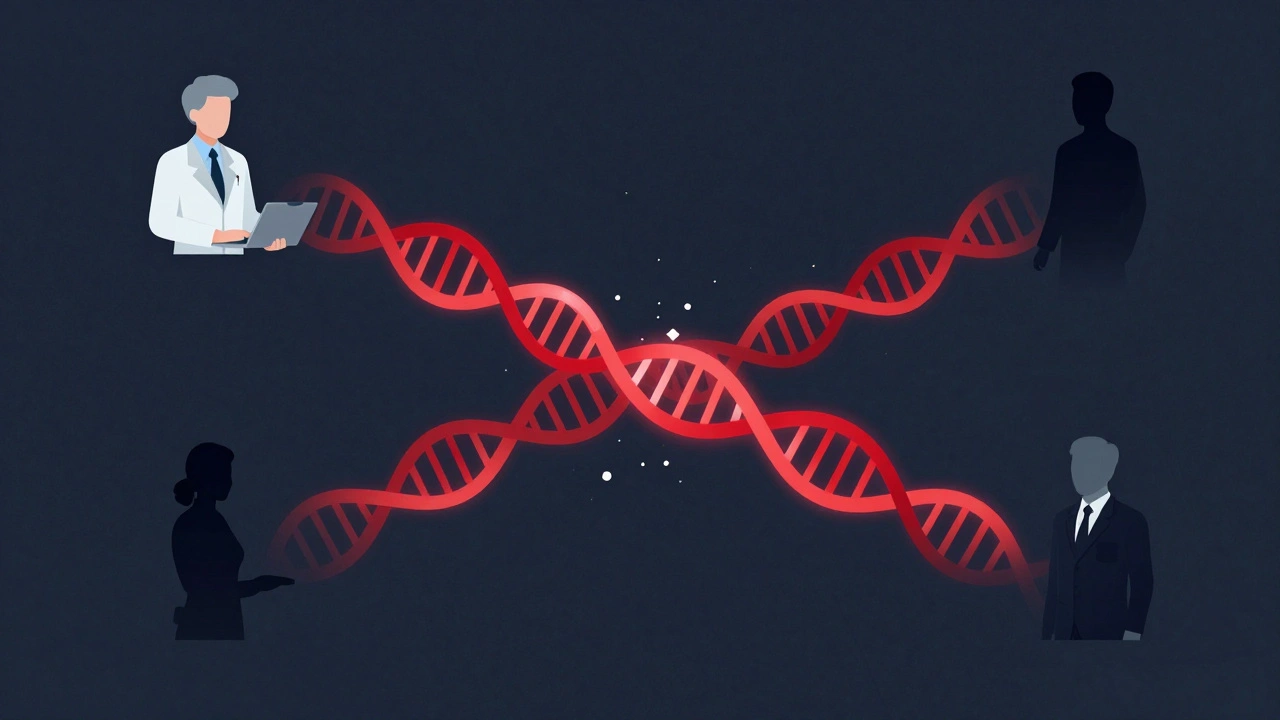
Not all hits are straightforward. Some involve partial matches or familial searching. A partial match suggests that the crime scene contributor is closely related to someone in the database, but not that person themselves. This opens the door to familial searching, which is an investigative technique used when a direct match is not found, allowing investigators to search for close relatives of the suspect.
Following up on these hits is significantly more complex. It requires:
- Genealogical Research: Building family trees to identify potential suspects who are not in the database.
- Additional Sampling: Obtaining DNA from relatives to narrow down the pool.
- Ethical Oversight: Ensuring privacy rights are respected, as innocent relatives may be investigated.
Because these processes are resource-intensive and legally sensitive, robust documentation is even more important. Tracking systems help justify the use of resources by showing whether these complex searches yield results over time.
Genealogical DNA Hits: A Different Workflow
While forensic hits focus on criminal justice, consumer DNA databases like AncestryDNA or 23andMe serve different purposes. However, the principle remains the same: a hit is just a start. In genetic genealogy, a hit indicates shared ancestry. Platforms like GEDmatch is a third-party platform for uploading and comparing DNA data from various testing companies. provide detailed guides on how to verify these matches.
Unlike forensic STR profiles, genealogical tests look at Single Nucleotide Polymorphisms (SNPs). The follow-up process involves:
- Cross-Database Verification: Checking if the same match appears in multiple databases to rule out artifacts.
- Segment Analysis: Using chromosome browsers to examine the length and location of shared DNA segments. Small segments can be coincidental; large segments indicate recent common ancestors.
- Tree Correlation: Comparing family trees to find the most recent common ancestor (MRCA).
- Contacting Matches: Reaching out to living relatives to share information and documents.
GEDmatch warns users against relying on small DNA segments alone. Just as forensic investigators treat a hit as a lead requiring corroboration, genealogists must treat a match as a hypothesis requiring proof. Misinterpretation can lead to incorrect family histories or missed connections.
| Aspect | Forensic DNA Hit | Genealogical DNA Hit |
|---|---|---|
| Primary Goal | Identify suspect or link crimes | Verify family relationships |
| Data Type | STR Profiles | SNP Data |
| Follow-Up Actor | Law Enforcement / Prosecutors | Individual Researchers |
| Verification Method | Confirmatory Sample / Warrant | Segment Analysis / Tree Matching |
| Tracking Tool | Hit Outcome Tracking Systems | Chromosome Browsers / Spreadsheets |
Best Practices for Effective Follow-Up
Whether you are in law enforcement or doing personal research, effective follow-up requires discipline. Here are key strategies to ensure hits translate into results:
- Prioritize Based on Strength: Not all hits are equal. Strong, high-confidence matches should be investigated first. Weak or partial matches may require additional context before investing resources.
- Document Everything: Record every action taken after a hit. Who was contacted? What was the response? Why was a lead dropped? This creates an audit trail and helps future investigations.
- Use Technology: Implement tracking systems that automate reminders and centralize data. Avoid relying on memory or scattered emails.
- Collaborate Across Agencies: Share information between labs, detectives, and prosecutors. Break down silos to ensure the hit moves smoothly through the justice system.
- Verify Independently: In genealogy, cross-check matches across multiple platforms. In forensics, seek corroborating evidence beyond the DNA match.
The Future of DNA Hit Management
As databases continue to expand, the volume of hits will only increase. The challenge is no longer just generating matches-it is managing them. We are moving toward a model where every hit is tracked from generation to resolution. This ensures accountability, improves efficiency, and maximizes the value of DNA technology.
For forensic agencies, adopting hit outcome tracking systems is becoming essential. For genealogists, mastering verification techniques is key to accurate results. In both worlds, the hit is just the beginning. The follow-up is where the truth is found.
What is a forensic DNA database hit?
A forensic DNA database hit is a match between a DNA profile obtained from crime scene evidence and a profile stored in a law enforcement database. It can be an "offender hit" (matching a known individual) or a "forensic hit" (linking two unsolved crimes).
Why is following up on DNA hits difficult?
Follow-up is difficult due to fragmented workflows, lack of communication between labs and investigators, and the high volume of hits generated by expanding databases. Without systematic tracking, leads can be lost or ignored.
What is a Hit Outcome Tracking System?
It is specialized software, such as Invitae’s system, that manages the lifecycle of a DNA hit. It tracks the hit from lab notification through investigation and prosecution, ensuring outcomes are documented and visible to all stakeholders.
How do genealogical DNA hits differ from forensic hits?
Genealogical hits indicate shared ancestry using SNP data, while forensic hits identify individuals using STR profiles. Genealogical follow-up involves tree building and segment analysis, whereas forensic follow-up involves legal investigation and warrants.
What is familial searching in DNA databases?
Familial searching is a technique used when a direct match is not found. It identifies close relatives of the suspect in the database, allowing investigators to build family trees to locate the actual perpetrator.