Category: Forensics - Page 8
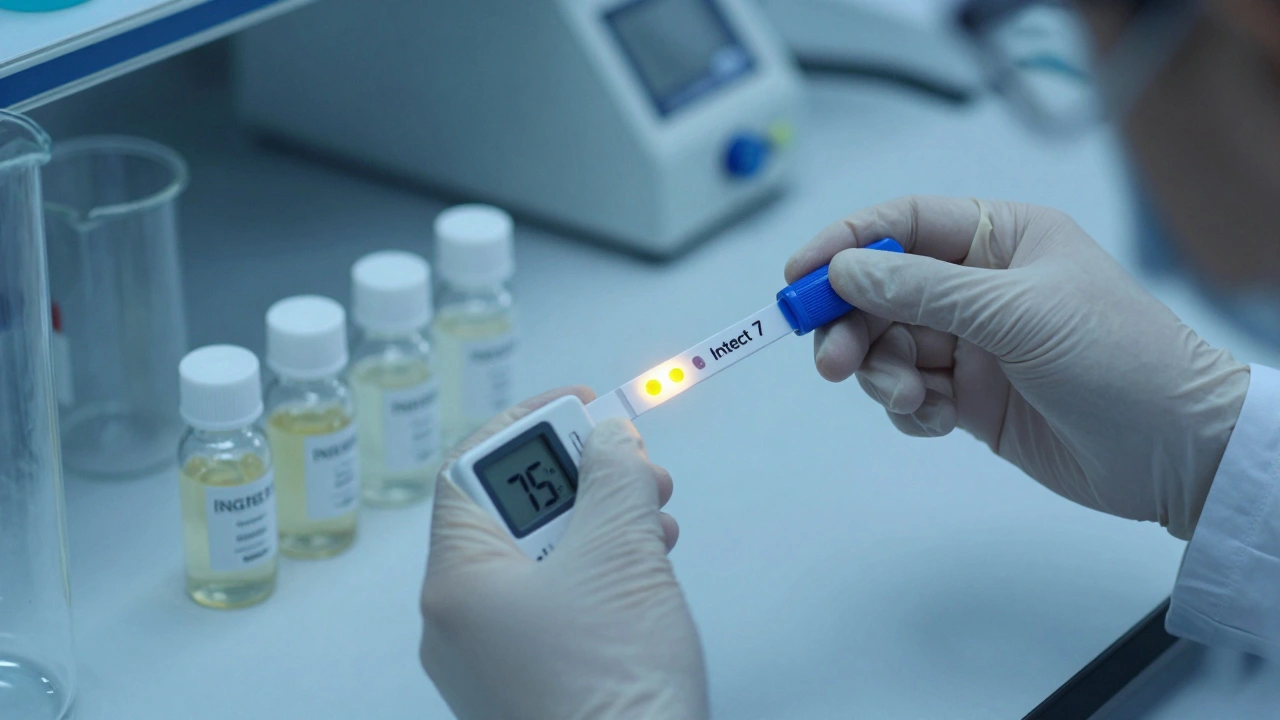
Specimen Adulteration: How Drug Tests Detect Fake Urine and What Works
- By : Ian Brophy
- Date : Feb 11 2026
Specimen adulteration in urine drug tests is a growing challenge. Learn how labs detect fake urine, what markers they use, why synthetic urine is hard to catch, and what actually works to stop it.

Custody in Multi-Scene Cases: Item Linking and Traceability in Digital Forensics
- By : Ian Brophy
- Date : Feb 11 2026
In multi-scene investigations, traditional chain of custody isn't enough. Traceability links digital and physical evidence across locations, proving how events connect. Learn how modern forensics uses mapping, tagging, and AI to turn isolated items into a clear story.
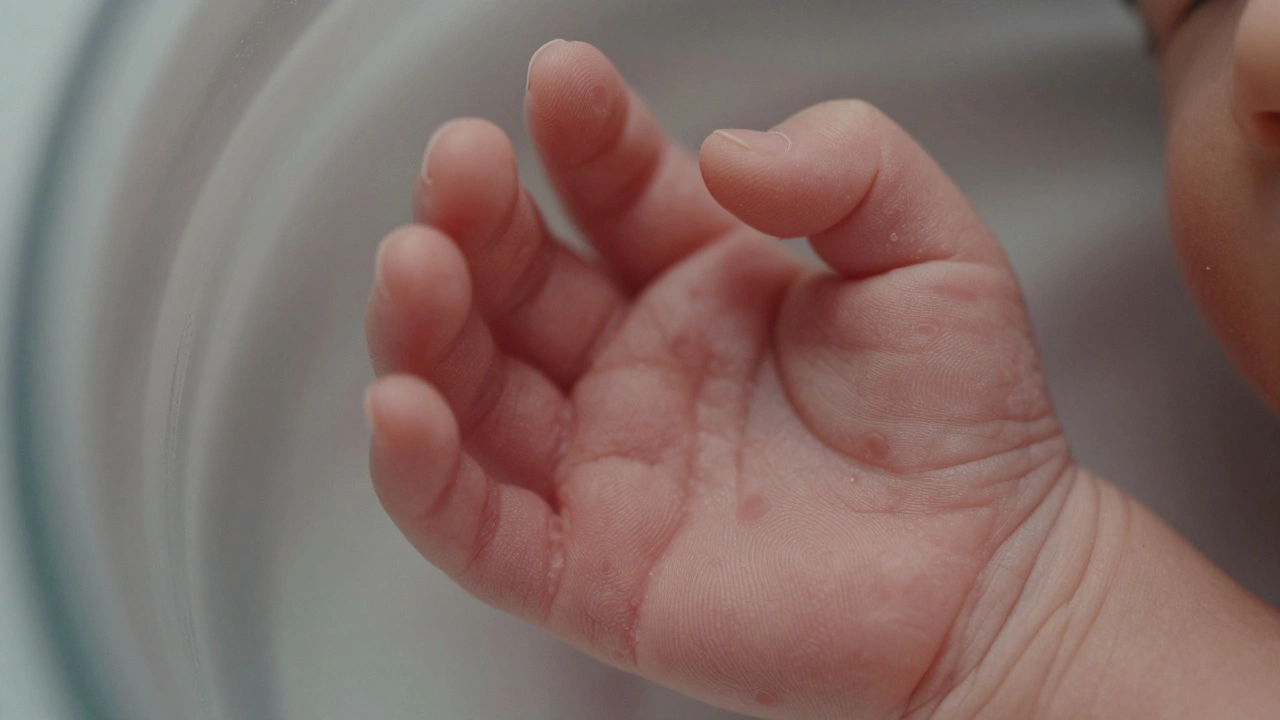
Children’s Fingerprints: How They Form and Why They’re Hard to Use
- By : Ian Brophy
- Date : Feb 11 2026
Children's fingerprints form in the womb and stay permanent, but they're too faint for scanners until age 12+ months. Learn why infant biometrics fail and how new tech is catching up.

Photography Before Evidence Markers: The Critical Sequence in Forensic Documentation
- By : Ian Brophy
- Date : Feb 11 2026
Photography before evidence markers is a non-negotiable forensic protocol that ensures legal admissibility. Failing to document evidence in its original state before placing scales or labels can lead to evidence exclusion in court, with studies showing over 23% of cases compromised by this error.

Photography Before Evidence Markers: The Critical Sequence for Forensic Documentation
- By : Ian Brophy
- Date : Feb 11 2026
Photography before evidence markers is a non-negotiable forensic protocol that ensures evidence integrity by documenting crime scene items in their original state before adding scales or labels. This sequence is critical for courtroom admissibility and has been validated across global standards.
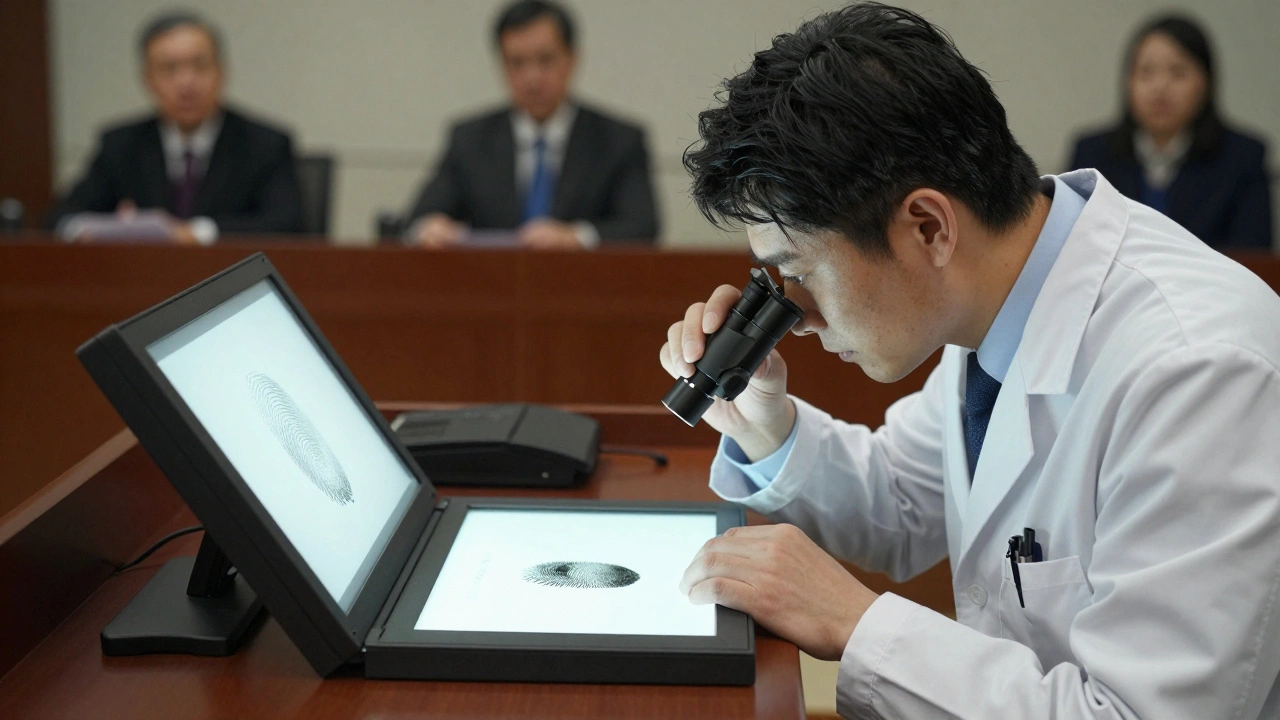
Fingerprint Comparisons in Court: What Experts Can and Can't Say
- By : Ian Brophy
- Date : Feb 11 2026
Fingerprint evidence in court is no longer treated as infallible. Experts must now avoid claims of absolute certainty, and courts are demanding transparency about methodology and error rates. This is how the science of fingerprinting is adapting to modern legal standards.
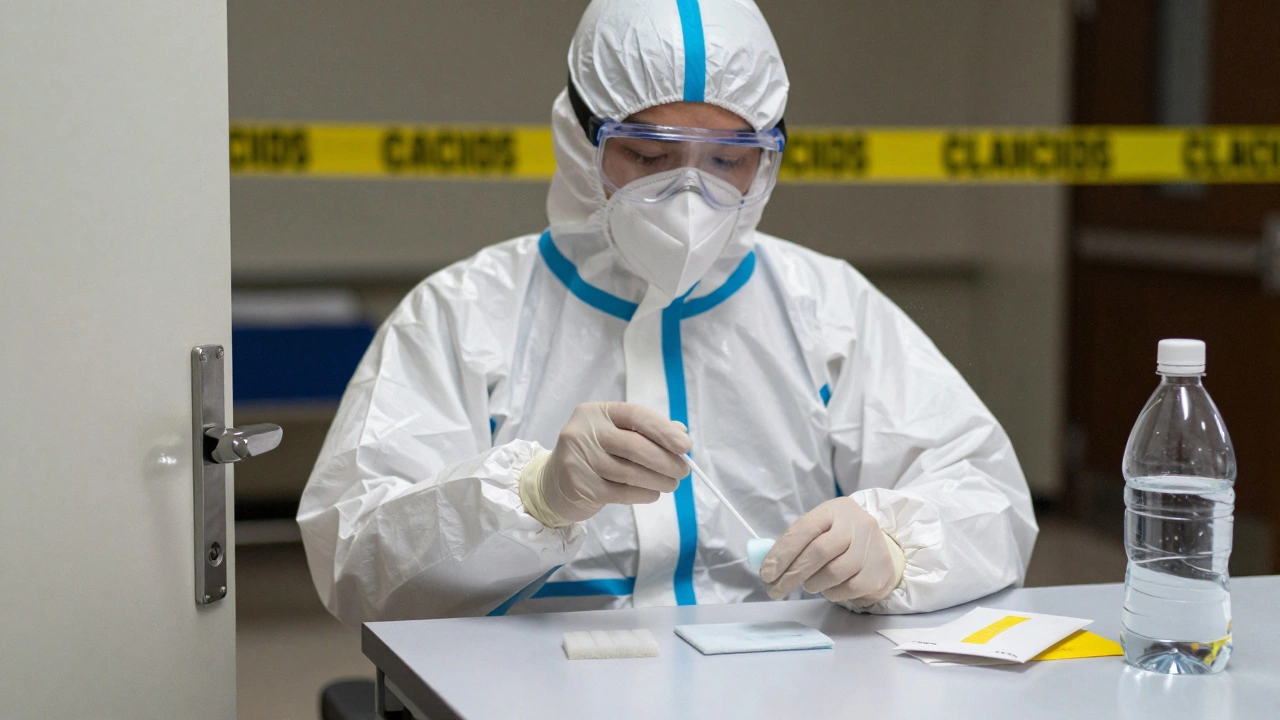
How DNA Evidence Is Collected at Crime Scenes
- By : Ian Brophy
- Date : Feb 11 2026
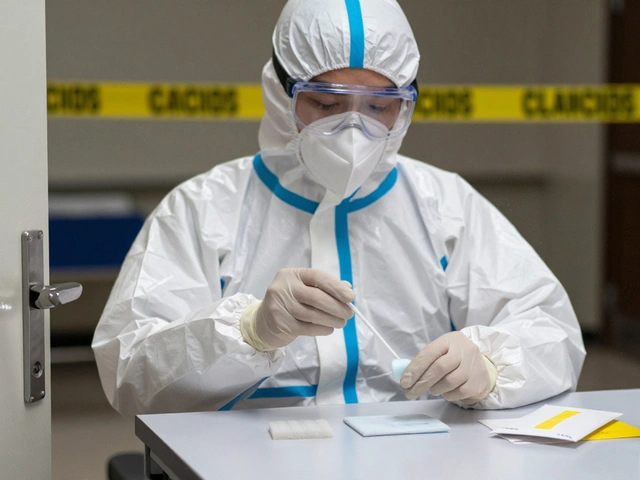
DNA evidence collection at crime scenes follows strict forensic protocols to prevent contamination and ensure accurate identification. From swabbing surfaces to packaging in paper envelopes, every step matters in solving crimes.
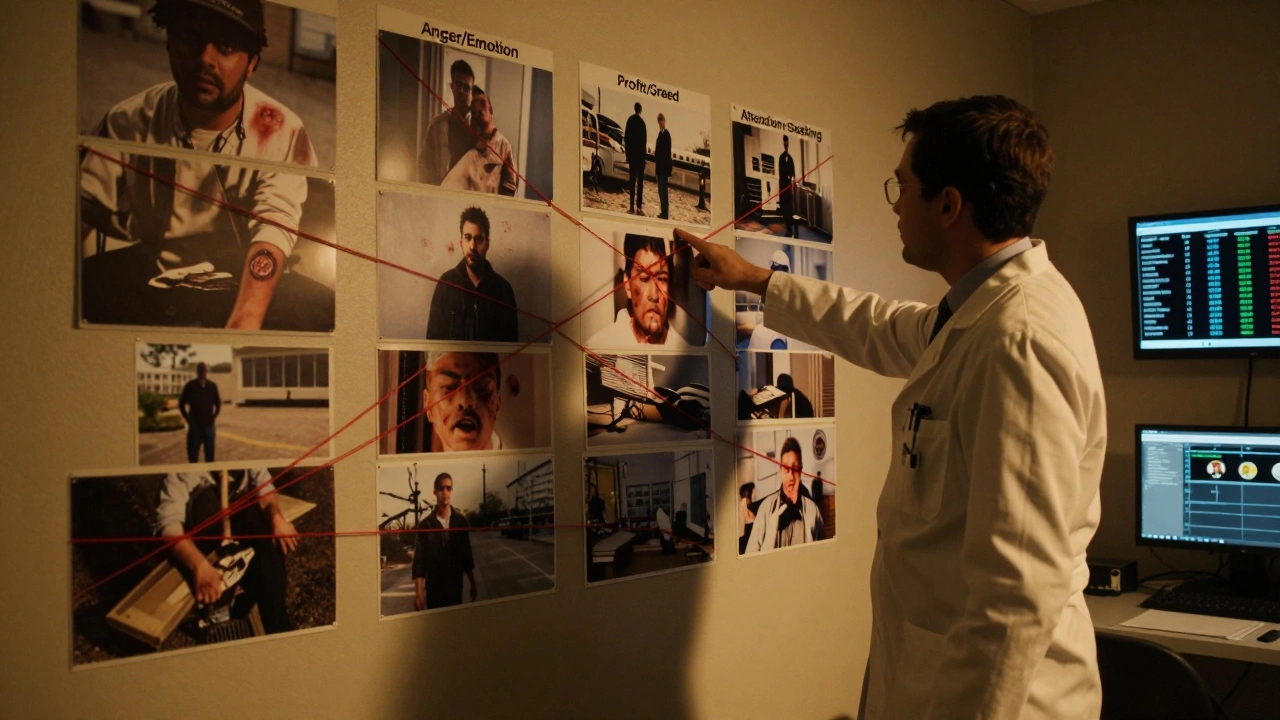
Motive Analysis: Understanding Why Crimes Occur
- By : Ian Brophy
- Date : Feb 8 2026
Motive analysis decodes the psychological reasons behind crimes, helping investigators understand why offenders act. Used by the FBI and forensic psychologists, it improves case resolution by focusing on anger, profit, attention, or mental illness as drivers of criminal behavior.
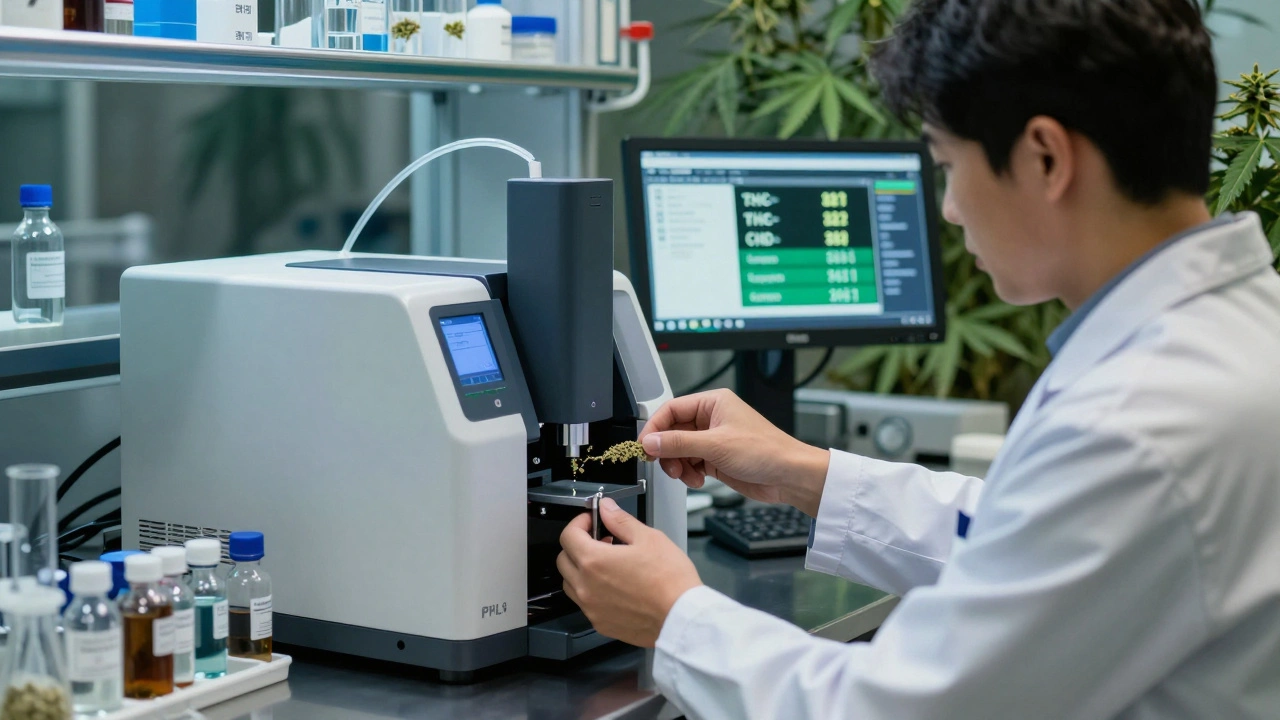
Cannabis Potency Testing: How THC, CBD, and Terpenes Are Measured for Safety and Compliance
- By : Ian Brophy
- Date : Feb 8 2026
Cannabis potency testing ensures products contain accurate levels of THC, CBD, and terpenes. Learn how labs use HPLC and GC to measure these compounds, why results vary, and what consumers should look for on lab reports.
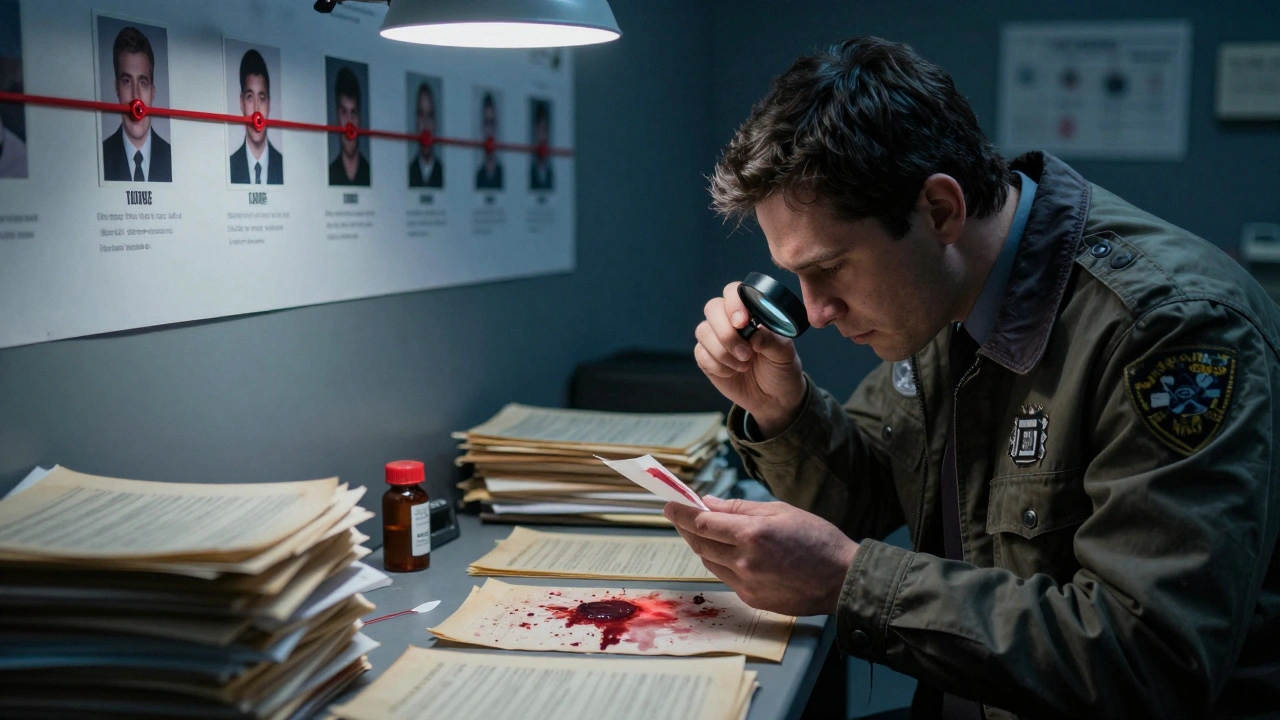
Cold Case Funding: How Grants and Resources Solve Unsolved Homicides
- By : Ian Brophy
- Date : Jan 27 2026
Cold case funding helps solve decades-old homicides through federal grants, DNA analysis, and nonprofit support. Learn how agencies access resources, what it takes to qualify, and why many cases still go unanswered.
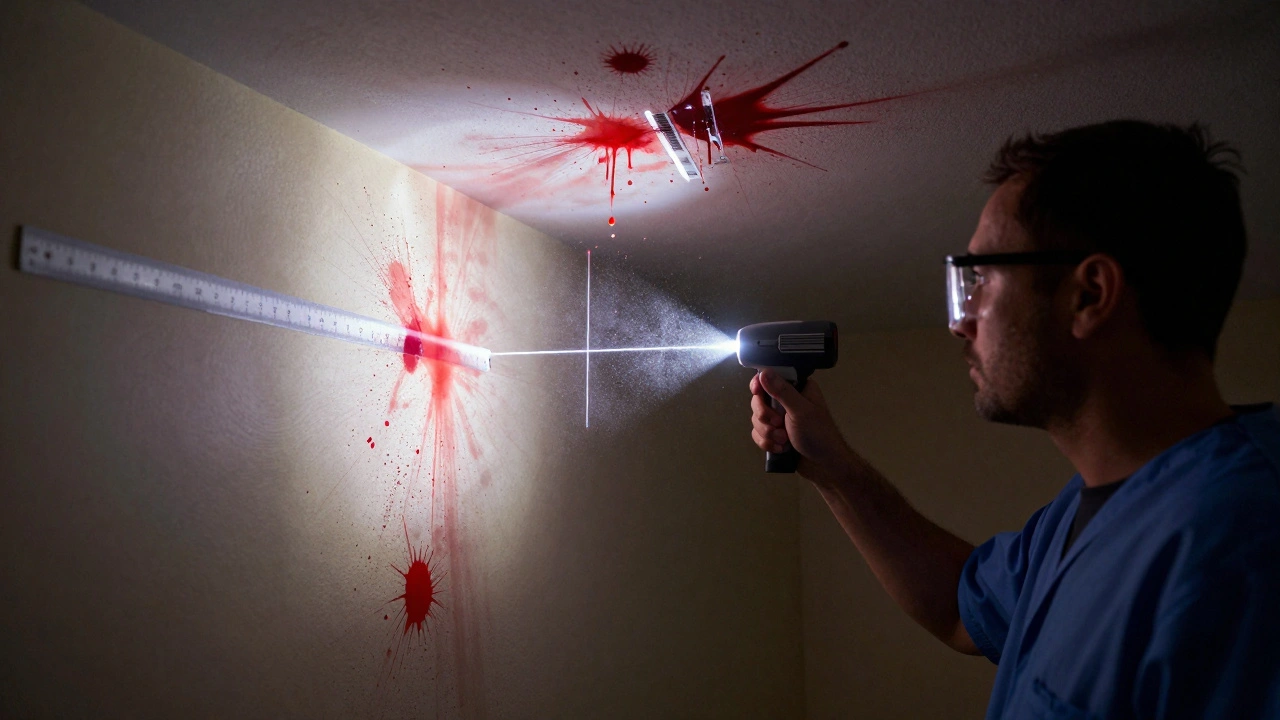
Impact Spatter: Understanding High-Velocity Blood Evidence in Forensic Investigations
- By : Ian Brophy
- Date : Jan 26 2026
Impact spatter reveals the force and direction of violent events through microscopic blood patterns. High-velocity spatter, often from gunshots, provides critical forensic evidence to reconstruct crime scenes with precision.
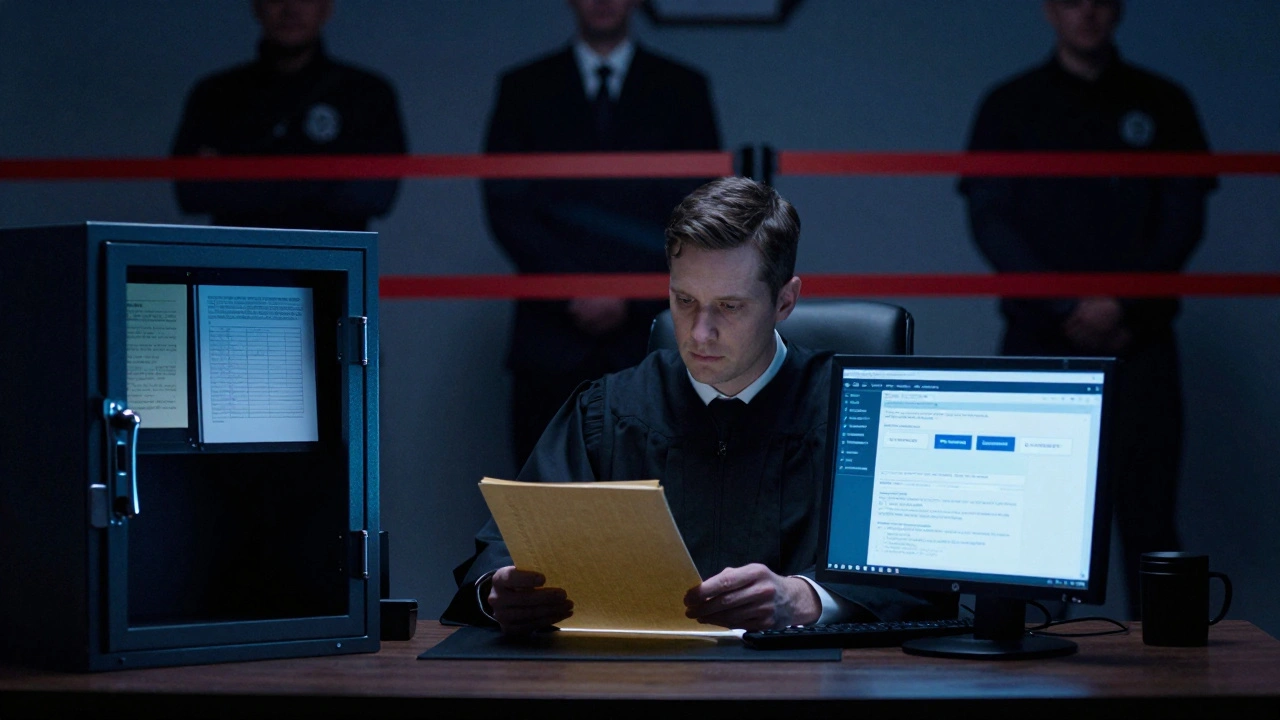
Protective Orders: How Sensitive Forensic Data Is Legally Restricted in Court
- By : Ian Brophy
- Date : Jan 25 2026
Protective orders legally restrict access to sensitive forensic data in court cases, requiring encryption, strict access controls, breach reporting, and vendor compliance. Learn how these orders work-and why vague language isn't enough.
Popular Posts
-
How DNA Evidence Is Collected at Crime Scenes
Feb 11 2026