Tag: forensic science - Page 3
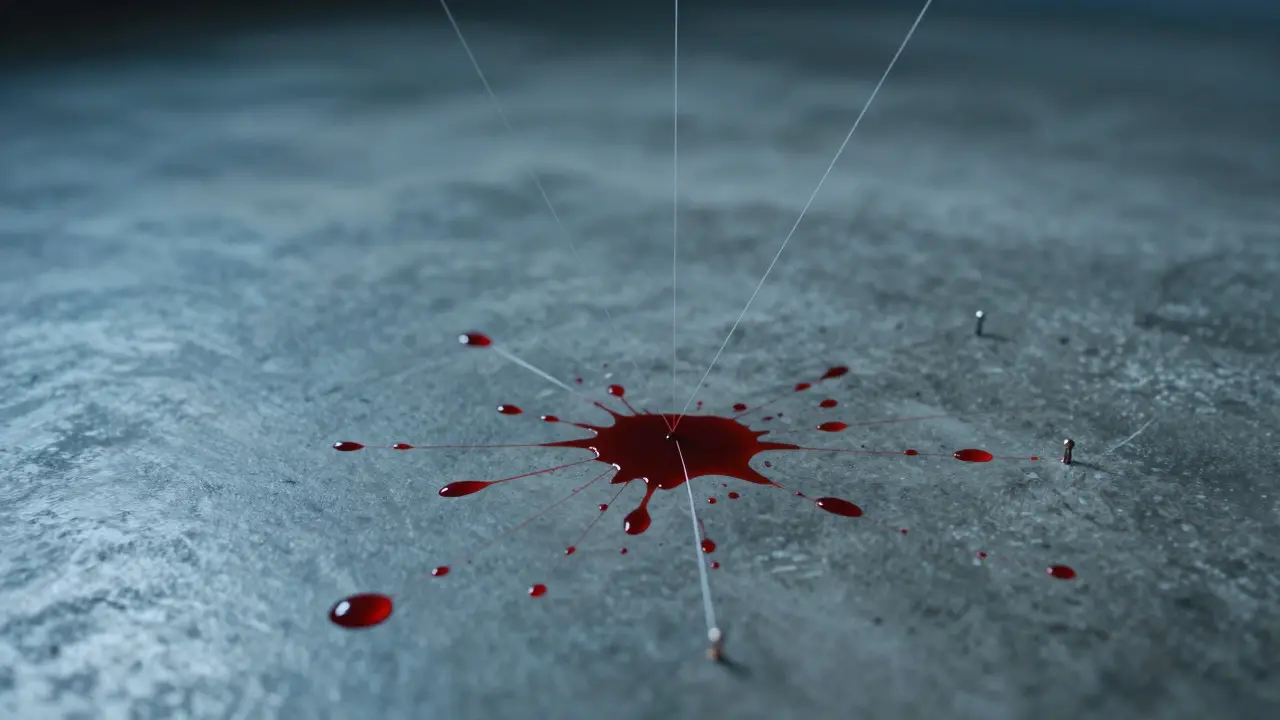
Stringing Alternatives: Laser and Software-Based Methods for Bloodstain Analysis
- By : Ian Brophy
- Date : Aug 16 2026
Explore modern alternatives to traditional stringing in bloodstain pattern analysis. Learn how laser projection and software-based methods improve accuracy, speed, and documentation for forensic investigators.
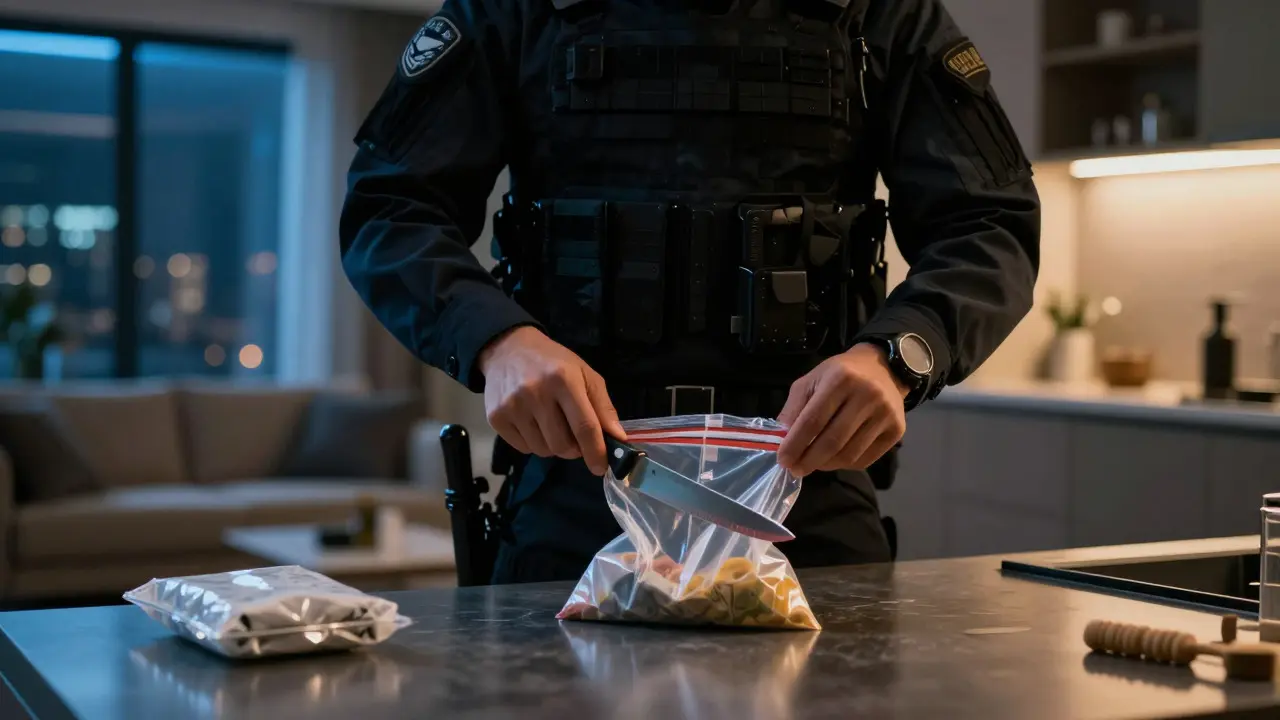
Evidence Admissibility: Legal Standards for Criminal Cases in 2026
- By : Ian Brophy
- Date : Aug 16 2026
Learn the 2026 legal standards for evidence admissibility in criminal cases. We cover chain of custody, the Daubert standard, and digital evidence pitfalls to help you build bulletproof cases.

Bloodstain Pattern Analysis in Court: Expert Witness Challenges
- By : Ian Brophy
- Date : May 26 2026
Explore the challenges of Bloodstain Pattern Analysis in court, including expert witness reliability, cognitive bias, and the impact of NIJ error rate studies on forensic testimony.
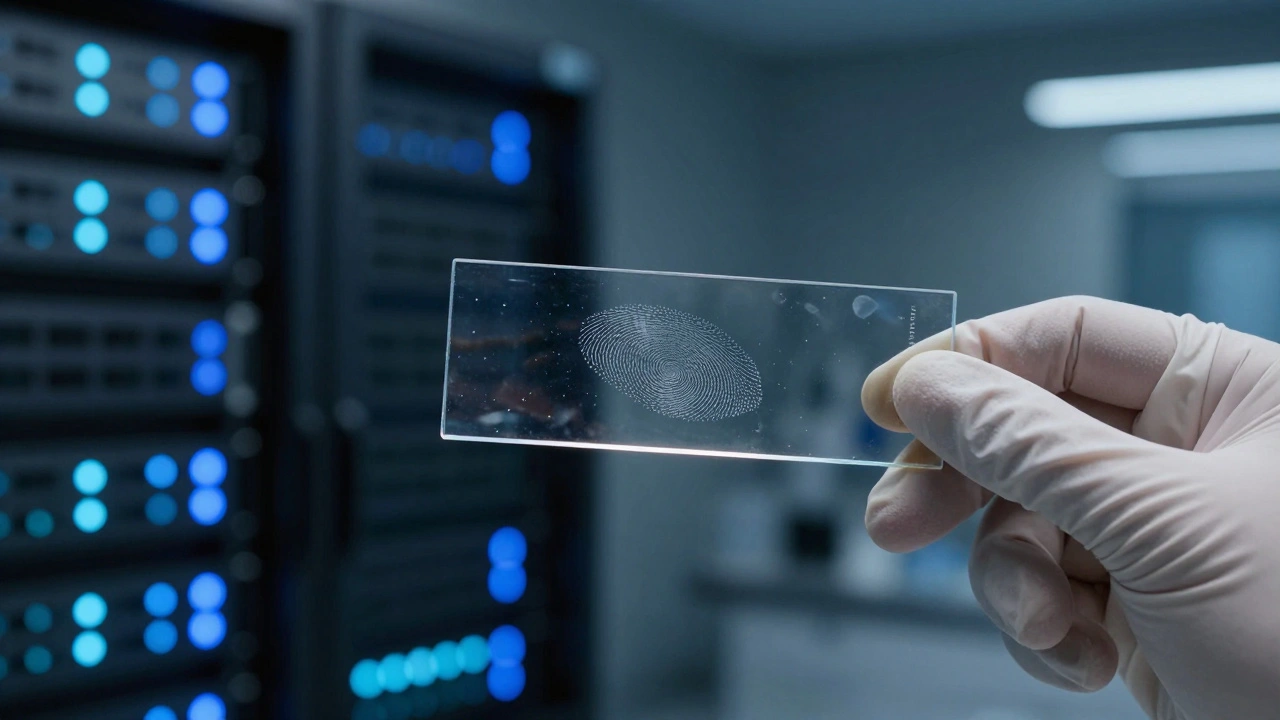
AFIS Technology Explained: How Automated Fingerprint Identification Systems Work
- By : Ian Brophy
- Date : May 23 2026
Discover how Automated Fingerprint Identification Systems (AFIS) transform forensic investigations. Learn about the technology, accuracy rates, historical milestones, and privacy concerns surrounding modern biometric matching.
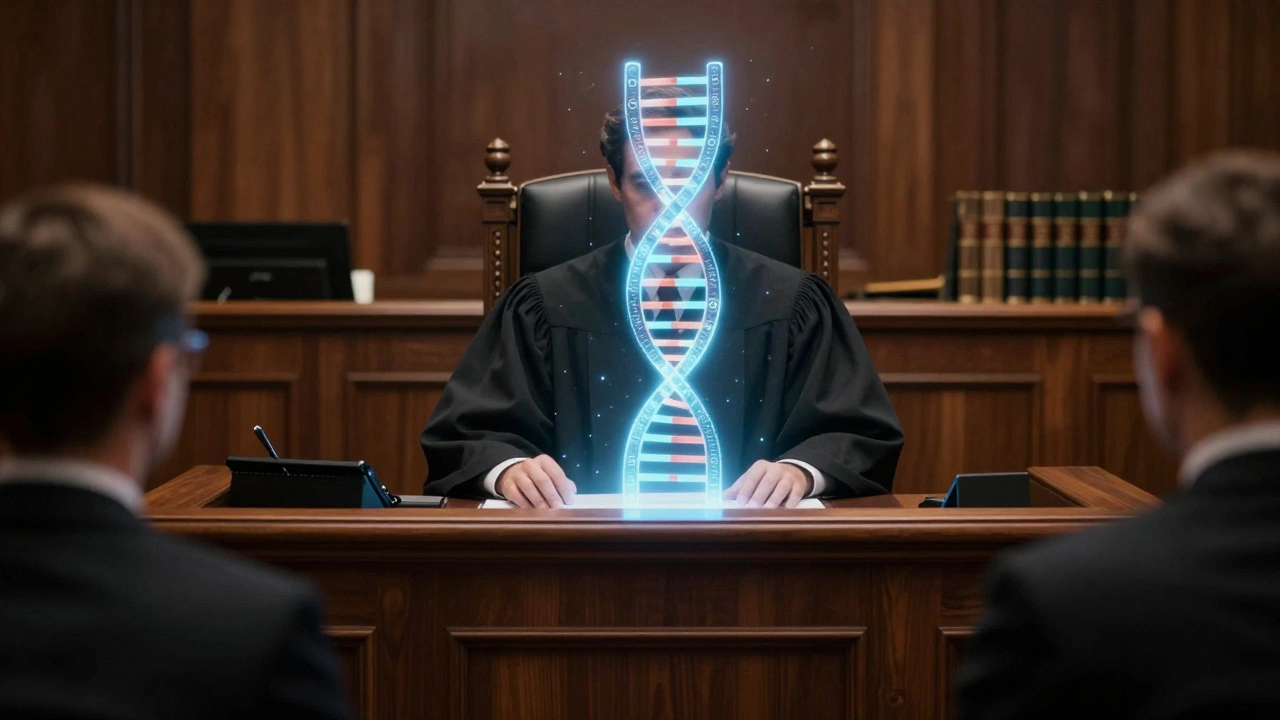
Judicial Notice in Forensics: When Courts Accept Science Without Proof
- By : Ian Brophy
- Date : May 21 2026
Explore how courts use judicial notice to accept forensic facts without proof, comparing Rule 201 with Daubert and Frye standards, and identifying which techniques qualify.

Blood Saturation in Forensics: How Much Blood Remains on a Surface?
- By : Ian Brophy
- Date : May 12 2026
Explore how forensic scientists analyze blood saturation on various surfaces. Learn about absorption rates, hematocrit effects, and volume estimation techniques in bloodstain pattern analysis.

Directional Analysis: How to Determine Attack Vectors from Bloodstain Patterns
- By : Ian Brophy
- Date : May 10 2026
Learn how directional analysis determines attack vectors from bloodstain patterns. Understand angle calculations, triangulation, and pattern recognition for accurate crime scene reconstruction.
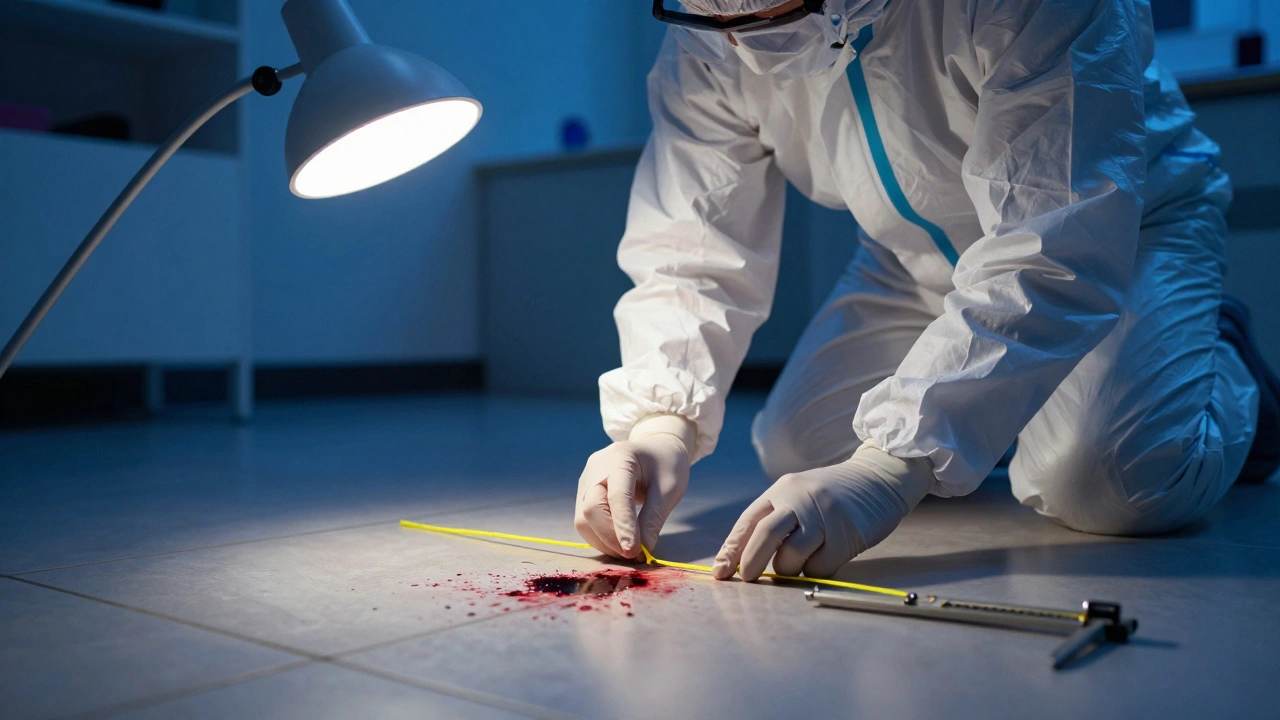
The Stringing Method: How to Reconstruct Attack Patterns in Bloodstain Analysis
- By : Ian Brophy
- Date : May 5 2026
Explore the stringing method in bloodstain pattern analysis. Learn how forensic experts use physics and manual reconstruction to pinpoint attack origins, victim positions, and weapon dynamics in crime scenes.
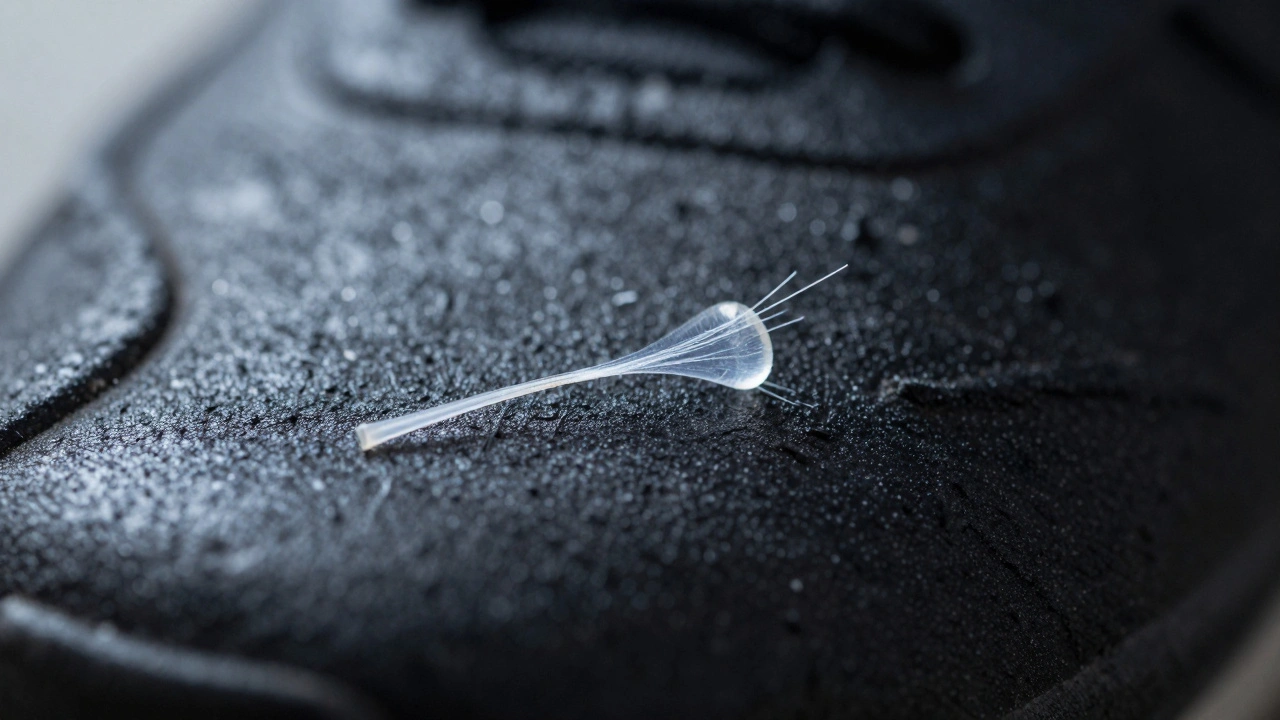
Microplastics as Trace Evidence: Source, Spread, and Forensic Challenges
- By : Ian Brophy
- Date : May 1 2026
Explore how microplastics are emerging as a complex form of trace evidence in forensic science. Learn about source attribution challenges, collection protocols, and the future of microplastic analysis in criminal investigations.
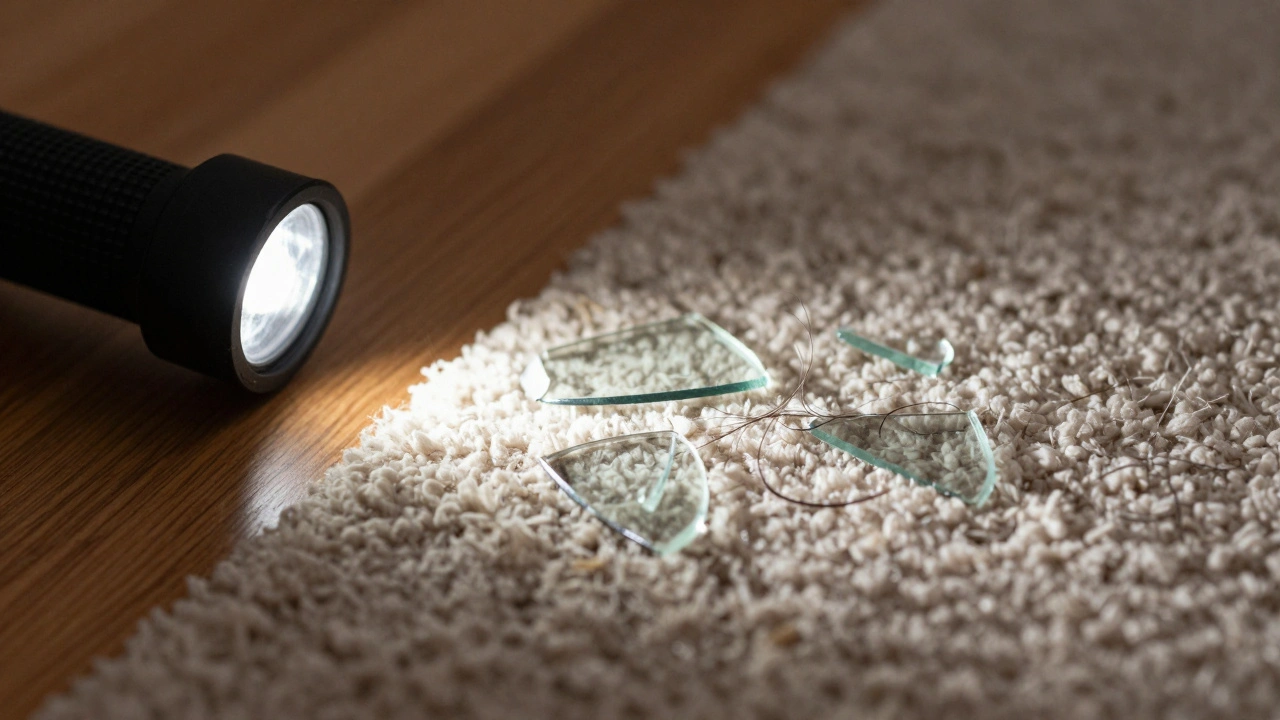
Visible vs. Invisible Trace Evidence: How Forensic Experts Find the Unseen
- By : Ian Brophy
- Date : Apr 16 2026
Explore the critical differences between visible and invisible trace evidence in forensics, from Locard's principle to the use of UV light and microspectrometry.
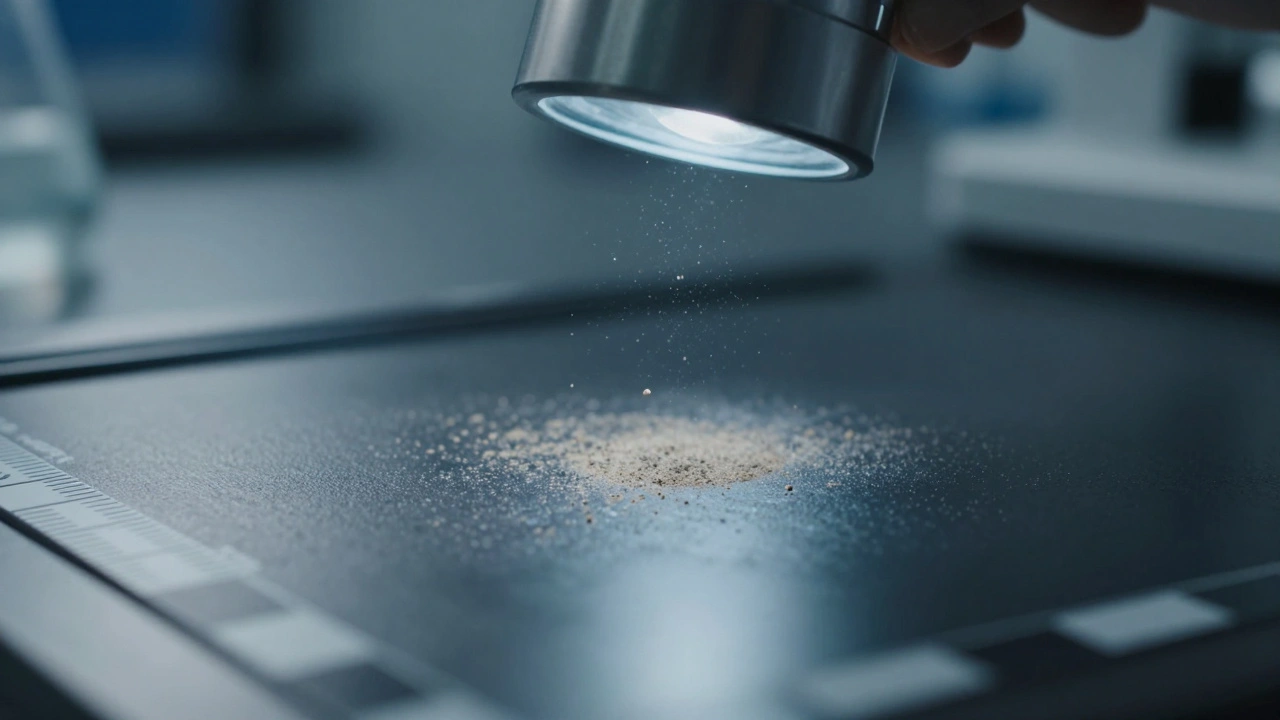
Nanoparticles in Trace Evidence: Emerging Analytical Tools for Forensics
- By : Ian Brophy
- Date : Mar 31 2026
Explore how nanoparticles are transforming trace evidence analysis in 2026. Learn about emerging tools, DNA enhancement, and legal challenges in forensic science.
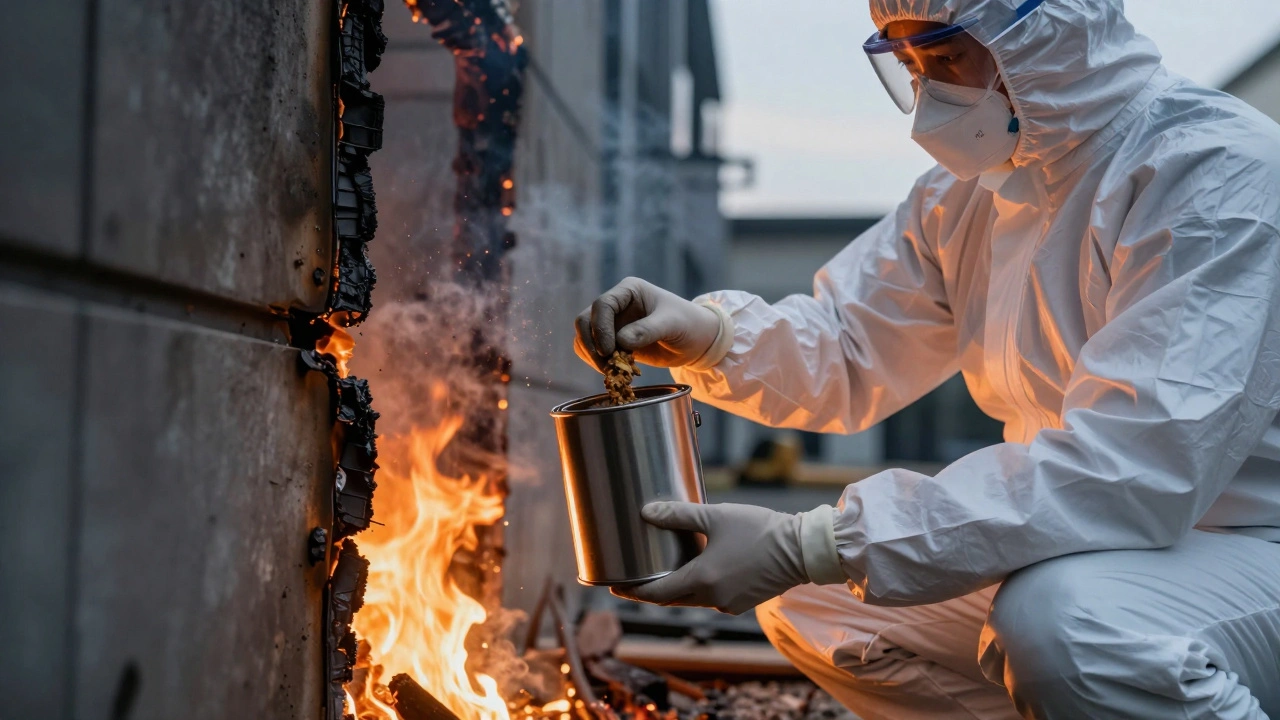
Micro-Debris in Fire Scenes: Trace Evidence Recovery Guide
- By : Ian Brophy
- Date : Mar 28 2026