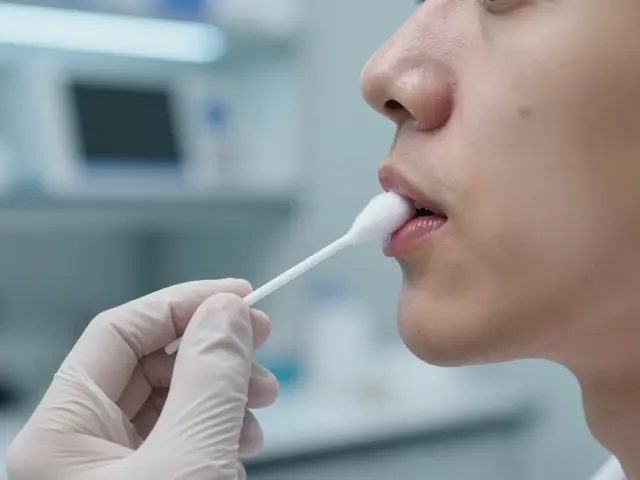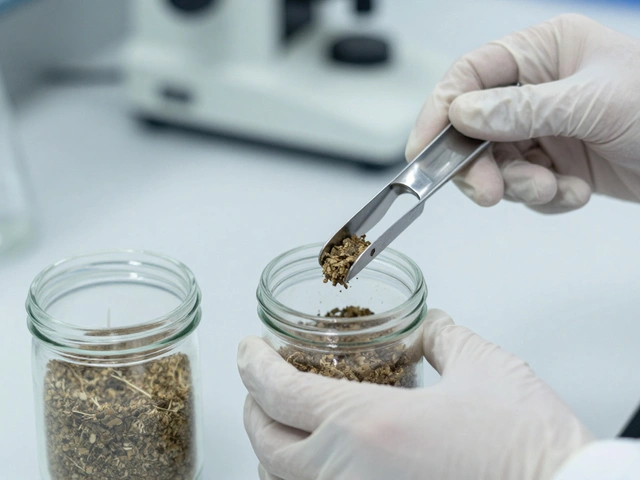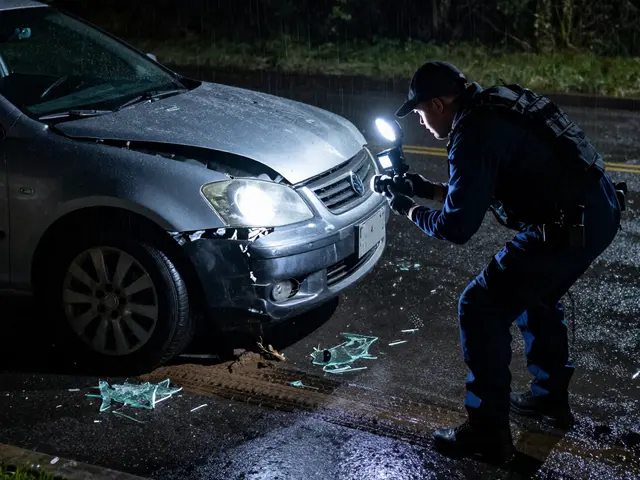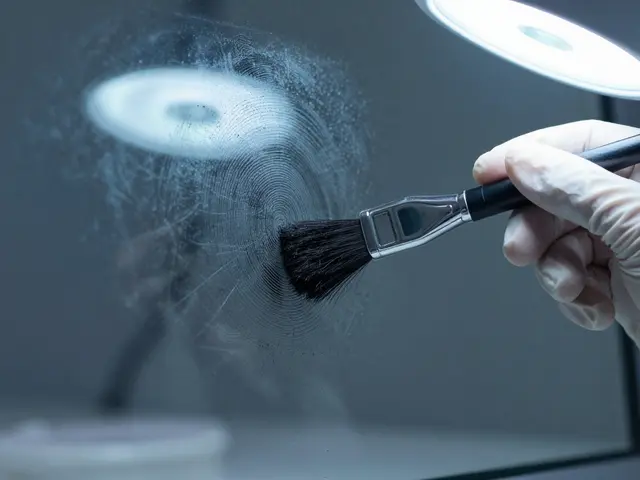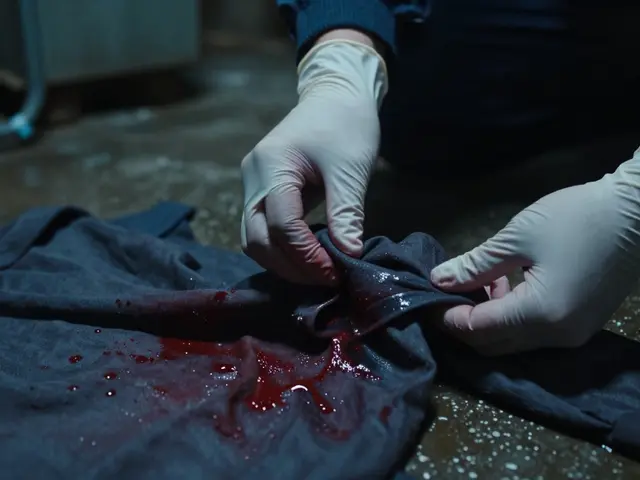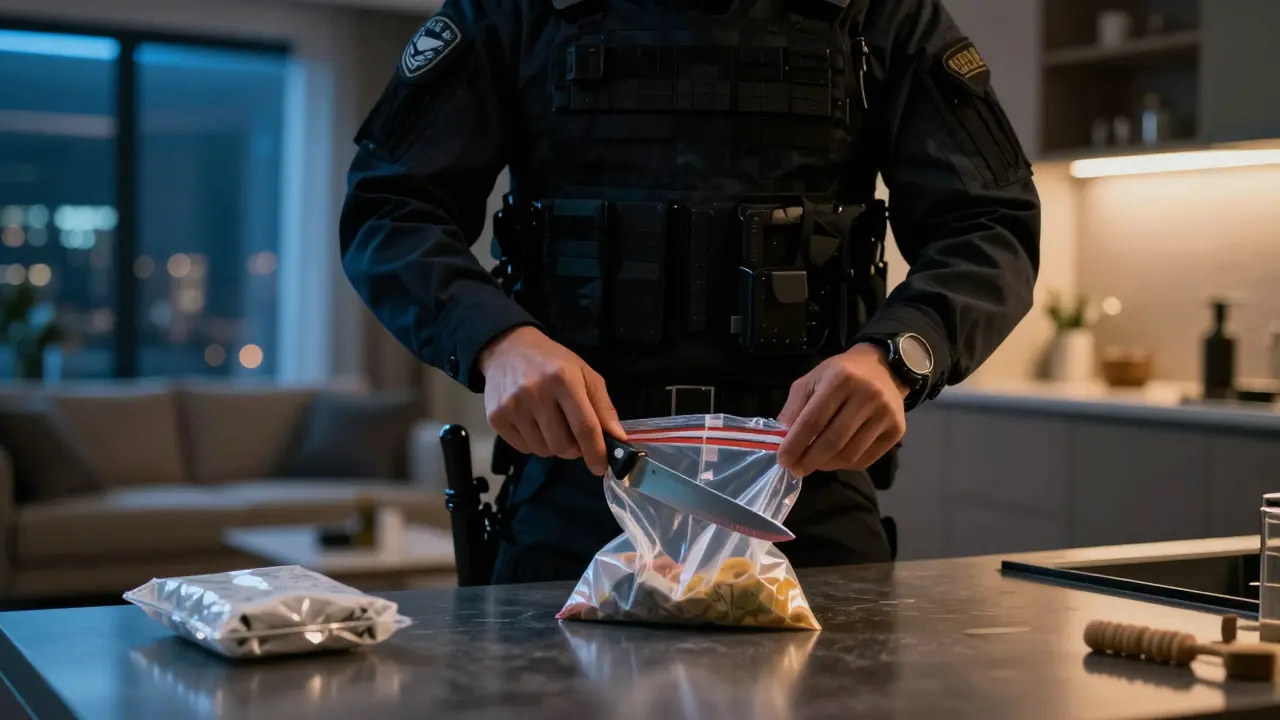
Imagine a detective finds a bloody knife at a crime scene. It matches the victim's DNA perfectly. The suspect has no alibi. But if the police officer who found it forgot to log it in the evidence locker or left it in a hot car for two days, that knife might not go into the jury box. This is the harsh reality of Evidence Admissibility is the legal process determining whether physical, digital, or testimonial proof can be presented to a judge or jury in a court of law. In 2026, this process is tighter than ever. Courts are less forgiving of sloppy handling and more skeptical of "junk science." Understanding these standards isn't just for lawyers; it’s crucial for investigators, lab technicians, and anyone involved in the justice system to ensure their hard work actually counts.
The Core Rules: Relevance and Prejudice
Before any specific rule applies, every piece of evidence must pass the basic gatekeeper test. Under Federal Rule of Evidence 401, evidence is relevant if it has any tendency to make a fact more or less probable than it would be without the evidence. That fact must be of consequence to the determination of the action. If it doesn't help prove guilt or innocence, it's out.
However, relevance is only half the battle. Rule 403 allows judges to exclude relevant evidence if its probative value is substantially outweighed by the danger of unfair prejudice, confusion of the issues, or misleading the jury. For example, showing a graphic photo of a victim might be highly relevant to proving cause of death, but if it serves only to shock the jury into an emotional verdict rather than helping them understand the medical facts, a judge might ban it. Balancing these two forces is the daily bread and butter of trial courts.
Chain of Custody: The Paper Trail That Saves Cases
You can have the most perfect forensic analysis in the world, but if you can't prove who touched the sample and when, the defense will tear it apart. Chain of custody is the chronological documentation or paper trail that records the seizure, control, transfer, analysis, and disposition of physical evidence. In 2026, while digital logs are becoming standard, the core principle remains: every handoff must be accounted for.
A break in the chain doesn't automatically mean the evidence is inadmissible, but it creates a huge burden on the prosecution to explain the gap. If a blood vial disappears from a fridge for four hours with no record, the defense argues contamination or tampering. To keep your case strong, follow these strict protocols:
- Document immediately: Note the date, time, location, and condition of the item upon collection.
- Secure packaging: Use appropriate containers (e.g., paper bags for biologicals to prevent mold, anti-static bags for electronics).
- Limited access: Only authorized personnel should handle the item. Every person who touches it signs the log.
- Digital verification: Many jurisdictions now require barcoding or RFID tagging to create an immutable audit trail.
The Daubert Standard: Policing Scientific Expertise
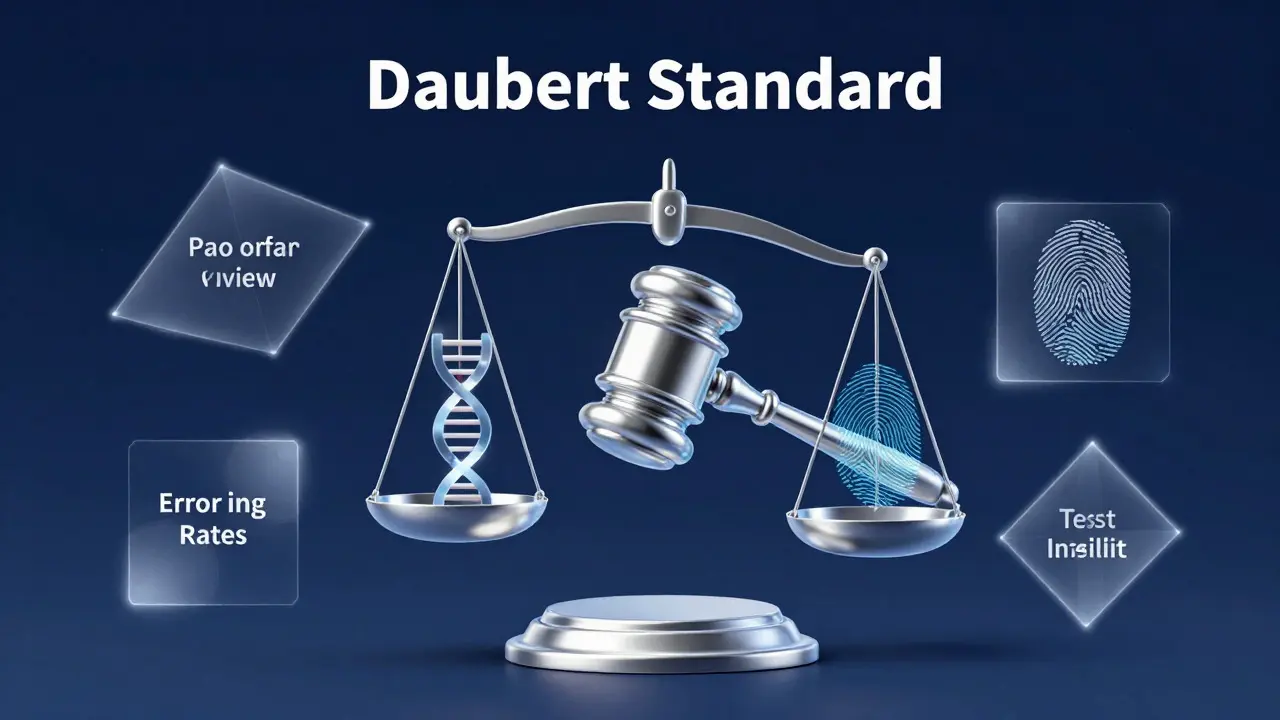
Not all expert testimony is created equal. Since the landmark 1993 Supreme Court case Daubert v. Merrell Dow Pharmaceuticals, federal courts (and many state courts) have required judges to act as gatekeepers for scientific evidence. The Daubert Standard is a judicial test used to determine the admissibility of expert witness testimony based on the reliability of the underlying methodology. Judges ask four key questions before letting an expert speak:
- Testability: Can the theory be tested? Is it falsifiable?
- Peer Review: Has the technique been subjected to peer review and publication?
- Error Rate: Is there a known or potential rate of error?
- General Acceptance: Is the technique generally accepted within the relevant scientific community?
In recent years, this standard has become particularly critical in areas like fingerprint analysis and bite mark comparisons, where older methods were challenged for lacking rigorous statistical backing. If a new forensic technology hasn't been validated through blind testing or inter-laboratory studies, it risks being excluded under Daubert.
Digital Evidence: The New Frontier
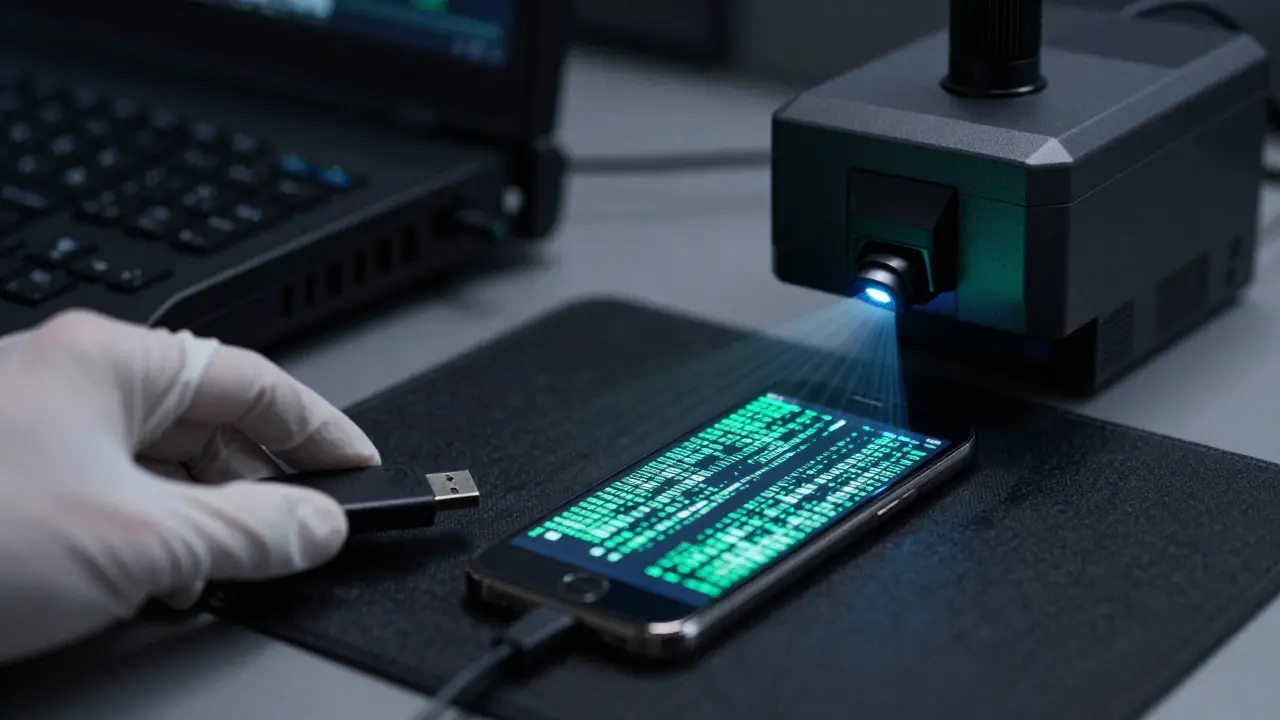
By 2026, most crimes leave a digital footprint. From smart home devices to cloud-stored photos, digital evidence is exploding. However, its admissibility hinges on authenticity and integrity. Unlike a physical object, digital data can be copied infinitely without degradation, which makes proving that the file in court is the same file found on the device tricky.
Courts rely on hash values (like MD5 or SHA-256) to verify integrity. A hash is a unique digital fingerprint of a file. If the hash changes, the file was altered. Investigators must capture the hash at the moment of seizure. Additionally, metadata-data about the data-is often more telling than the content itself. Exif data in photos, IP addresses in emails, and GPS pings from phones can place a suspect at a scene. But to be admissible, the method used to extract this data must be reliable and non-destructive. Using unverified software to pull data from a phone can lead to suppression if the defense proves the extraction process was flawed.
Hearsay vs. Direct Testimony
Most people think evidence means physical objects, but words matter too. Hearsay is an out-of-court statement offered to prove the truth of the matter asserted. Generally, hearsay is inadmissible because the original speaker isn't there to be cross-examined. However, there are dozens of exceptions. For instance, "excited utterances" made shortly after a startling event are admissible. If a witness screams, "He shot me!" seconds after being hit, that statement is likely admissible despite being hearsay, because the stress prevents fabrication.
On the other hand, direct testimony requires the witness to be present in court. This is where the Confrontation Clause of the Sixth Amendment comes in. If a witness died or moved abroad, their prior sworn testimony might still be usable, but only if the defendant had a prior opportunity to cross-examine them. Getting this wrong is a common reason for appeals and retrials.
Comparing Traditional vs. Digital Evidence Standards
While both types of evidence aim to prove the same facts, the legal hurdles differ significantly. Here is how they stack up in modern practice:
| Feature | Physical Evidence (e.g., DNA, Weapons) | Digital Evidence (e.g., Phones, Cloud Data) |
|---|---|---|
| Primary Risk | Contamination or Loss | Alteration or Corruption |
| Verification Method | Chain of Custody Logs | Hash Values & Metadata |
| Expert Requirement | Forensic Scientist (Daubert) | Digital Forensics Examiner (Reliability) |
| Common Defense Argument | Tampering or Mix-up | Extraction Error or Bias |
| Storage Needs | Climate Controlled Vaults | Secure Servers / Write-Only Media |
Practical Tips for Ensuring Admissibility
If you are working in law enforcement or forensic labs, small oversights can cost you a conviction. Here are actionable steps to keep your evidence bulletproof:
- Train on the latest tools: Technology changes fast. Ensure your team knows how to properly image a solid-state drive versus an older hard drive.
- Keep notes contemporaneous: Don't wait until the end of the shift to write down what happened. Memory fades, and gaps look suspicious.
- Consult early with prosecutors: Before running expensive tests, check with the DA's office. Sometimes, a simple witness statement is stronger than a complex lab report that might get challenged.
- Document the environment: If you collect evidence from a wet floor, note the humidity and temperature. Context matters for interpretation.
Frequently Asked Questions
What happens if the chain of custody is broken?
The evidence is not automatically thrown out. Instead, the prosecution must explain the gap. If they can show the break didn't affect the integrity of the item (e.g., the item was sealed during the missing time), it usually remains admissible. If they can't explain it, the judge may exclude it or give a jury instruction to weigh it cautiously.
Is cell phone data always admissible?
No. It depends on how it was obtained. If the police searched the phone without a warrant and without consent, it might be suppressed under the Fourth Amendment. If they had a warrant, the focus shifts to technical integrity. You must prove the data wasn't altered during extraction using hash values and proper forensic tools.
What is the difference between substantive and impeachment evidence?
Substantive evidence is used to prove a fact in issue (e.g., the defendant was at the scene). Impeachment evidence is used to attack the credibility of a witness (e.g., showing a witness lied before). Some rules allow more leeway for impeachment, meaning slightly weaker evidence might be admitted just to show a witness is unreliable, even if it wouldn't stand alone as proof of guilt.
Does the Daubert standard apply to all states?
Most states have adopted some version of the Daubert standard, but not all. Some states still use the older Frye standard, which focuses primarily on general acceptance in the scientific community. Always check your local jurisdiction's rules, as the threshold for admitting novel scientific techniques can vary significantly.
How long do I have to preserve digital evidence?
There is no single statutory deadline, but best practice is to preserve it until the final appeal is exhausted. This can take years. Digital media degrades over time, so storing data on stable, archival-grade media (like M-DISCs) is recommended rather than relying on standard USB drives or cloud storage that might change formats or go offline.