Tag: forensic pathology - Page 2
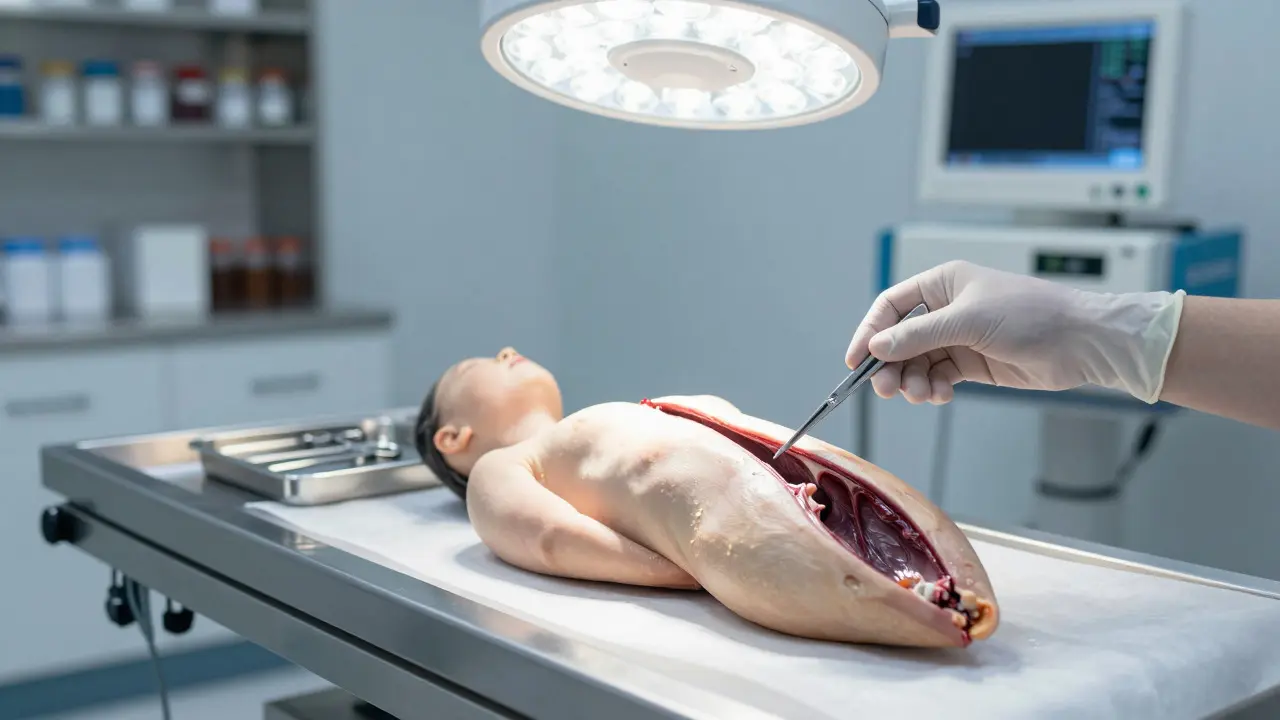
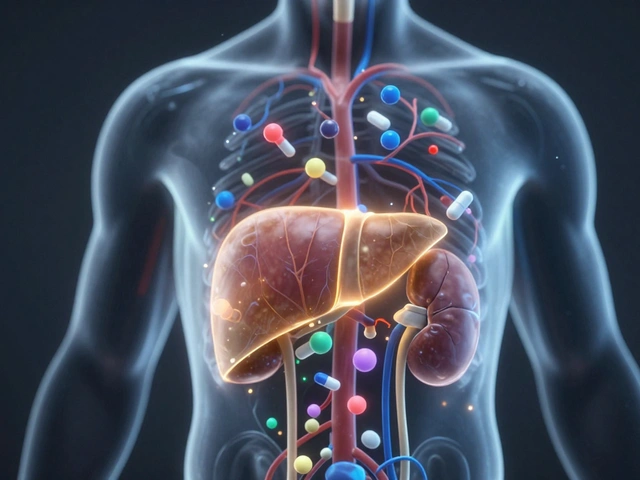
Organ Examination in Forensic Pathology: Systematic Analysis and Dissection Guide
- By : Ian Brophy
- Date : Aug 17 2026
Explore the systematic process of organ examination in forensic pathology. Learn how gross and microscopic analysis determine cause and manner of death.

Wound Analysis: How Forensic Pathologists Determine the Cause of Injury
- By : Ian Brophy
- Date : Aug 17 2026
Learn how forensic pathologists use wound analysis to determine the cause of injury. Explore blunt, sharp, and firearm trauma, plus tips on timing and common errors.

Smothering vs. Choking: Forensic Pathology Differentiation Guide
- By : Ian Brophy
- Date : Aug 17 2026
Learn how forensic pathologists distinguish between smothering and choking. This guide covers external signs, internal findings, and common diagnostic pitfalls in asphyxia cases.
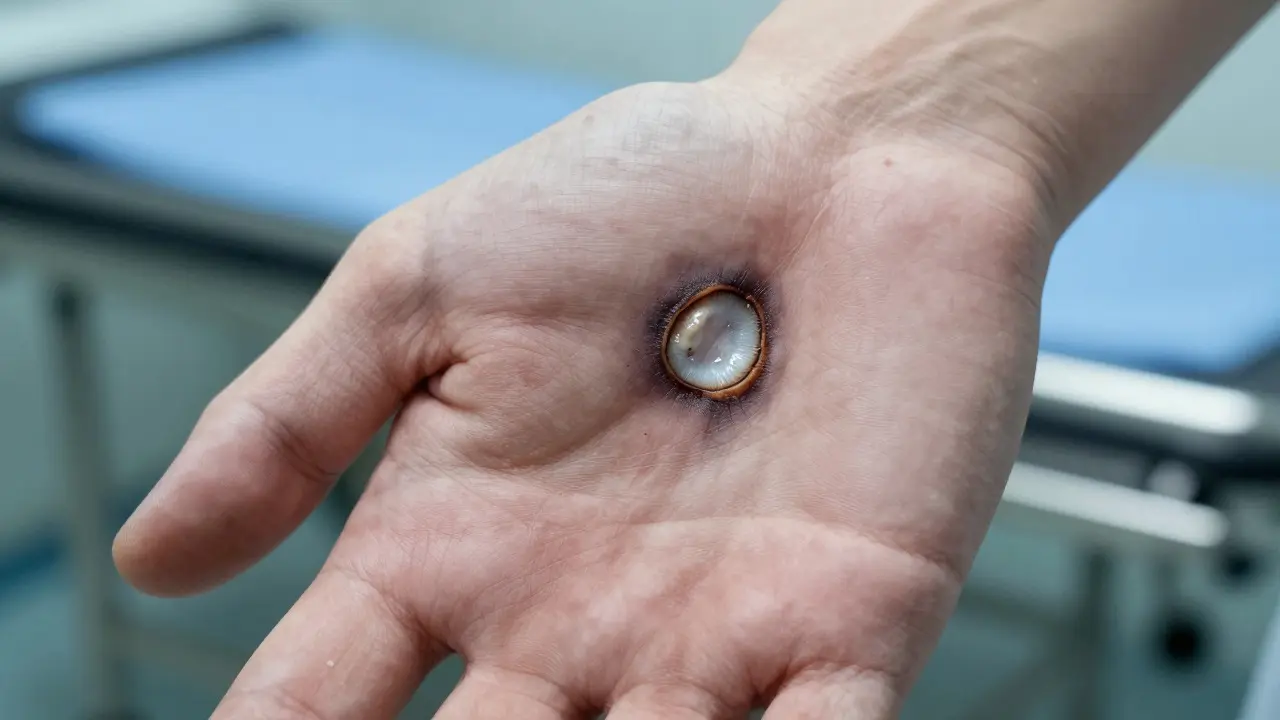
Electrical Injuries: Forensic Pathology Indicators and Diagnostic Signs
- By : Ian Brophy
- Date : Aug 16 2026
Learn how forensic pathologists identify electrical injuries through specific entry/exit wounds, internal organ damage, and distinct burn characteristics. A guide to key diagnostic signs.
Autopsy Types Explained: Full, Limited, and Forensic Differences
- By : Ian Brophy
- Date : Aug 16 2026
Learn the key differences between full, limited, and forensic autopsies. Understand how each type impacts cause of death determination and legal outcomes.

Body Measurement and Documentation in Autopsies: A Forensic Pathology Guide
- By : Ian Brophy
- Date : Aug 16 2026
Learn how forensic pathologists accurately measure and document bodies during autopsies. Discover best practices for handling post-mortem changes, using 3D scanning, and ensuring legal defensibility in death investigations.
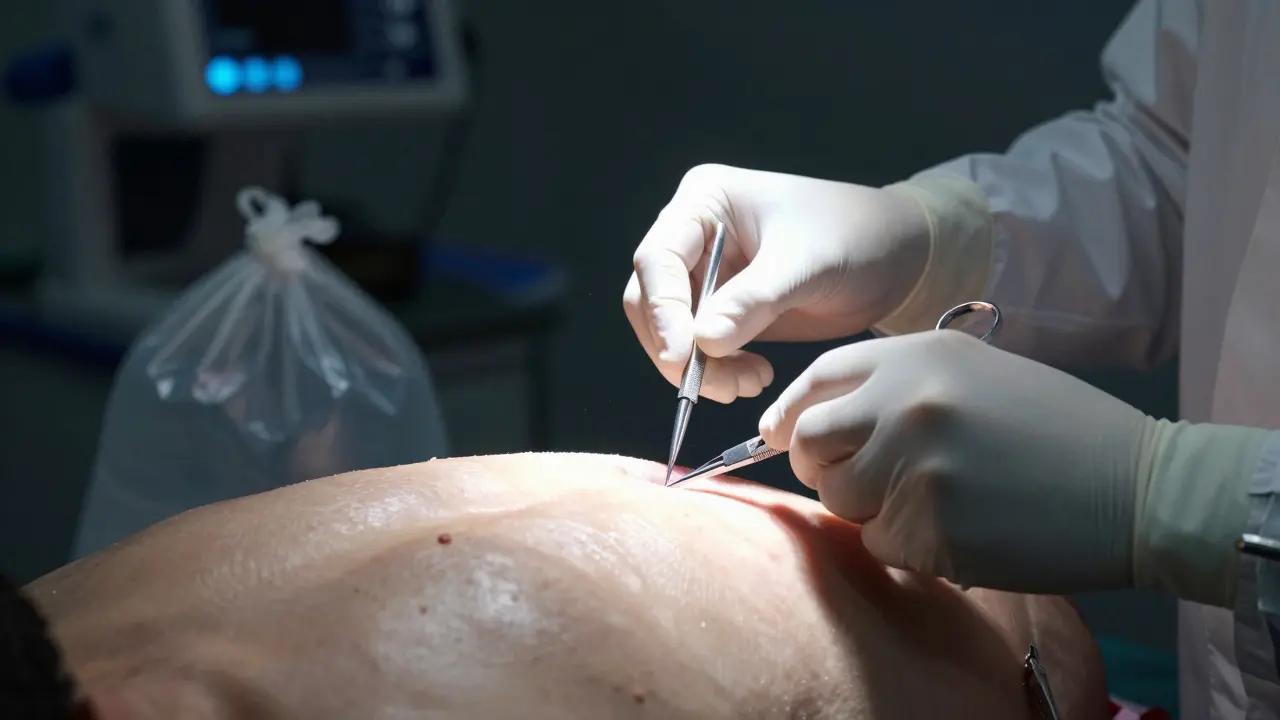
Forensic Pathology: How to Determine the Direct Cause of Death
- By : Ian Brophy
- Date : Aug 16 2026
Learn how forensic pathologists determine the direct cause of death using autopsies, toxicology, and histology. Understand the difference between immediate, direct, and underlying causes in legal contexts.
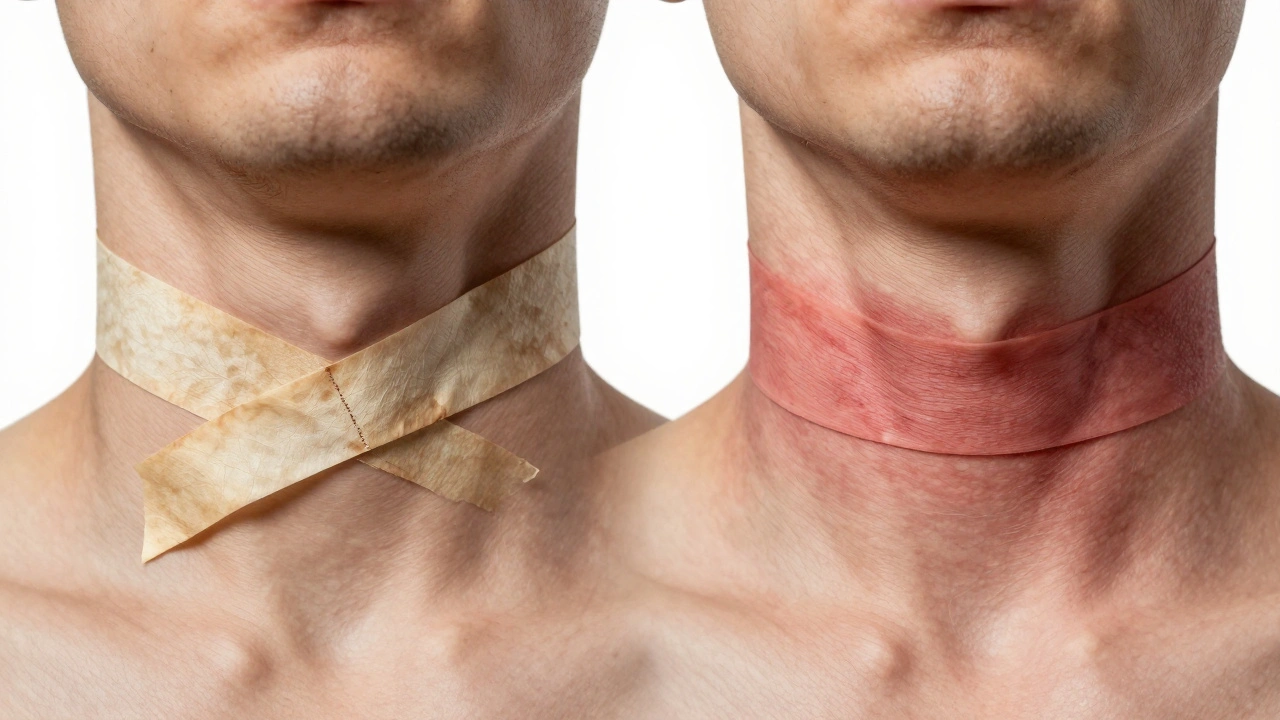
Hanging vs. Ligature Strangulation: Key Autopsy Distinctions for Forensic Pathologists
- By : Ian Brophy
- Date : Jun 2 2026
Learn the critical autopsy distinctions between hanging and ligature strangulation. We analyze ligature marks, internal neck injuries, and facial signs to determine manner of death.
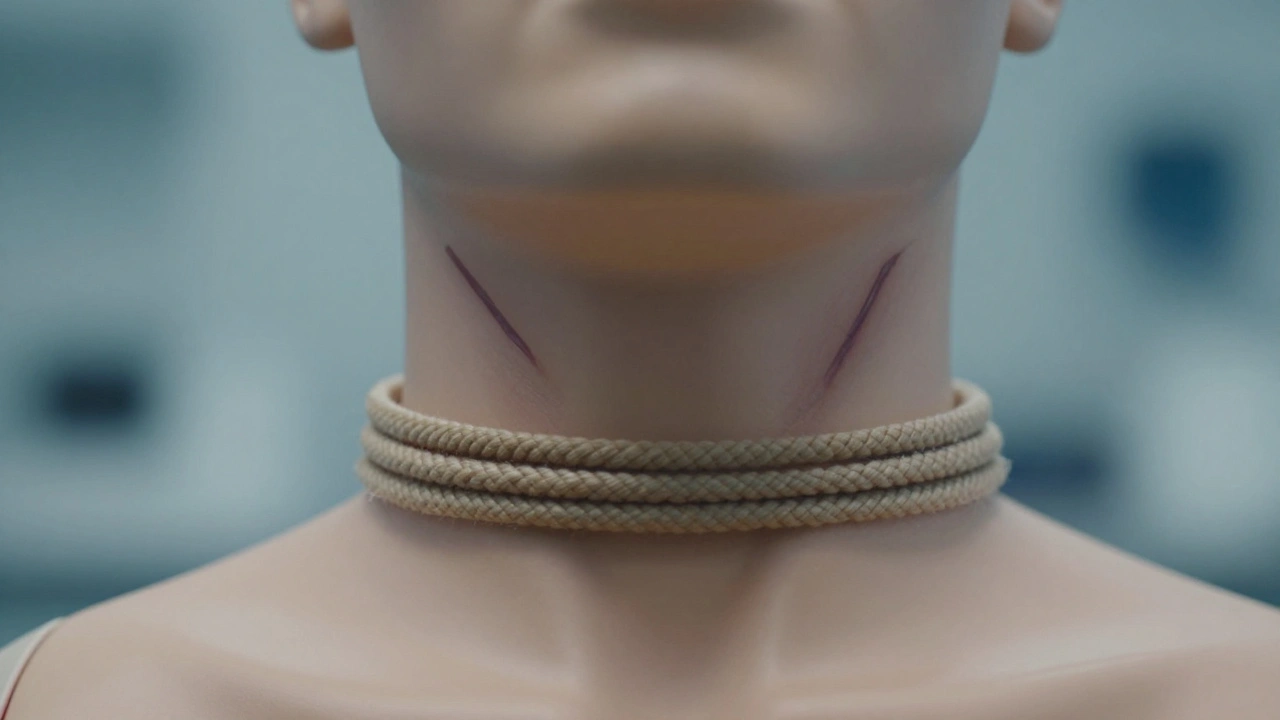
Hanging vs. Ligature Strangulation: Key Autopsy Distinctions
- By : Ian Brophy
- Date : Jun 2 2026
Learn how forensic pathologists distinguish between hanging and ligature strangulation through autopsy findings, including ligature mark position, internal neck injuries, and contextual clues.
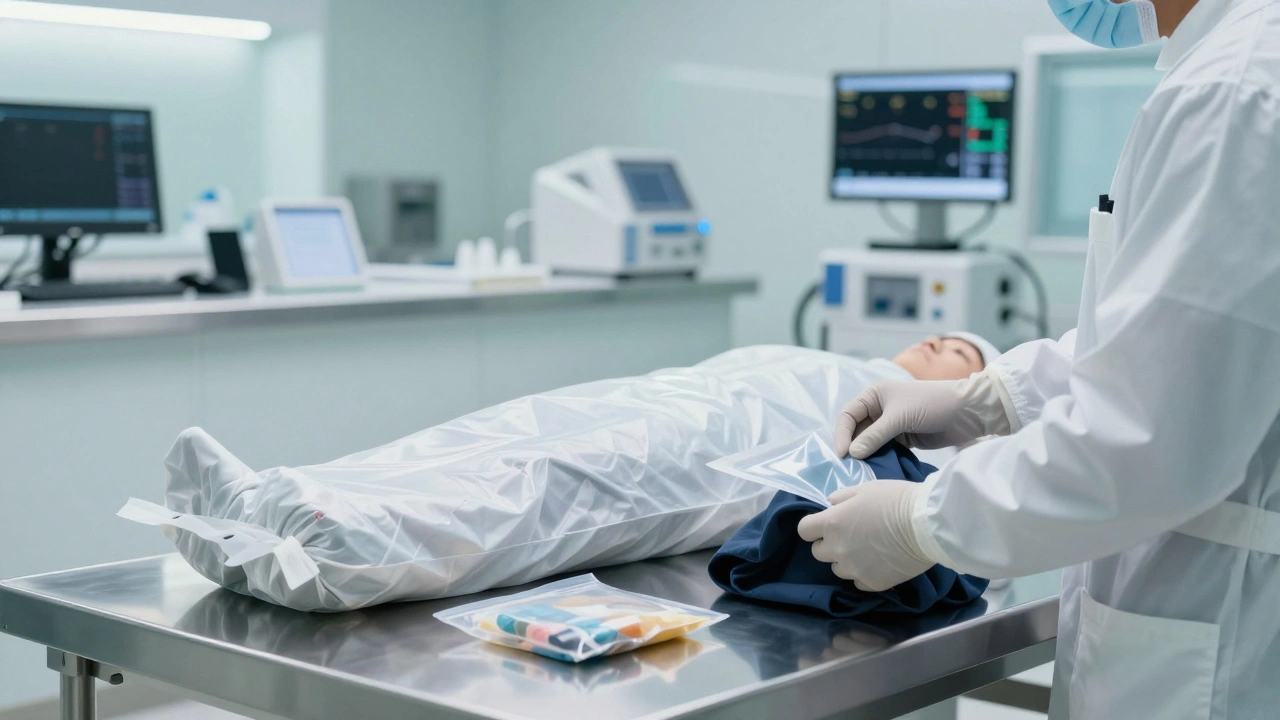
Forensic Autopsy: A Step-by-Step Procedural Guide
- By : Ian Brophy
- Date : May 27 2026
Explore the step-by-step process of a forensic autopsy, from initial evidence collection to final reporting. Learn how forensic pathologists determine cause and manner of death while preserving critical legal evidence.
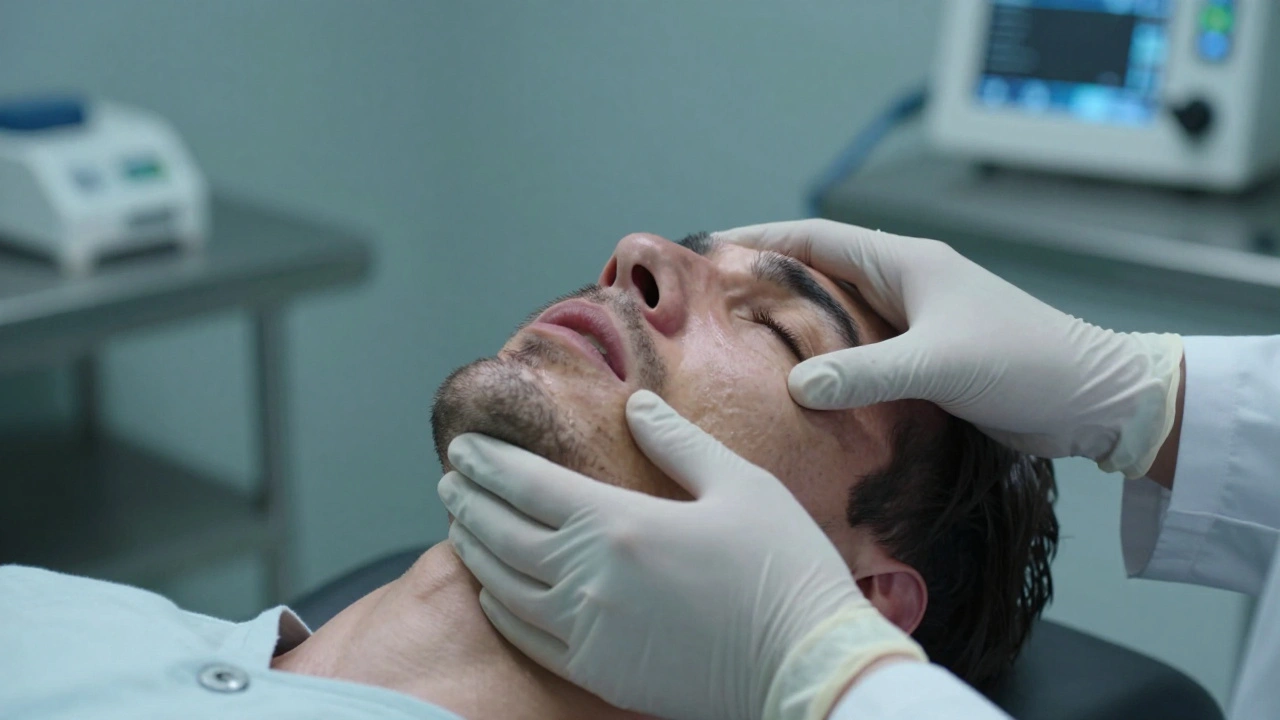
Rigor Mortis: Assessment and Significance in Forensic Pathology
- By : Ian Brophy
- Date : May 23 2026
Rigor mortis is not a precise clock for estimating time of death. Learn how forensic pathologists actually assess postmortem stiffness, why temperature matters, and how to avoid common errors in PMI estimation.
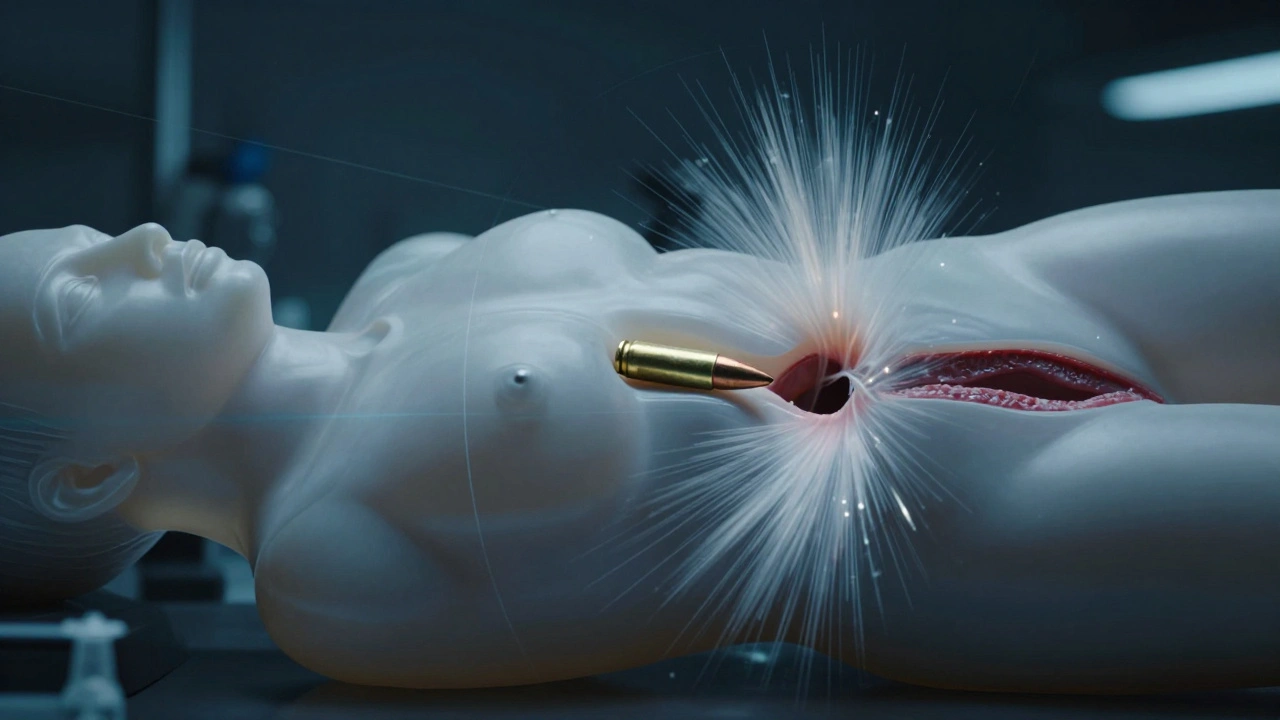
Gunshot Wound Analysis: Forensic Pathology Guide to Ballistics and Injury Patterns
- By : Ian Brophy
- Date : May 22 2026
Explore the science of gunshot wound analysis, covering terminal ballistics, entry vs. exit wound identification, range estimation, and forensic imaging techniques used in pathology.