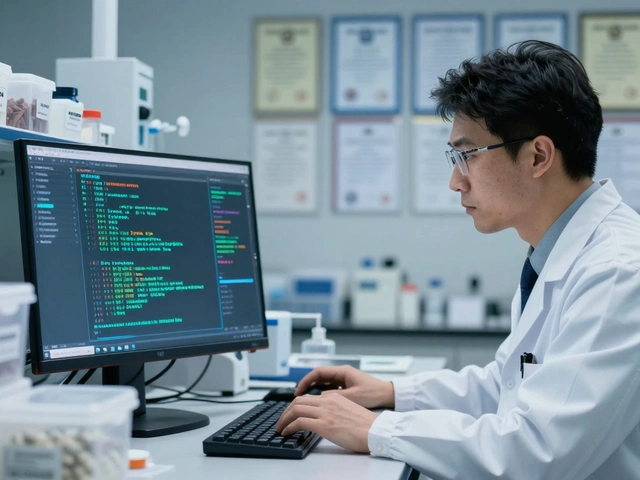
Category: Fire Investigation & Safety - Page 2
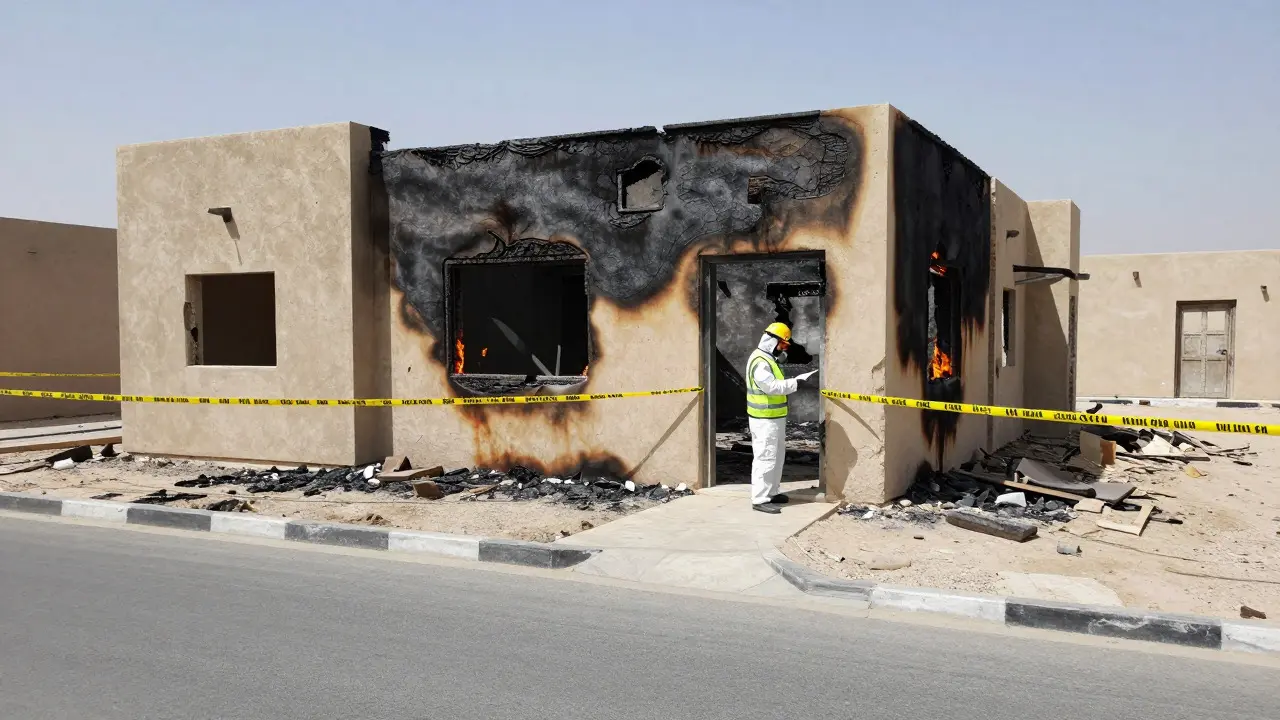
Scene Assessment: Evaluating Fire Damage and Extent
- By : Ian Brophy
- Date : Aug 17 2026
Learn how to conduct a thorough fire scene assessment. Discover key steps for evaluating structural integrity, mapping flame spread, and documenting evidence without contamination.
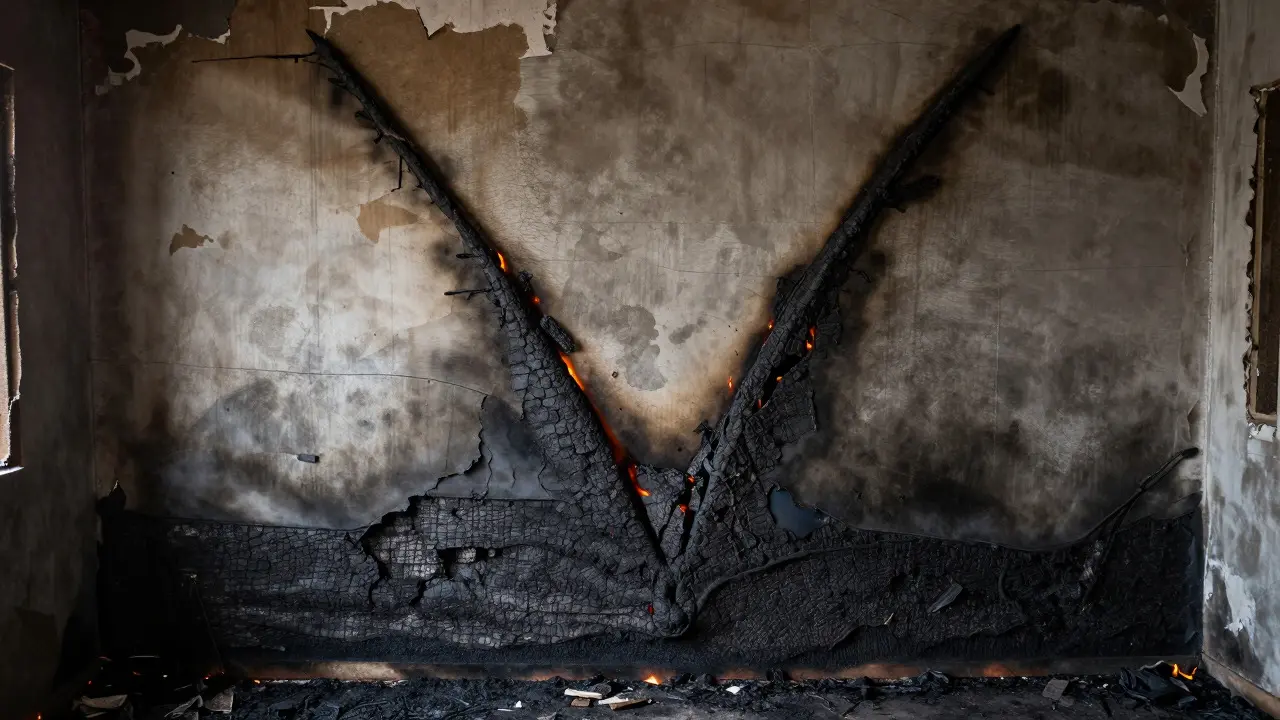
Structural Elements: How to Analyze Wall and Roof Damage in Fire Investigations
- By : Ian Brophy
- Date : Aug 16 2026
Learn how to analyze wall and roof damage in fire investigations. Discover key visual cues like V-patterns and soot gradients to distinguish accidental fires from arson.
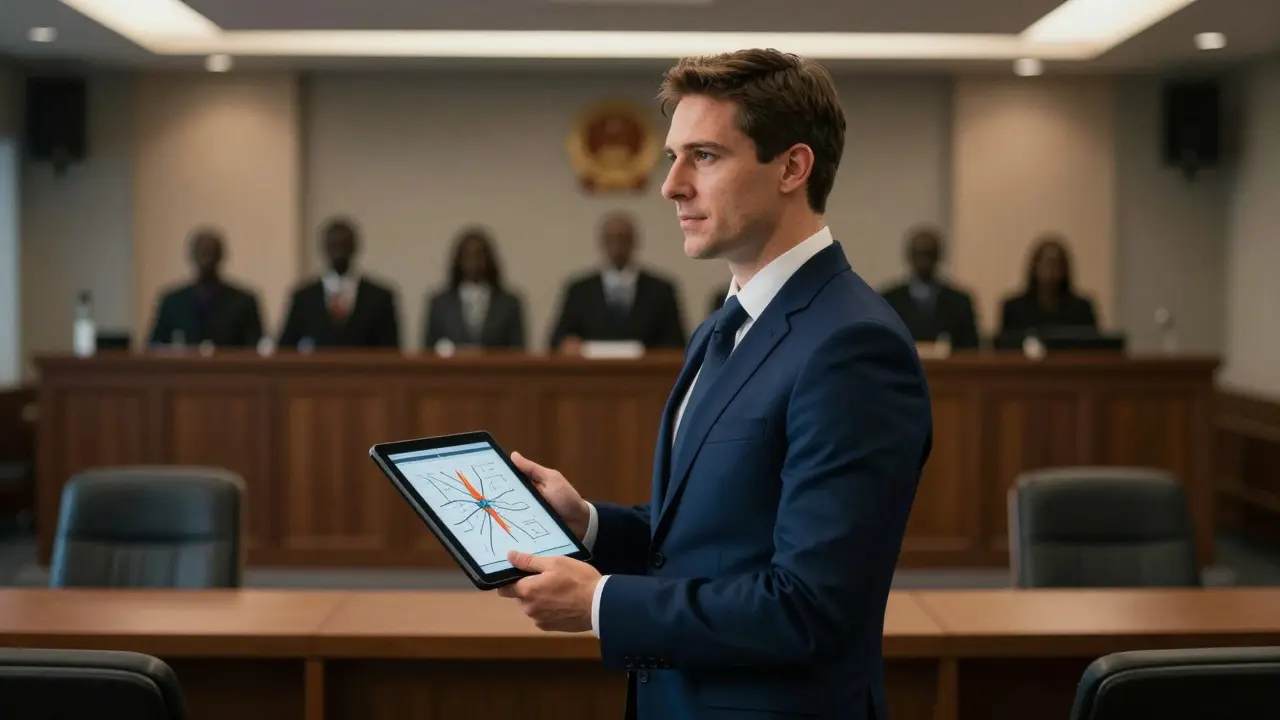
Expert Testimony: How to Present Fire Investigation Findings Effectively
- By : Ian Brophy
- Date : Aug 16 2026
Learn how to effectively present fire investigation findings in court. Discover strategies for translating complex science into clear testimony that wins credibility with juries.
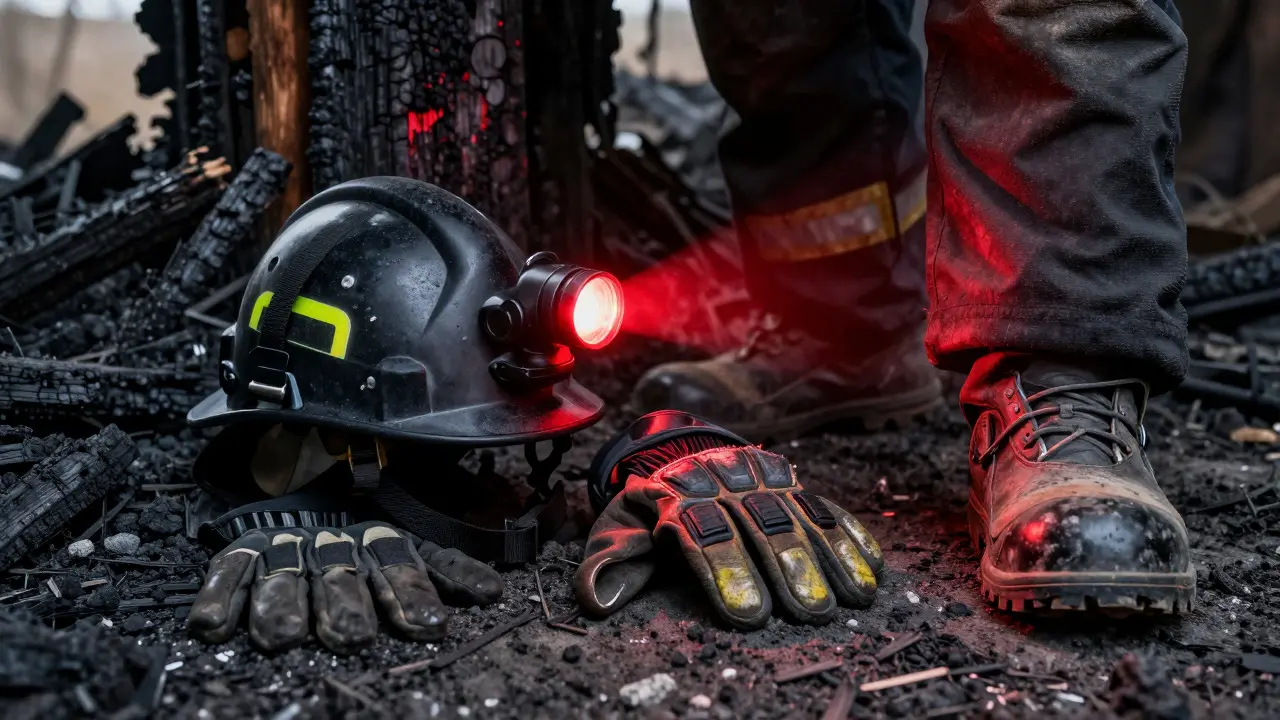
Fire Investigation Safety Equipment and Protocols: A Field Guide
- By : Ian Brophy
- Date : Aug 16 2026
Master the essential safety gear and protocols for fire investigators. Learn how to protect yourself from structural hazards and toxic air while preserving critical evidence.
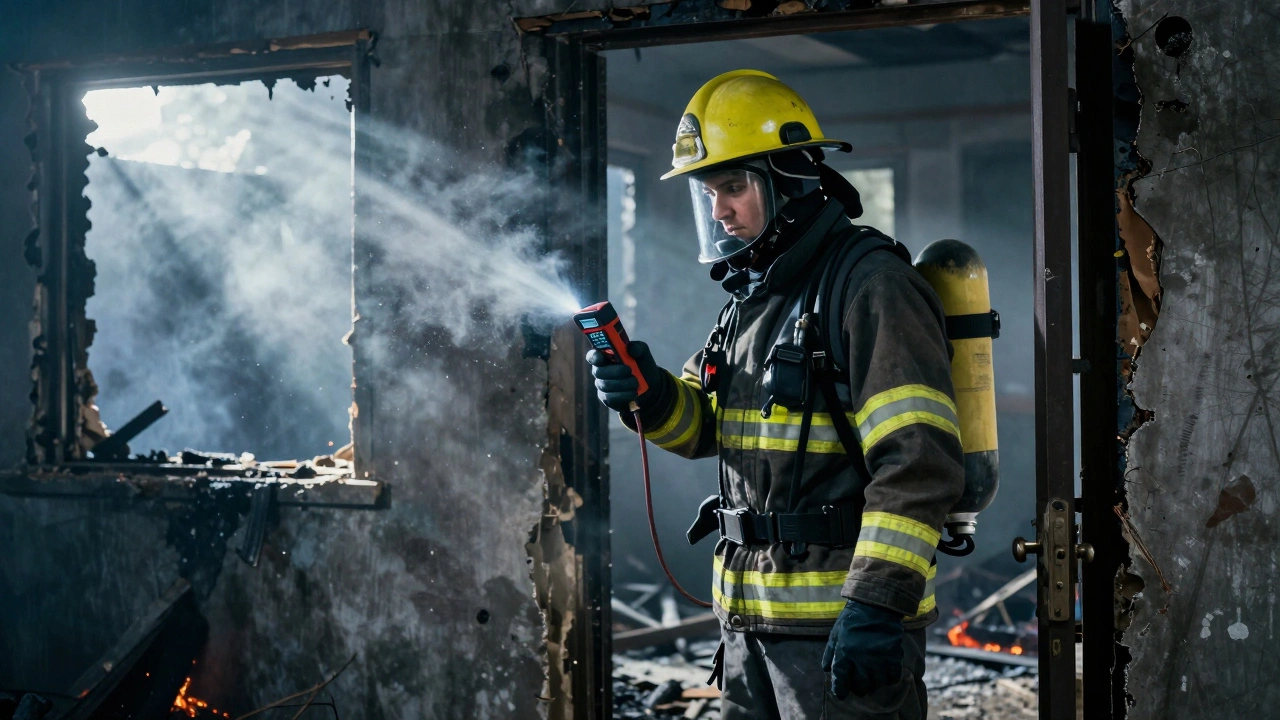
Gas and Propane Fire Investigation: Methods, Tools, and NFPA 921 Standards
- By : Ian Brophy
- Date : May 31 2026
Explore specialized methods for investigating gas and propane fires, including NFPA 921 standards, atmospheric monitoring, and forensic engineering techniques.
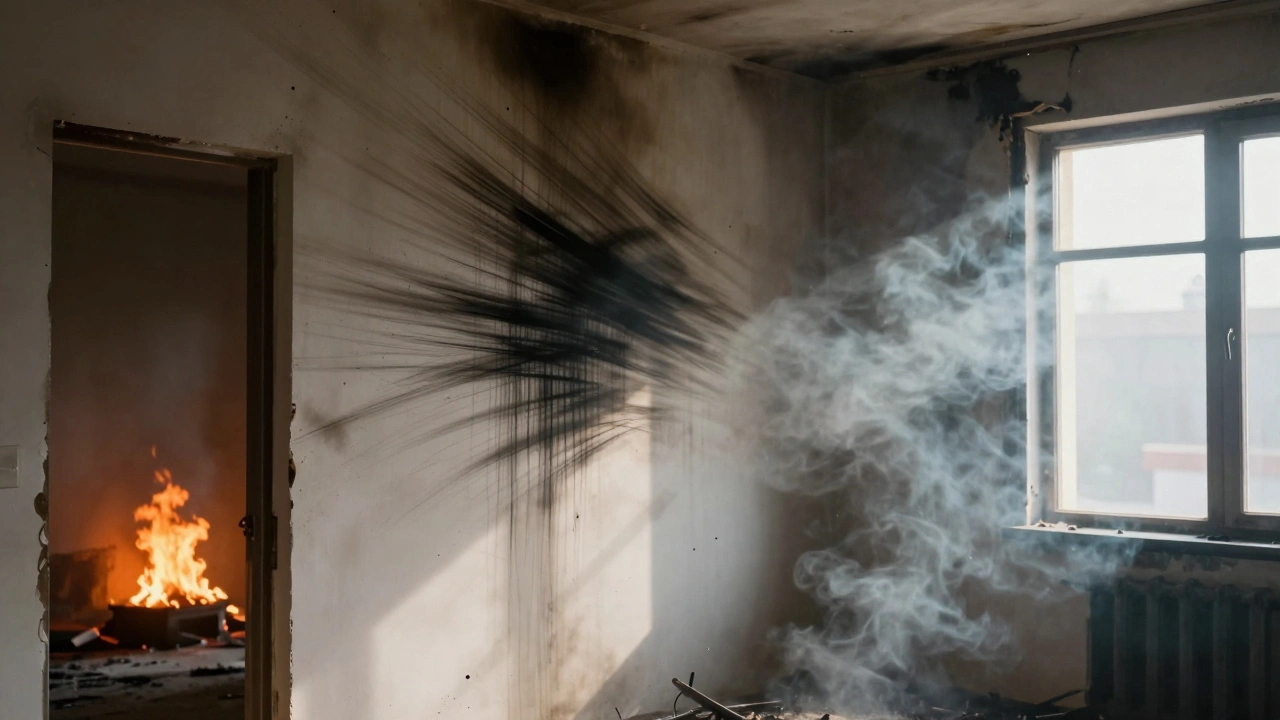
Soot and Smoke Movement: Ventilation-Driven Traces in Fire Investigation
- By : Ian Brophy
- Date : May 29 2026
Explore how ventilation drives soot and smoke movement, creating deceptive traces in fire scenes. Learn to distinguish airflow patterns from true origin indicators using modern forensic science.
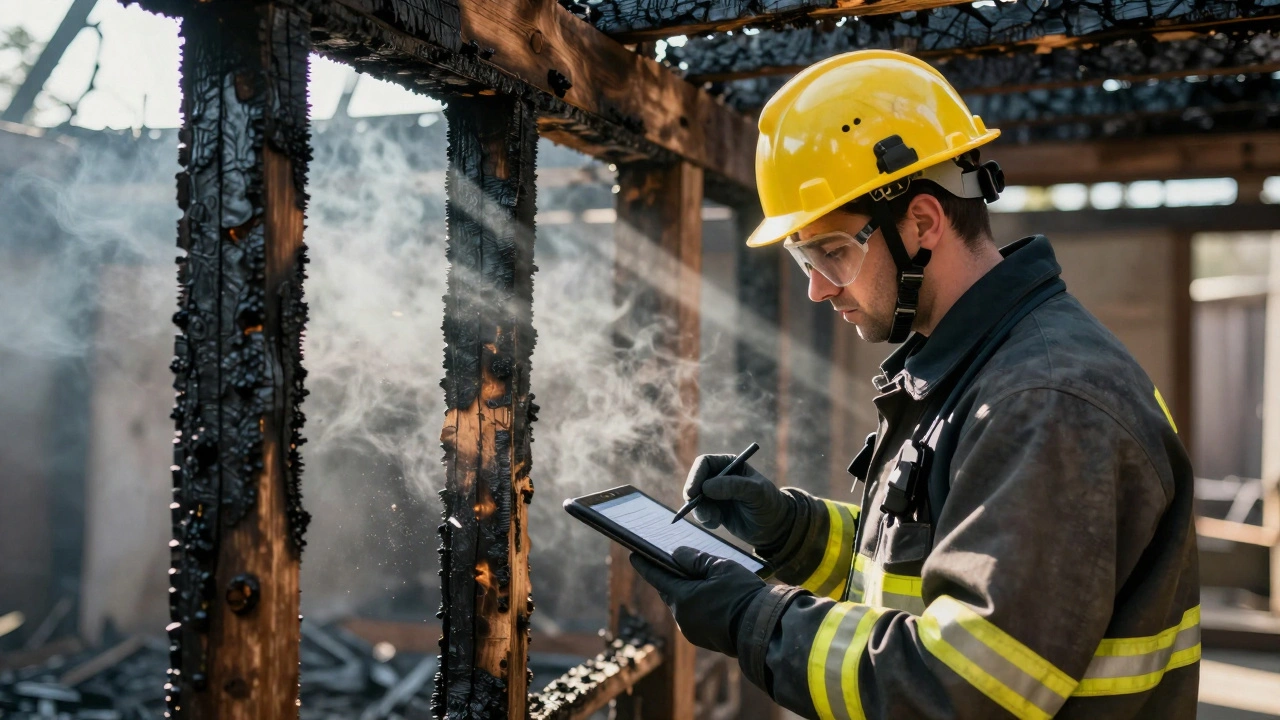
NFPA 921 and NFPA 1033: The Essential Standards for Fire Investigation
- By : Ian Brophy
- Date : May 19 2026
Explore how NFPA 921 and NFPA 1033 define the scientific method and professional qualifications for fire investigators, ensuring reliable and legally defensible results.
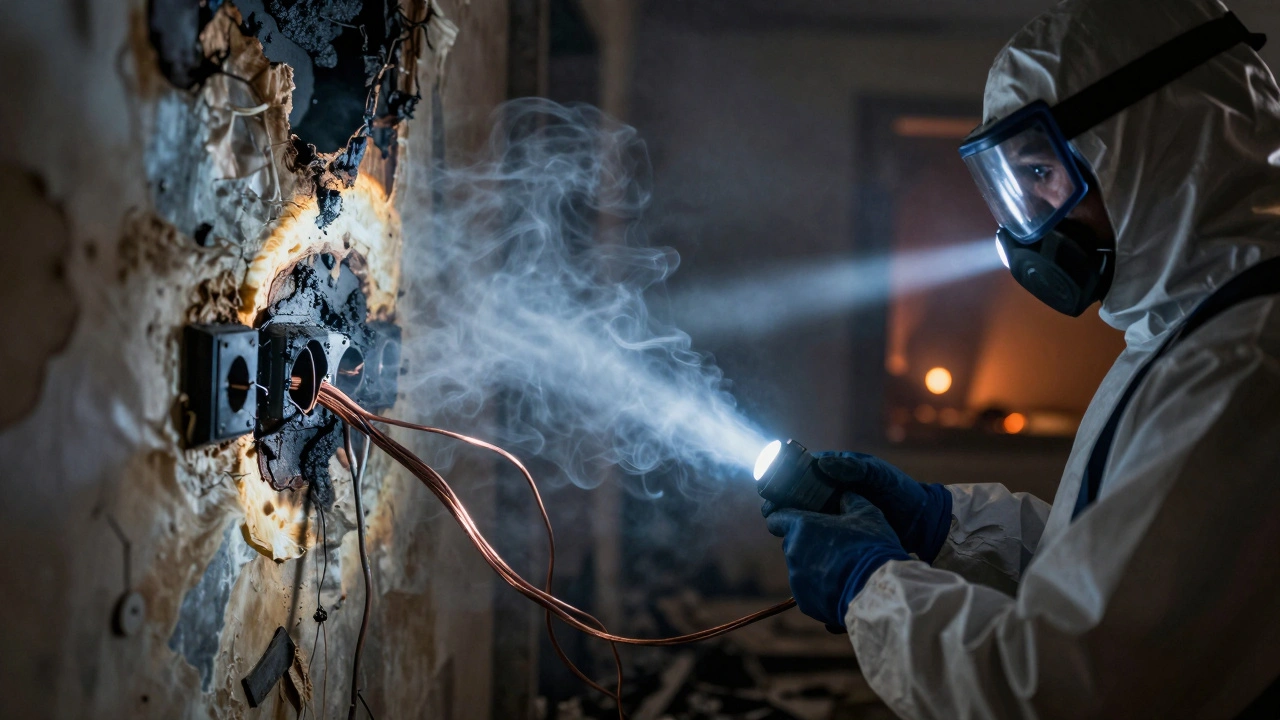
Electrical Fire Investigation: How to Identify Electrical Sources
- By : Ian Brophy
- Date : May 17 2026
Learn how to accurately identify electrical sources in fire investigations. This guide covers NFPA 921 standards, arc mapping, distinguishing pre-fire faults from post-fire damage, and key forensic indicators.
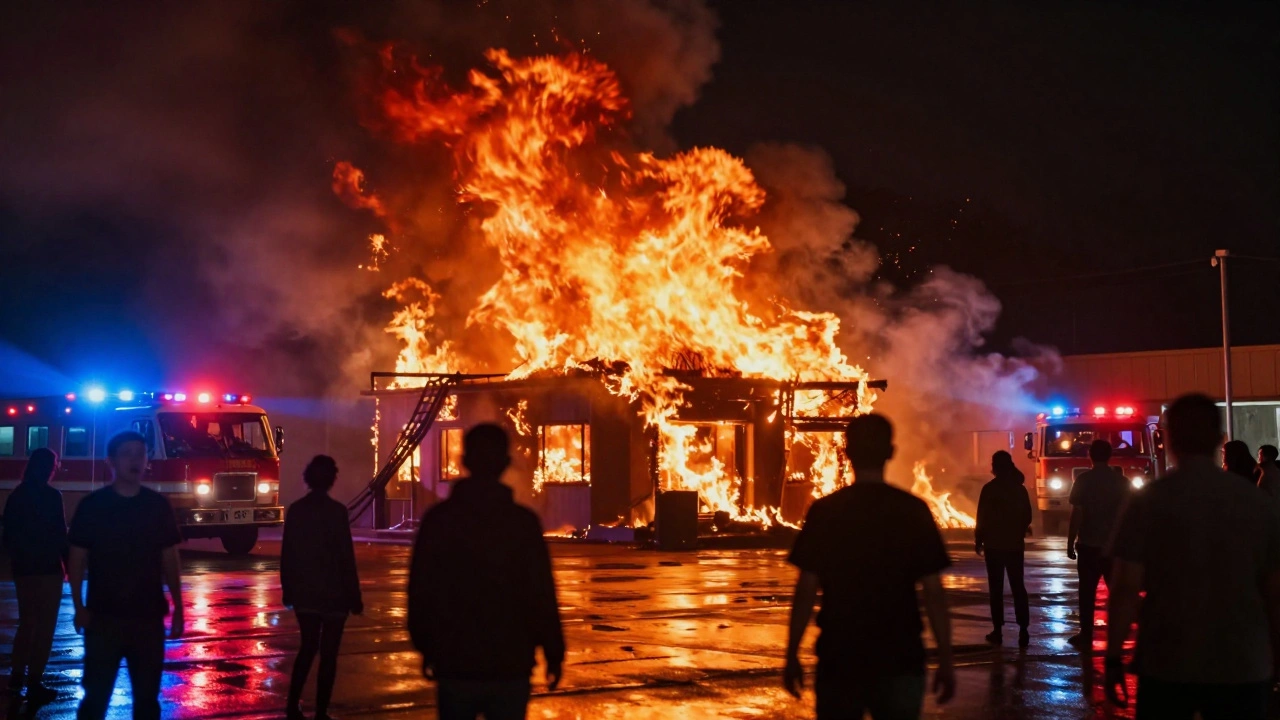
Witness Interviews in Fire Investigations: How to Get Accurate Statements from People at the Scene
- By : Ian Brophy
- Date : May 14 2026
Learn how to conduct effective witness interviews during fire and arson investigations. Discover best practices for gathering accurate statements, avoiding common pitfalls, and documenting crucial scene details.
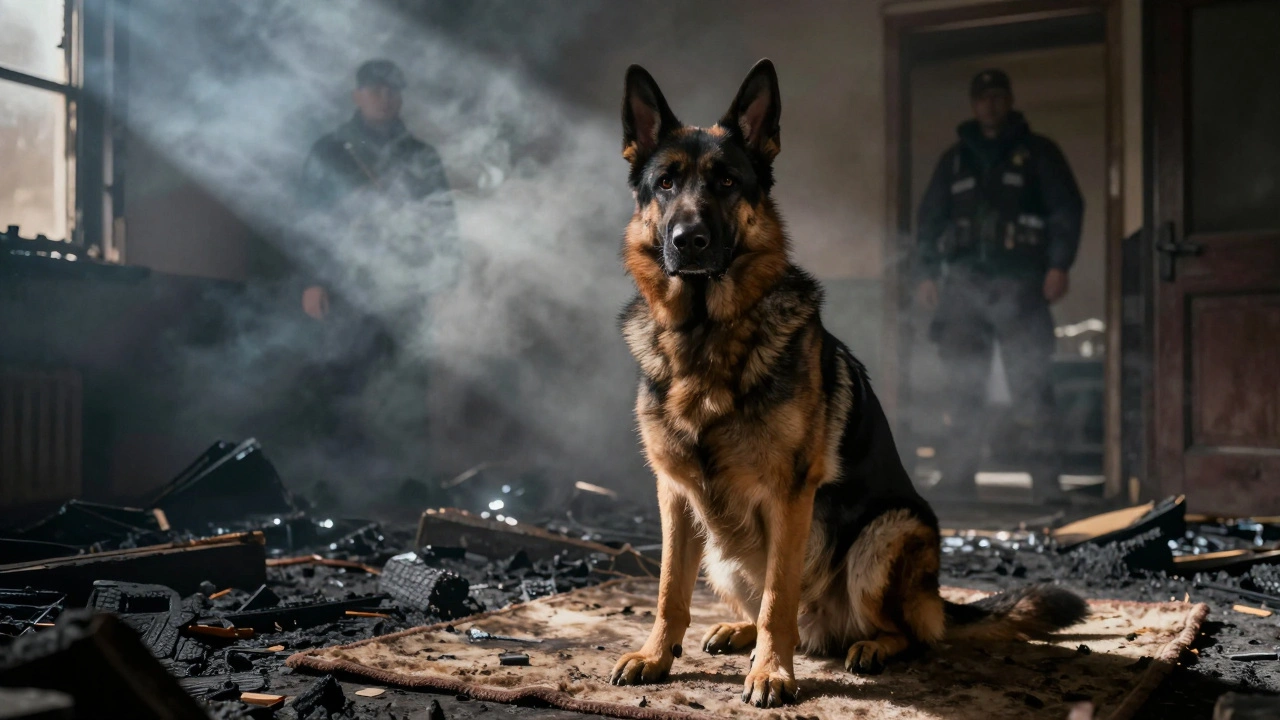
Canine Accelerant Detection: How K9s Find Arson Evidence and Pass Legal Validation
- By : Ian Brophy
- Date : May 10 2026
Explore how canine accelerant detection works in arson investigations, from scientific validation and training protocols to legal admissibility under Daubert and Frye standards.
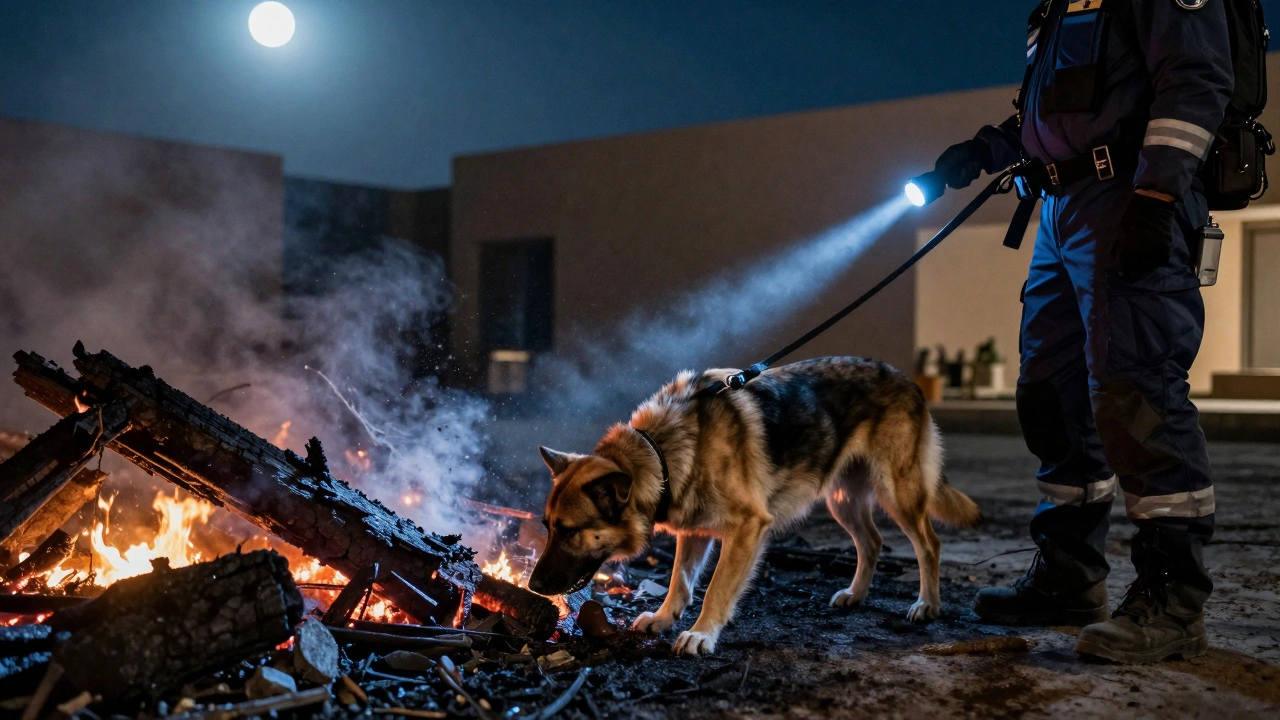
Accelerant Detection: How Investigators Identify Ignitable Liquids
- By : Ian Brophy
- Date : May 4 2026
Learn how fire investigators detect accelerants using dogs, electronic sniffers, and GCMS lab analysis to identify ignitable liquids in arson cases.
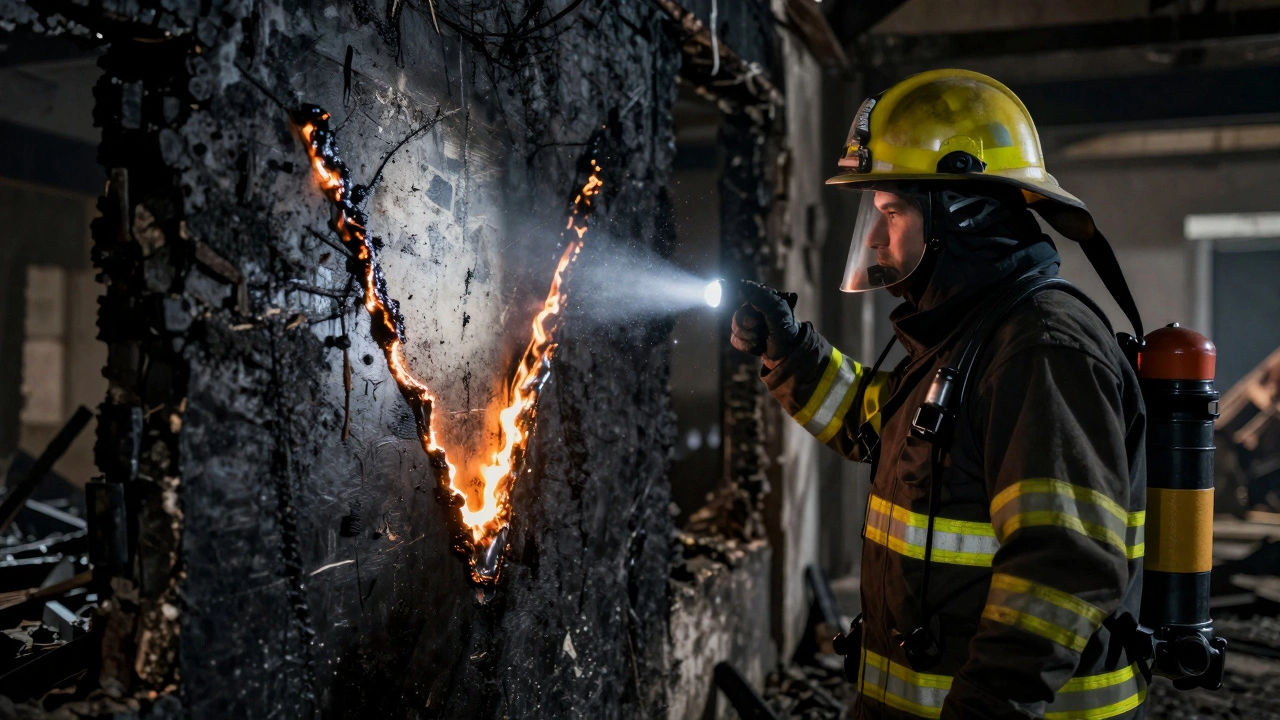
Accidental vs. Intentional Fires: How Investigators Determine Cause
- By : Ian Brophy
- Date : May 1 2026
Learn how fire investigators distinguish between accidental and intentional fires using scientific methods, burn pattern analysis, and origin identification. Understand key signs of arson vs. common household fire causes.