Tag: chain of custody
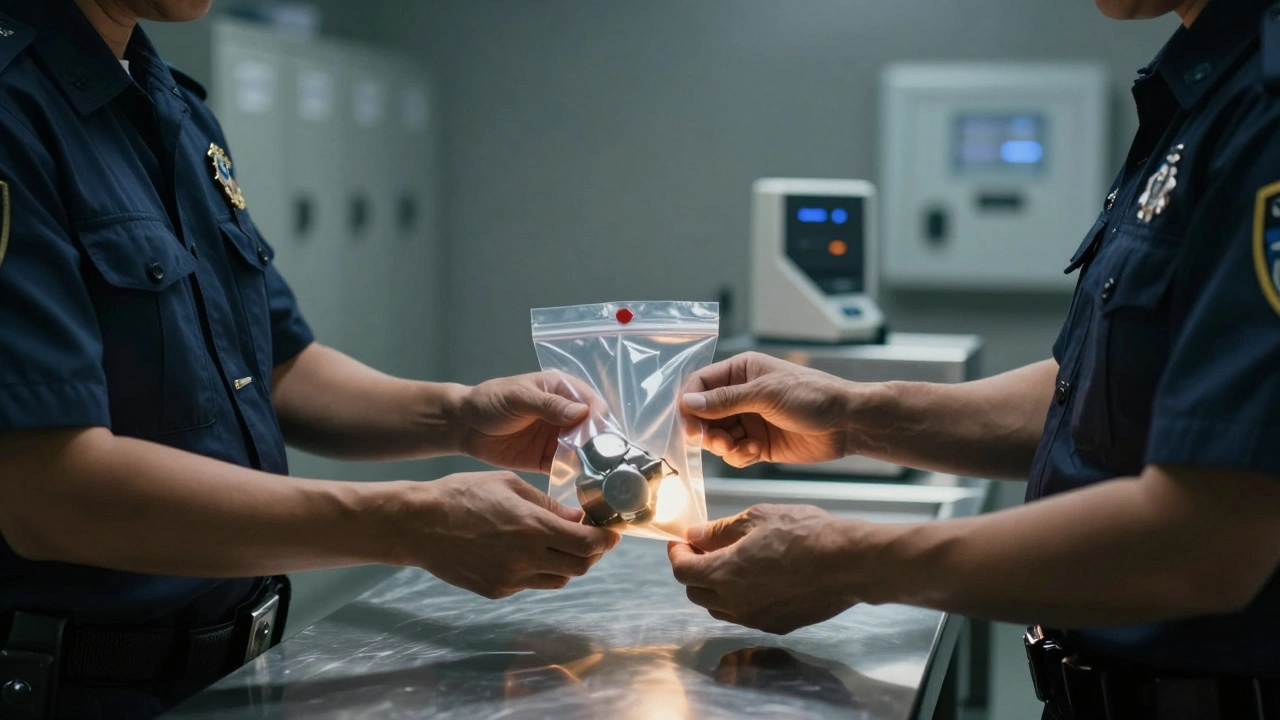
Long-Term Evidence Storage and Chain of Custody Maintenance Guide
- By : Ian Brophy
- Date : Mar 28 2026
Learn the critical steps for maintaining chain of custody during long-term evidence storage. This guide covers NIST standards, documentation requirements, and preventing evidence contamination.

Common Mistakes in Crime Scene Investigation and How to Avoid Them
- By : Ian Brophy
- Date : Mar 25 2026
Explore the critical mistakes in crime scene investigation that can ruin a case, from contamination to documentation errors. Learn practical steps to secure the scene, maintain chain of custody, and ensure evidence integrity.

Chain of Custody for Workplace Toxicology Programs: How It Keeps Drug Tests Legally Sound
- By : Ian Brophy
- Date : Mar 21 2026
Chain of custody ensures workplace drug tests are legally valid by tracking every step of specimen handling. Without it, results can be thrown out, leading to lawsuits and wrongful terminations. This guide explains how the DOT-mandated CCF works, why the MRO matters, and how to avoid common failures.
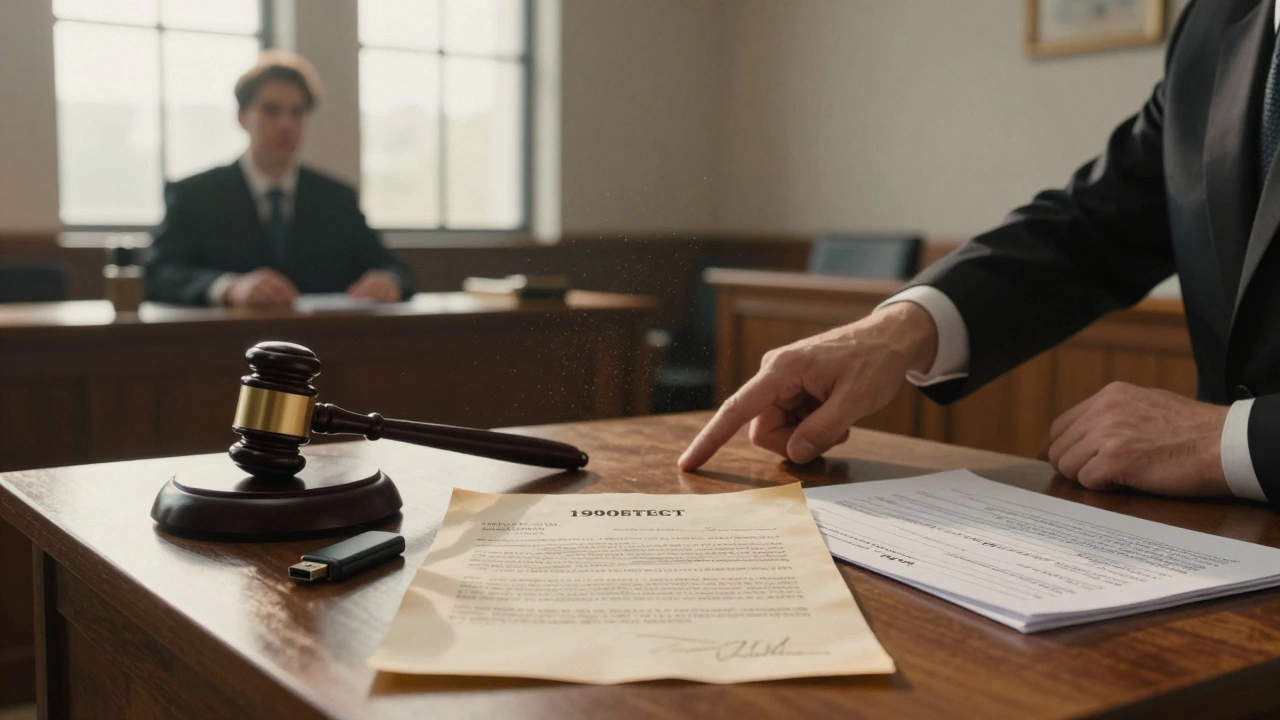
Foundational Questions: Establishing Evidence Authentication in Court
- By : Ian Brophy
- Date : Mar 20 2026
Evidence authentication is the legal gate that determines whether an item can be presented in court. It doesn't prove truth-it proves identity. Learn how witnesses, distinctive traits, and chain of custody make evidence admissible.
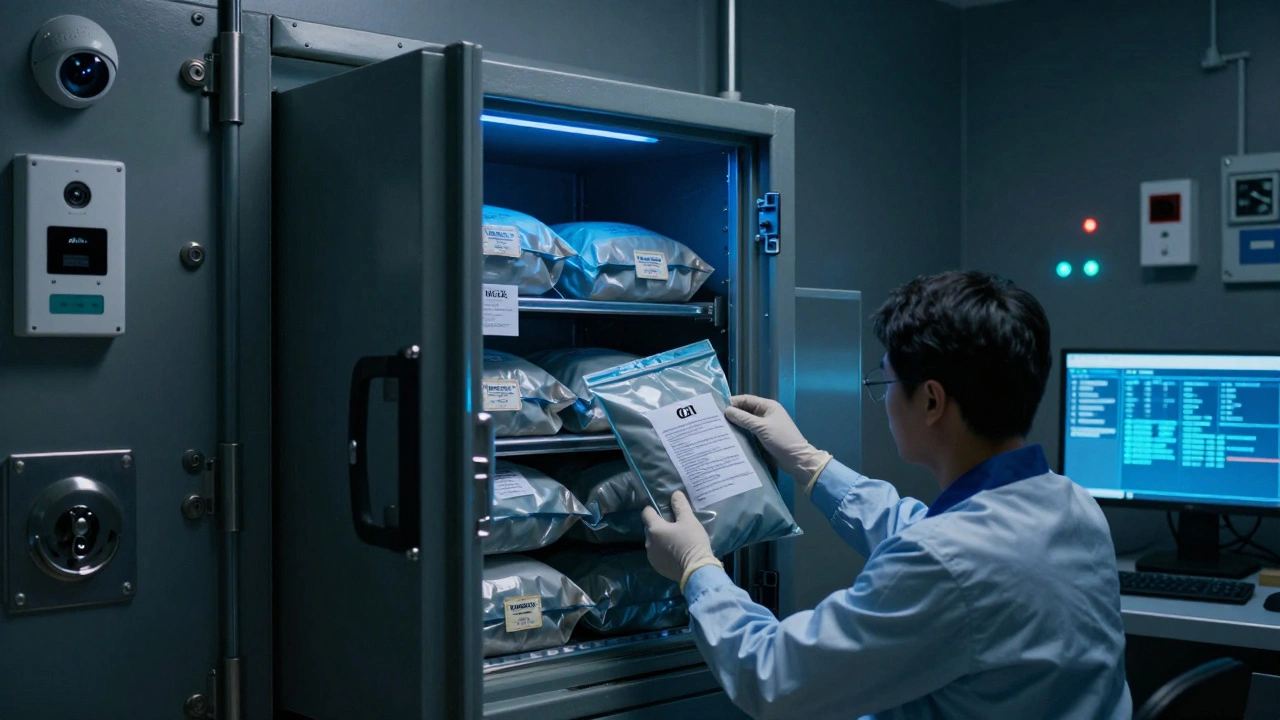
Security Audits: How to Protect Physical and Digital Evidence with Proven Frameworks
- By : Ian Brophy
- Date : Mar 17 2026
Learn how physical and digital evidence protection through security audits ensures forensic integrity, legal admissibility, and compliance. Essential for labs, law enforcement, and forensic teams.
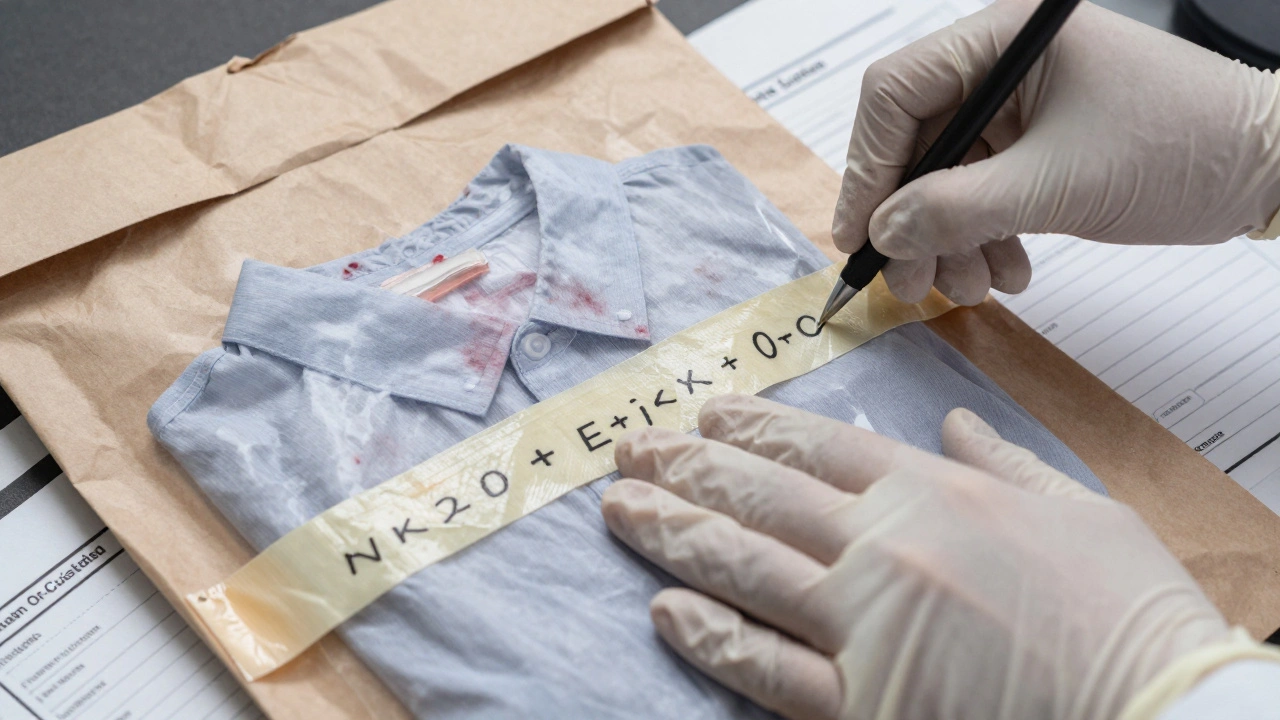
Chain Seals: Documenting Evidence Openings and Reseals in Forensic Investigations
- By : Ian Brophy
- Date : Mar 6 2026
Chain seals are a critical part of evidence handling in forensic investigations. Proper sealing, labeling, and documentation ensure evidence remains untampered from crime scene to courtroom. Missing steps can destroy a case.

Proper Evidence Collection Techniques: Complete Guide for Law Enforcement
- By : Ian Brophy
- Date : Feb 27 2026
Learn the essential techniques for collecting, documenting, and preserving evidence at crime scenes. From chain of custody to proper packaging, this guide covers what law enforcement officers must do to ensure evidence is admissible in court.

Custody for Biological Samples: Temperature and Timing Protocols Explained
- By : Ian Brophy
- Date : Feb 25 2026
Proper custody of biological samples depends on strict temperature control and timing. Learn how different storage temperatures affect DNA, RNA, and tissue integrity-and why freeze-thaw cycles can ruin samples.

Evidence Packaging Materials: How to Choose the Right Containers for Forensic Integrity
- By : Ian Brophy
- Date : Feb 21 2026
Choosing the right evidence containers isn't optional-it's essential for preserving forensic integrity. Learn how kraft paper, plastic bags, and cardboard boxes must be selected, sealed, and labeled to maintain chain of custody and ensure courtroom admissibility.
Foundation for Business Records in Digital Forensics: What Makes Evidence Admissible in Court
- By : Ian Brophy
- Date : Feb 17 2026
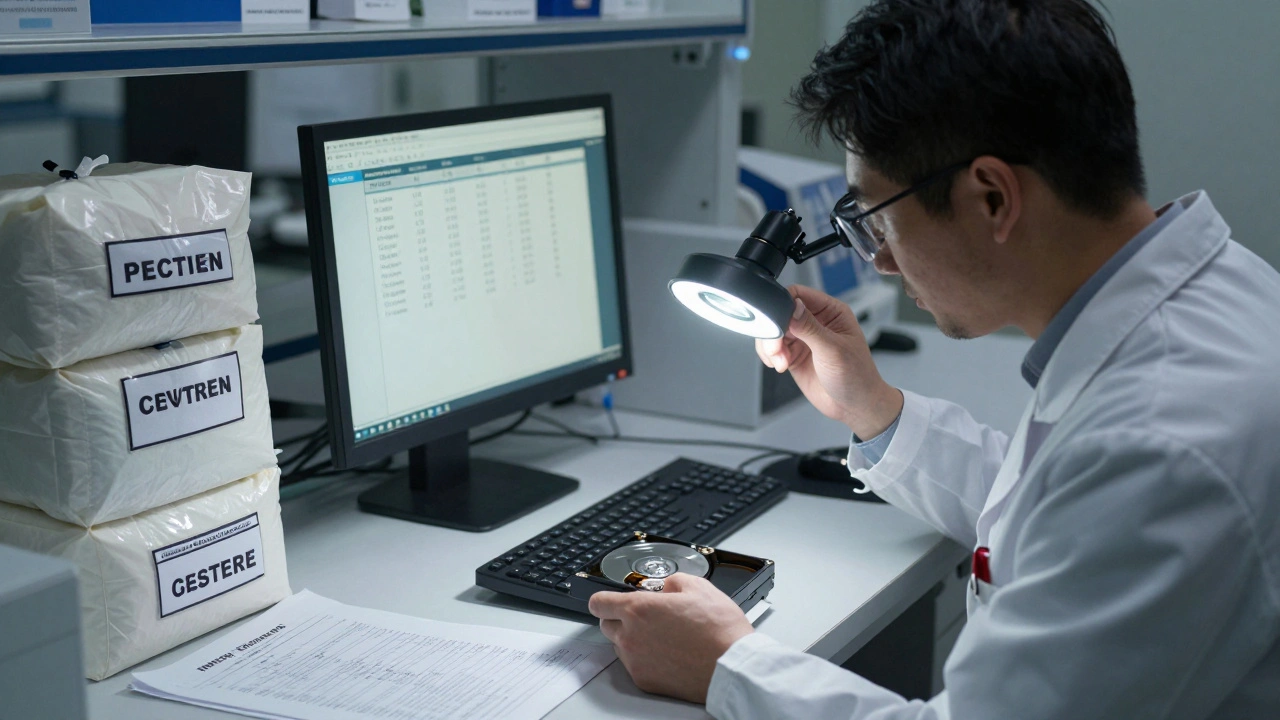
Business records in digital forensics must meet strict legal standards to be admissible in court. Learn the three key requirements under Rule 803(6), why chain of custody is non-negotiable, and how to build a foundation that holds up under legal scrutiny.

Chain of Custody Standards: Laboratory Requirements
- By : Ian Brophy
- Date : Feb 15 2026
Chain of custody standards ensure lab specimens are tracked from collection to disposal with legal defensibility. Learn the key requirements for documentation, security, and accreditation that keep test results valid and trustworthy.

Multi-Jurisdiction Evidence: Chain of Custody Challenges in Criminal Cases
- By : Ian Brophy
- Date : Feb 12 2026
Multi-jurisdiction evidence cases face serious chain of custody risks when evidence crosses agency lines. Missing logs, inconsistent protocols, and poor digital handling can lead to evidence being thrown out-ending cases and letting guilty parties walk free.