Behind the Crime Scene - Page 29
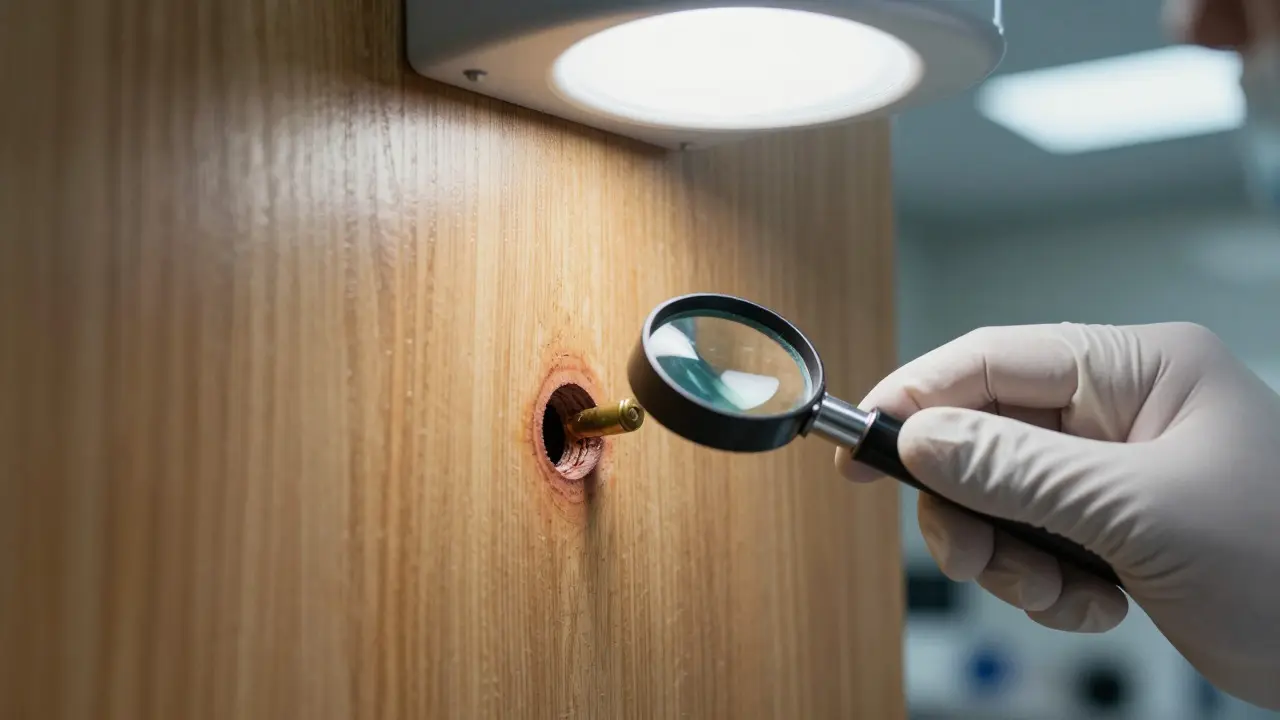
Muzzle-to-Target Distance Analysis: A Forensic Ballistics Guide
- By : Ian Brophy
- Date : Aug 17 2026
Learn how forensic experts determine muzzle-to-target distance using GSR analysis, wound morphology, and visual cues. Essential guide for understanding ballistic evidence.
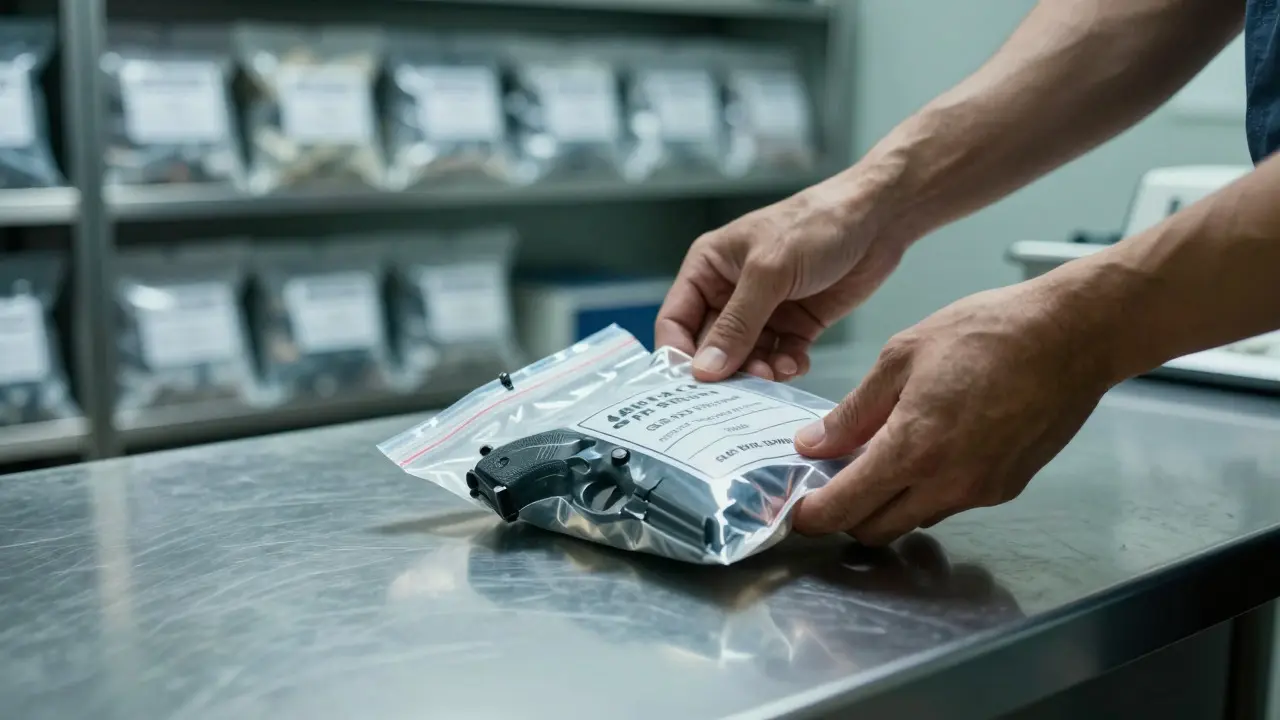
Temporary Custody: Short-Term Evidence Sign-Out Protocols
- By : Ian Brophy
- Date : Aug 17 2026
Master the protocols for temporary evidence custody. Learn how to maintain an unbroken chain of custody during short-term sign-outs to ensure admissibility in court.
Eyewitness Reliability: Memory, Psychology & Criminal Profiling
- By : Ian Brophy
- Date : Aug 17 2026
Discover how stress, suggestion, and memory reconstruction impact eyewitness reliability. Learn practical strategies for integrating witness testimony into criminal profiling.
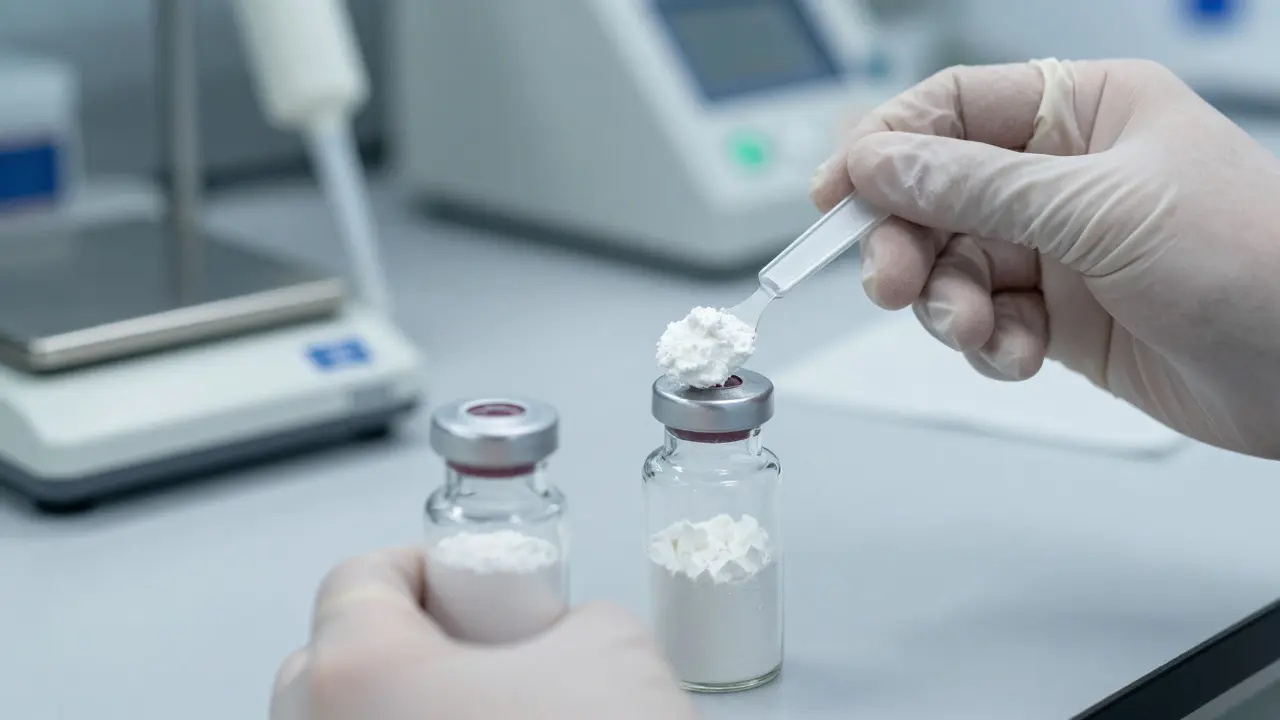
Chain Split and Re-Test Protocols for Defense Requests in Drug Analysis
- By : Ian Brophy
- Date : Aug 17 2026
Learn how chain split protocols allow defense teams to verify drug evidence. We cover re-test procedures, common pitfalls, and the impact on case outcomes.
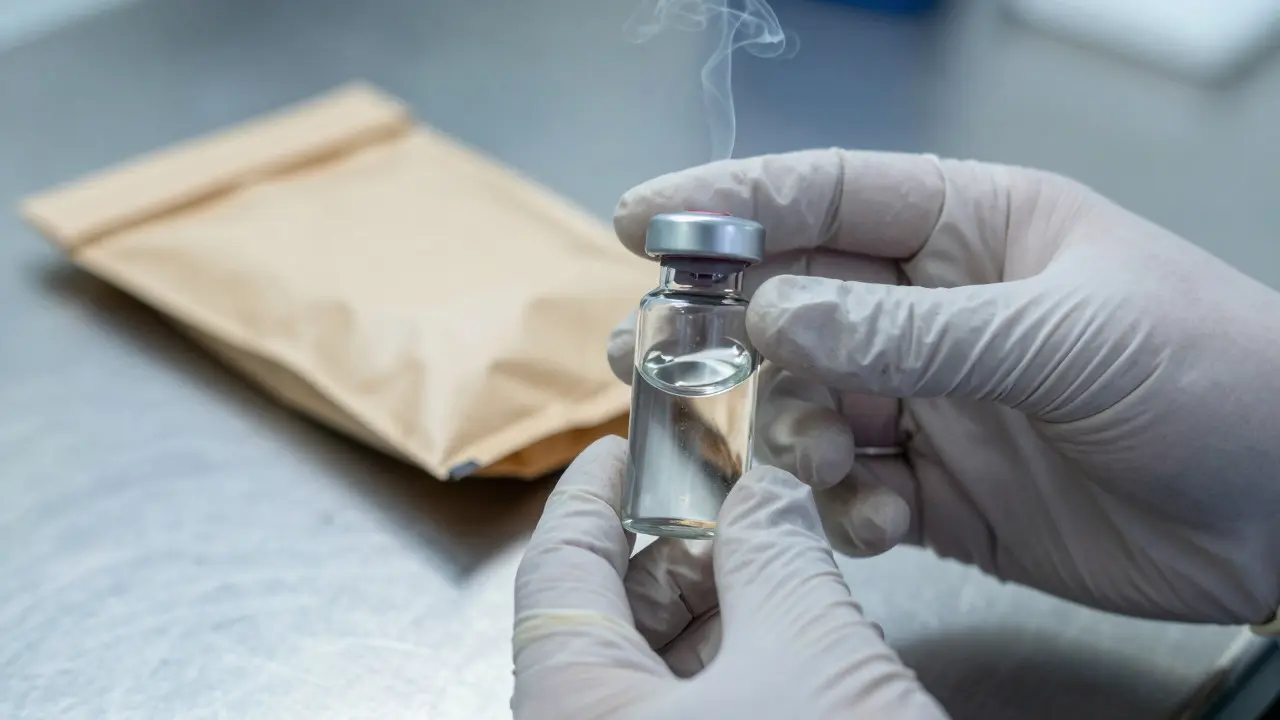
Drug Evidence Packaging: Handling Volatile and Odorous Substances
- By : Ian Brophy
- Date : Aug 17 2026
Learn how to properly package volatile and odorous drug evidence to prevent loss and contamination. Covers container selection, odor management, and chain of custody tips.
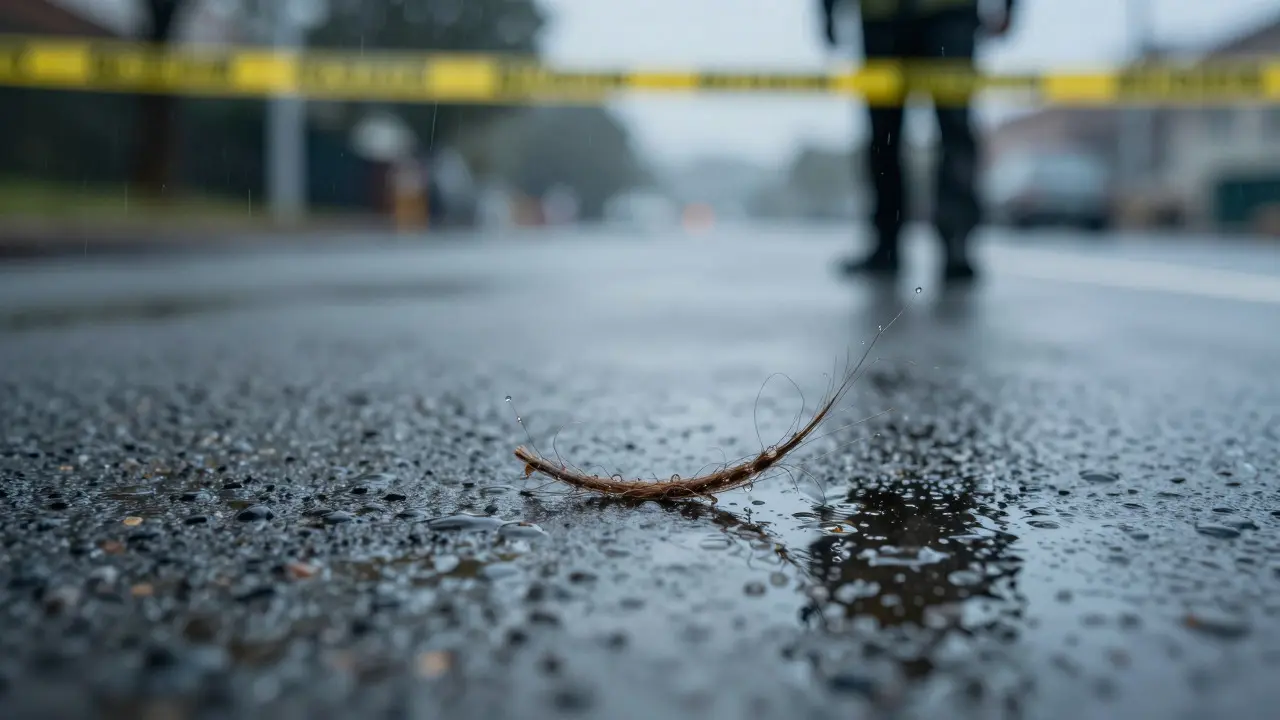
How Environmental Factors Affect Forensic DNA Recovery
- By : Ian Brophy
- Date : Aug 17 2026
Discover how heat, humidity, and sunlight impact forensic DNA recovery. Learn practical tips for preserving evidence and understanding degradation processes.
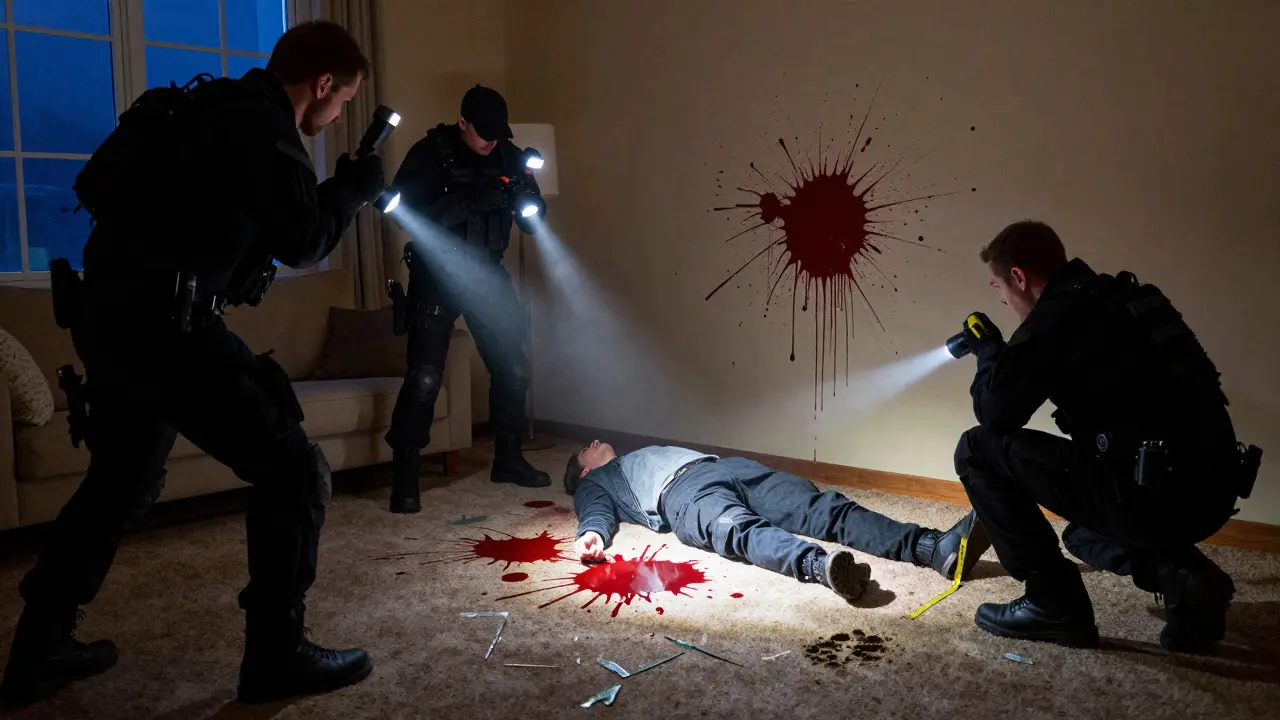
Scene Walkthrough Audio Narration: The Complete Guide to Verbal Documentation
- By : Ian Brophy
- Date : Aug 17 2026
Learn how to create effective scene walkthrough audio narration for crime scenes. This guide covers the three-part framework, critical elements to document, and common pitfalls to avoid for better verbal documentation.
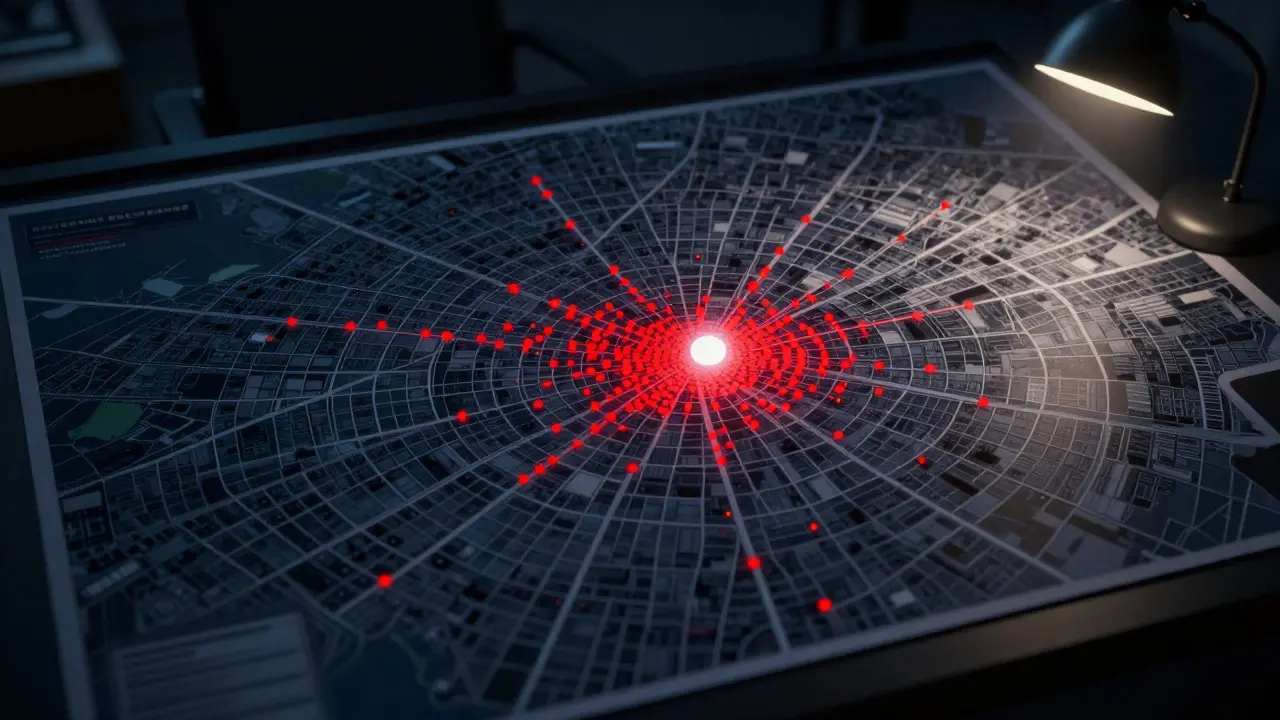
Geospatial Hot Spot Identification for Serial Offenders: A Practical Guide
- By : Ian Brophy
- Date : Aug 17 2026
Learn how geospatial hot spot identification helps investigators track serial offenders. This guide covers key methods, common pitfalls, and practical steps for effective crime mapping.
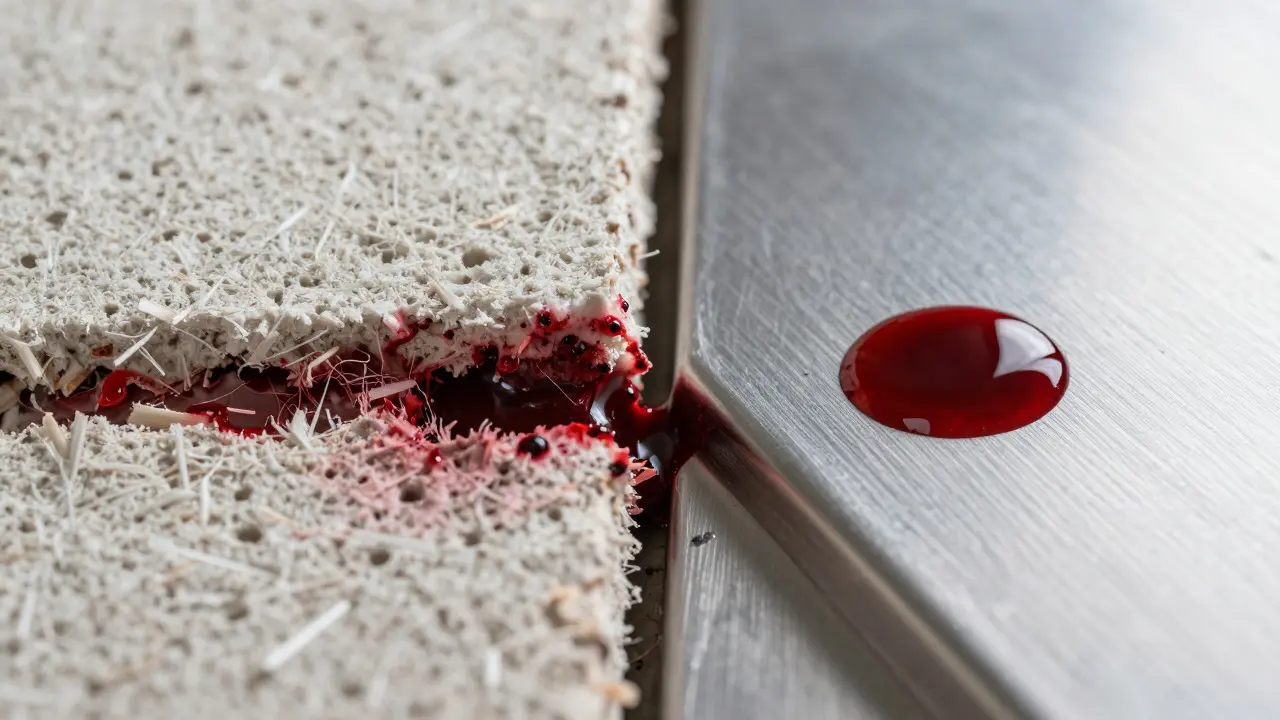
Porous vs. Non-Porous Materials: Biohazard Remediation Guide
- By : Ian Brophy
- Date : Aug 17 2026
Learn how to distinguish between porous and non-porous materials during biohazard cleanup. This guide covers risk assessment, step-by-step remediation protocols, and common pitfalls to avoid.
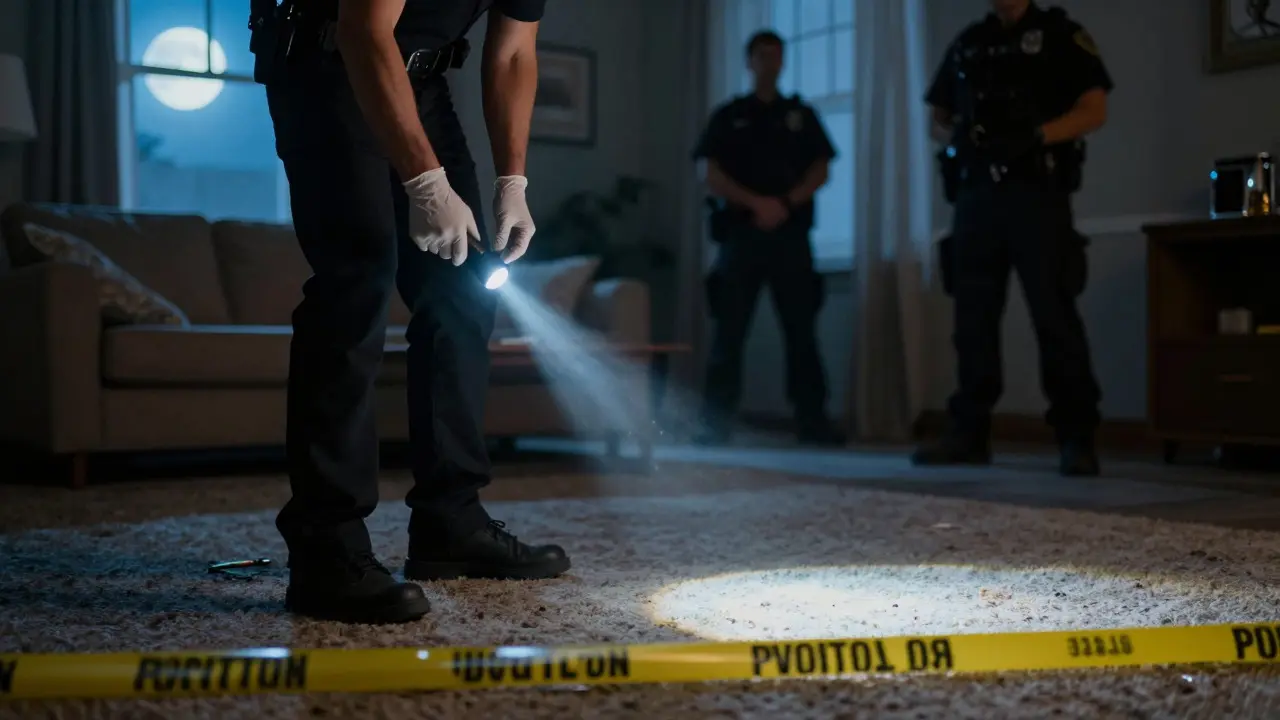
Post-Scene Review: Turning Crime Scene Mistakes into Better Process
- By : Ian Brophy
- Date : Aug 17 2026
Discover how to conduct effective post-scene reviews to catch evidence errors early. Learn practical steps to improve crime scene processing and reduce legal risks.

Pre-Assessment Visits: How to Smooth Lab Accreditation Audits
- By : Ian Brophy
- Date : Aug 17 2026
Learn how pre-assessment visits expose gaps in your lab's quality management system before the real audit. Discover key focus areas, common pitfalls, and how to handle findings effectively to ensure smooth accreditation.
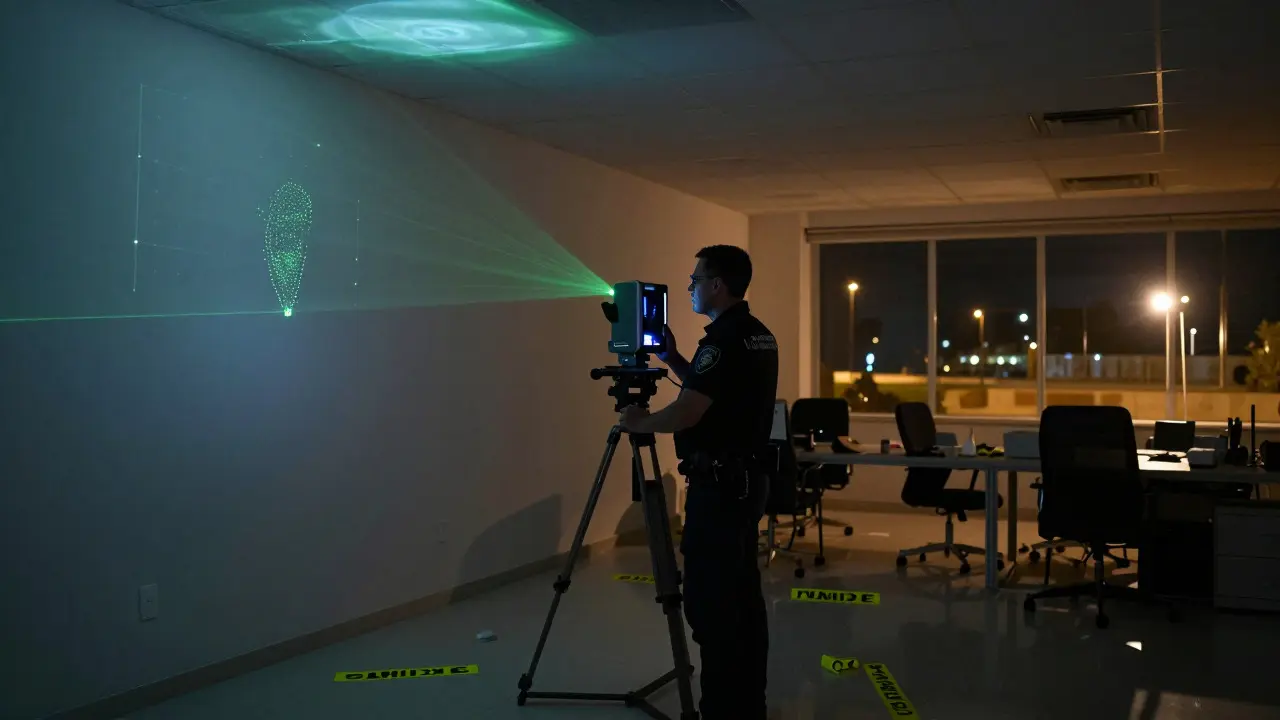
3-D Photography: How Modern Scene Reconstruction Works
- By : Ian Brophy
- Date : Aug 17 2026
Discover how 3-D photography transforms scene investigation using LiDAR and photogrammetry. Learn about hardware choices, accuracy metrics, and practical applications in forensics.