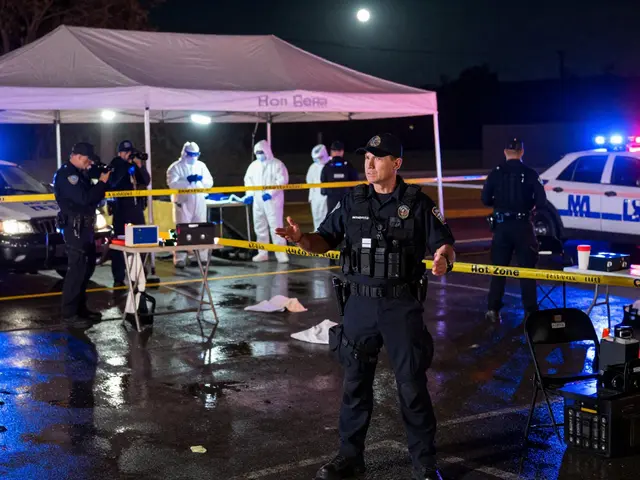
Behind the Crime Scene - Page 16
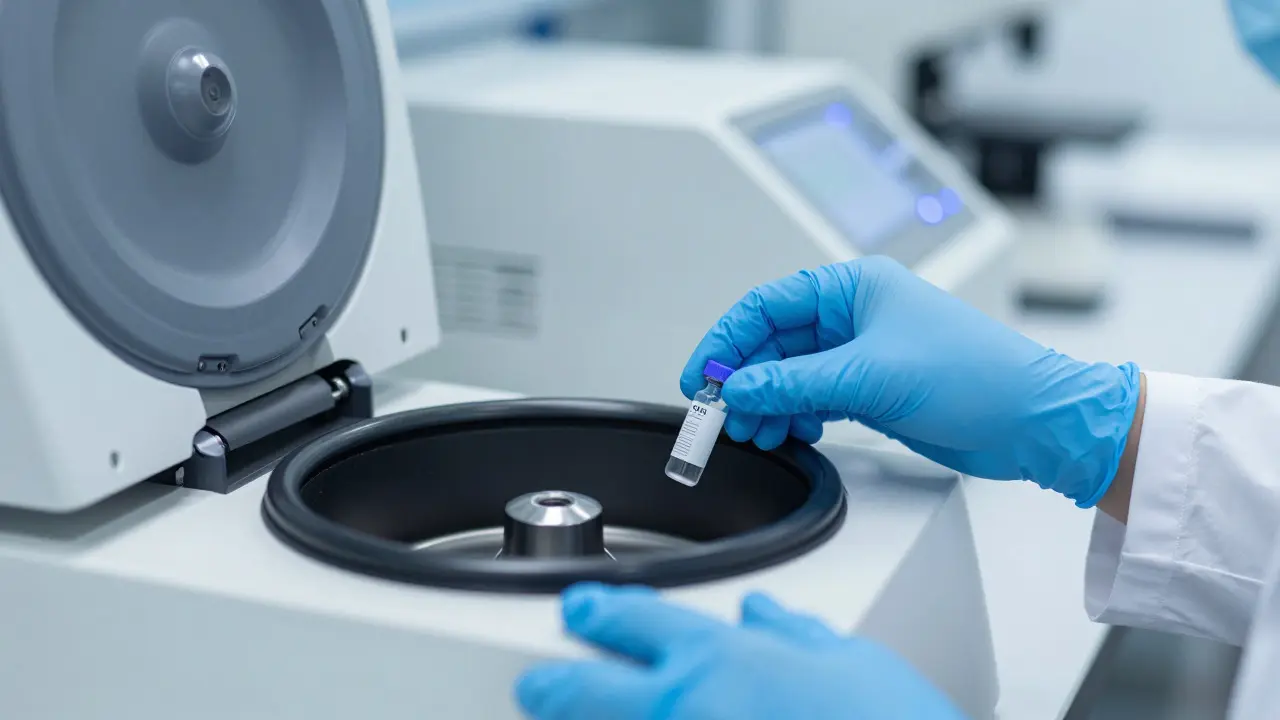
DNA Population Genetics: Decoding Probability Statements in Forensics
- By : Ian Brophy
- Date : Aug 17 2026
Demystify the math behind forensic DNA matches. Learn how population genetics determines probability statements, the difference between RMP and Likelihood Ratios, and common pitfalls in court.
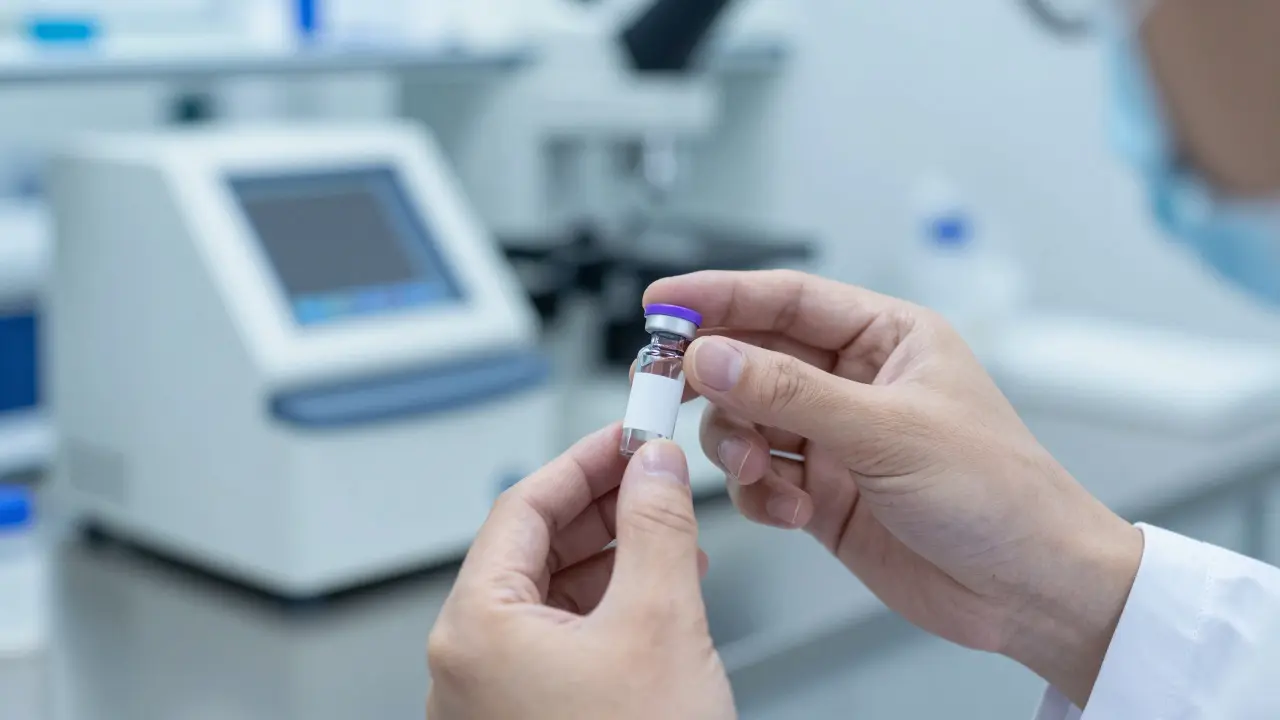
Forensic Methodology: How to Explain Analysis Procedures Clearly
- By : Ian Brophy
- Date : Aug 17 2026
Learn how to write clear, credible forensic methodology sections. Discover best practices for documenting analysis procedures to ensure reproducibility and win court confidence.
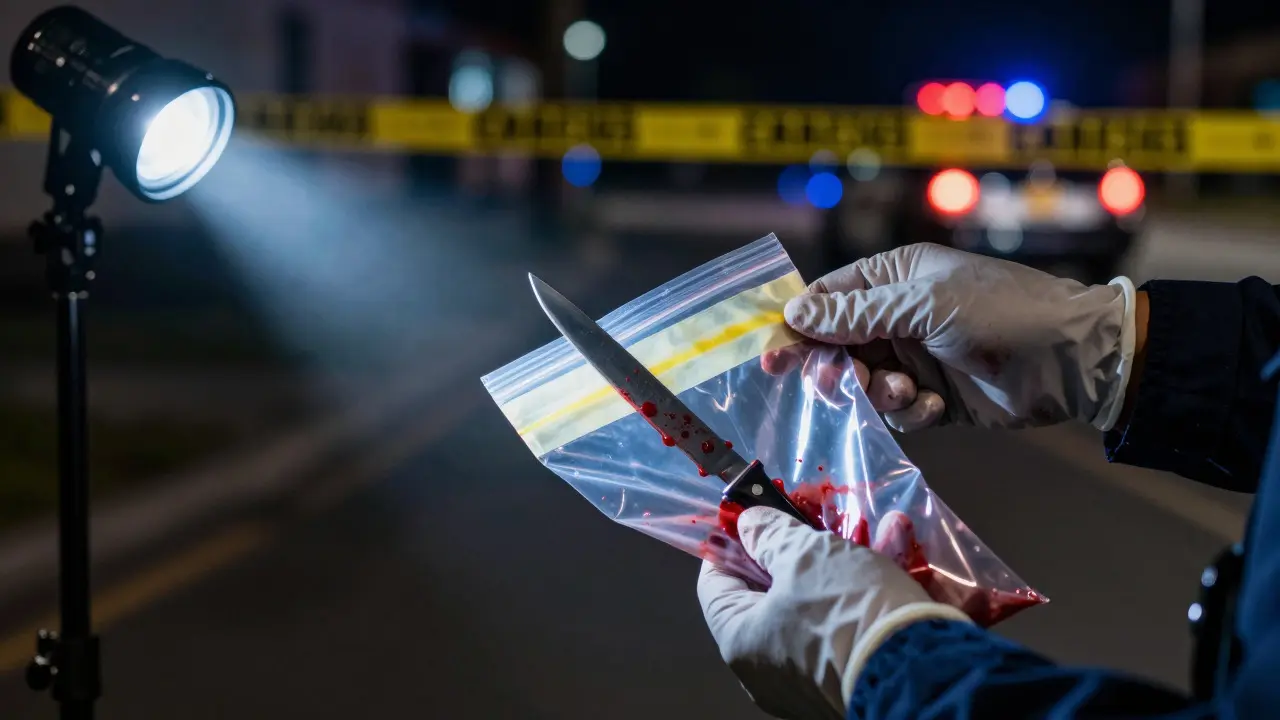
Chain of Custody in Criminal Trials: Legal Requirements and Best Practices
- By : Ian Brophy
- Date : Aug 17 2026
Learn how to maintain a flawless chain of custody for criminal evidence. Discover legal requirements, common pitfalls, and best practices to ensure your evidence holds up in court.
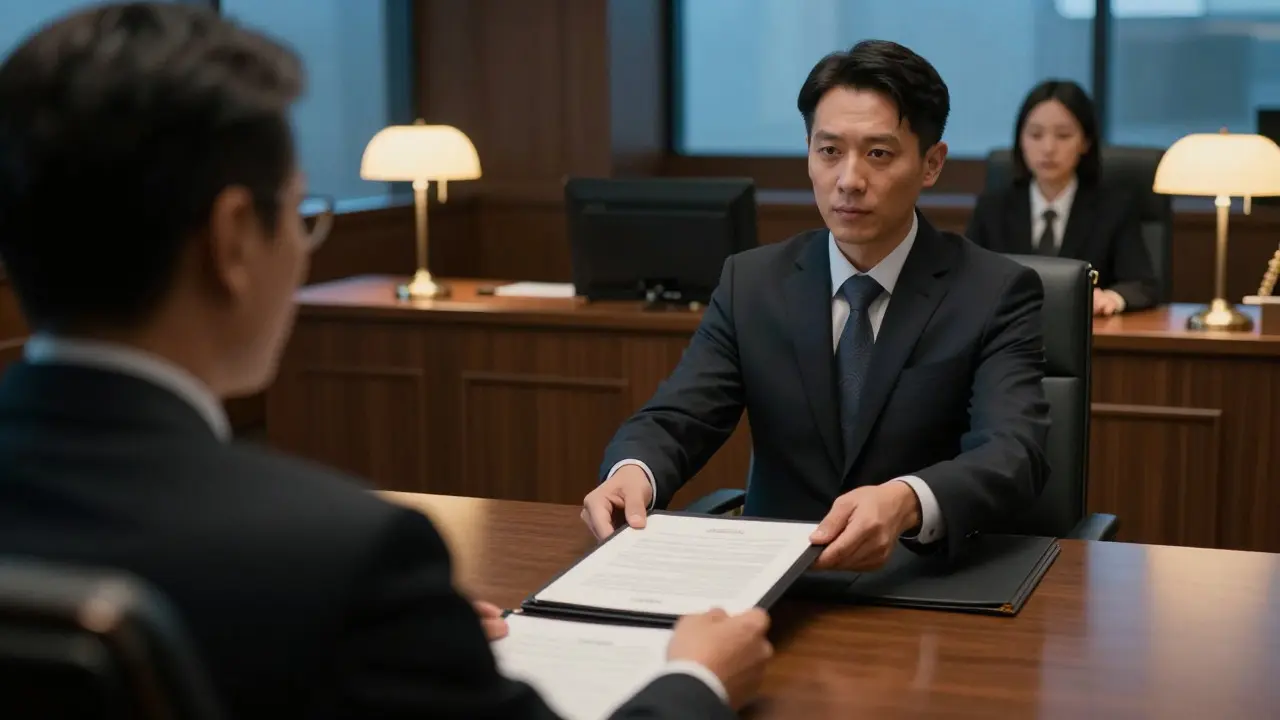
DNA Evidence Standards: Admissibility Requirements in Court
- By : Ian Brophy
- Date : Aug 17 2026
Learn how DNA evidence meets legal admissibility standards through Frye and Daubert tests, chain of custody rules, and lab quality controls.
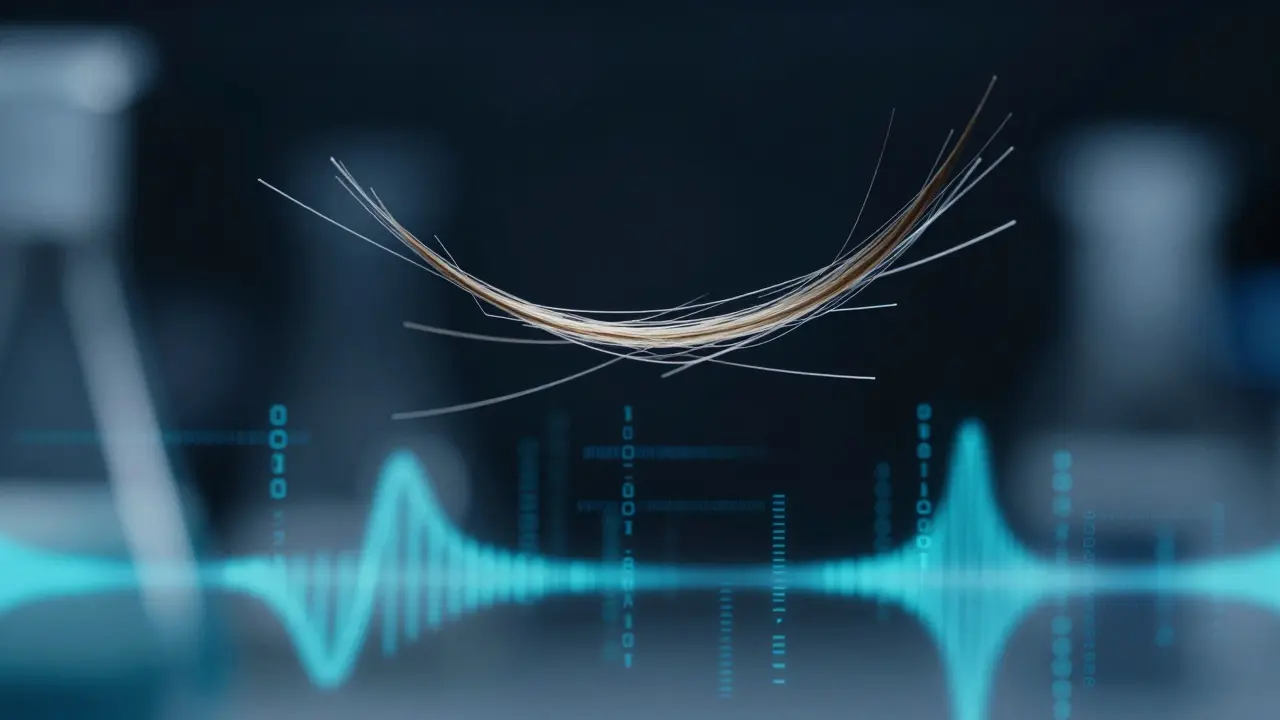
Probabilistic Genotyping: How to Interpret Complex DNA Profiles in Forensics
- By : Ian Brophy
- Date : Aug 17 2026
Learn how probabilistic genotyping transforms forensic DNA analysis. This guide explains the stats, software, and legal implications of interpreting complex mixtures.
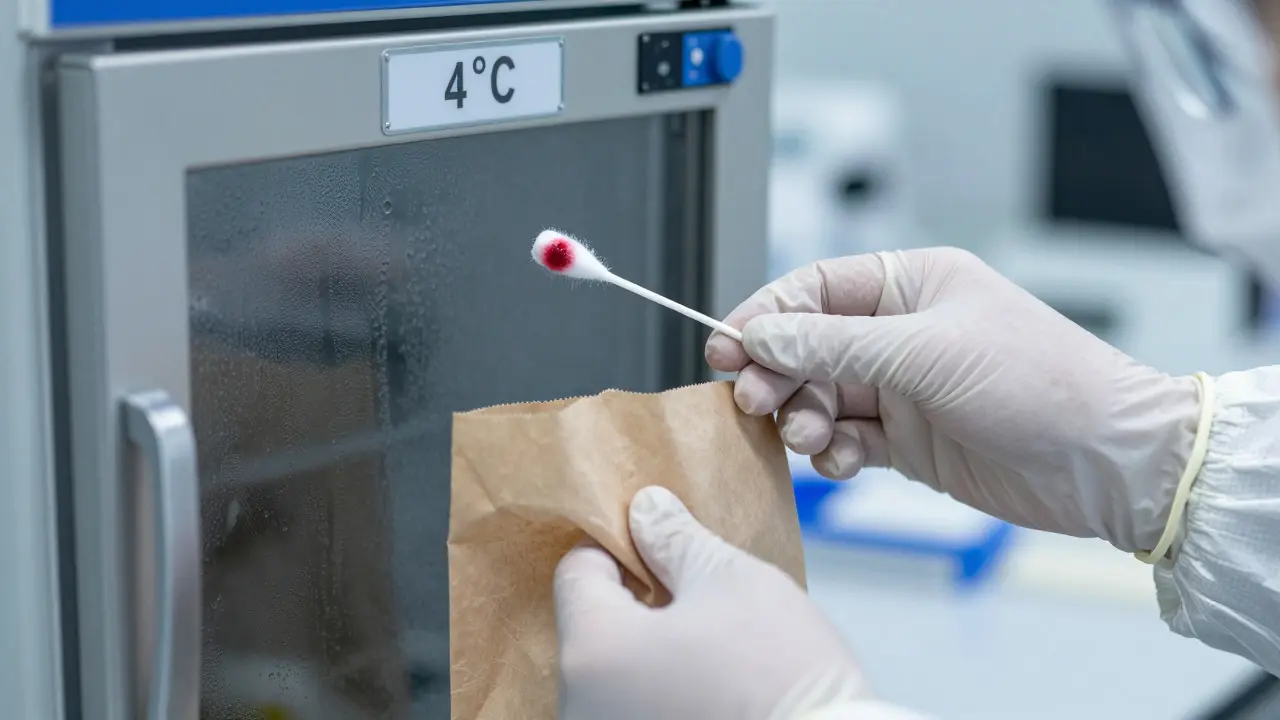
Refrigerated vs. Frozen Storage: Evidence Preservation Rules for Forensic Teams
- By : Ian Brophy
- Date : Aug 17 2026
Learn the exact rules for storing forensic evidence. Discover when to refrigerate versus freeze biological samples to prevent DNA degradation and ensure court admissibility.
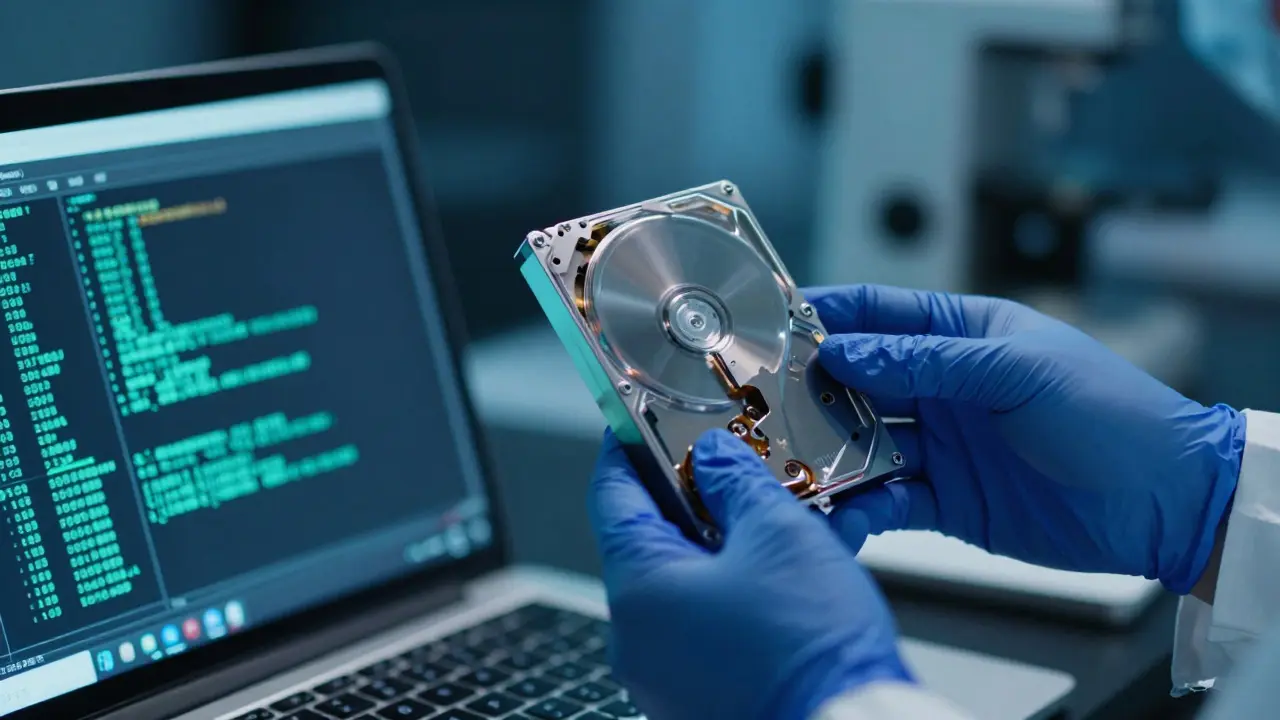
Dark Web Investigations: TOR Artifacts and Tactics
- By : Ian Brophy
- Date : Aug 17 2026
Discover how investigators uncover identities on the Dark Web by analyzing TOR artifacts, metadata leaks, and operational security mistakes. A practical guide for digital forensics experts.
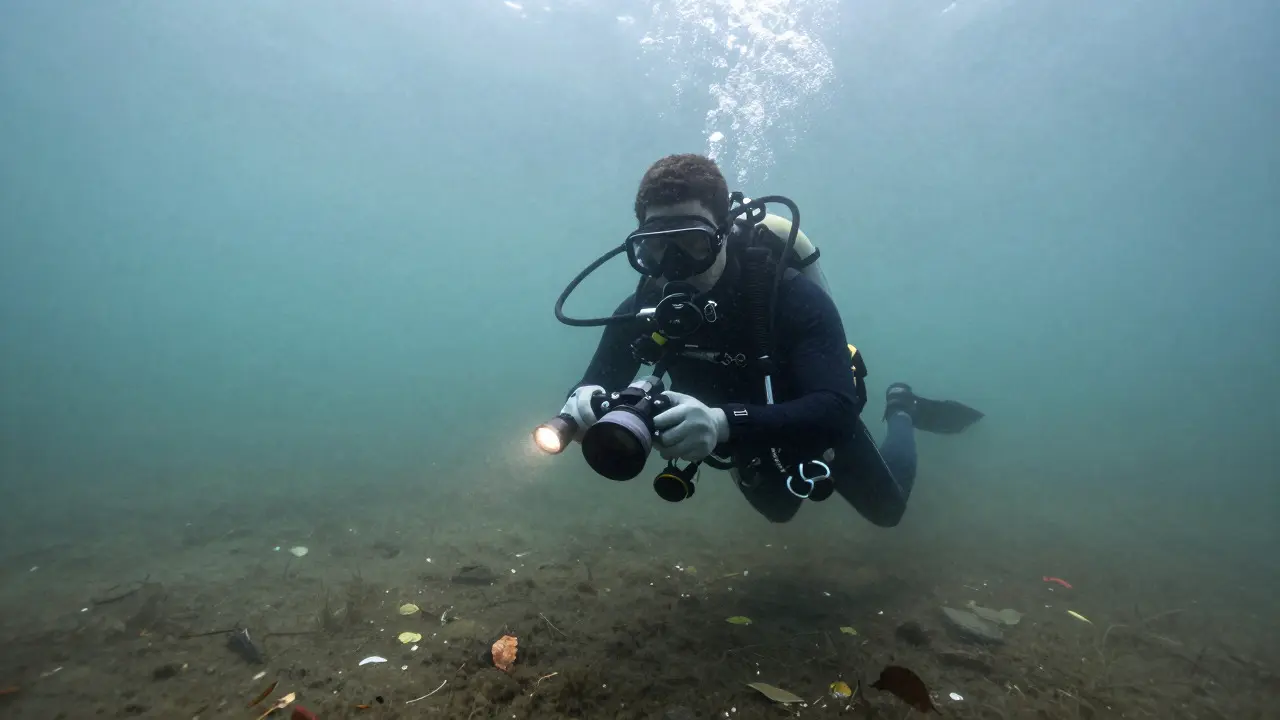
Underwater Crime Scene Photography: Essential Considerations for Forensic Imaging
- By : Ian Brophy
- Date : Aug 17 2026
Master the technical challenges of underwater forensics. Learn how to manage refraction, lighting, and evidence preservation to capture admissible crime scene photos.
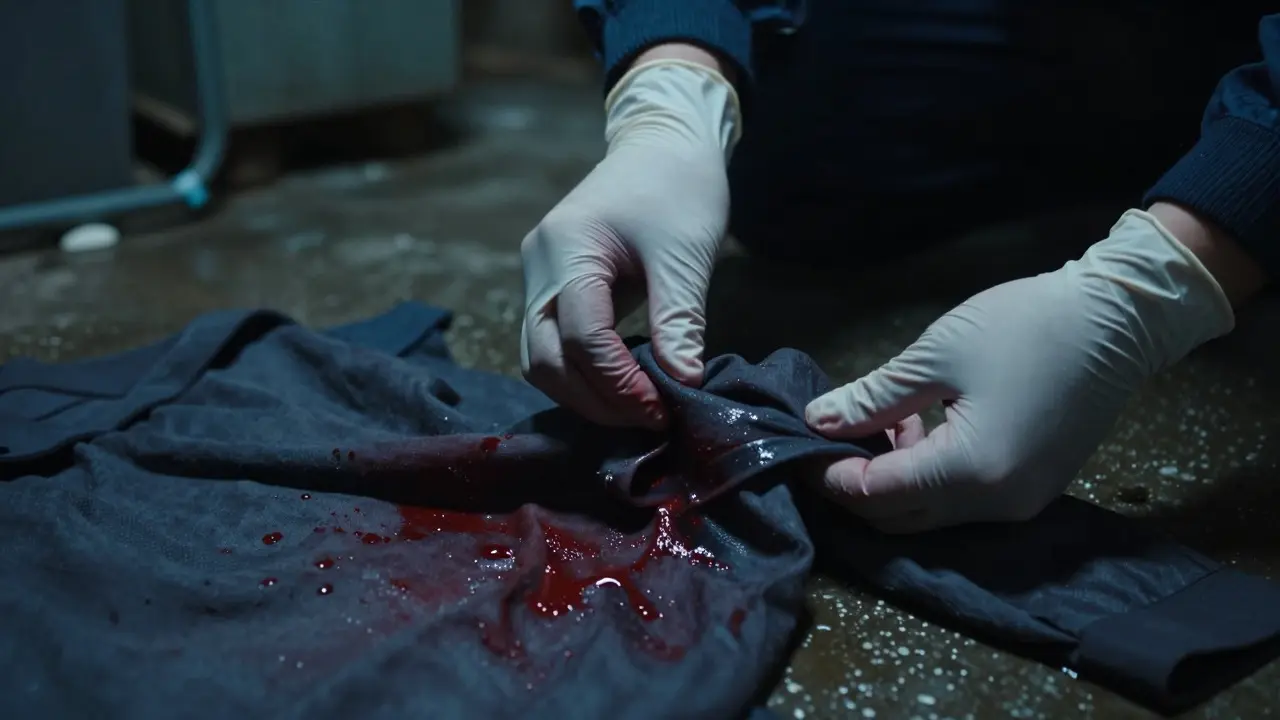
Wet Evidence Handling: Protocols to Prevent Mold and Degradation
- By : Ian Brophy
- Date : Aug 17 2026
Learn how to handle wet forensic evidence to prevent mold and DNA degradation. Discover the correct containers, temperature settings, and step-by-step protocols for preserving biological samples.
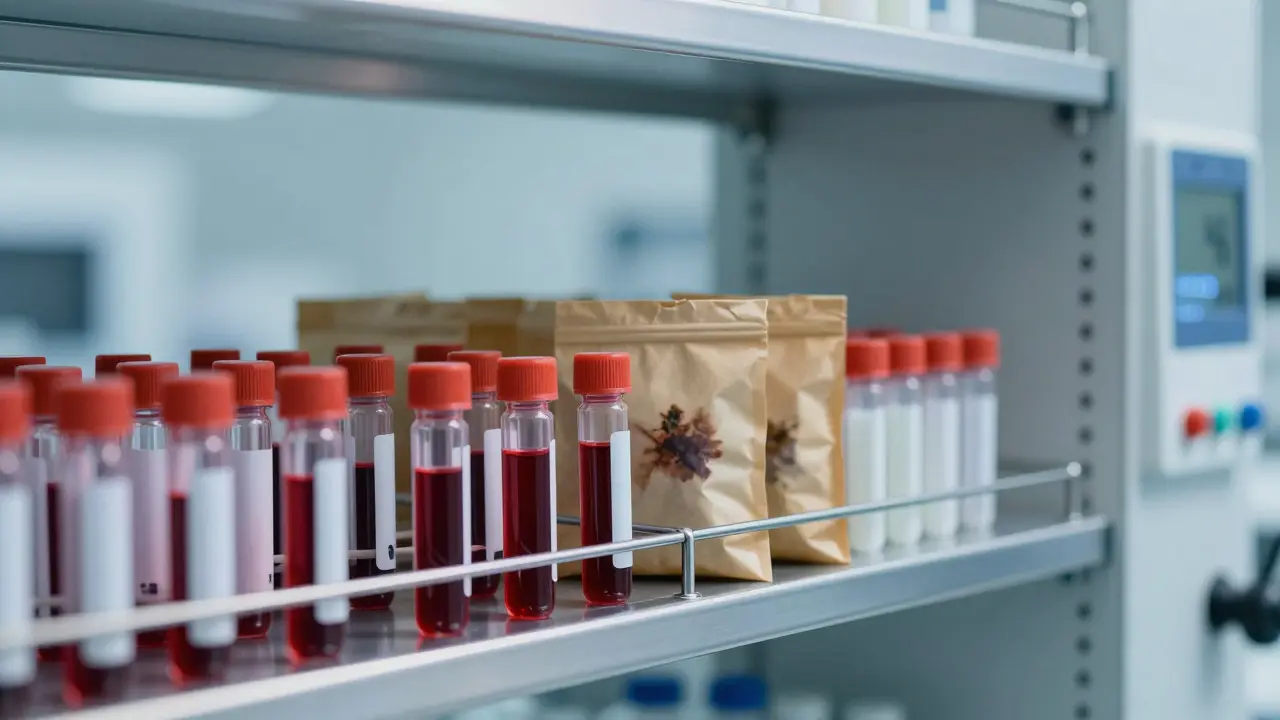
Biological Evidence Storage Temperature Requirements: A Practical Guide
- By : Ian Brophy
- Date : Aug 17 2026
Learn the correct temperature settings for storing biological evidence like blood, DNA, and tissue. Avoid common mistakes that lead to degraded samples and inadmissible cases.
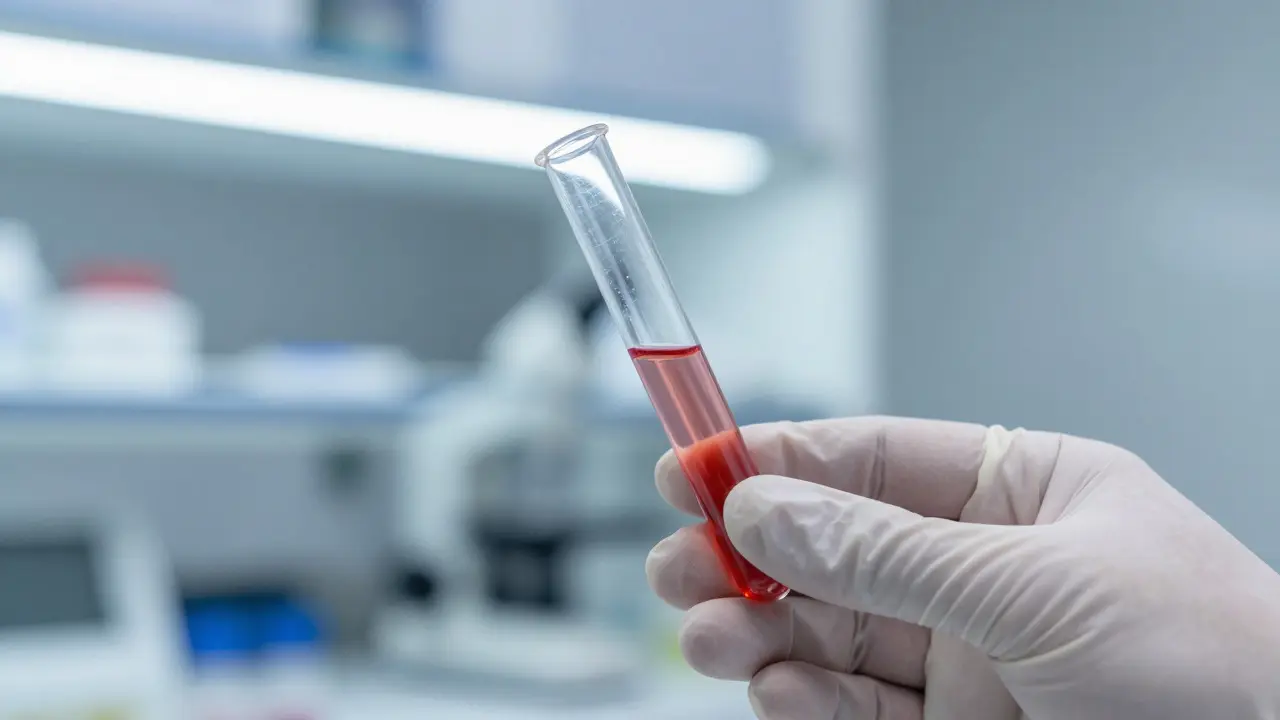
Lab Contamination Events: Detection and Remediation in Forensic DNA
- By : Ian Brophy
- Date : Aug 17 2026
Learn how to detect and remediate lab contamination in forensic DNA workflows. Covers detection signals, containment protocols, cleaning strategies, and prevention tactics to maintain case integrity.
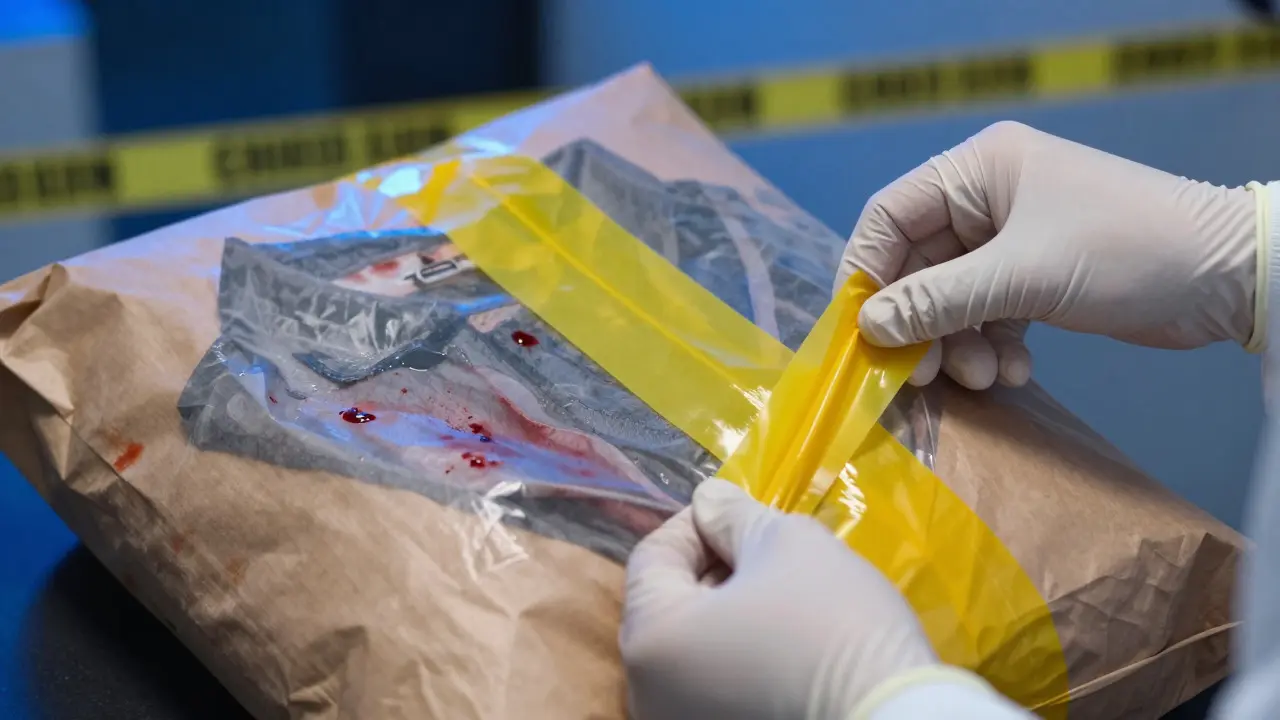
How to Package Physical Evidence Correctly: A Field Guide
- By : Ian Brophy
- Date : Aug 17 2026
Learn how to package physical evidence correctly to preserve DNA and maintain chain of custody. Covers wet biologicals, trace evidence, liquids, and common mistakes to avoid.