Author: Ian Brophy - Page 34

Parental Kidnapping Across State Lines: Legal and Operational Challenges
- By : Ian Brophy
- Date : Aug 17 2026
Navigating parental kidnapping across state lines involves complex legal hurdles. Learn how the UCCJEA works, the role of law enforcement, and practical steps to reunite with your child quickly.
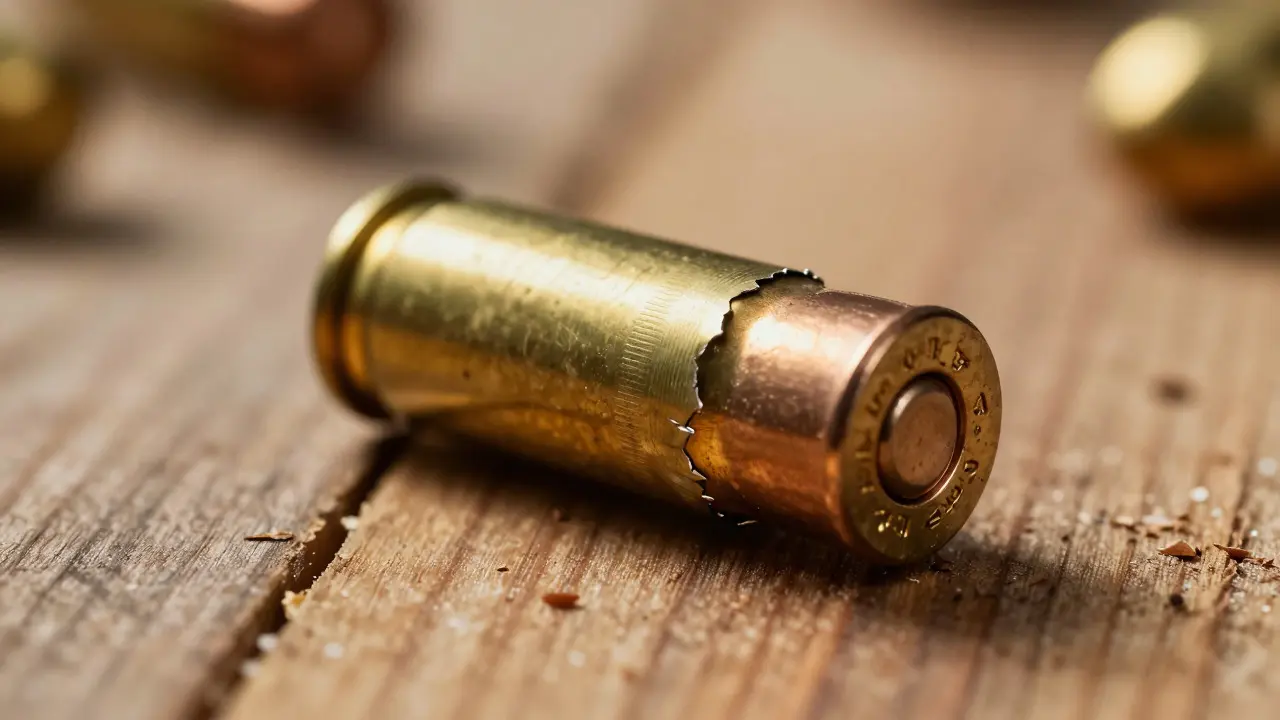
Deformed and Ricocheted Bullets: Forensic Confounding Factors
- By : Ian Brophy
- Date : Aug 17 2026
Discover how deformed and ricocheted bullets complicate forensic investigations. Learn the physics behind the damage, common pitfalls, and best practices for preserving ballistic evidence.
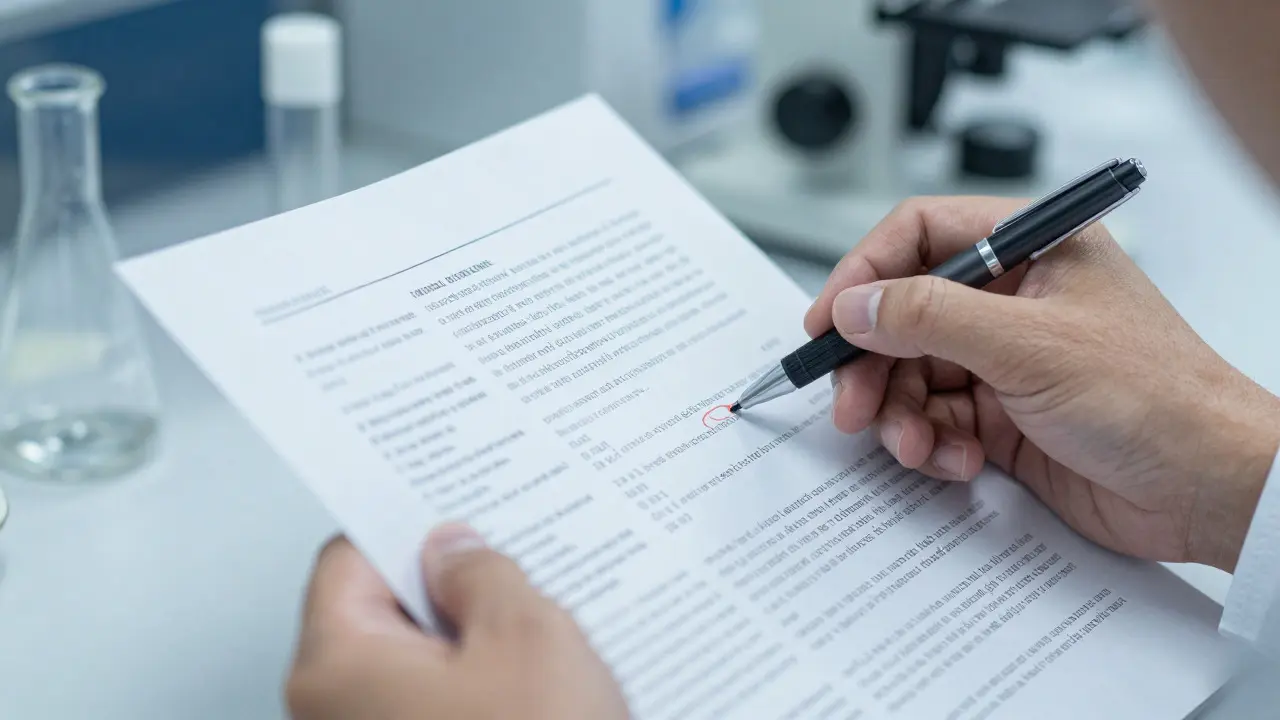
Forensic Report Revisions vs. Amendments: A Practical Guide
- By : Ian Brophy
- Date : Aug 17 2026
Learn how to correctly handle forensic report revisions and amendments. This guide covers documentation best practices, common pitfalls, and step-by-step workflows to ensure your reports stand up in court.
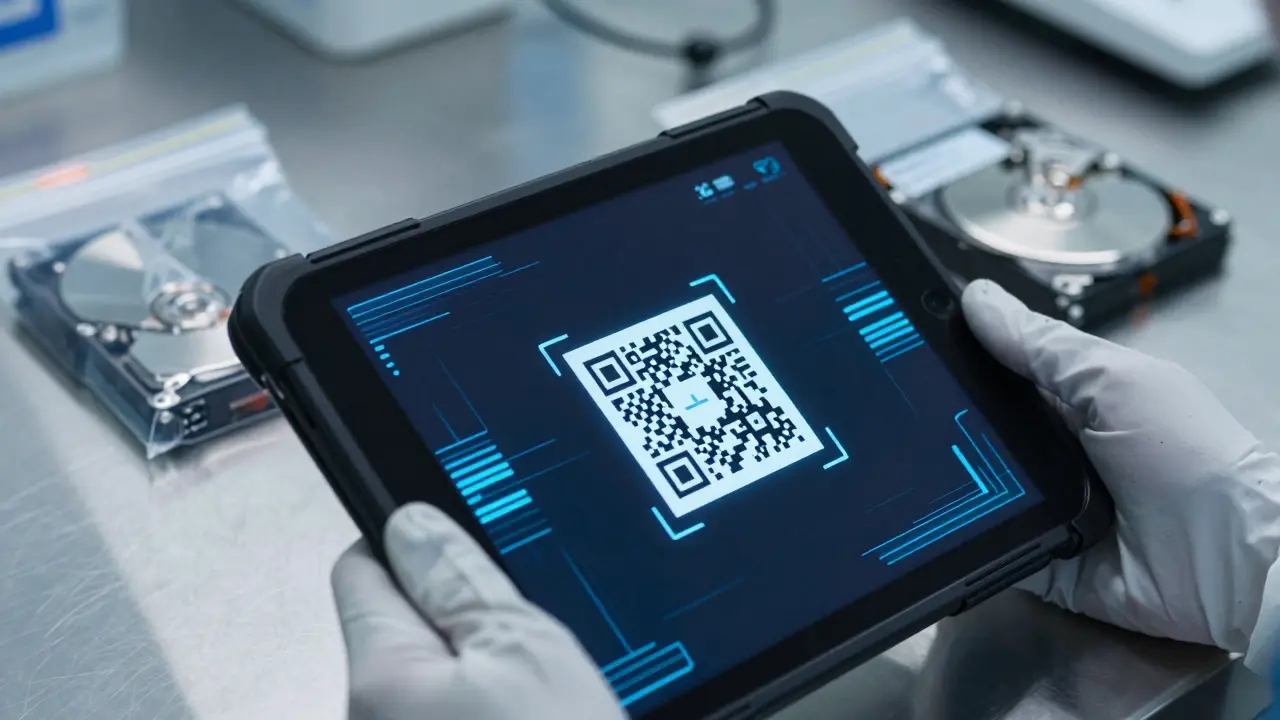
Virtual Chain of Custody: How Cloud Platforms Are Reshaping Evidence Management
- By : Ian Brophy
- Date : Aug 17 2026
Discover how cloud-based platforms are transforming evidence management. Learn about the benefits, challenges, and implementation strategies for virtual chain of custody systems.
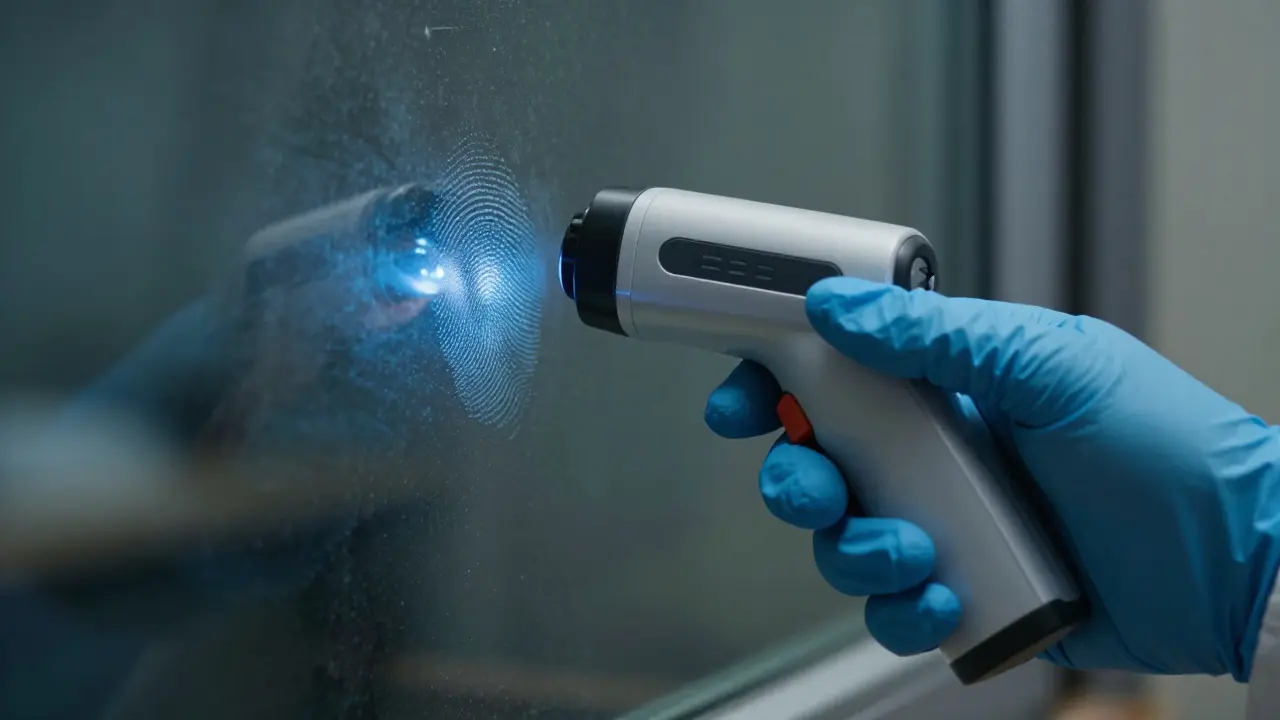
Digital Fingerprint Scanning: Modern Collection Technology Guide
- By : Ian Brophy
- Date : Aug 17 2026
Discover how digital fingerprint scanning transforms forensic evidence collection. Learn about hardware specs, AFIS integration, and best practices for accurate capture.
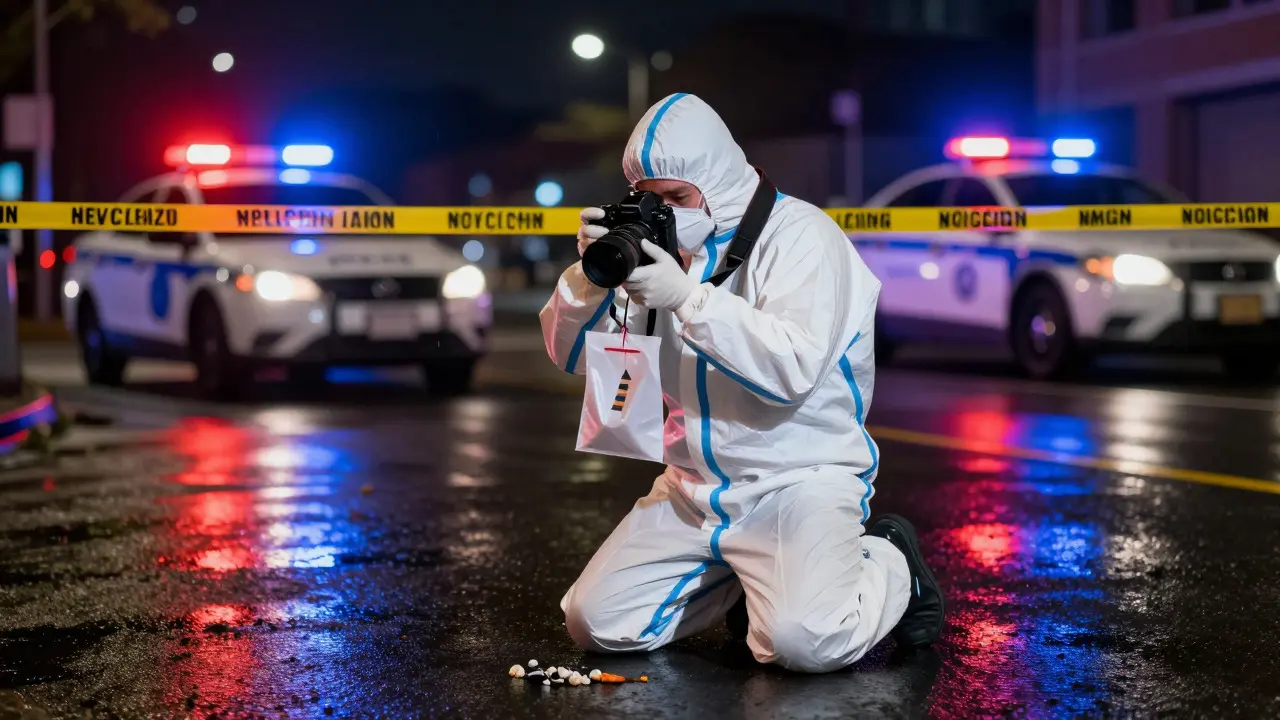
Entry-Level Forensic Jobs: Realistic Paths to Start Your Career in 2026
- By : Ian Brophy
- Date : Aug 17 2026
Discover realistic entry-level forensic jobs, salary expectations, and essential tips to launch your career in 2026. Learn which roles to target and how to stand out.
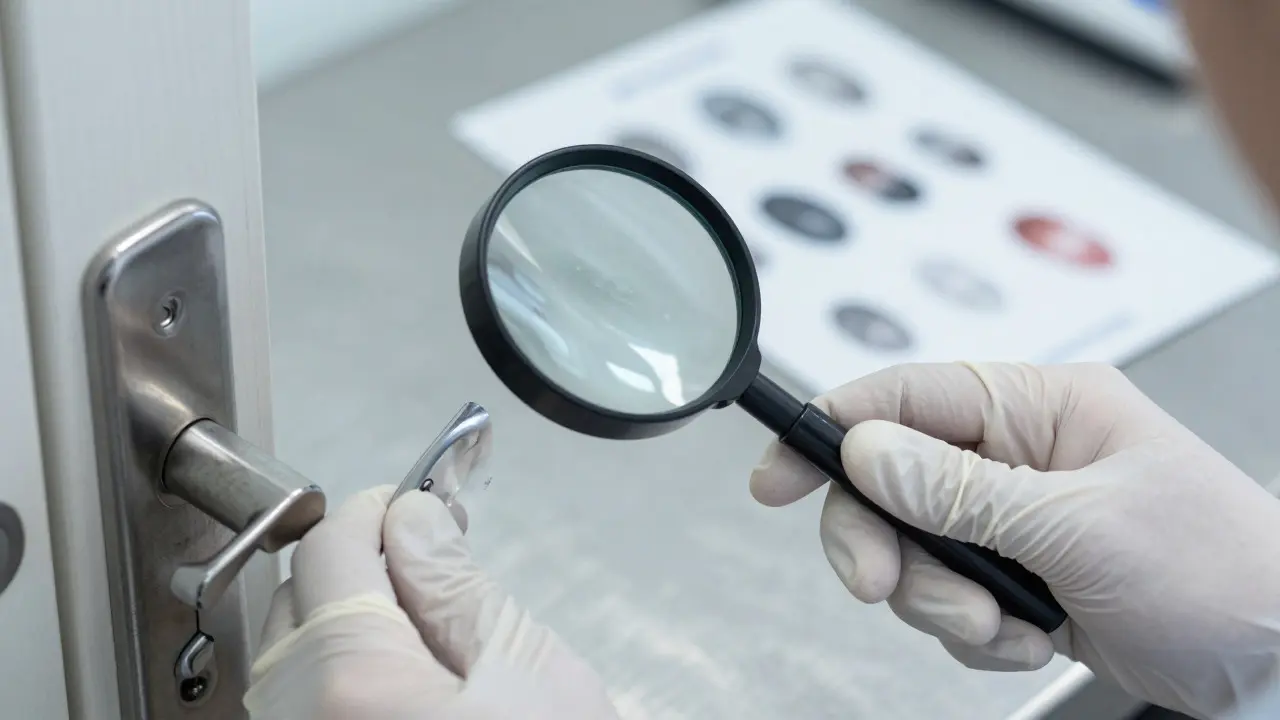
Fingerprint Report Writing: How to State Conclusions and Sufficiency
- By : Ian Brophy
- Date : Aug 17 2026
Learn how to write clear, defensible fingerprint reports. This guide covers defining sufficiency, structuring conclusions, and avoiding common pitfalls in forensic documentation.

Crime Scene Notification Protocols: Dispatch to Investigator Handoffs
- By : Ian Brophy
- Date : Aug 17 2026
Explore how tight dispatch-to-investigator handoffs protect evidence integrity. Learn the protocols, digital tools, and training methods that prevent crime scene contamination.
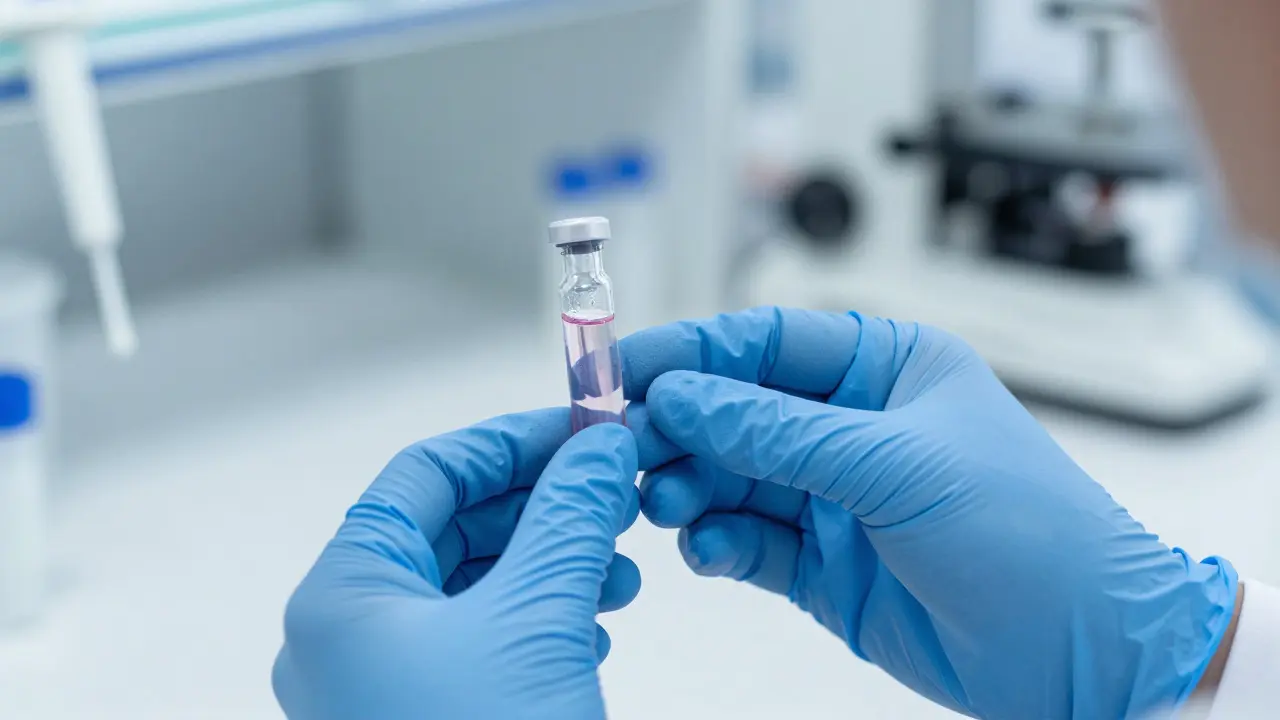
DNA Analyst Positions: Laboratory Career Paths in Forensics
- By : Ian Brophy
- Date : Aug 17 2026
Explore the real-world career paths for DNA analysts in forensic labs. Learn about education, salaries, daily tasks, and how to break into this specialized field.
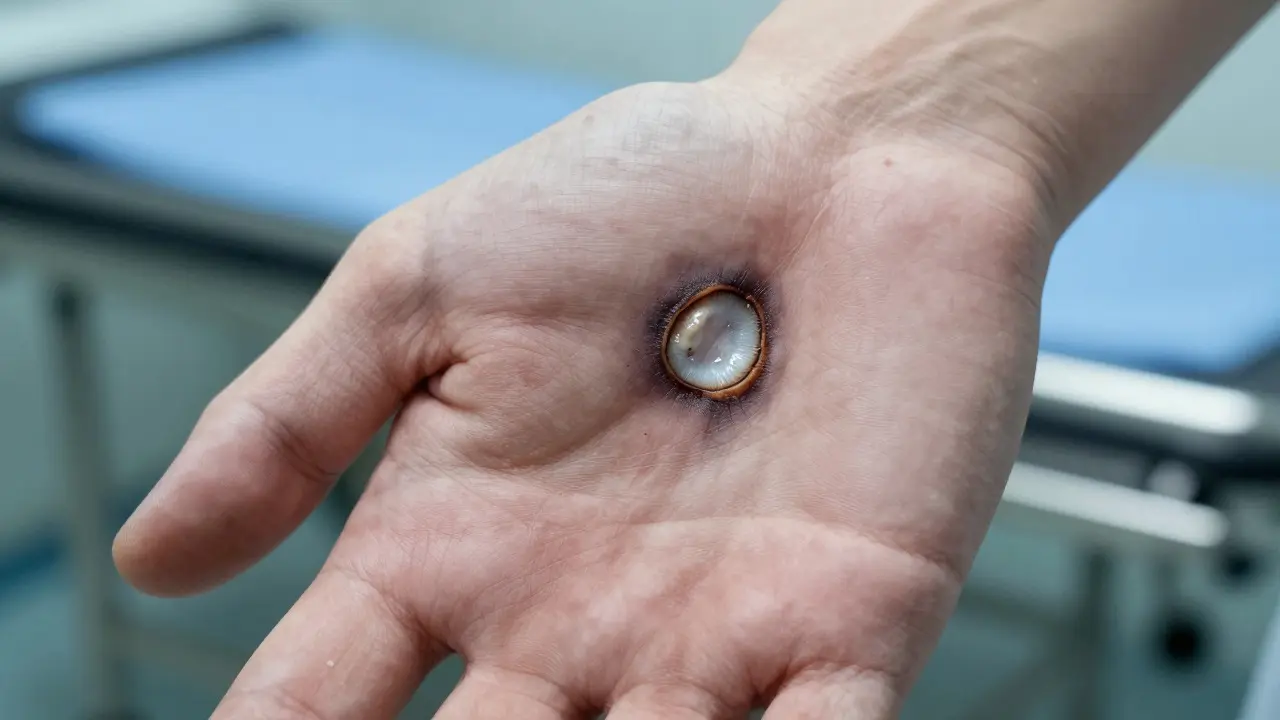
Electrical Injuries: Forensic Pathology Indicators and Diagnostic Signs
- By : Ian Brophy
- Date : Aug 16 2026
Learn how forensic pathologists identify electrical injuries through specific entry/exit wounds, internal organ damage, and distinct burn characteristics. A guide to key diagnostic signs.

Therapeutic vs. Toxic Ranges: Clinical Correlation in Forensic Reports
- By : Ian Brophy
- Date : Aug 16 2026
A short summary for the article based on the topic. You need to write a summary with up to 5 sentences or 160 symbols that covers the provided topic. Try to write the most human text.
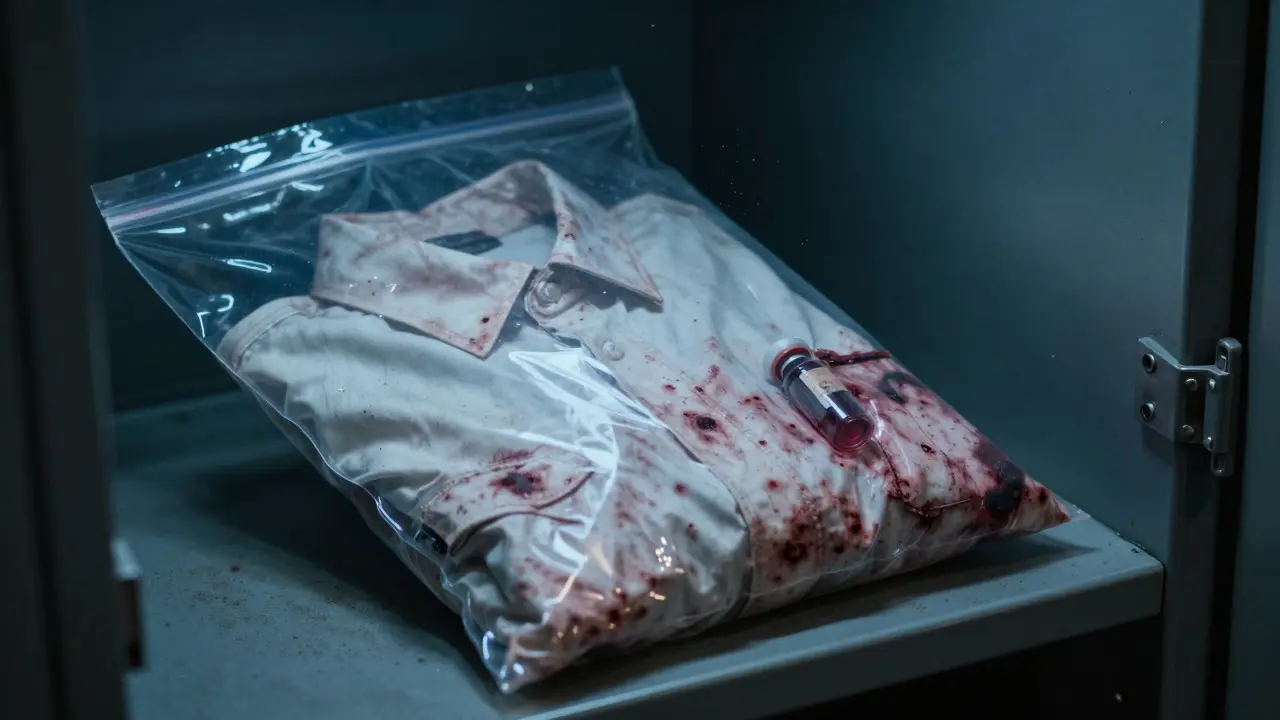
Cold Case DNA: How Re-testing Legacy Evidence Solves Old Crimes
- By : Ian Brophy
- Date : Aug 16 2026
Discover how modern forensic techniques are unlocking cold cases by re-testing legacy evidence. Learn about STR profiling, genetic genealogy, and the challenges of analyzing degraded DNA samples.