Author: Ian Brophy - Page 33

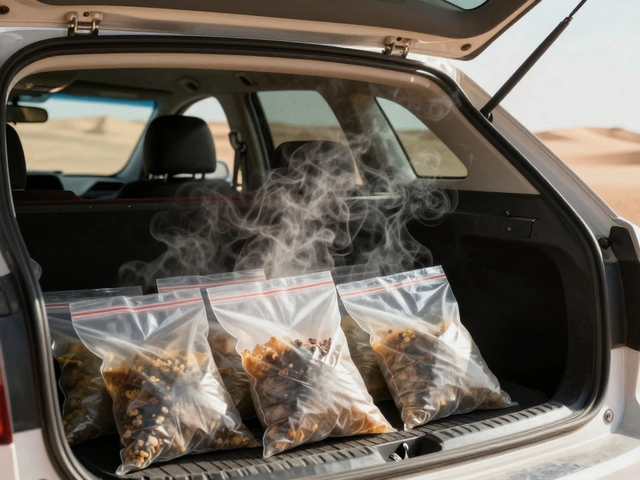
Smothering vs. Choking: Forensic Pathology Differentiation Guide
- By : Ian Brophy
- Date : Aug 17 2026
Learn how forensic pathologists distinguish between smothering and choking. This guide covers external signs, internal findings, and common diagnostic pitfalls in asphyxia cases.
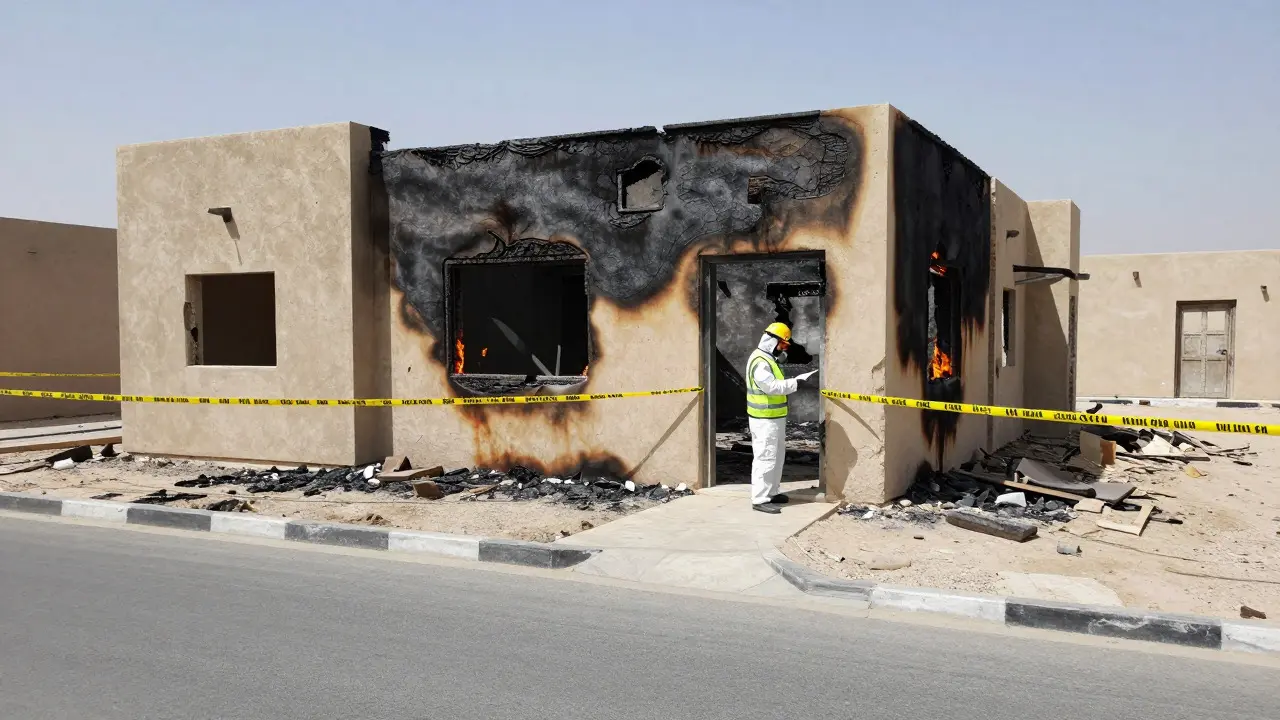
Scene Assessment: Evaluating Fire Damage and Extent
- By : Ian Brophy
- Date : Aug 17 2026
Learn how to conduct a thorough fire scene assessment. Discover key steps for evaluating structural integrity, mapping flame spread, and documenting evidence without contamination.
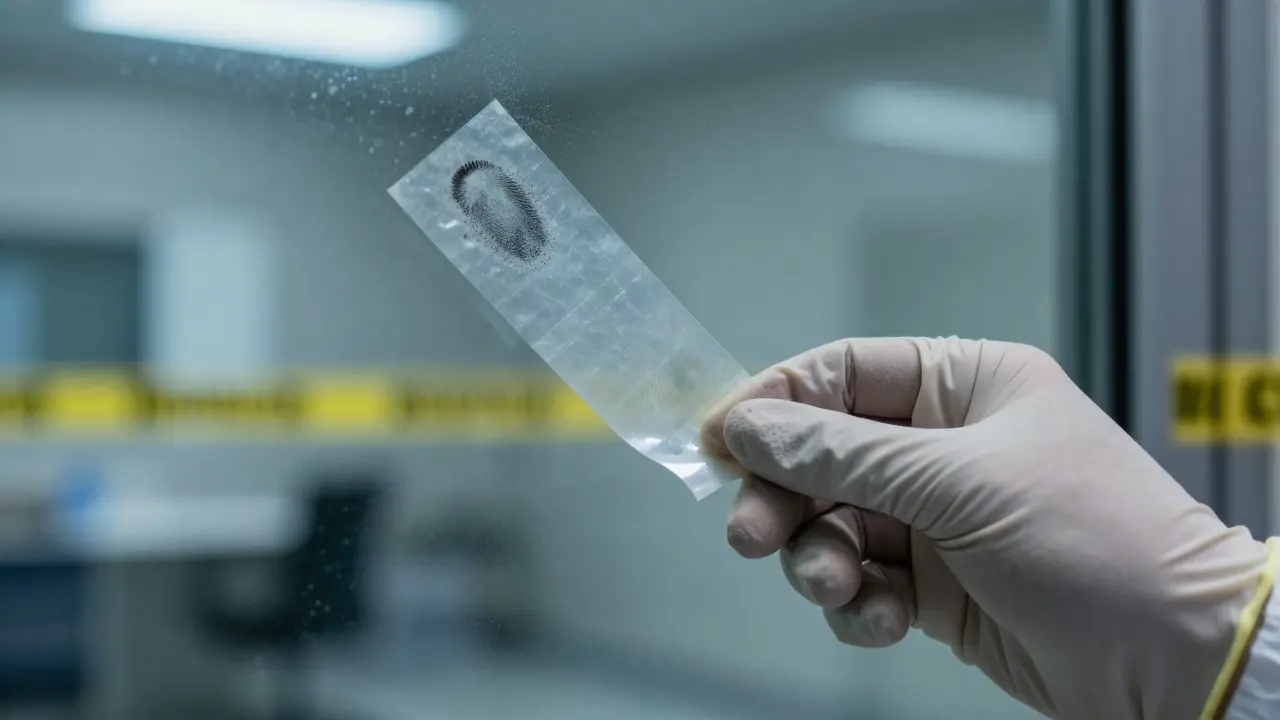
Elimination Prints: How to Obtain and Manage Known Exemplars in Forensics
- By : Ian Brophy
- Date : Aug 17 2026
Learn how to correctly obtain and manage elimination prints in forensic investigations. Discover best practices for collecting known exemplars, maintaining chain of custody, and avoiding common pitfalls that can compromise case integrity.
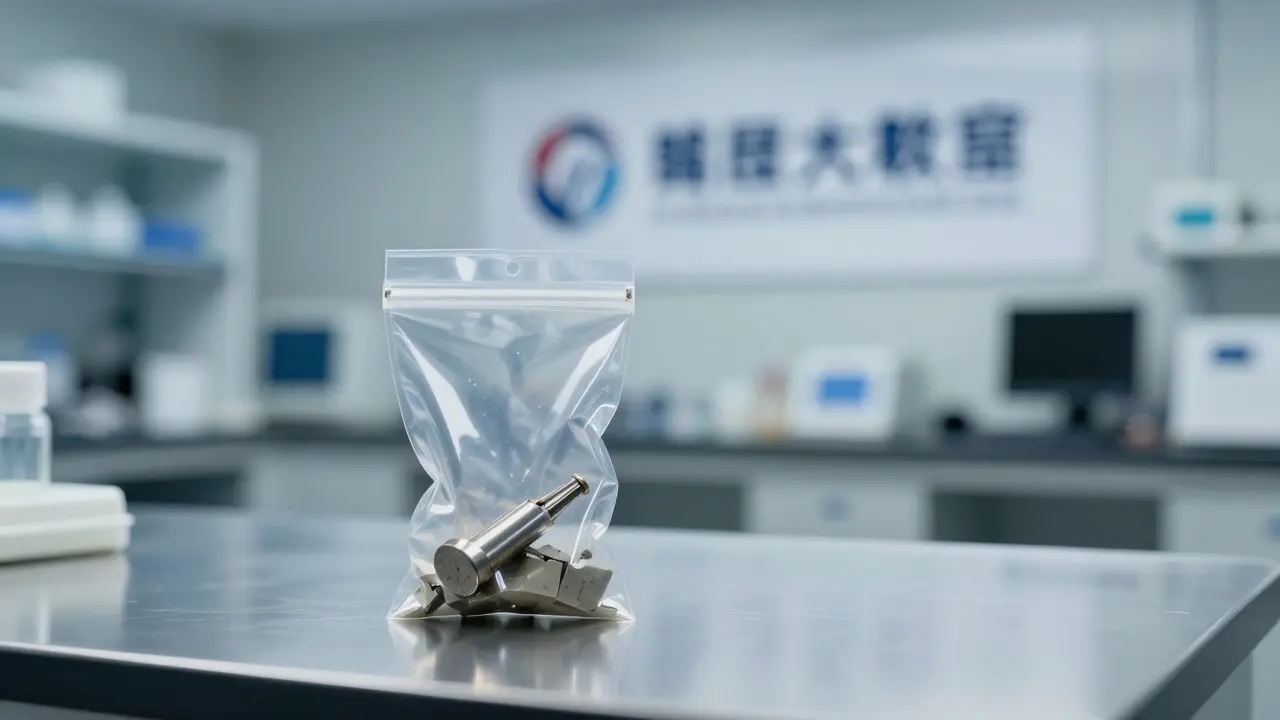
Conflict of Interest Controls in Lab Accreditation: Ethics & Impartiality
- By : Ian Brophy
- Date : Aug 17 2026
Learn how to implement effective conflict of interest controls to maintain impartiality in laboratory accreditation. Discover practical frameworks, common pitfalls, and case studies.

Forensic Report Format: Standardization and Professional Appearance Guide
- By : Ian Brophy
- Date : Aug 17 2026
Learn how to create professional forensic reports with standardized formats. Discover key components, visual tips, and common pitfalls to ensure legal admissibility and clarity.

Risk Assessment: Evaluating Recidivism Potential in Criminal Profiling
- By : Ian Brophy
- Date : Aug 17 2026
Learn how professionals use actuarial tools and structured judgment to predict recidivism. We break down top instruments like HCR-20 V3 and LSI-R, highlighting common biases and practical implementation steps for better outcomes.
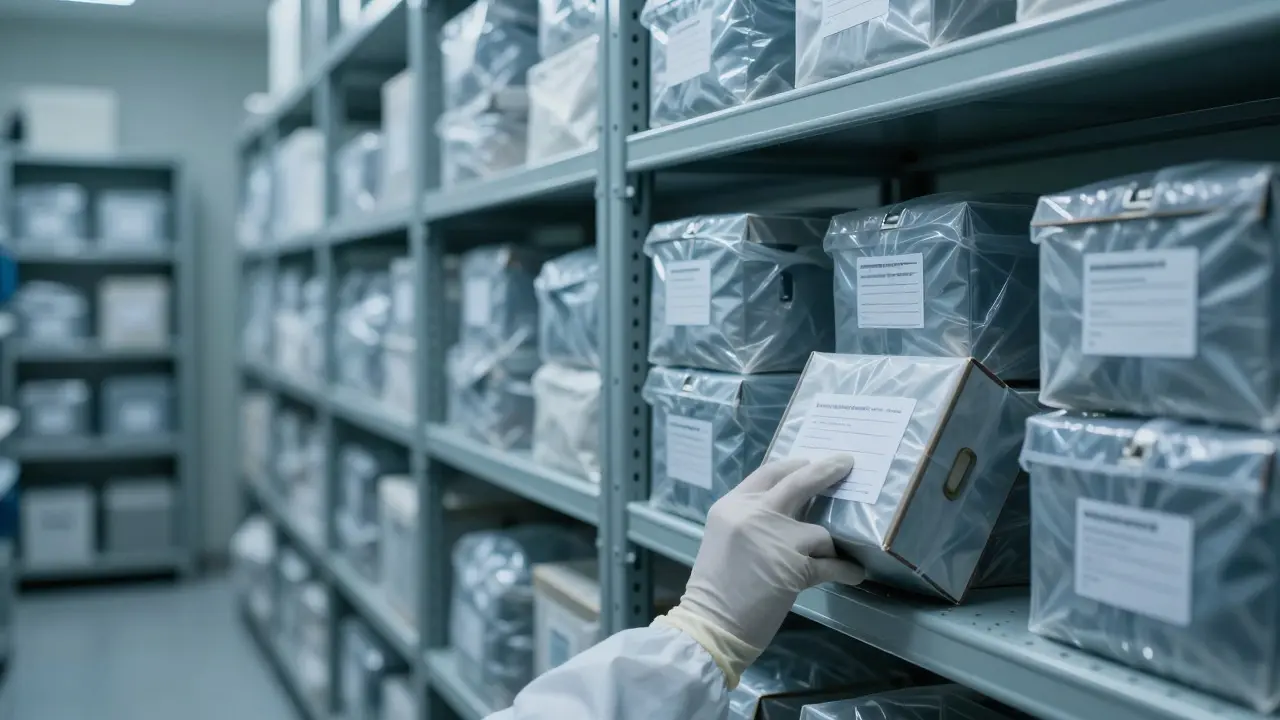
Retention Policies: Statutes vs. Departmental Guidelines in Chain of Custody
- By : Ian Brophy
- Date : Aug 17 2026
Navigating the complex web of evidence retention requires balancing strict state statutes with flexible departmental guidelines. Learn how to manage chain of custody effectively to avoid costly legal errors.
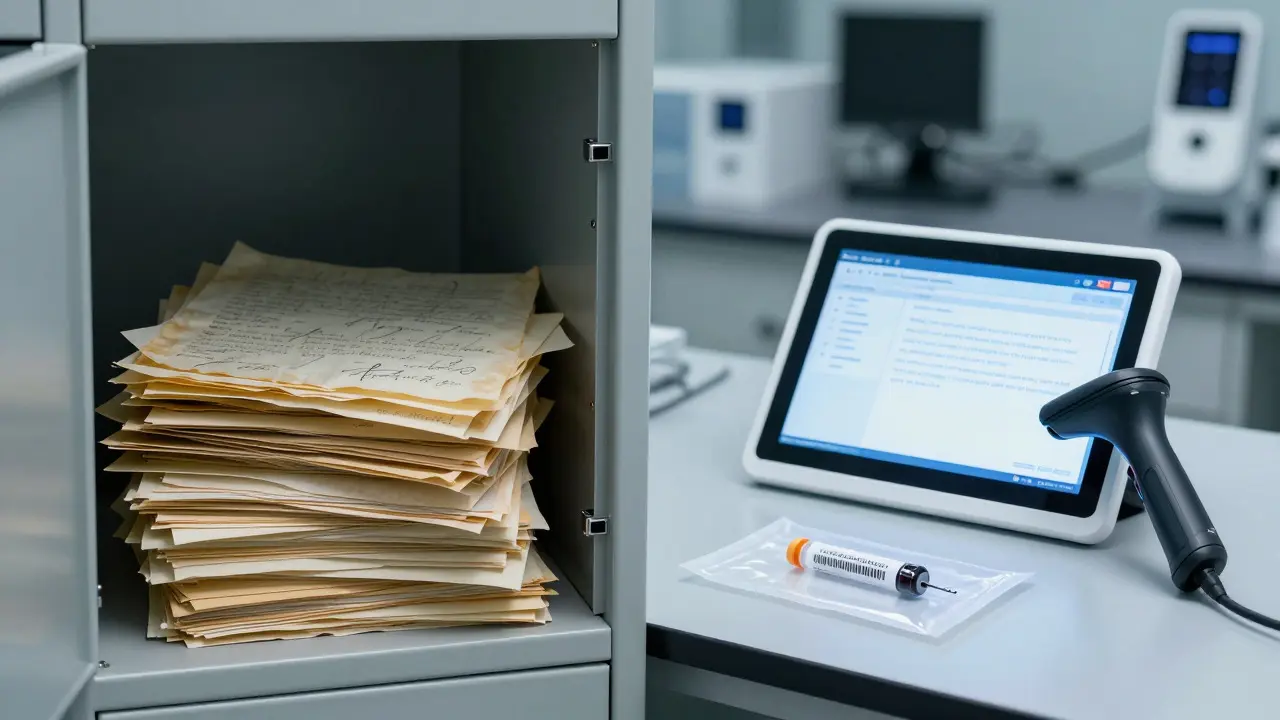
Chain of Custody Records: Digital vs. Paper Documentation in Forensics
- By : Ian Brophy
- Date : Aug 17 2026
Compare digital and paper chain of custody methods. Learn how Evidence Management Systems reduce errors and improve legal admissibility in modern forensics.
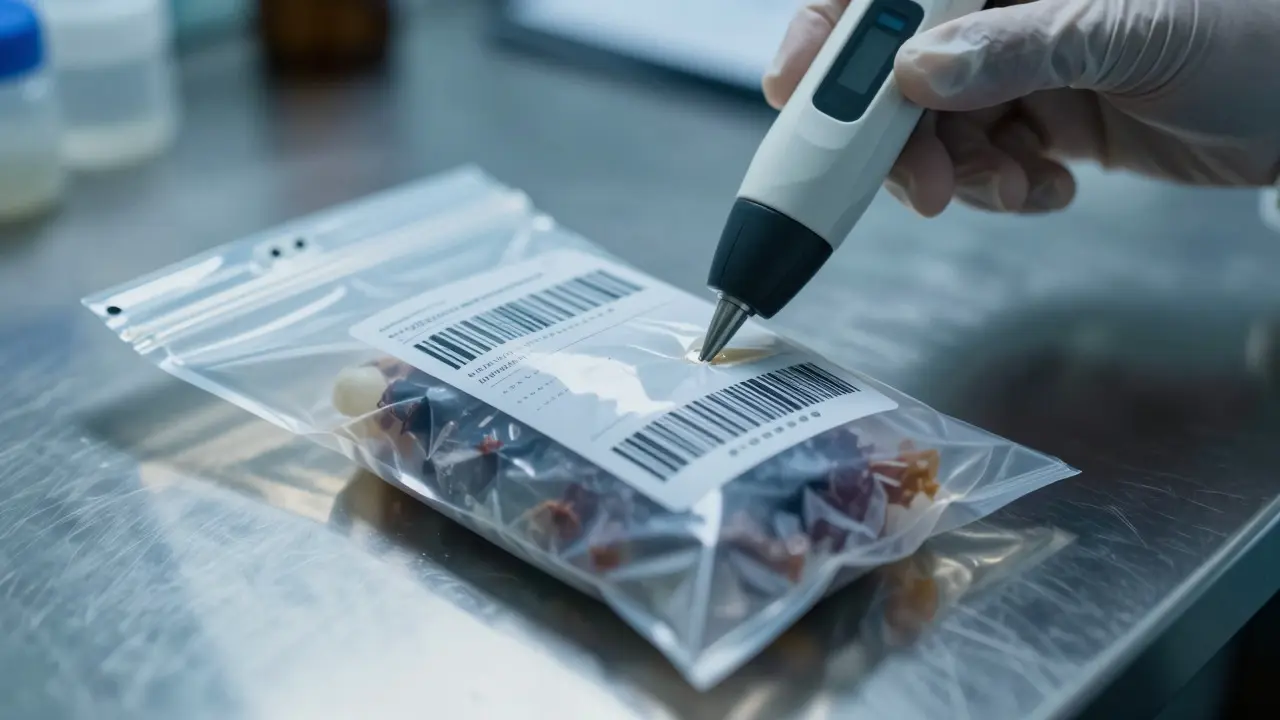
Chain of Custody Audits: A Practical Guide to Quality Assurance Procedures
- By : Ian Brophy
- Date : Aug 17 2026
Learn how chain of custody audits ensure evidence integrity. This guide covers quality assurance procedures, common pitfalls, and best practices for forensic labs.
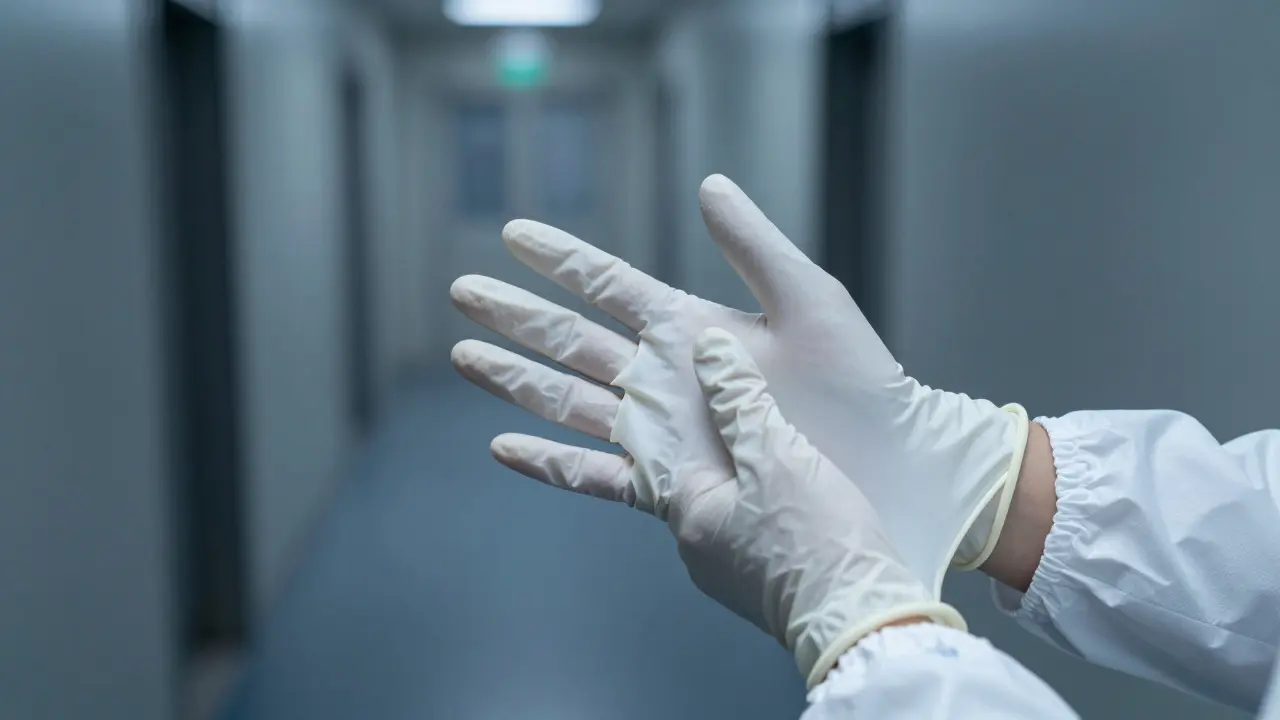
Biohazard Cleanup PPE Guide: Essential Safety Gear for 2026
- By : Ian Brophy
- Date : Aug 17 2026
Learn how to select and use the right personal protective equipment for biohazard cleanup. Discover essential gear, common mistakes, and decontamination protocols to stay safe.

Log File Examination: A Practical Guide to Server and System Logs in Digital Forensics
- By : Ian Brophy
- Date : Aug 17 2026
Learn how to effectively examine server and system logs for digital forensics. Discover key log types, common pitfalls, and best practices for accurate timeline reconstruction.

Psychopathy in Criminal Profiling: Identifying Traits
- By : Ian Brophy
- Date : Aug 17 2026
Learn how to identify psychopathic traits in criminal cases using the Hare PCL-R. Discover behavioral markers, interview tactics, and common pitfalls for investigators.