Most people picture forensic work as a brilliant scientist solving unsolvable mysteries in a high-tech lab. The reality? It’s often about processing evidence bags, calibrating microscopes, and waiting for the right case to come along. If you’re looking to break into this field, the path isn’t always straight from university to CSI-style analysis. It’s usually a ladder of support roles that build your credibility before you get to touch the DNA samples or ballistics data.
This guide breaks down the actual entry-level positions available in forensic careers, what they pay, and how to position yourself for them in 2026. We’ll skip the fluff and focus on the jobs that actually exist, the skills hiring managers want, and the realistic timeline to move up.
The Reality of Entry-Level Forensic Roles
Before we list specific titles, let’s clear up a common misconception. "Forensic Scientist" is rarely an entry-level job. Most agencies require two to five years of experience in a related field before they hire someone with that title. Instead, you start in support or technical roles that feed into the scientific process.
These roles are critical because they ensure chain of custody is maintained, equipment stays calibrated, and data is logged correctly. Without these foundational steps, even the most advanced DNA analysis is useless in court. So, while it might not look like TV, it’s the backbone of the system.
Top 5 Entry-Level Positions to Target
Here are the five most common foot-in-the-door jobs for aspiring forensic professionals. Each has different requirements, but all lead toward higher-level analysis.
- Crime Scene Technician (CST)
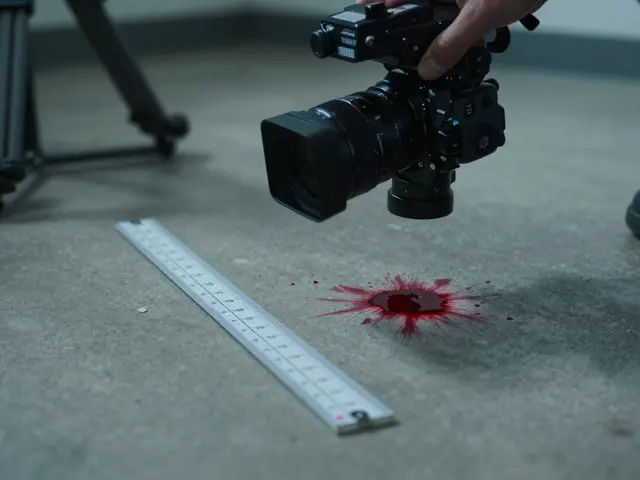
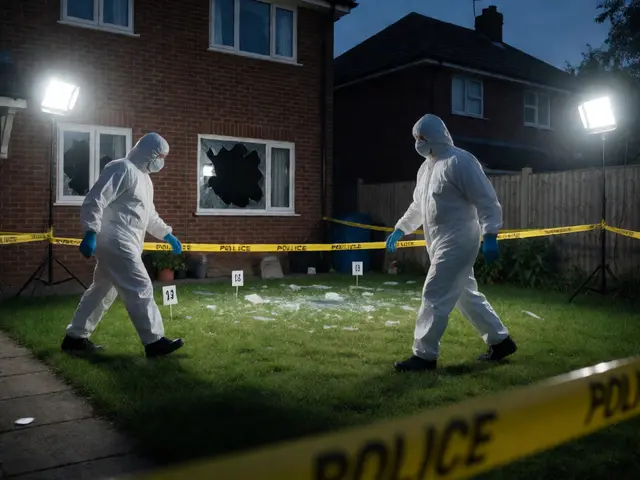
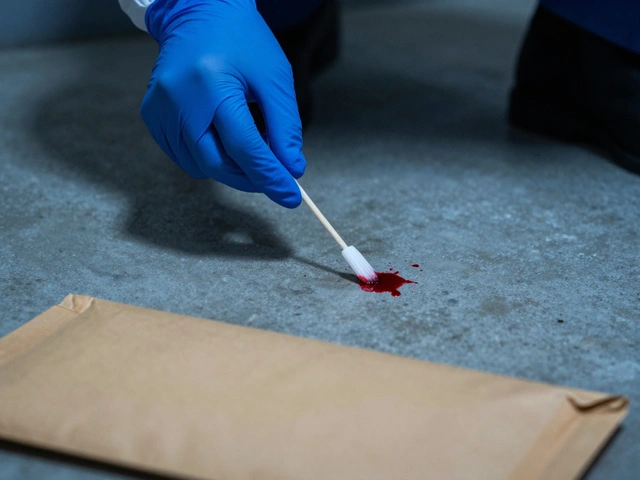
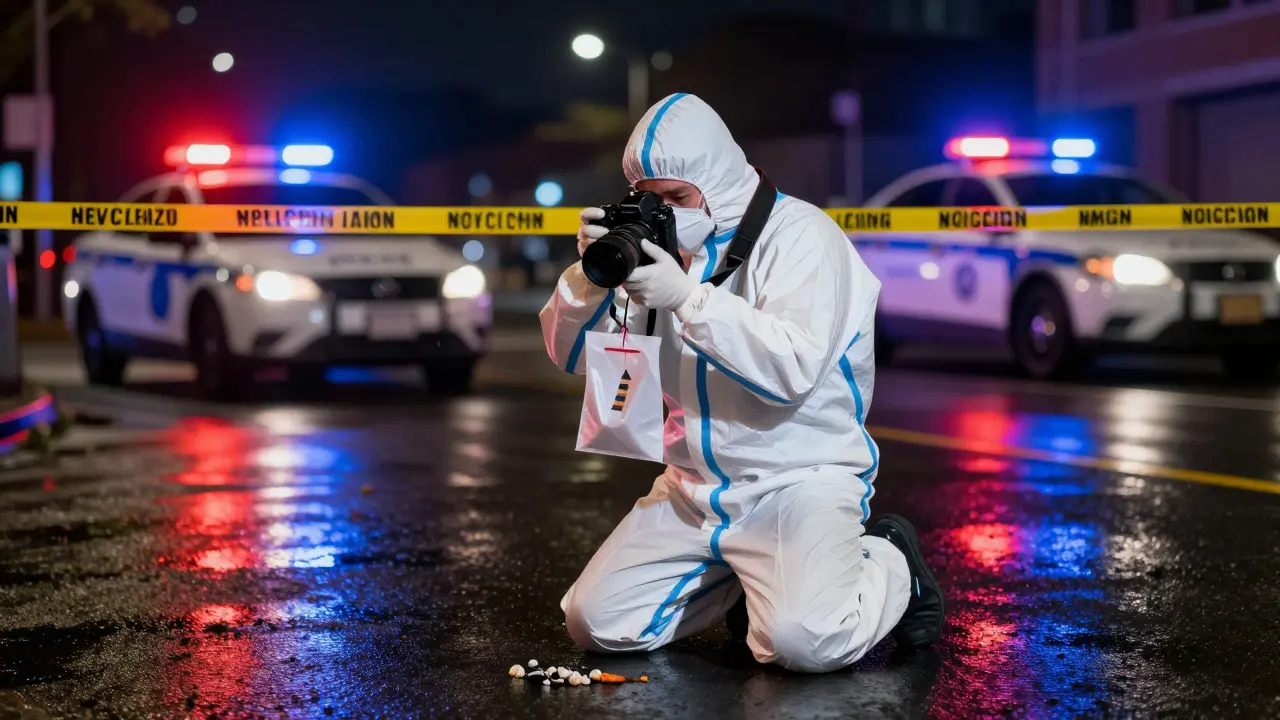
This is the most direct path to fieldwork. CSTs secure scenes, photograph evidence, and collect physical items like bloodstains, fibers, or shell casings. You don’t analyze the evidence in the lab; you gather it. A bachelor’s degree in Criminal Justice or Biology is typical, but some departments accept associate degrees if you have relevant internships. Pay ranges from $35,000 to $45,000 depending on location. - Forensic Laboratory Assistant
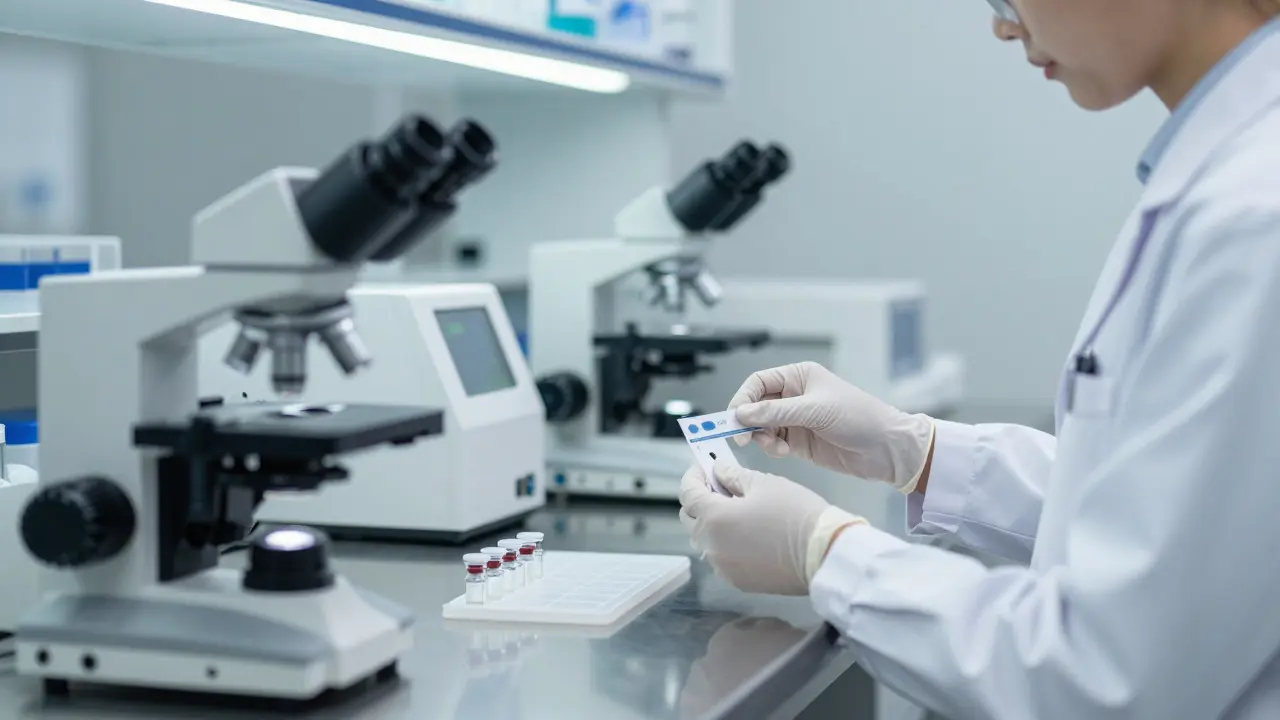
This role keeps the lab running. You prepare slides, label samples, maintain inventory, and clean instruments. It’s less glamorous than being a scientist, but it’s where you learn how the lab works internally. Many labs hire assistants with associate degrees, making this an accessible starting point. Salaries hover around $38,000 to $48,000. - Digital Forensics Analyst (Junior)
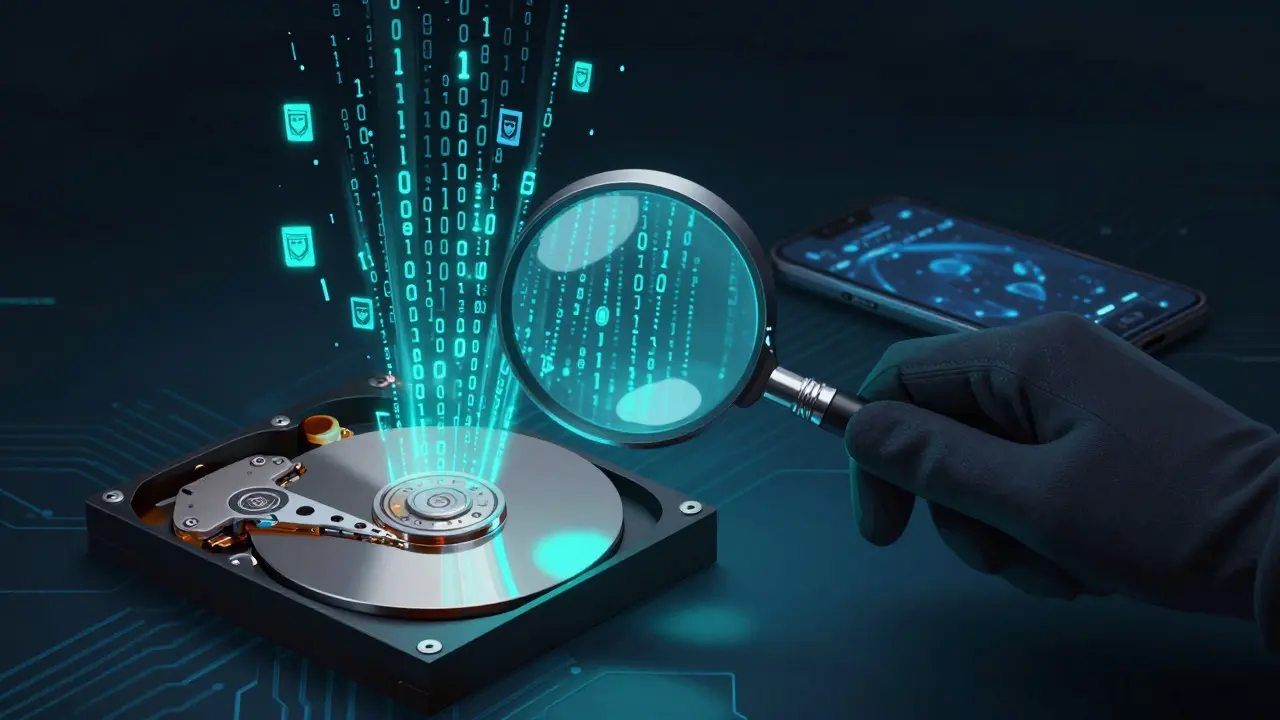
With the rise of cybercrime, digital forensics is booming. Junior analysts help recover data from phones, computers, and cloud drives. This role requires more technical skill upfront, such as knowledge of file systems, hex editors, or tools like EnCase or FTK. Expect a higher starting salary of $50,000 to $65,000, especially in private sector firms. - Forensic Evidence Clerk
Often overlooked, this administrative role manages the evidence room. You log items in and out, track storage locations, and ensure nothing gets lost. It’s a great way to understand legal procedures and chain of custody without needing a heavy science background. Pay is lower, around $30,000 to $38,000, but it’s a stable government job. - Fire Investigator Trainee
If you’re interested in fire causes, this is a niche but growing field. Trainees assist senior investigators at fire scenes, taking photos and collecting debris. Certification through organizations like the National Association of Fire Investigators (NAFI) can boost your resume significantly. Starting salaries vary widely, often tied to local fire department budgets.
Education vs. Experience: What Hiring Managers Actually Want
You might think a PhD is required. It’s not. For entry-level roles, a bachelor’s degree in a hard science (Chemistry, Biology, Physics) or Criminal Justice is standard. However, experience often outweighs GPA.
Here’s the trick: get an internship. Even unpaid ones count. Working in a police evidence room for three months during college tells a hiring manager you understand the pressure and precision required. It also gives you references from people who already work in the system.
Certifications matter too. While not always mandatory for entry, having one shows initiative. Consider:
- IACIS (International Association for Identification) certifications for fingerprinting or latent prints.
- ABFT (American Board of Forensic Toxicology) prep courses if you’re leaning toward toxicology.
- Digital forensics certifications like CHFI (Computer Hacking Forensic Investigator) for tech-focused roles.
Salary Expectations by Region and Sector
Pay varies drastically based on whether you work for a federal agency, state, county, or private company. Federal jobs (like FBI or DEA labs) offer higher salaries and better benefits but are harder to get into. Private firms pay well for specialized skills like digital forensics but may lack the stability of government roles.
| Role | Federal/State | County/City | Private Sector |
|---|---|---|---|
| Crime Scene Technician | $42,000 - $55,000 | $35,000 - $45,000 | Rarely hired directly |
| Forensic Lab Assistant | $40,000 - $50,000 | $38,000 - $48,000 | $45,000 - $55,000 |
| Digital Forensics Analyst | $55,000 - $70,000 | $50,000 - $60,000 | $60,000 - $80,000 |
| Evidence Clerk | $35,000 - $42,000 | $30,000 - $38,000 | N/A |
Note: These figures reflect base salary before overtime. Fieldwork roles like CST often involve significant overtime, which can boost total compensation by 15-20%.
How to Build Your Resume for Forensic Jobs
Your resume shouldn’t just list your degree. It needs to show you can handle pressure and attention to detail. Here’s how to structure it:
- Highlight Technical Skills: List specific software (EnCase, Adobe Lightroom for photo enhancement), lab techniques (chromatography, microscopy), or hardware you’ve used.
- Quantify Achievements: Instead of "Assisted in lab," say "Processed 50+ samples per week with zero errors."
- Show Legal Awareness: Mention any coursework or training in evidence handling, chain of custody, or courtroom testimony preparation.
- Include Certifications: Put these near the top if they’re relevant. They signal proactive learning.
Avoid vague buzzwords. Recruiters in this field know exactly what terms mean. Be specific. If you worked with DNA extraction kits, name them. If you used a specific brand of microscope, mention it.
Common Mistakes to Avoid
Many candidates fail not because they lack skills, but because they make simple mistakes in the application process.
- Ignoring Local Job Boards: Don’t just search national sites. Check your county sheriff’s website, city police department pages, and state forensic lab career portals. Many entry-level jobs are only posted locally for 30 days.
- Skipping the Physical Test: Crime scene and field roles often require lifting up to 50 pounds and standing for long periods. If you don’t meet the physical standards, you won’t pass the next step.
- Underestimating the Interview: Behavioral questions are common. Prepare stories about times you handled a mistake, worked under deadline, or explained complex info to non-experts.
- Not Networking: Join local chapters of professional associations like IAF (American Academy of Forensic Sciences). Attend their meetings. Often, jobs are filled through referrals before they’re publicly posted.
FAQ
Do I need a master’s degree to start in forensics?
No. Most entry-level positions like Crime Scene Technician or Lab Assistant require only a bachelor’s degree. Some even accept associate degrees if you have relevant experience. A master’s becomes important later if you want to become a lead scientist or move into management.
Which forensic specialty pays the most at entry level?
Digital Forensics typically offers the highest starting salary, often exceeding $60,000 in the private sector. Traditional fields like DNA analysis or toxicology start lower but grow quickly with experience. Fire Investigation pay varies widely by region.
Is it hard to get hired in forensic science?
Yes, competition is high because the field is popular. To stand out, gain practical experience through internships, obtain relevant certifications, and apply to multiple jurisdictions. Smaller counties may have fewer applicants than major cities.
What is the difference between a forensic scientist and a crime scene technician?
A Crime Scene Technician collects and preserves evidence at the scene. A Forensic Scientist analyzes that evidence in the lab. Technicians are field-based; scientists are lab-based. Most technicians transition to lab roles after gaining experience.
Can I work in forensics with a criminal justice degree instead of a science degree?
Yes, for roles like Evidence Clerk or Crime Scene Technician, a Criminal Justice degree is sufficient. For lab-based analysis roles, you’ll likely need additional science coursework or a minor in Chemistry/Biology. Check specific job postings for exact requirements.