Imagine this: You’ve spent six hours processing a complex homicide scene. The rain is starting to fall, your shift is ending, and you’re exhausted. You hand over the case file to the night detective and head home. Two days later, that detective testifies in court that a crucial piece of bloodstain evidence was never collected because it wasn’t mentioned in the verbal update. The defense attorney tears apart the credibility of your entire unit. The case collapses.
This isn’t just a hypothetical nightmare; it’s the direct result of failed communication during crime scene handoffs, which are the structured transfer of information, authority, and responsibility between investigative teams or disciplines. In high-stakes environments like law enforcement and forensics, memory fades quickly under stress. Without a rigid framework for how we talk, listen, and document our findings, critical details slip through the cracks.
Effective team communication is not about being friendly; it is about precision. It involves pre-scene briefings, real-time updates, formal handoffs, and post-incident debriefings. By borrowing proven strategies from healthcare and aviation, crime scene units can eliminate ambiguity, protect the chain of custody, and ensure that justice isn’t compromised by poor conversation.
The Anatomy of a Structured Briefing
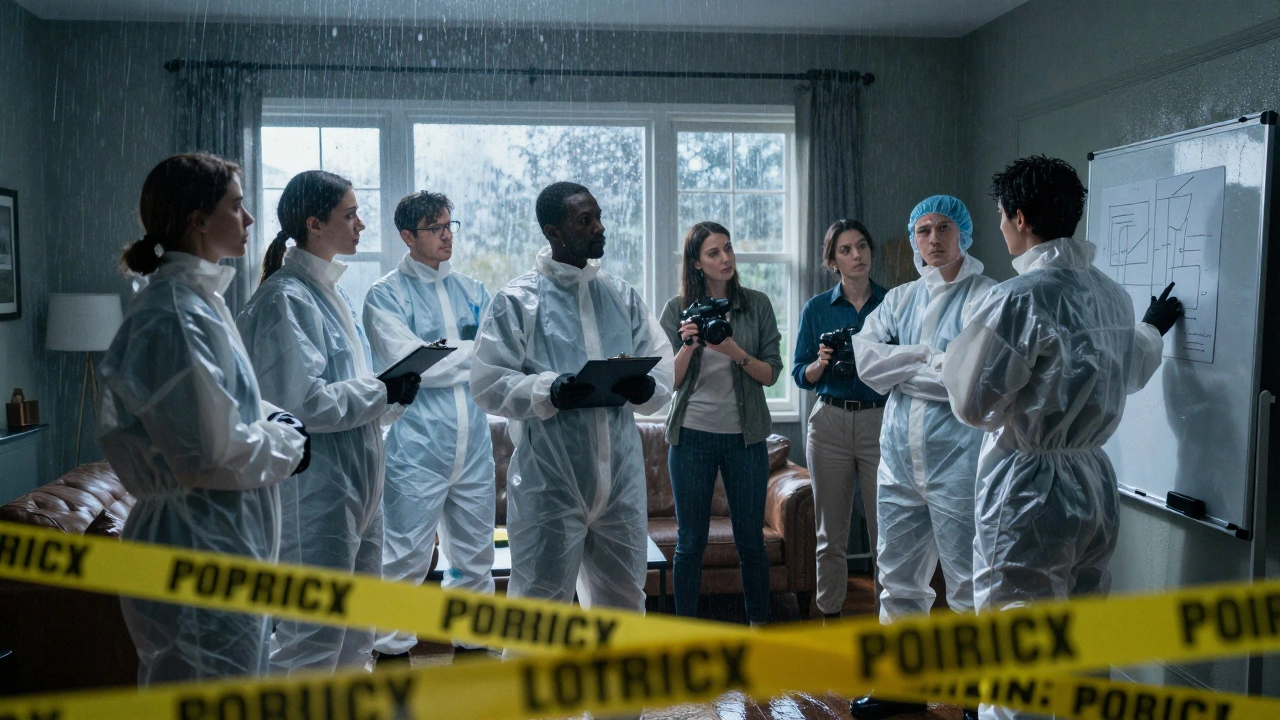
Most mistakes happen before the first piece of evidence is bagged. If the team doesn’t start on the same page, they will finish miles apart. A structured briefing sets the operational tempo for the entire scene. According to forensic operations experts like GapScience, a high-performing briefing must include four non-negotiable elements.
- Clear Agenda: Define the goals. Are we looking for trace evidence? Is this a potential mass casualty event? Outline expected outcomes so everyone knows the endgame.
- Risk Identification: Highlight hazards immediately. Biohazards, structural instability, or active threats must be communicated before anyone crosses the perimeter.
- Role Assignment: Ambiguity is the enemy. Who is photographing? Who is sketching? Who is collecting biological samples? Every person needs a specific job title and scope.
- Timeboxing: Keep it short. Long meetings degrade attention spans. A focused ten-minute huddle is more effective than an hour-long lecture.
Think of this like a surgical timeout in an operating room. The surgeon, nurses, and anesthetist pause to confirm the patient, the procedure, and the site. In forensics, your “timeout” ensures that the CSI photographer isn’t walking into a hazard zone while the evidence technician is trying to secure a fragile print. When roles are clear, redundancy decreases, and coverage increases.
Real-Time Updates: Cutting Through the Noise
Once the scene is live, communication shifts from planning to execution. This is where information overload often kills efficiency. Teams tend to broadcast every minor observation, clogging radio channels and secure messaging apps with noise.
To maintain clarity, establish strict protocols for what qualifies as a real-time update. Only essential information should be broadcast. For example, if a new body is discovered, that is a priority update. If a technician finds a second coffee cup near the kitchen sink, that might wait for the detailed log unless it changes the immediate search pattern.
Use defined channels for different types of data:
- Radio/Voice: Immediate safety alerts and major discoveries.
- Secure Messaging: Evidence numbers, timestamps, and photo references.
- Written Logs: Detailed observations and preliminary assessments.
Crucially, never assume that written notes will be read passively. In healthcare, the Agency for Healthcare Research and Quality (AHRQ) emphasizes that senders cannot assume receivers have seen the documentation. In crime scenes, this means following up a text message with a verbal confirmation. Did the lead investigator see the note about the missing window latch? Ask them directly.
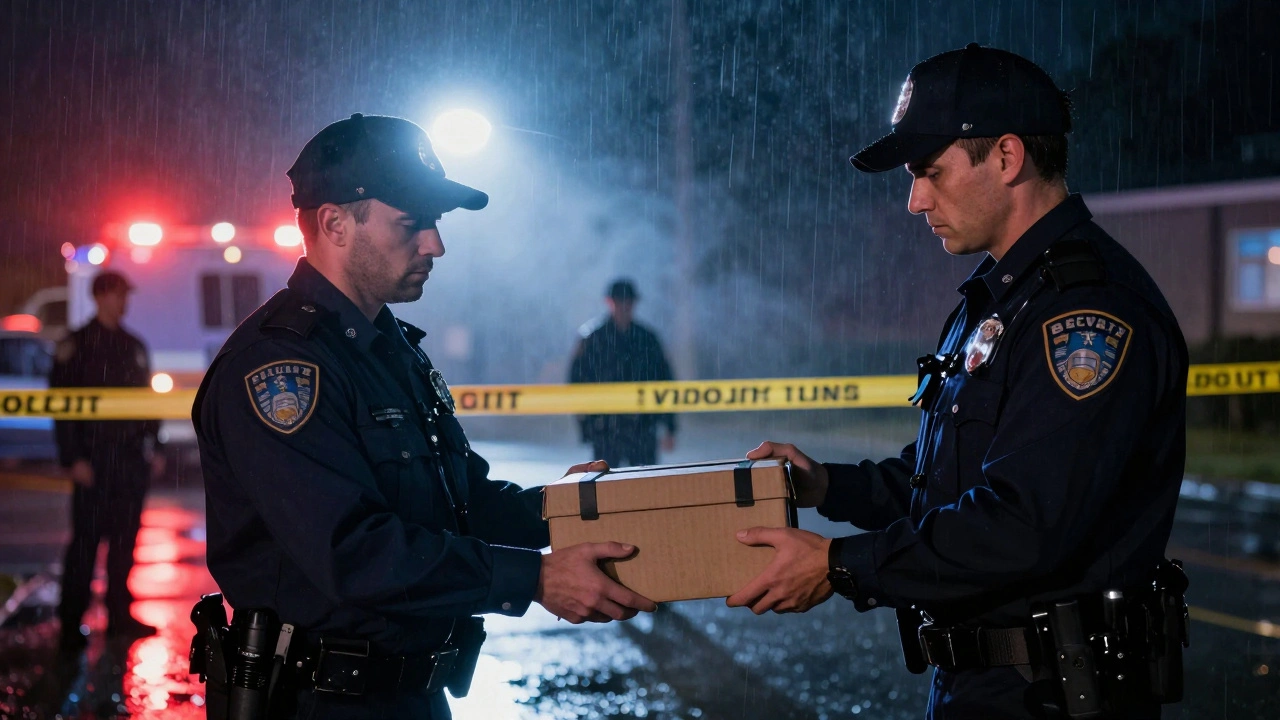
The Art of the Handoff: Borrowing from Medicine
The transition between shifts or between the crime scene unit and the laboratory is the most vulnerable point in the investigative chain. This is where the concept of the handoff becomes critical. A proper handoff transfers not just data, but accountability.
Healthcare has perfected this process through tools like SBAR (Situation, Background, Assessment, Recommendation). For forensic work, we can adapt this into a robust framework, often called SBAR+2, to handle the complexities of legal evidence.
| Step | Component | Action Item |
|---|---|---|
| 1 | Introduction | Identify yourself, your role, and your unit clearly. |
| 2 | Situation | State the case number, location, type of crime, and current status. |
| 3 | Background | Provide pertinent history: entry/exit points, witness statements, prior calls. |
| 4 | Assessment | Share your working reconstruction and key uncertainties. |
| 5 | Recommendation | List pending tests, next steps, and required resources. |
| 6 | Q&A (The +2) | Verify understanding. Allow the receiver to ask questions and read back critical info. |
Notice the final step: Q&A. This is where most handoffs fail. The outgoing officer dumps information and leaves. The incoming detective nods but hasn’t processed it. With SBAR+2, the receiver must actively engage. They might say, "So, you’re saying the latent prints on the doorframe were lifted, but the ones on the windowsill are still pending lab analysis?" This read-back confirms mutual understanding and closes the loop.
When handing off evidence to the laboratory, apply the same rigor. The scientist receiving the sample needs to know not just what it is, but why it matters. Is it a control sample? Is it linked to a specific suspect? Ambiguity here leads to wasted resources or missed connections.

Post-Scene Debriefings: Learning Without Blame
The scene is secured, the evidence is boxed, and the tape is down. But the work isn’t finished until the team debriefs. Many agencies skip this step due to fatigue or time pressure, viewing it as optional administrative busywork. This is a costly mistake.
A effective debriefing serves two purposes: immediate operational improvement and long-term cultural development. The Police Executive Research Forum (PERF) distinguishes between two types of debriefs: the "hotwash" and the formal review.
The Hotwash happens immediately, often at the scene or within 30 minutes of closure. It’s quick-under 15 minutes. Each team member shares one thing that went well and one thing that didn’t. It captures fresh impressions before memories fade. Did the lighting setup work? Was the radio channel too crowded?
The Formal Debrief occurs later, involving supervisors, detectives, and sometimes external reviewers. This session dives deeper into tactics, decision-making, and policy issues. It’s not about who made a mistake; it’s about how the system performed.
For either format to work, psychological safety is paramount. Junior staff often spot details leaders miss-a loose thread on a chair, a faint odor of accelerant. If the culture is punitive, they will stay silent. Leaders must model respectful communication and explicitly invite feedback. Celebrate successes alongside challenges. Document lessons learned in a running record. If a communication breakdown occurred, assign an owner and a deadline to fix the process, not to punish the person.
Building a Culture of Communication
Tools like SBAR+2 are useless if the team lacks the trust to use them. Building a communicative culture requires intentional effort. Encourage openness by rewarding questions, not penalizing them. Model respectful behavior; if a supervisor interrupts constantly, the team will learn to withhold information.
Cross-training also helps. When a photographer understands the pressures of an evidence collector, they collaborate better. Simulate real scenarios regularly. Run drills where communication is deliberately disrupted, forcing the team to rely on their protocols. Over time, these practices become muscle memory.
In conclusion, crime scene investigations are not solo acts. They are complex orchestras of specialists. When the conductor stops, the music shouldn’t stop-it should transition seamlessly. By implementing structured briefings, precise handoffs, and blame-free debriefings, you protect the integrity of the evidence and the credibility of the justice system. Your future self, standing in a courtroom, will thank you for taking those extra minutes to communicate clearly today.
What is the difference between a hotwash and a formal debriefing?
A hotwash is an immediate, short (under 15 minutes) review conducted right after an incident to capture fresh impressions and immediate safety or operational issues. A formal debriefing occurs later, involves more stakeholders, and provides a deeper analysis of tactics, decision-making, and systemic improvements without the pressure of immediate aftermath.
Why is the SBAR+2 protocol recommended for crime scenes?
SBAR+2 adds a crucial Question & Answer phase to the standard Situation-Background-Assessment-Recommendation model. This ensures that the receiver of information actively verifies their understanding, reducing miscommunication errors during critical handoffs between shifts or departments.
How do I prevent information overload during real-time scene updates?
Establish clear protocols defining what constitutes a "priority" update. Use specific channels for different data types (radio for emergencies, secure apps for logs). Avoid broadcasting minor observations that don't change the immediate operational plan, ensuring that critical alerts stand out.
Who should participate in a post-scene debriefing?
All team members involved in the operation should participate, including junior staff, technicians, photographers, and supervisors. Involving the whole team ensures diverse perspectives are heard and fosters a culture of psychological safety where everyone feels comfortable sharing insights.
Is documentation required after a verbal handoff?
Yes. While verbal handoffs using frameworks like SBAR+2 ensure immediate clarity, they must be followed by written documentation. This creates a permanent record for legal audits, chain-of-custody verification, and future reference, protecting both the investigation and the personnel involved.