Author: Ian Brophy - Page 23

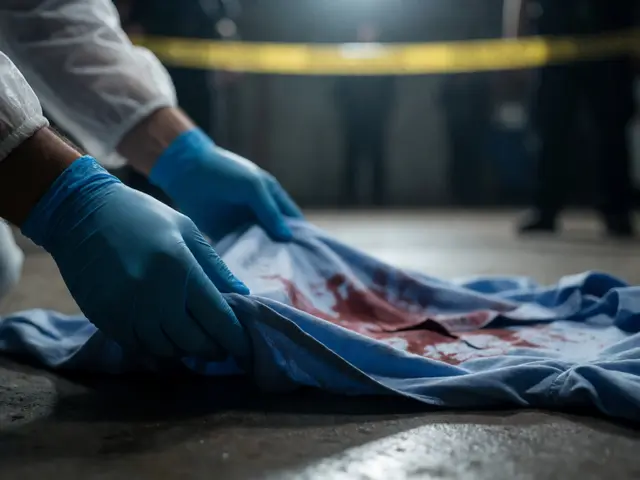
How to Preserve Crime Scenes in Crowded Public Areas
- By : Ian Brophy
- Date : Aug 16 2026
Discover effective strategies for preserving crime scenes in crowded public areas. Learn how to manage crowds, control access, and protect fragile evidence from contamination.
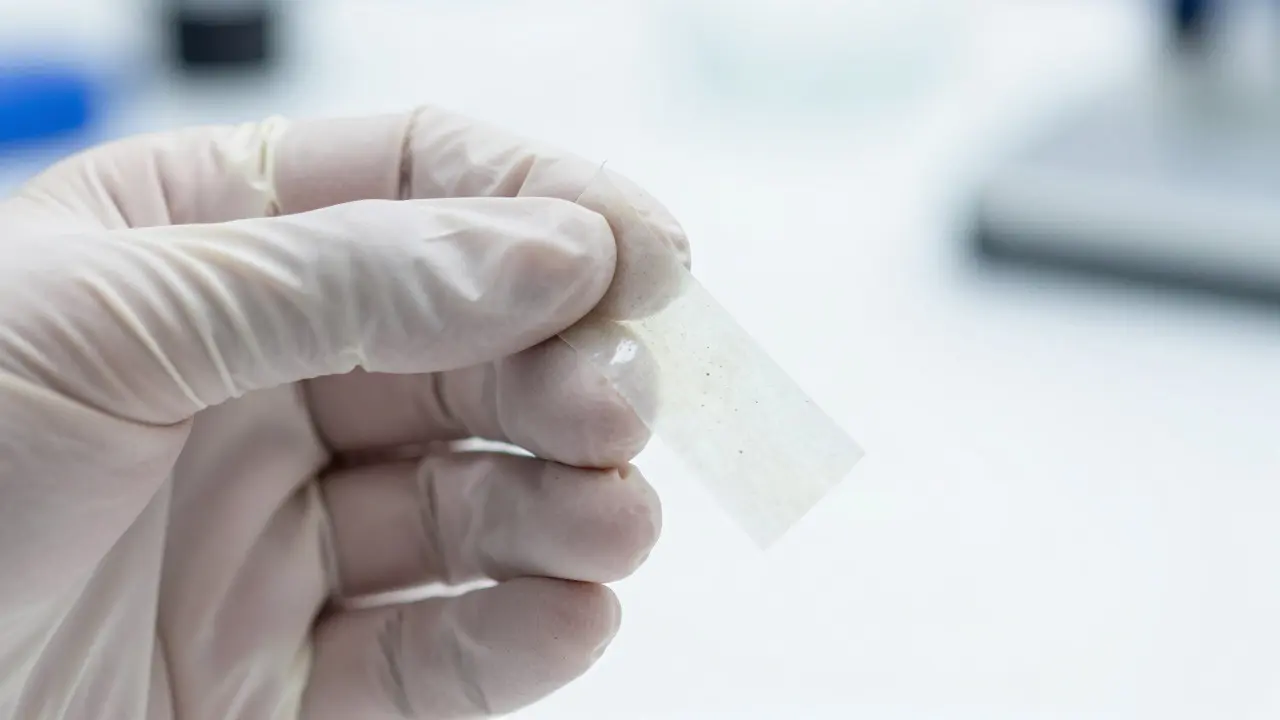
Gunshot Primer Residue vs. Environmental Particles: Forensic Identification Guide
- By : Ian Brophy
- Date : Aug 16 2026
Learn how forensic experts distinguish gunshot residue from environmental dust using shape, chemistry, and advanced lab techniques to avoid false evidence.
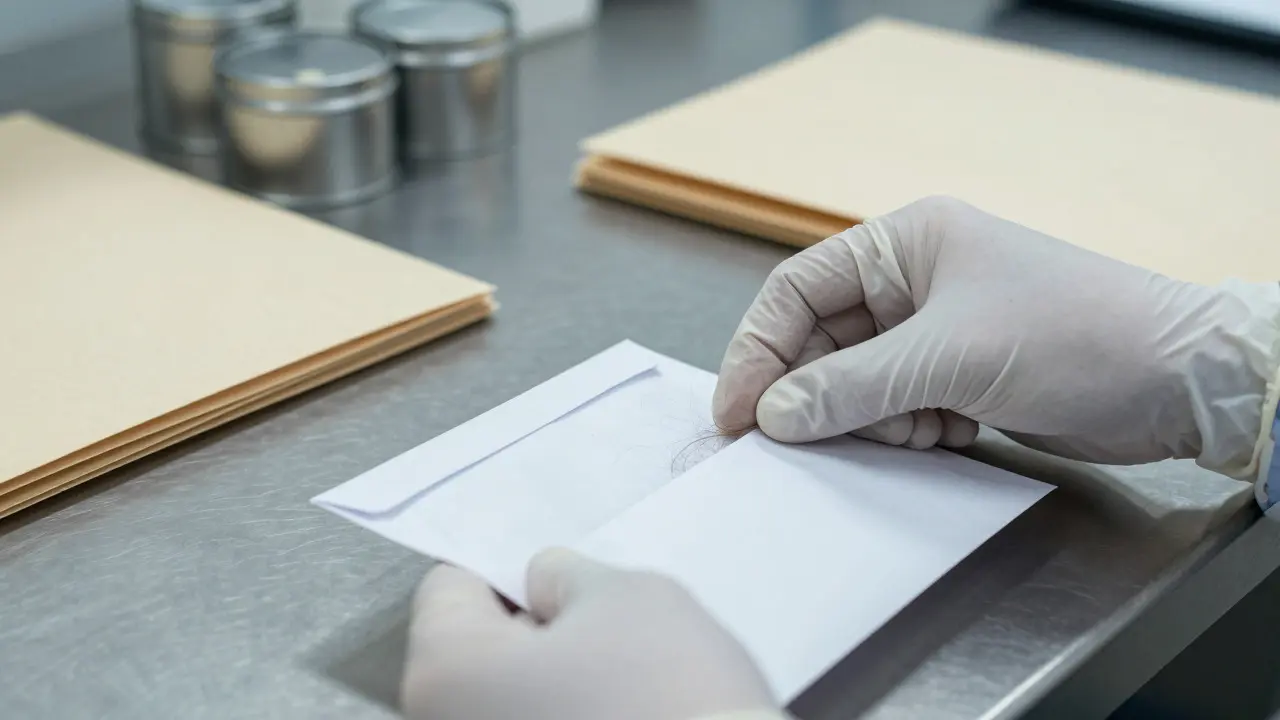
Packaging Trace Evidence: A Practical Guide to Preventing Loss and Contamination
- By : Ian Brophy
- Date : Aug 16 2026
Learn how to properly package trace evidence to prevent loss and contamination. Covers container selection, chain of custody, transport tips, and storage best practices for forensic integrity.
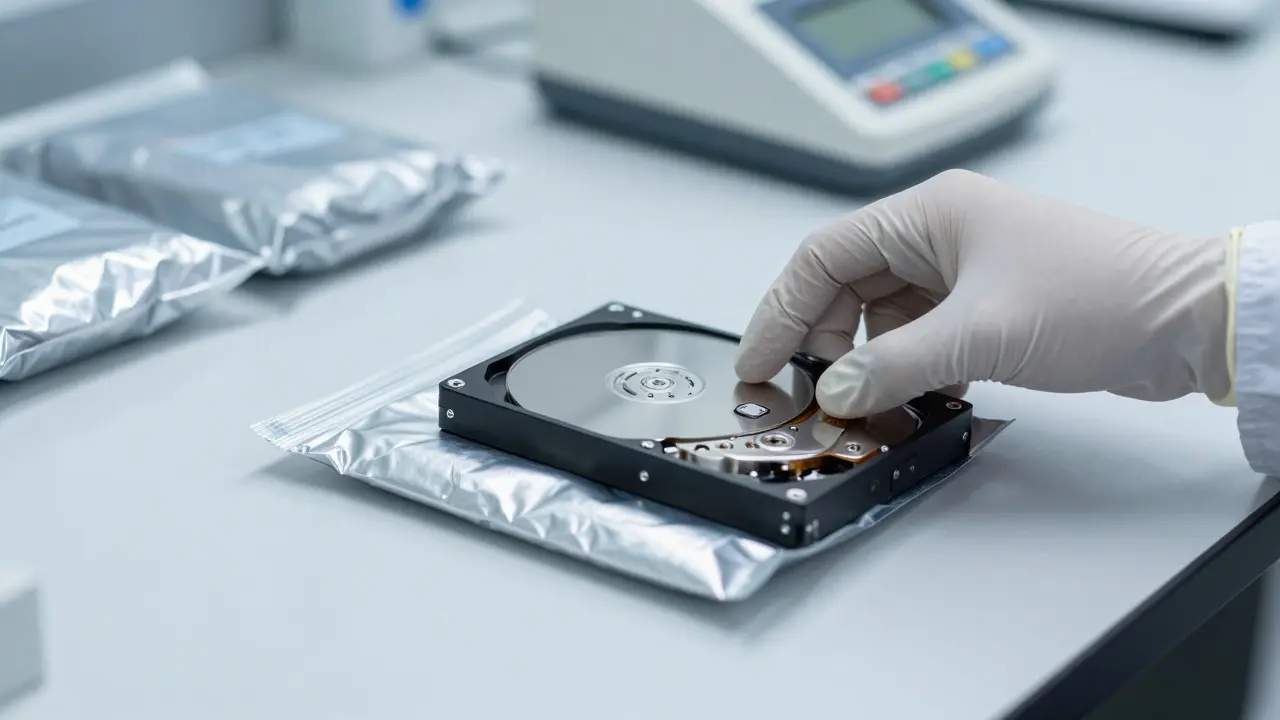
Chain of Custody for Digital Evidence: A Practical Guide
- By : Ian Brophy
- Date : Aug 16 2026
Learn how to maintain an unbroken chain of custody for digital evidence. Covers forensic imaging, hash verification, and legal standards to ensure admissibility in court.
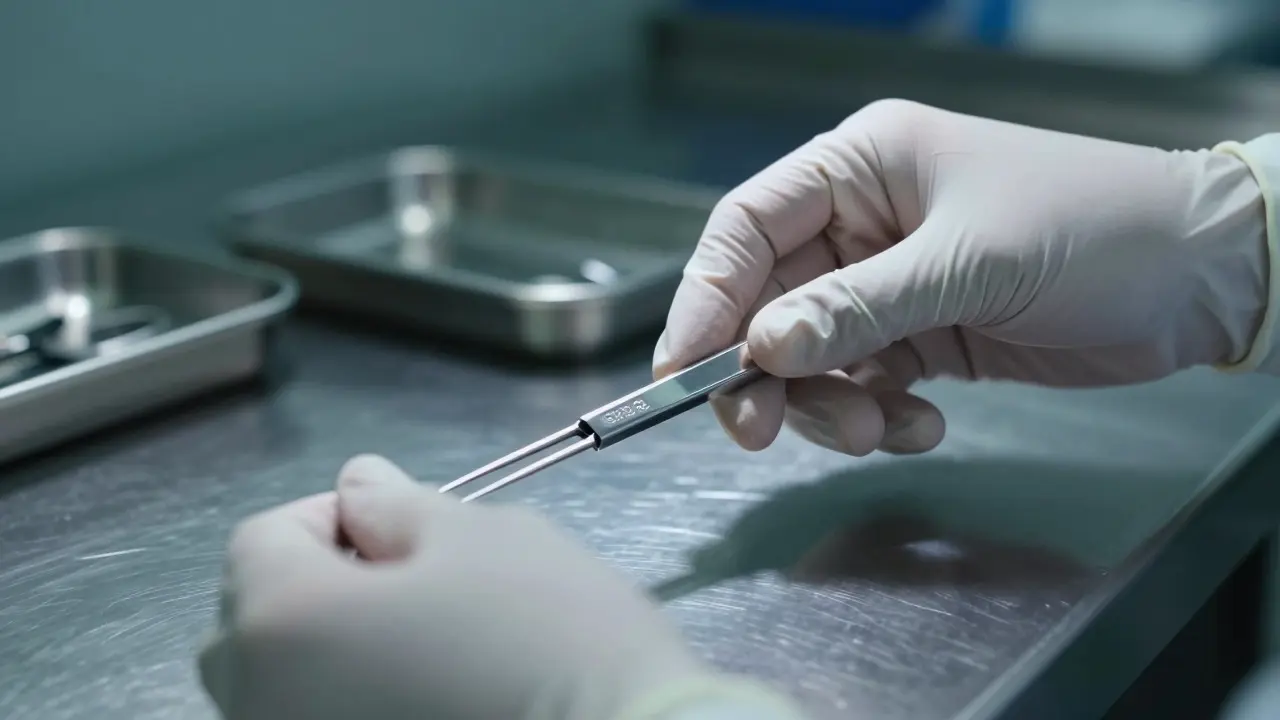
Autopsy Types Explained: Full, Limited, and Forensic Differences
- By : Ian Brophy
- Date : Aug 16 2026
Learn the key differences between full, limited, and forensic autopsies. Understand how each type impacts cause of death determination and legal outcomes.
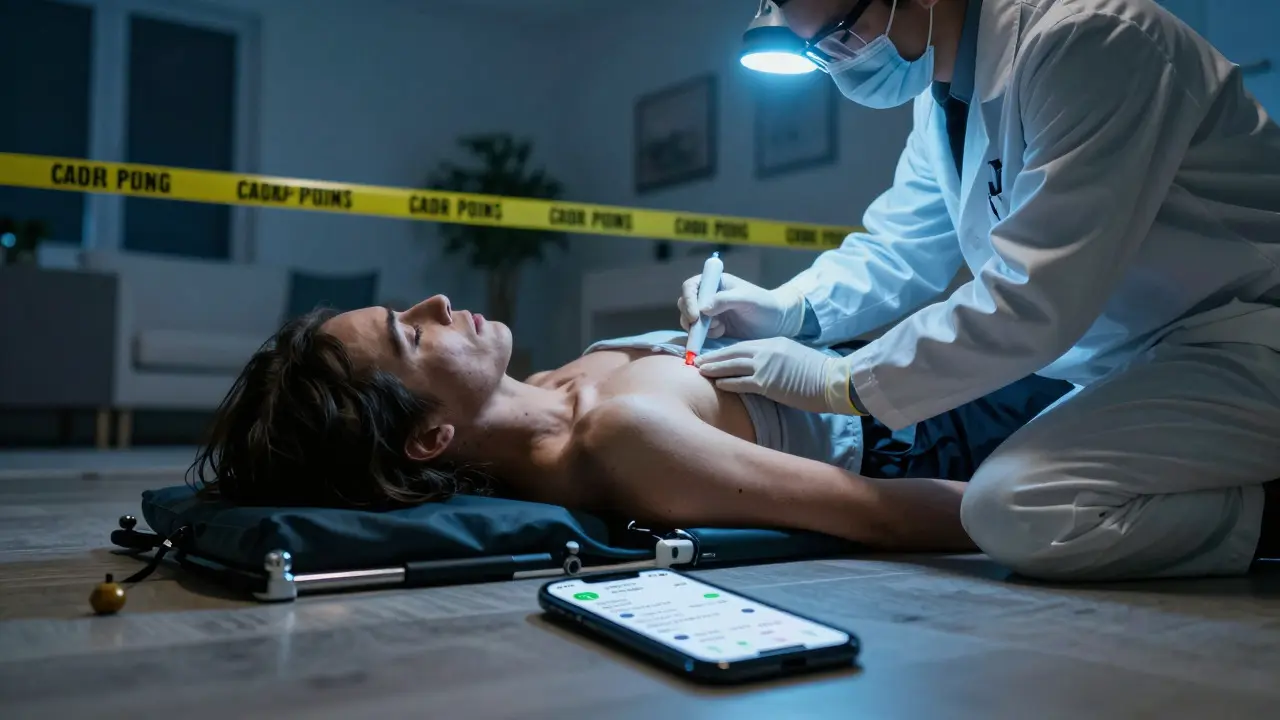
Timeline Reconstruction: How Investigators Establish the Homicide Sequence
- By : Ian Brophy
- Date : Aug 16 2026
Learn how investigators build accurate homicide timelines using digital forensics, medical data, and witness accounts to solve crimes.
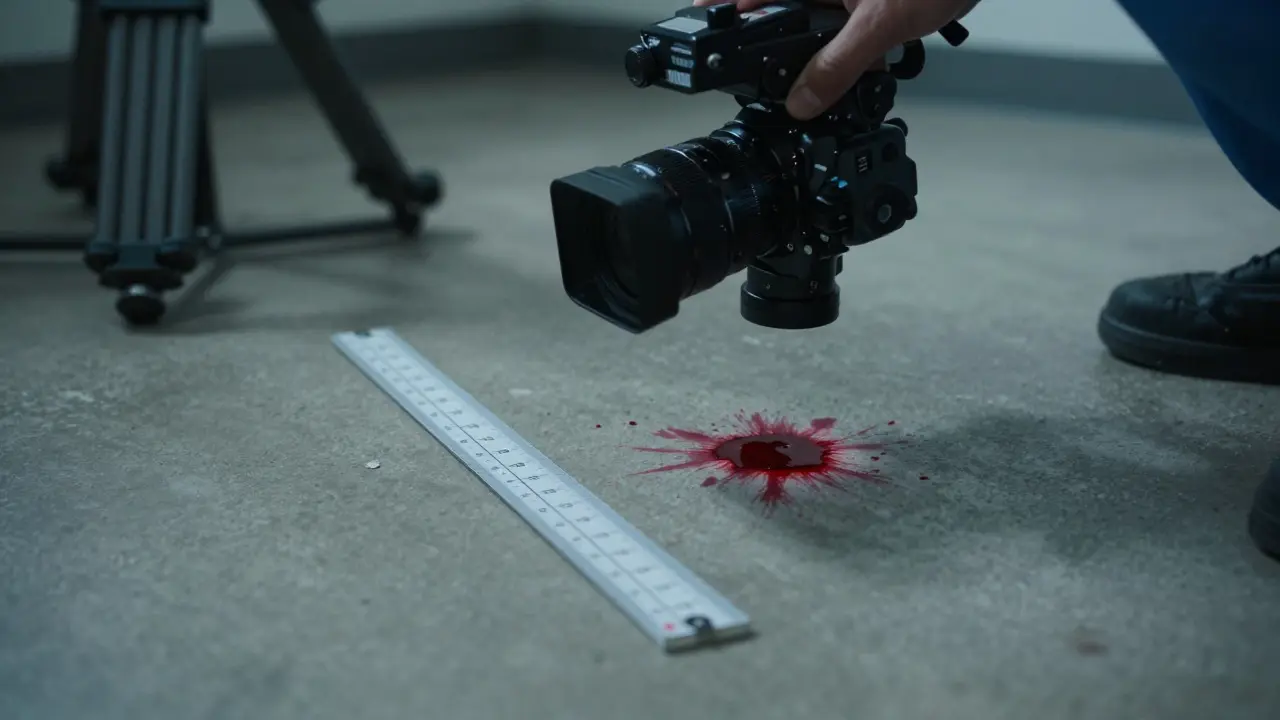
Photography Distortion in Court: Legal Admissibility Standards
- By : Ian Brophy
- Date : Aug 16 2026
Learn how to avoid photographic distortion in crime scenes to ensure legal admissibility. Covers lens choice, lighting, scale usage, and digital integrity for forensic imaging.
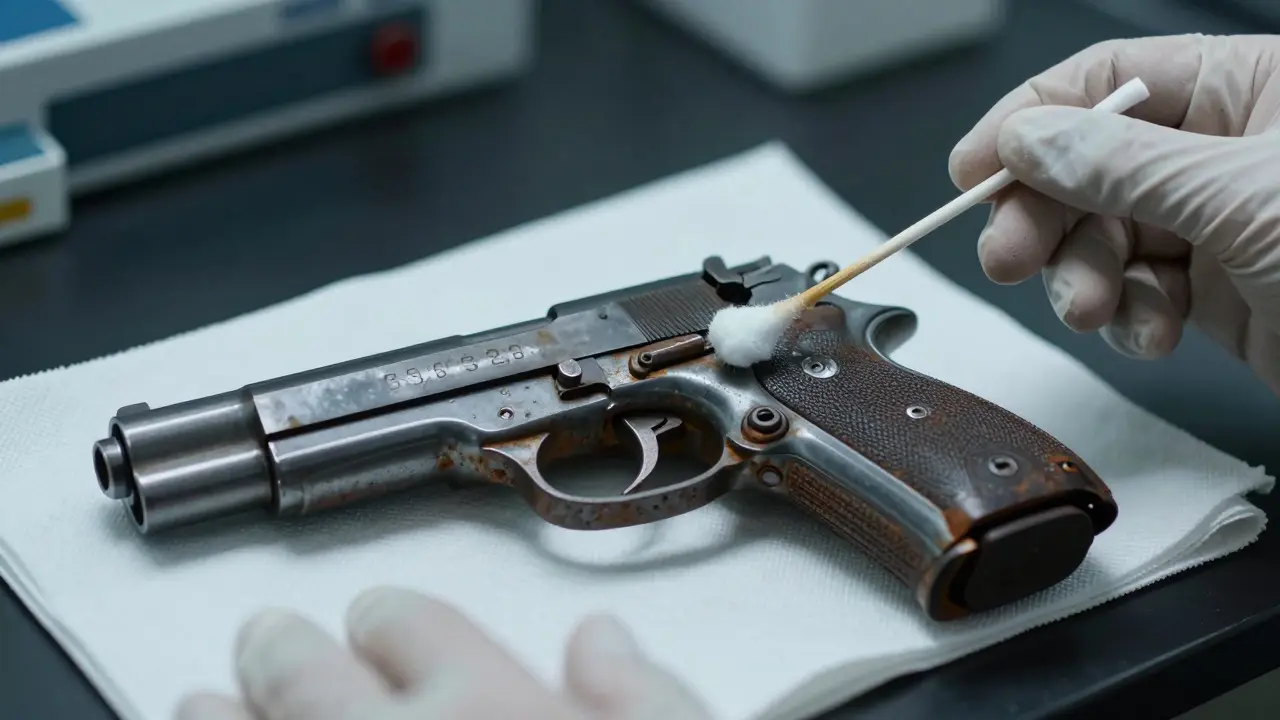
Serial Number Restoration: Chemical and Magnetic Methods Explained
- By : Ian Brophy
- Date : Aug 16 2026
Learn how to recover missing firearm serial numbers using chemical etching and magnetic particle inspection. This guide covers techniques, pitfalls, and legal requirements for forensic examiners.

Family Annihilator Profiles: Key Stressors and Warning Signs
- By : Ian Brophy
- Date : Aug 16 2026
Explore the psychological profile of family annihilators, identifying key stressors like divorce and economic collapse. Learn the behavioral warning signs that precede these tragic events.
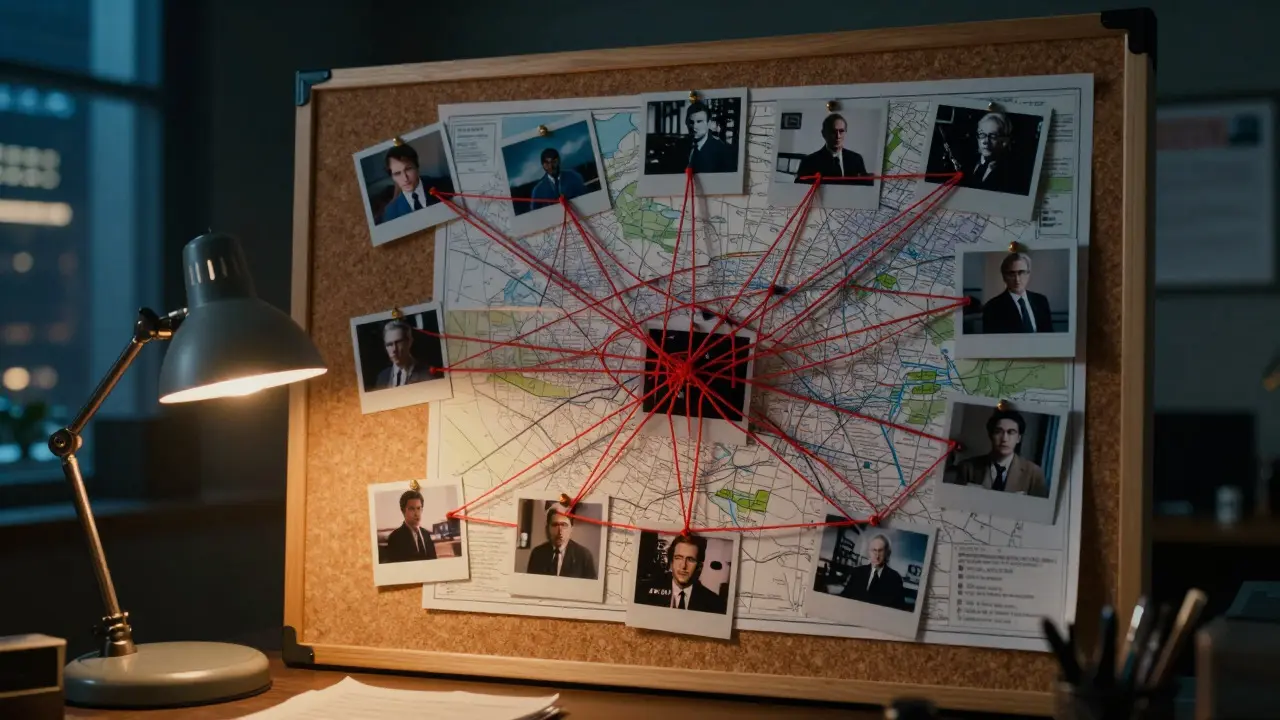
Serial Killer Investigation: Identifying Multiple Victims and Linking Cases
- By : Ian Brophy
- Date : Aug 16 2026
Discover how investigators link disparate crimes to identify serial killers. Learn about victimology, geographic profiling, and behavioral analysis techniques.

Personal Effects: Using Items to Identify Victims
- By : Ian Brophy
- Date : Aug 16 2026
Learn how forensic experts use personal effects like jewelry, phones, and medical implants to identify missing persons. Discover the methods, challenges, and best practices in victim identification.
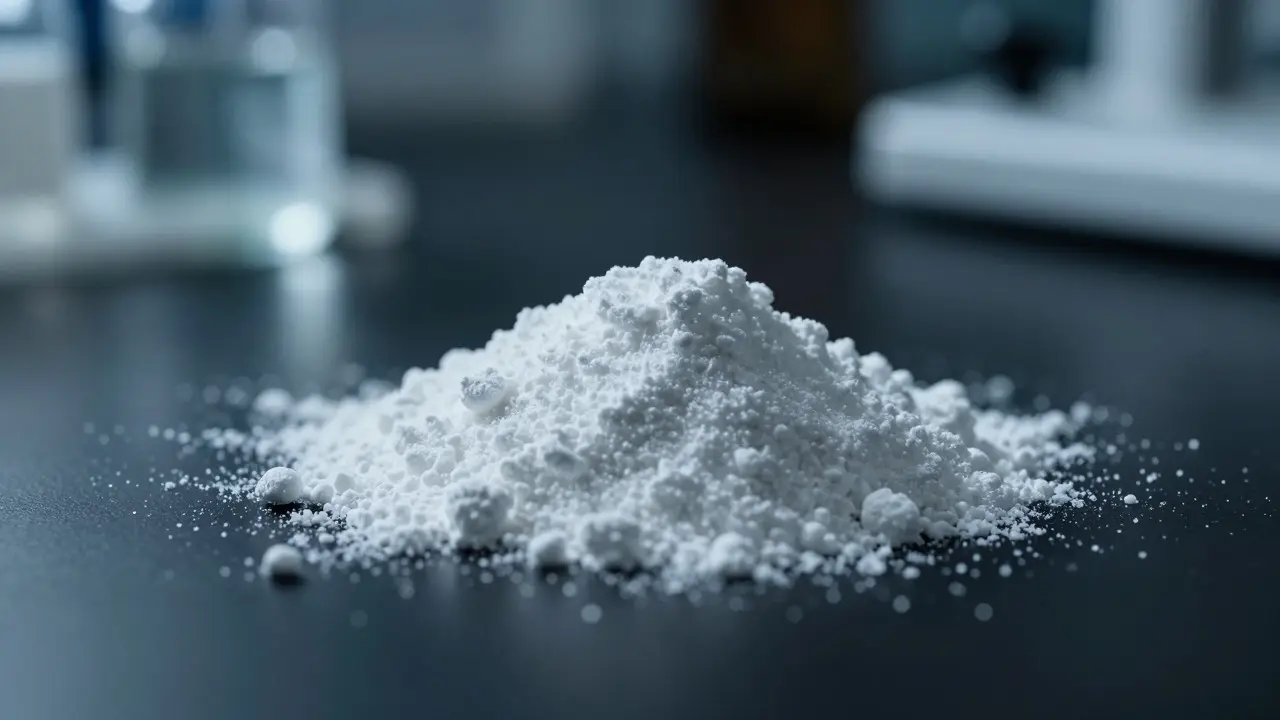
Opioid Analog Detection: Carfentanil and Emerging Threats in Forensic Toxicology
- By : Ian Brophy
- Date : Aug 16 2026
Explore the challenges of detecting carfentanil and emerging opioid analogs. Learn why LC-MS/MS is the gold standard and how labs stay ahead of synthetic threats.