Author: Ian Brophy
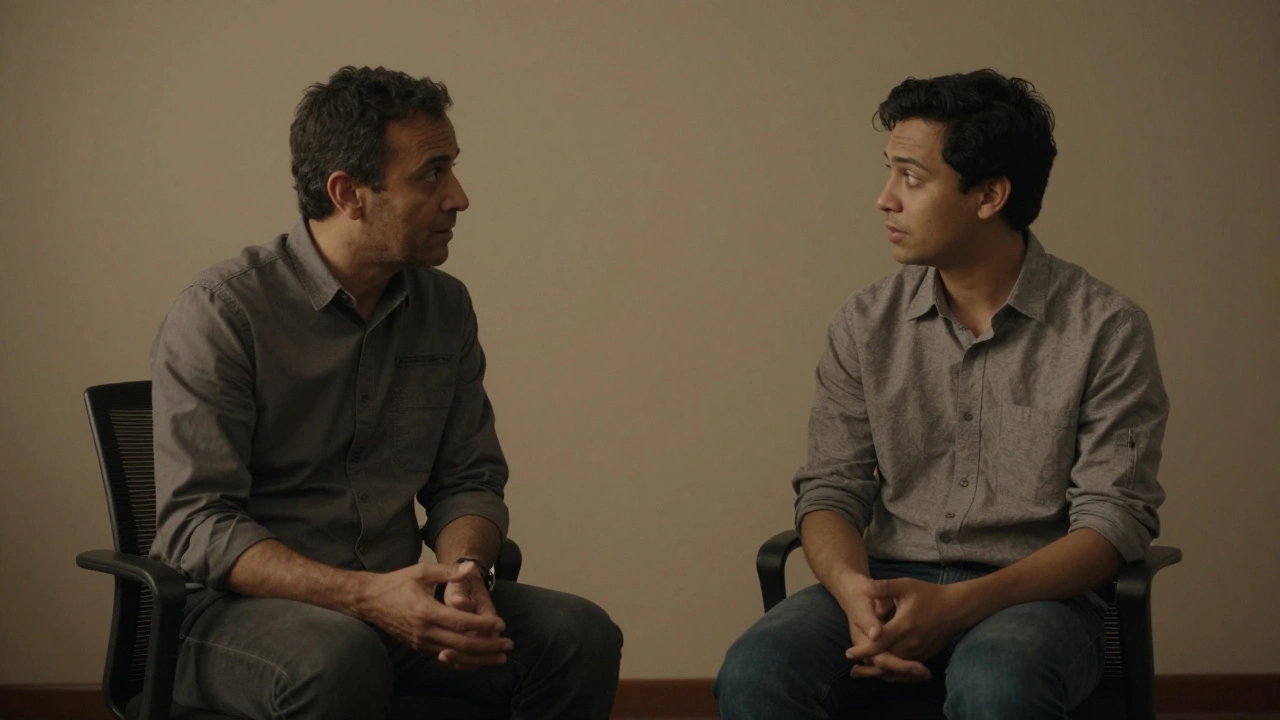
Investigative Interviewing: How Rapport and Cognitive Techniques Improve Information Gathering
- By : Ian Brophy
- Date : Mar 24 2026
Investigative interviewing relies on rapport and cognitive techniques to draw out accurate, detailed information from witnesses and suspects. Learn how proven methods like PEACE, OARS, and memory reconstruction improve outcomes in real-world investigations.

Documenting Bloodstain Patterns: Photography and Measurement Techniques
- By : Ian Brophy
- Date : Mar 24 2026
Accurate documentation of bloodstain patterns through photography and measurement is essential for forensic reconstruction. This guide covers the correct techniques, equipment, and protocols used by professionals to preserve evidence for investigation and courtroom use.
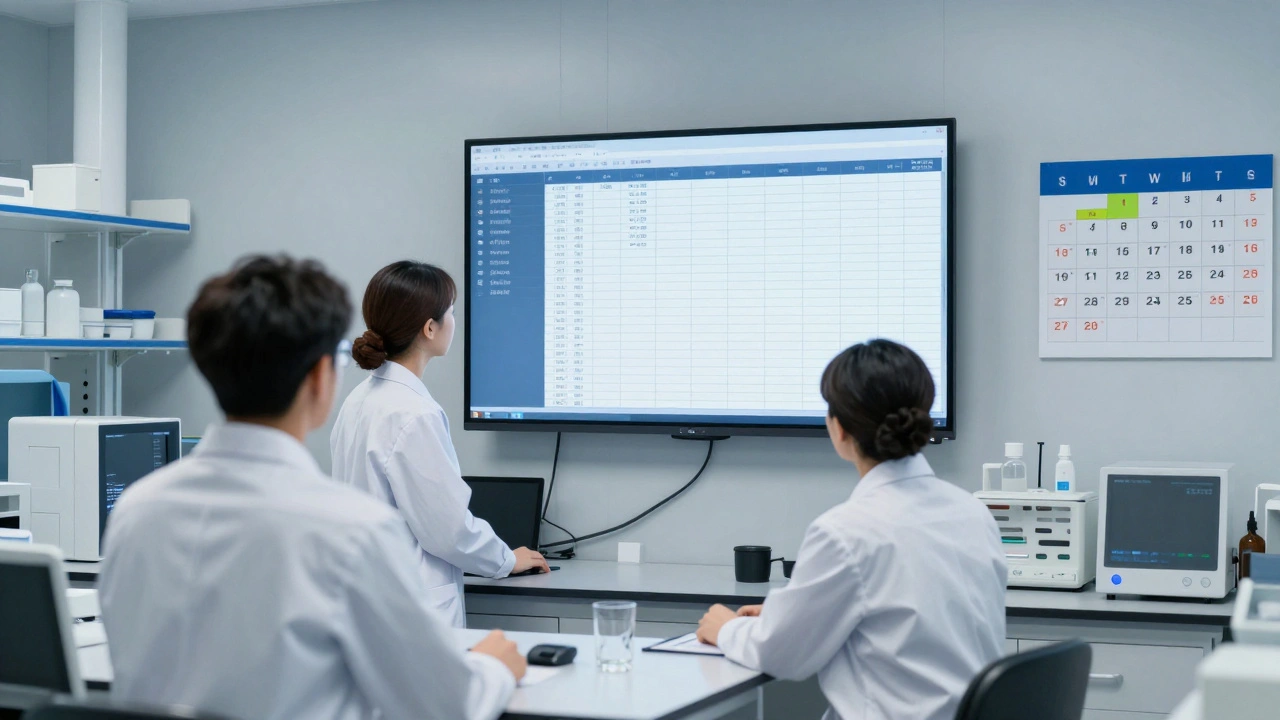
Accreditation Maintenance: Surveillance and Renewal Cycles Explained
- By : Ian Brophy
- Date : Mar 24 2026
Accreditation maintenance requires ongoing surveillance and timely renewals to stay compliant. Learn how surveillance cycles work, what happens if you miss deadlines, and how to build a system that keeps your lab accredited without stress.
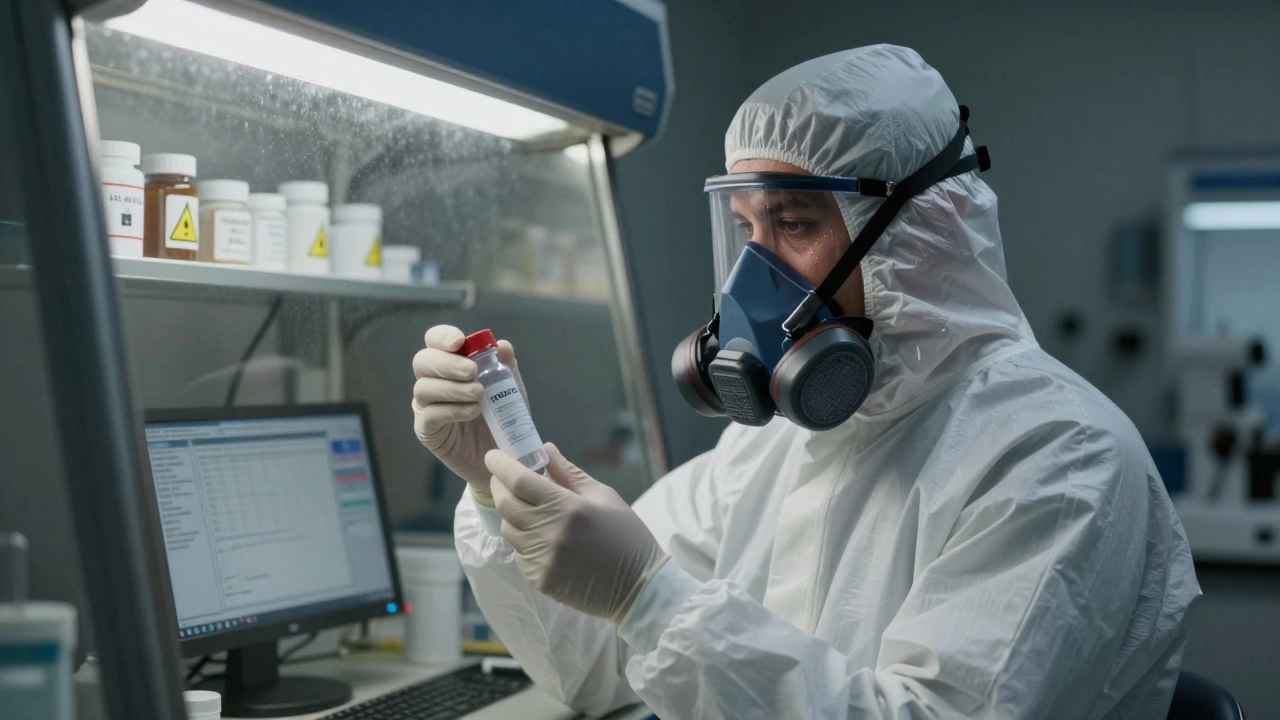
Toxic Cutting Agents: Health Risks and Lab Controls
- By : Ian Brophy
- Date : Mar 23 2026
Toxic cutting agents in street drugs like fentanyl and heroin can cause organ failure, internal bleeding, and death. Forensic labs face daily exposure risks - here's how they're trying to stay safe.
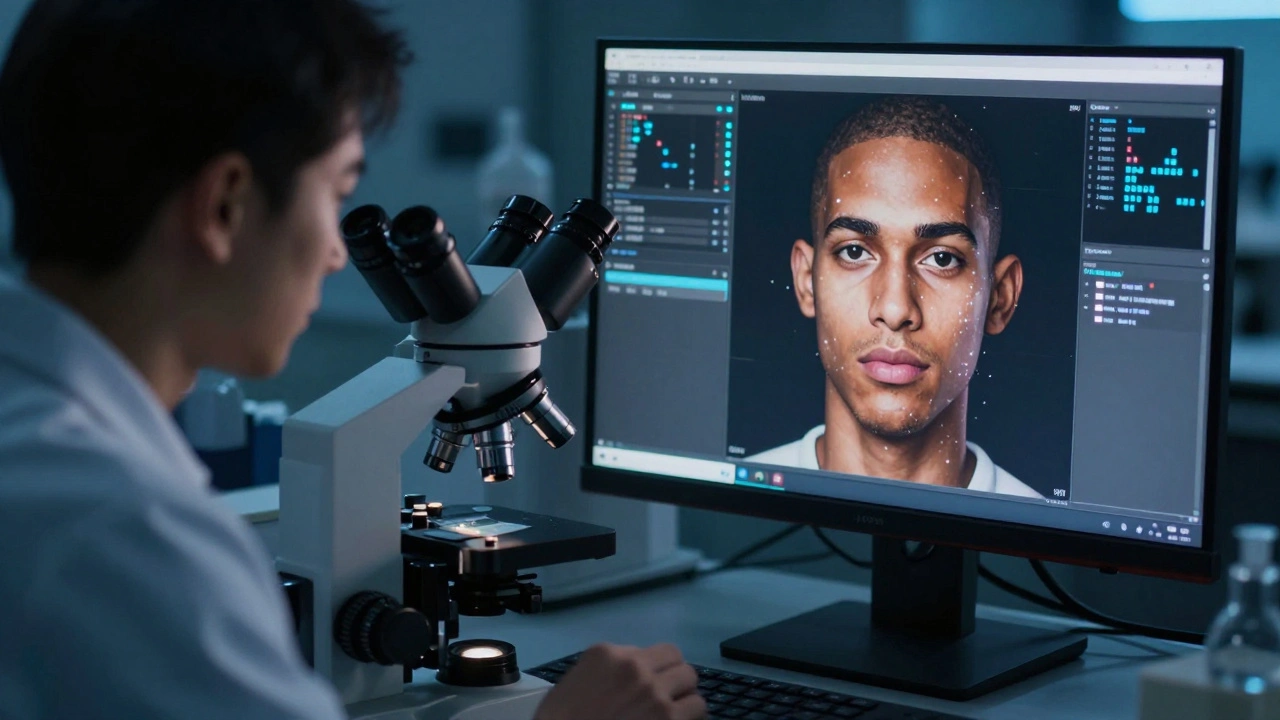
SNP Panels for Forensic Phenotyping and Ancestry: How DNA Markers Help Solve Cold Cases
- By : Ian Brophy
- Date : Mar 23 2026
SNP panels are transforming forensic investigations by predicting physical traits and ancestry from degraded DNA. Used alongside traditional STR testing, they help solve cold cases by finding distant relatives through genetic genealogy.

Annual Remembrance Events: How Communities Honor the Missing and Stay Connected
- By : Ian Brophy
- Date : Mar 22 2026
Annual remembrance events keep missing persons alive in community memory through simple, heartfelt gatherings. Learn how to organize one that honors loss without pressure, includes all ages, and builds lasting connection.
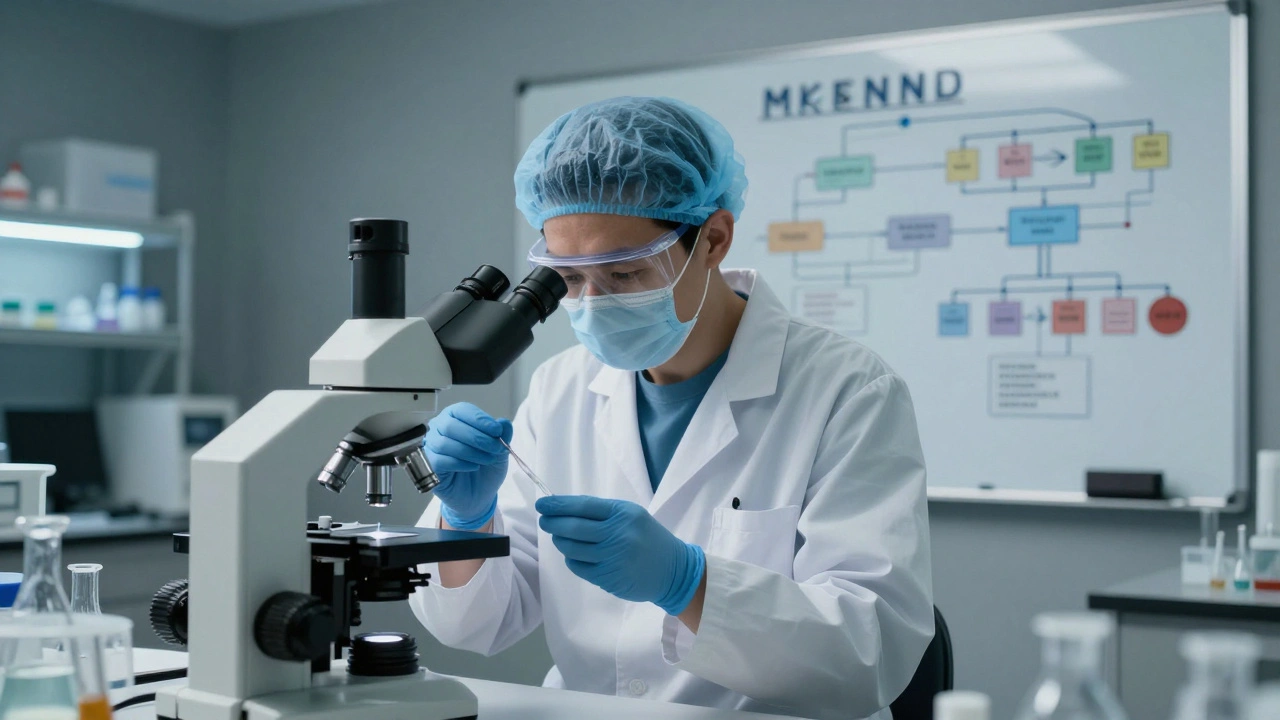
Leadership Paths in Forensic Laboratories: How Analysts Become Directors
- By : Ian Brophy
- Date : Mar 22 2026
Forensic laboratory leadership isn't about titles-it's about responsibility. From technical leaders who stop flawed tests to directors who run entire labs, here's how analysts become the ones in charge.
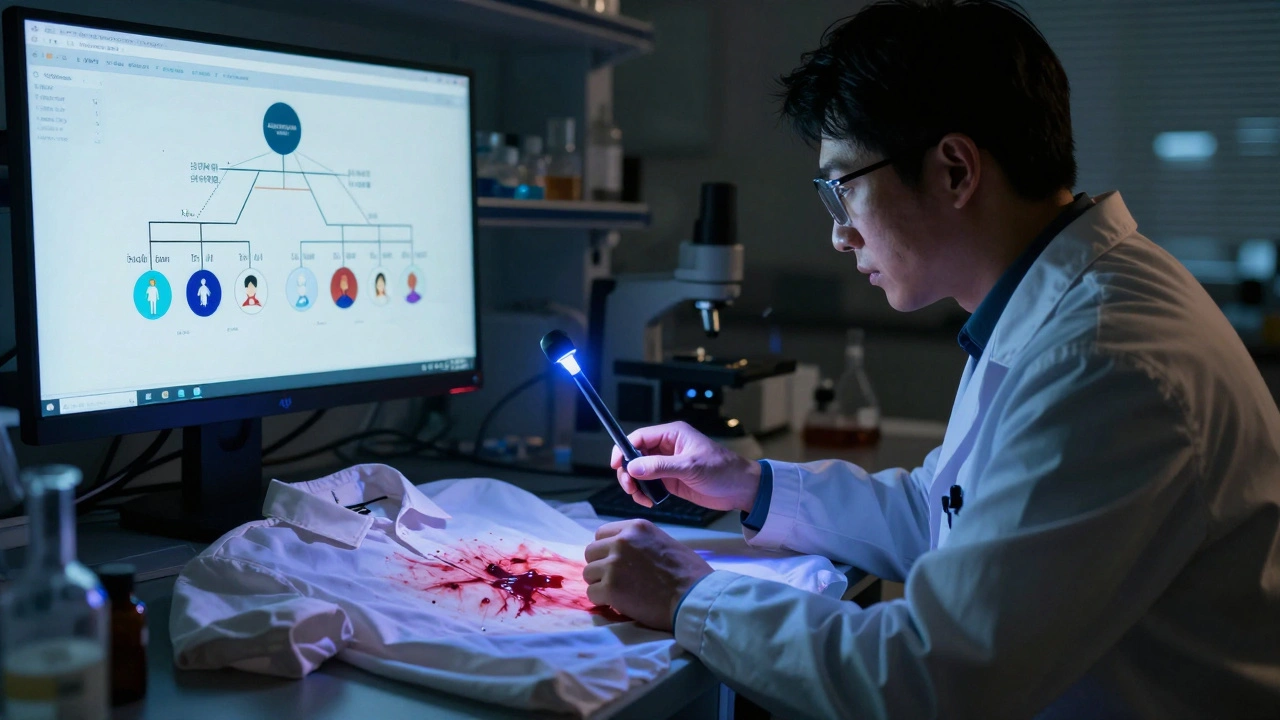
Cold Case Revitalization: How Media and Technology Are Solving Decades-Old Missing Persons Cases
- By : Ian Brophy
- Date : Mar 22 2026
Cold case investigations are being transformed by genetic genealogy, AI, and media exposure. In 2026, decades-old missing persons cases are being solved using DNA from old evidence, public genealogy databases, and viral true crime content.
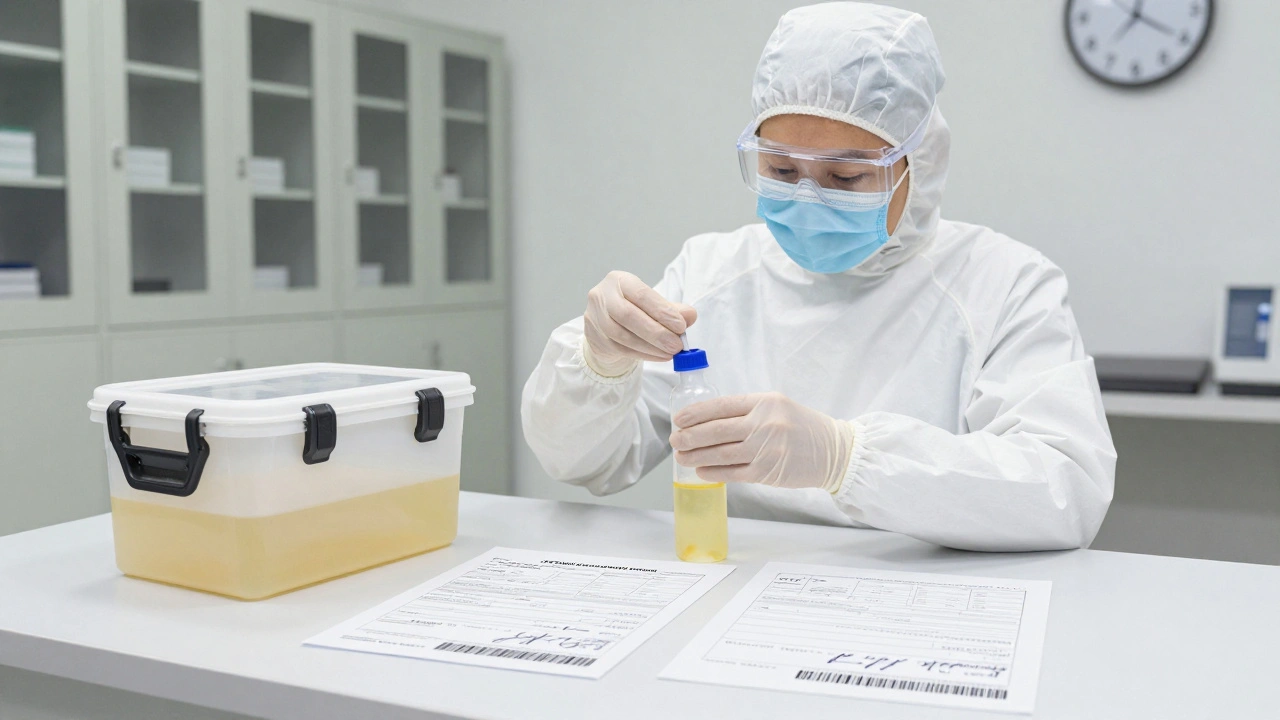
Chain of Custody for Workplace Toxicology Programs: How It Keeps Drug Tests Legally Sound
- By : Ian Brophy
- Date : Mar 21 2026
Chain of custody ensures workplace drug tests are legally valid by tracking every step of specimen handling. Without it, results can be thrown out, leading to lawsuits and wrongful terminations. This guide explains how the DOT-mandated CCF works, why the MRO matters, and how to avoid common failures.
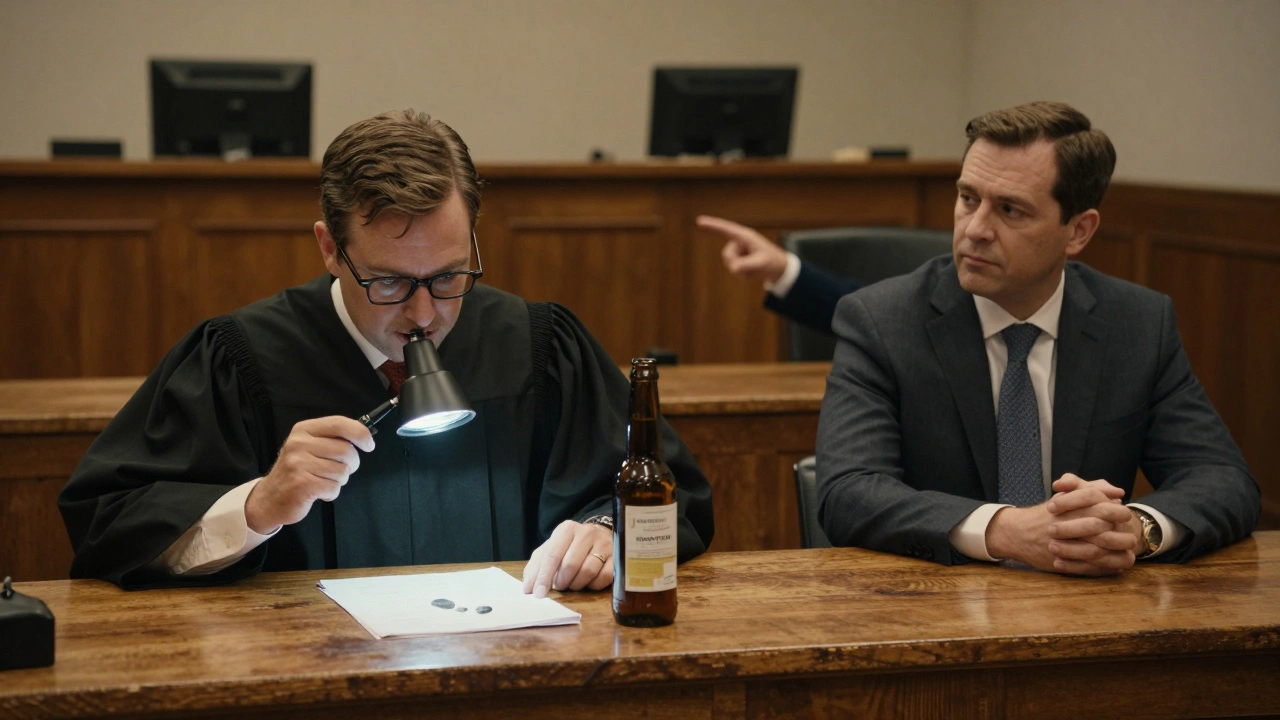
Level 1, 2, and 3 Details: Comparative Weight in Court for Fingerprint Evidence
- By : Ian Brophy
- Date : Mar 21 2026
Fingerprint evidence carries different weight in court depending on the level of judicial scrutiny applied - from basic rational basis to strict scrutiny. Understanding these levels helps explain why some prints convict and others are thrown out.
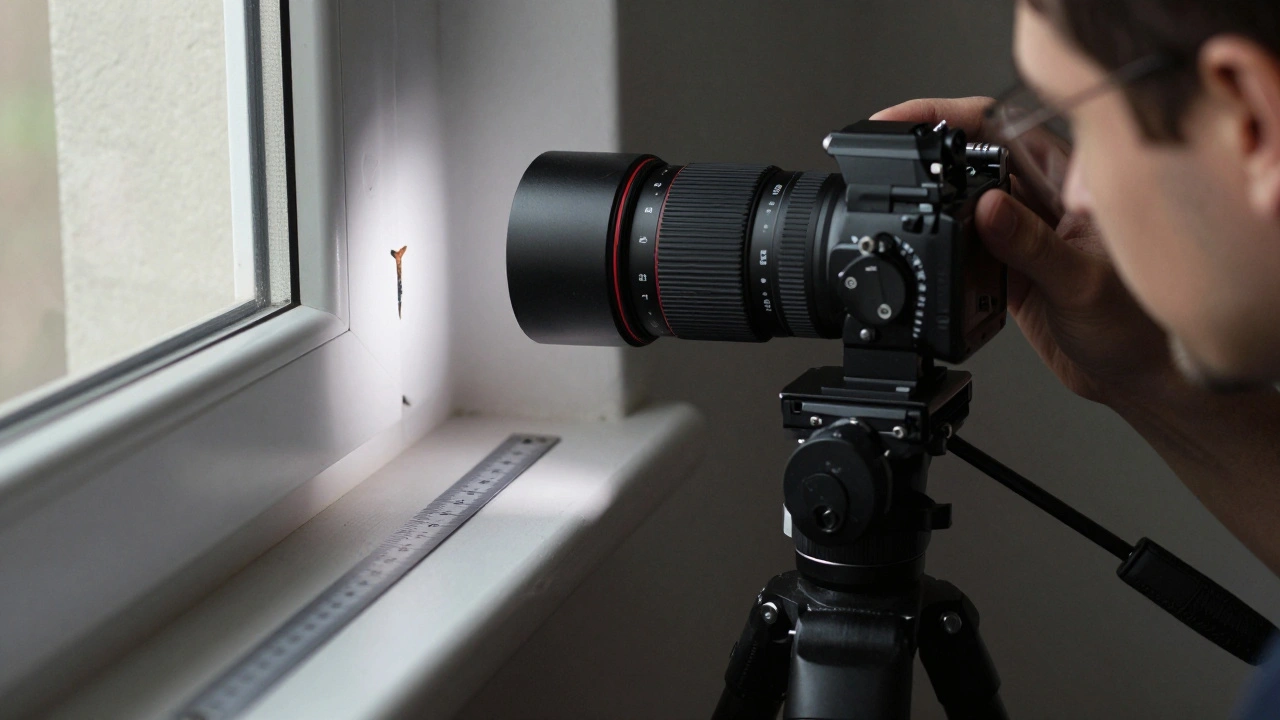
Close-Up Photography: Macro Techniques for Small Evidence
- By : Ian Brophy
- Date : Mar 21 2026
Master macro photography techniques to capture critical forensic evidence with precision. Learn how to use aperture, focus stacking, lighting, and equipment to document tiny details for legal proceedings.

External Audits: What Accreditation Body Assessments Really Mean for Your Organization
- By : Ian Brophy
- Date : Mar 20 2026
External audits by accreditation bodies verify compliance with global standards like ISO 9001 and IIA's Global Internal Audit Standards. These assessments ensure credibility, identify improvement areas, and require independent, CIA-qualified assessors. Learn how they work and how to prepare.