Tag: forensic chemistry
Mixture Analysis: How Labs Test Compounds with Multiple Drugs
- By : Ian Brophy
- Date : Aug 17 2026
Learn how forensic labs use chromatography and mass spectrometry to break down complex drug mixtures, identifying every component for accurate legal and toxicological results.
Database Systems for Drug Analysis: Matching Samples to Standards
- By : Ian Brophy
- Date : Aug 16 2026
Learn how database systems streamline drug analysis by matching unknown samples to reference standards. Explore matching algorithms, data integrity tips, and future trends in forensic chemistry.

Paint Evidence in Hit-and-Run Cases: Transfer, Matching, and Lab Analysis
- By : Ian Brophy
- Date : Aug 16 2026
Discover how forensic scientists use paint layer analysis and chemical spectroscopy to solve hit-and-run cases. Learn about transfer mechanics, lab methods, and field collection tips.
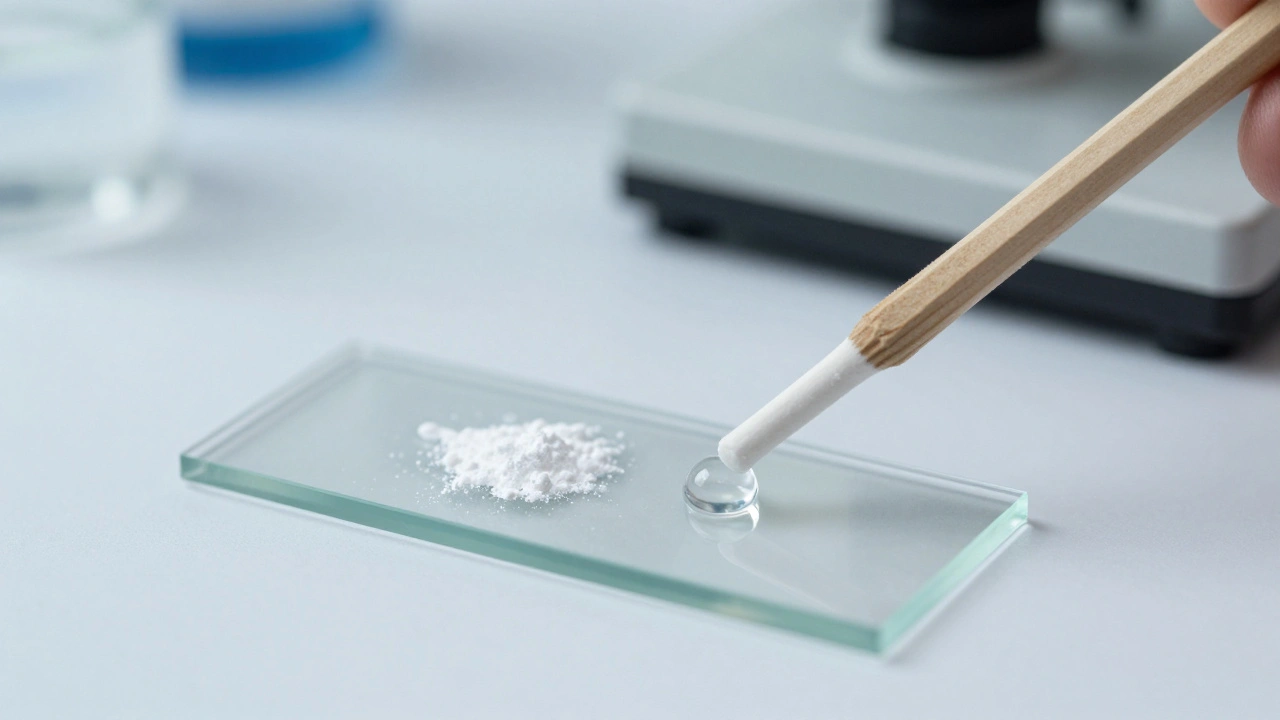
Microcrystalline Testing: The Fast, Cheap Way to ID Drugs Under a Microscope
- By : Ian Brophy
- Date : May 15 2026
Discover how microcrystalline testing identifies drugs through unique crystal formations under a microscope. Learn the procedure, advantages, limitations, and its role in modern forensic workflows.
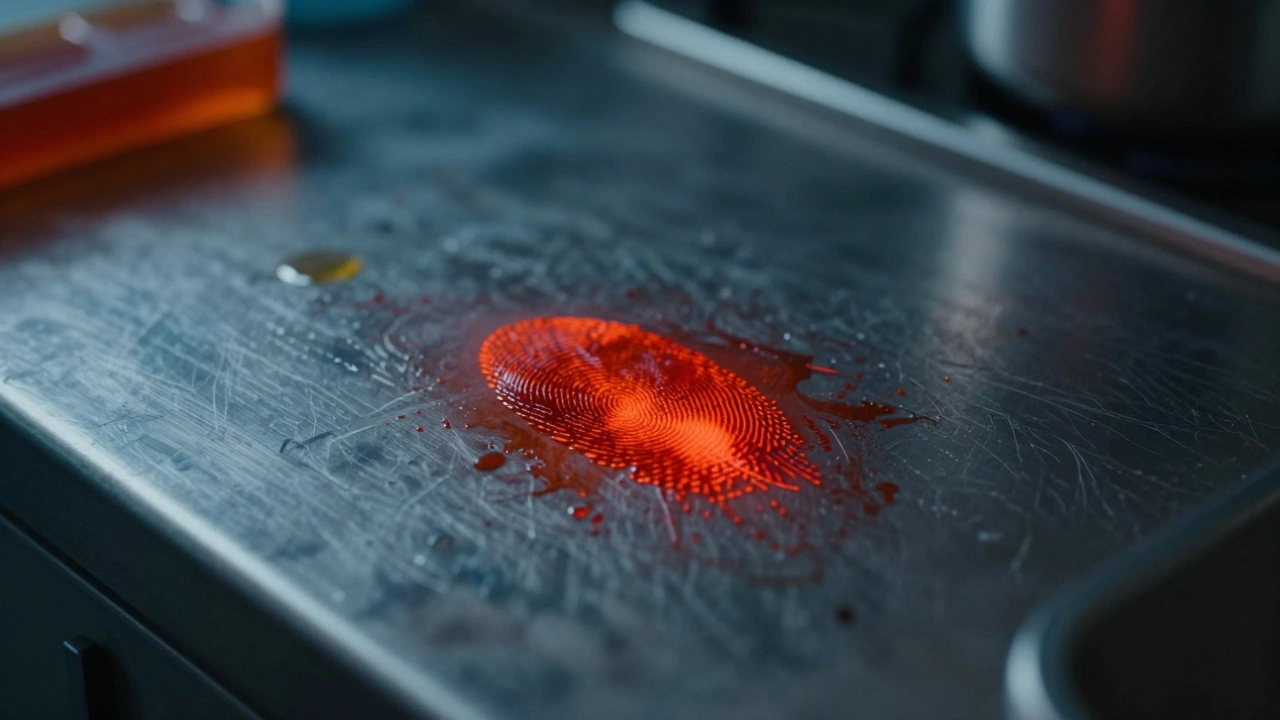
Oil Red O: Visualizing Lipid-Contaminated Fingerprints
- By : Ian Brophy
- Date : May 7 2026
Discover how Oil Red O, a lipophilic dye, reveals latent fingerprints on greasy and lipid-contaminated surfaces. Learn the chemistry, application steps, and when to choose this method over traditional forensic techniques.
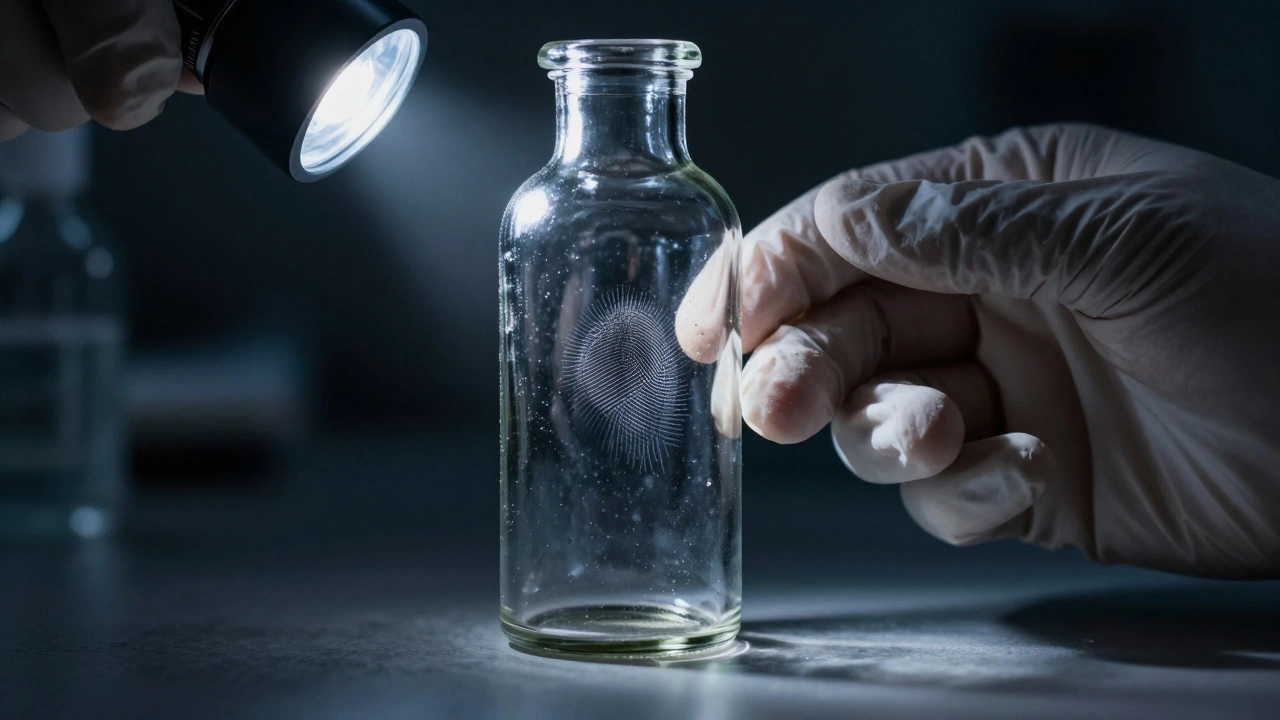
Sequential Processing for Latent Fingerprint Analysis: Best Strategies for Evidence Recovery
- By : Ian Brophy
- Date : Apr 16 2026
Learn how sequential processing in fingerprint analysis maximizes evidence recovery by layering chemical reagents to preserve both ridge detail and DNA.