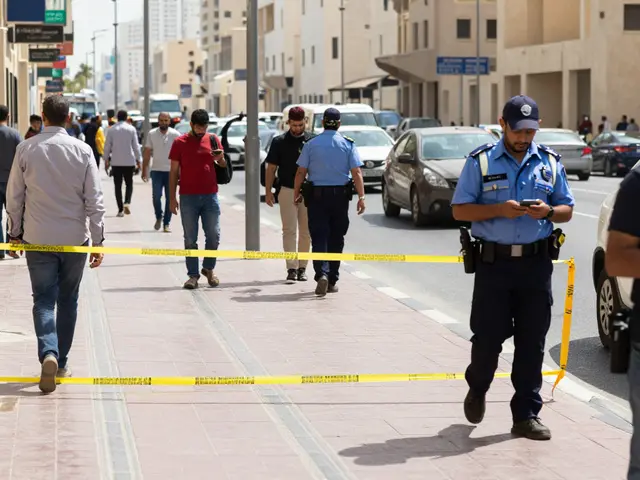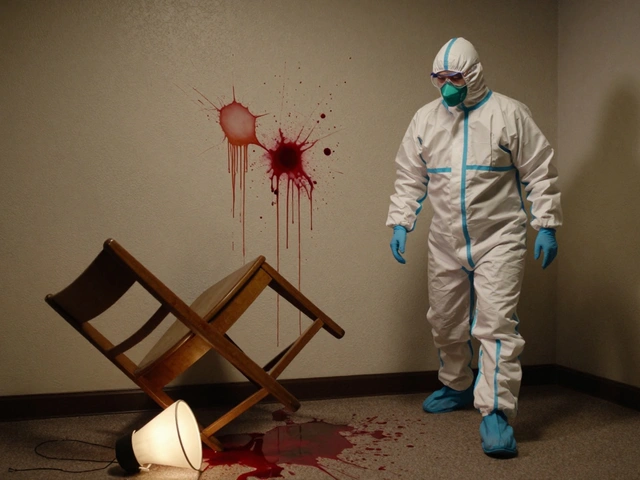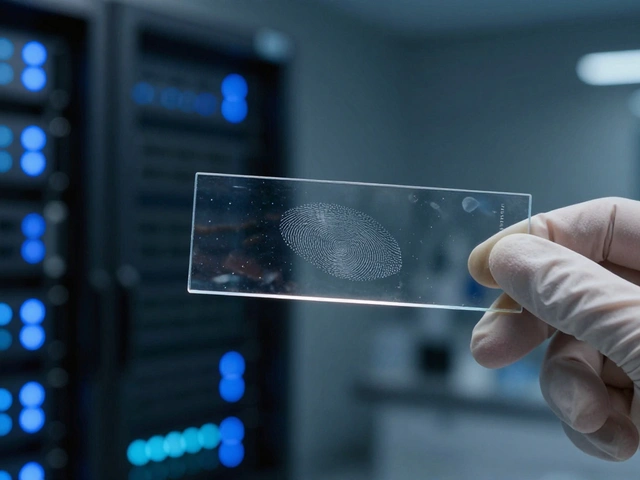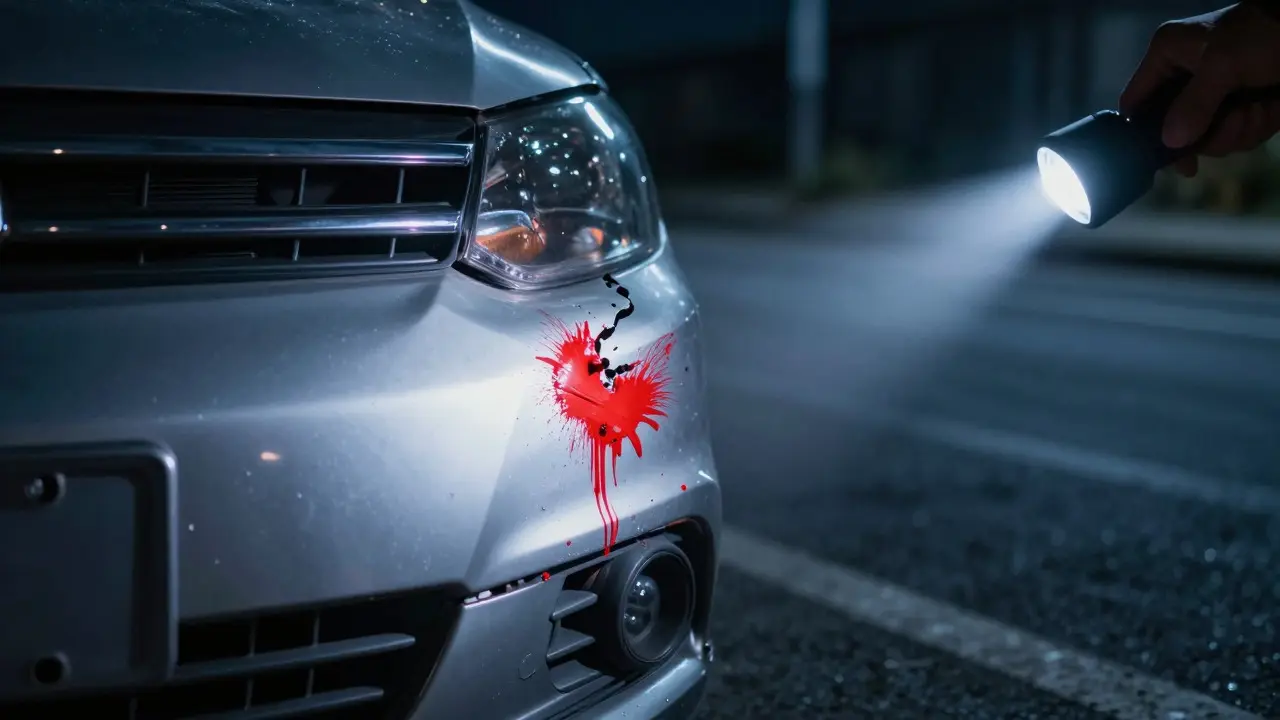
You’re standing next to a dented fender on a quiet street at night. The other car is gone, but there’s a smear of red paint on your bumper. To most people, that’s just damage. To a forensic scientist, it’s a fingerprint. Paint evidence is one of the most reliable forms of trace evidence in vehicle collisions because modern automotive coatings are complex, multi-layered systems with unique chemical signatures. Unlike blood or fibers, paint doesn’t degrade quickly, and even a microscopic flake can link a suspect vehicle to a crime scene with high confidence.
Why Paint Is a Game-Changer in Hit-and-Run Investigations
In hit-and-run cases, witnesses are rare and cameras are often missing. Investigators rely heavily on physical traces left behind. Paint transfer occurs when two surfaces rub together at speed, causing small particles from the topcoat to detach and embed into the opposing surface. This isn’t just a color match; it’s a structural and chemical puzzle. A single scratch might contain fragments from three different layers: the clear coat, the base color, and the primer. Each layer has a distinct composition, thickness, and manufacturing date range, creating a timeline for the vehicle’s production.
The key here is specificity. While many cars are "red," the exact shade of red, combined with the underlying grey primer and specific additives like UV stabilizers, creates a profile that narrows down the make, model, and year of the vehicle significantly. In fact, studies by the Society of Forensic Science have shown that paint comparisons can reduce the pool of potential vehicles from thousands to just a handful, making it a critical tool for narrowing down suspects before more expensive DNA or digital forensics come into play.
The Structure of Automotive Paint Layers
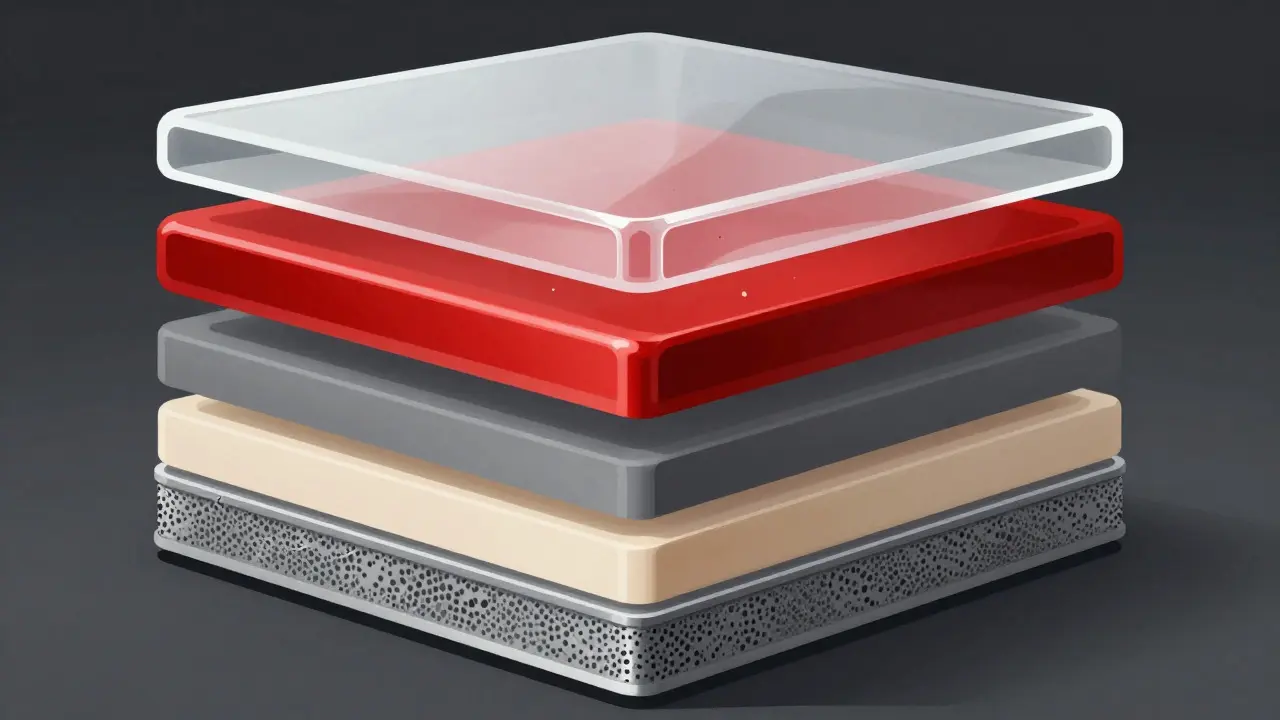
To understand how matching works, you need to know what you’re looking at. Modern car paint isn’t a single substance; it’s a sandwich. Understanding this structure helps investigators determine if a transfer is consistent with a collision.
- Clear Coat: The topmost transparent layer. It protects the color from UV rays and scratches. It’s usually made of polyurethane or acrylic resins.
- Base Coat: The colored layer containing pigments and metallic flakes (if applicable). This is where the specific "color code" lives.
- Primer/Surfacer: A grey or white layer applied to the metal panel. It fills in imperfections and provides adhesion for the color. The type of primer (epoxy vs. polyester) can indicate the manufacturer and era of the car.
- Substrate: The metal body panel itself, which may show signs of rust or specific alloy compositions.
When a collision happens, the force determines how deep the transfer goes. A light graze might only leave clear coat particles. A heavier impact could strip through to the primer. If the transferred paint includes multiple layers, it suggests a significant impact, which aligns with the severity of the damage observed on the victim vehicle.
How Forensic Scientists Match Paint Samples
Matching paint isn’t about holding two samples up to the light. It involves a rigorous, multi-step laboratory process designed to eliminate coincidence. Here is how the workflow typically unfolds:
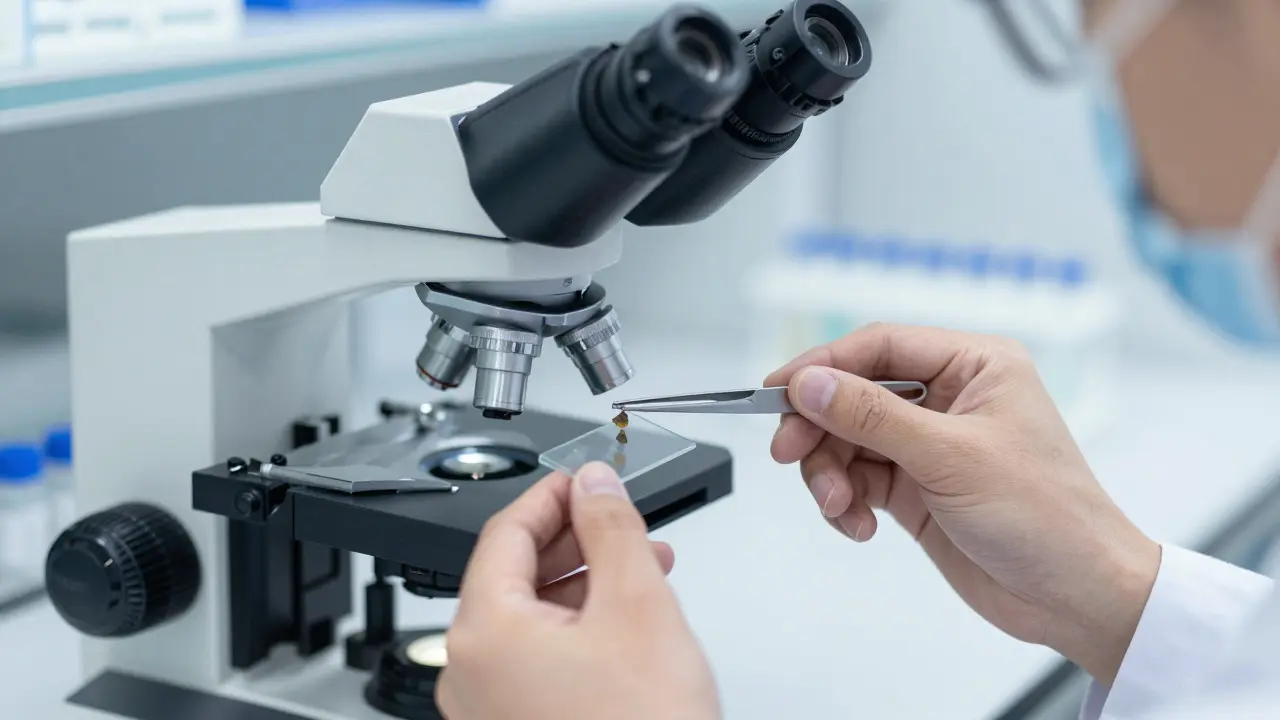
- Collection: Investigators use sticky tape lifts or swabs to collect visible smears. For embedded particles, they might scrape carefully under a microscope to preserve the layer structure.
- Microscopic Comparison: The first step is visual. Scientists examine the cross-section of the paint chip under a stereomicroscope. They compare the number of layers, their relative thicknesses, and colors. If the suspect car has four layers and the evidence has three, it’s an immediate exclusion.
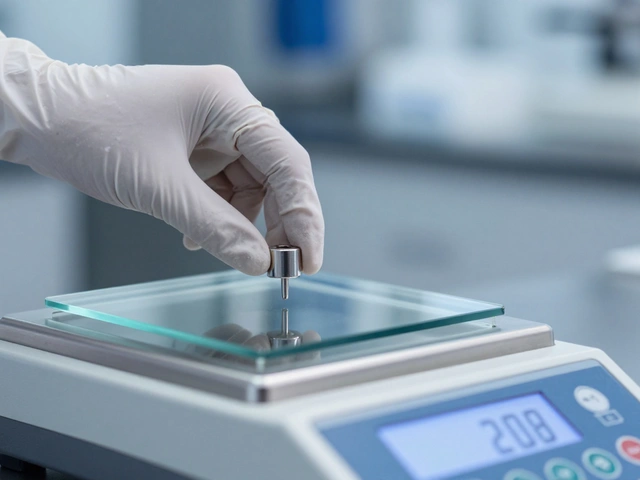
- Spectroscopic Analysis: Once the layers look similar, chemical testing begins. Techniques like Raman Spectroscopy or Fourier Transform Infrared Spectroscopy (FTIR) identify the chemical bonds in the polymers. This confirms if the clear coat is actually polyurethane in both samples.
- Pigment Identification: X-Ray Fluorescence (XRF) or Scanning Electron Microscopy (SEM) with Energy Dispersive X-ray Spectroscopy (EDS) identifies the elemental makeup of the pigments. For example, detecting titanium dioxide and iron oxide in specific ratios confirms the base color chemistry.
- Statistical Evaluation: Finally, the lab assesses the rarity of the combination. A common black paint on a generic sedan offers less probative value than a custom metallic blue on a limited-edition sports car.
Common Pitfalls and Challenges in Paint Analysis
Even with advanced tech, paint evidence has limitations. One major issue is contamination. If the victim vehicle was repaired recently, old paint chips from the repair shop might be mixed with fresh transfer evidence. Investigators must document the history of the vehicle to rule out previous repairs as a source of the sample.
Another challenge is "commonality." Some manufacturers share paint suppliers across different brands. A certain shade of silver might be used on both a Toyota and a Honda. In these cases, paint alone might not uniquely identify the suspect car, so it must be corroborated with other evidence like glass fragments, tire marks, or witness descriptions. Additionally, weathering matters. A car parked outdoors for years will have oxidized paint that differs chemically from a freshly painted garage car, potentially complicating direct chemical matches if the time gap is significant.
Comparing Analytical Methods: Strengths and Limitations
Not all lab techniques are created equal. Choosing the right method depends on the size of the sample and the question being asked. Below is a comparison of the primary tools used in paint trace analysis.
| Technique | What It Measures | Sample Size Required | Key Advantage | Limitation |
|---|---|---|---|---|
| Optical Microscopy | Layer structure, thickness, color | Visible flake (0.5mm+) | Fast, non-destructive initial screen | Cannot identify specific chemicals |
| Raman Spectroscopy | Molecular vibrations (polymers/pigments) | Micro-flake (10-50 microns) | Non-destructive, detailed chemical ID | Fluorescence interference possible |
| XRF (X-Ray Fluorescence) | Elemental composition | Micro-flake | Identifies heavy metals in pigments | Poor sensitivity for light elements (C, H, O) |
| GC-MS (Gas Chromatography-Mass Spec) | Volatile organic compounds | Liquid extract or larger solid | Highly specific for resin types | Destructive, requires sample prep |
Best Practices for Evidence Collection in the Field
The best lab in the world can’t fix bad collection. If you’re an investigator or involved in a case, how you handle the scene dictates the outcome. First, photograph the area with a scale before touching anything. Lighting is crucial; raking light reveals the depth of the scratch and the texture of the paint transfer. Use clean, sterile tools. Plastic tweezers are preferred over metal to avoid scratching the evidence or introducing contaminants.
Always collect a known reference sample from the suspect vehicle if available. But also collect background samples from nearby areas if the environment is dusty or dirty, to help the lab distinguish between environmental dirt and actual paint transfer. Label everything meticulously, noting the exact location on the vehicle (e.g., "left rear quarter panel, 4 inches above wheel well"). This spatial data helps reconstruct the angle and height of the impact, which can confirm if the suspect vehicle’s dimensions match the damage pattern.
Frequently Asked Questions
Can paint evidence prove a car was at the scene?
It strongly suggests association but rarely proves presence alone due to shared paint codes among manufacturers. It is best used in conjunction with other evidence like glass fragments or tire tread patterns to build a cumulative weight of proof.
How long does paint analysis take in a forensic lab?
Simple color and layer comparisons can take 1-2 days. Full chemical profiling using spectroscopy and mass spectrometry typically takes 1-3 weeks, depending on lab backlog and the complexity of the sample matrix.
Is wet paint easier to analyze than dry paint?
No, cured paint is generally more stable and easier to section for microscopy. Wet paint can deform during handling, losing its layer structure, which is critical for accurate comparison. However, fresh wet paint contains unreacted solvents that can provide additional chemical markers.
What happens if the suspect car has been repainted?
Repainting complicates matters because the new paint won't match the original factory layers. However, if the repainting was partial or done poorly, remnants of the original factory paint might still be present in deeper scratches or near panel edges, allowing for a match against the original vehicle specifications.
Does the color of the paint matter as much as the chemistry?
Color is the least reliable factor. Two paints can look identical to the human eye but have completely different chemical compositions. Conversely, slight lighting changes can alter perceived color. Chemistry and layer structure are the gold standards for objective matching.