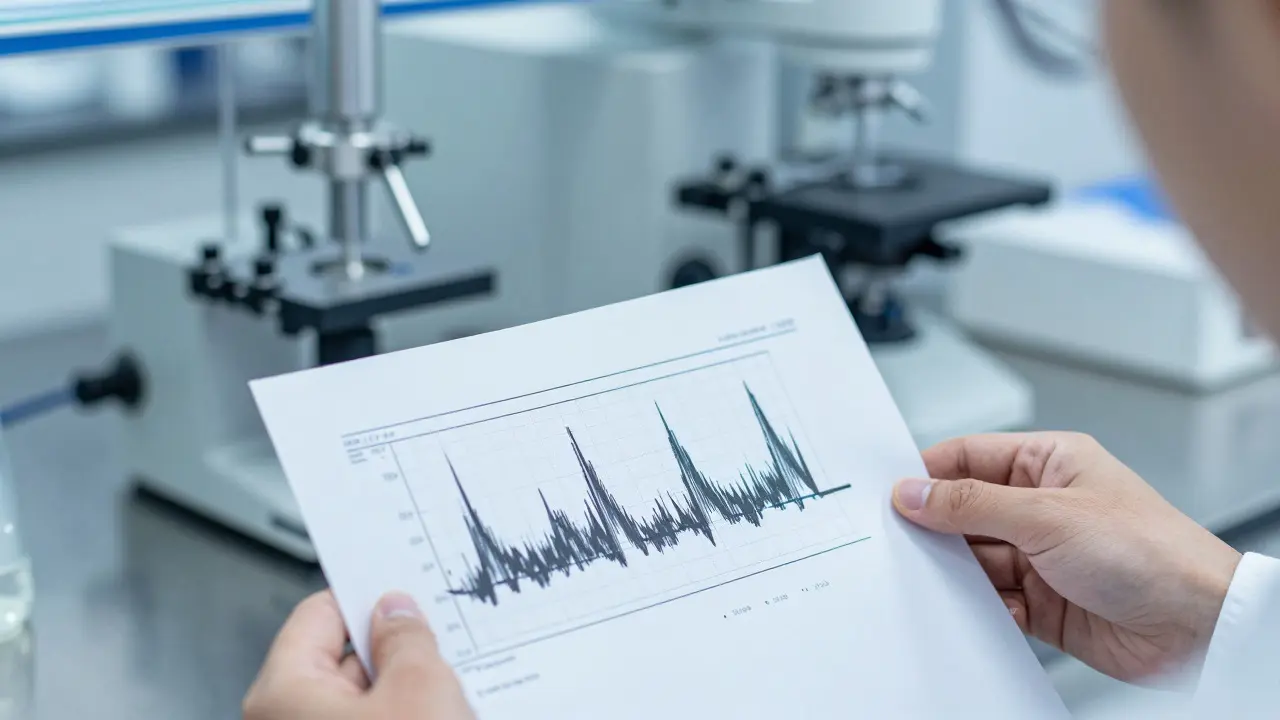
Imagine a crime lab technician staring at a mass spectrometry printout. The peaks are there, but are they cocaine or just a look-alike compound? This is where database systems in drug analysis step in. These digital repositories act as the brain of the laboratory, comparing unknown samples against thousands of known reference standards. Without them, every single identification would require running a fresh physical standard, which is slow and expensive. With them, you get rapid, reproducible results that hold up in court.
Why Database Systems Matter in Modern Labs
Traditional drug testing relied on wet chemistry tests like color reactions. While fast, they lack specificity. A purple spot might mean morphine, but it could also be codeine. Modern instruments like Gas Chromatography-Mass Spectrometry (GC-MS) generate complex data fingerprints. To make sense of this, labs use spectral libraries. These are massive collections of digital signatures for every controlled substance, metabolite, and common adulterant. When your instrument runs a sample, the software instantly queries this library. It calculates a similarity score. If the score exceeds a set threshold, usually around 80-90 percent, the system flags a potential match. This automation reduces human error and speeds up casework from days to hours.
The Core Components of a Drug Identification Database
A robust database isn't just a list of names. It’s a structured collection of high-quality data points. Each entry must contain specific attributes to be useful for matching algorithms.
- Spectral Data: The raw peak intensities and retention times. For GC-MS, this includes the total ion chromatogram and selected ion fragments.
- Retention Indexes: Values that help align peaks across different instruments and column types. NIST Standard Reference Materials often provide these baseline values.
- Molecular Metadata: Chemical formula, molecular weight, and structural diagrams. This helps analysts verify if a fragment pattern makes chemical sense.
- Quality Metrics: Signal-to-noise ratios and purity indicators. Low-quality entries can lead to false positives, so curation is critical.
The National Institute of Standards and Technology (NIST) maintains one of the most widely used public resources, the NIST Chemistry WebBook and associated mass spectral libraries. However, many private labs also maintain internal databases tailored to their specific case types, such as novel psychoactive substances found in local seizures.
How Matching Algorithms Work
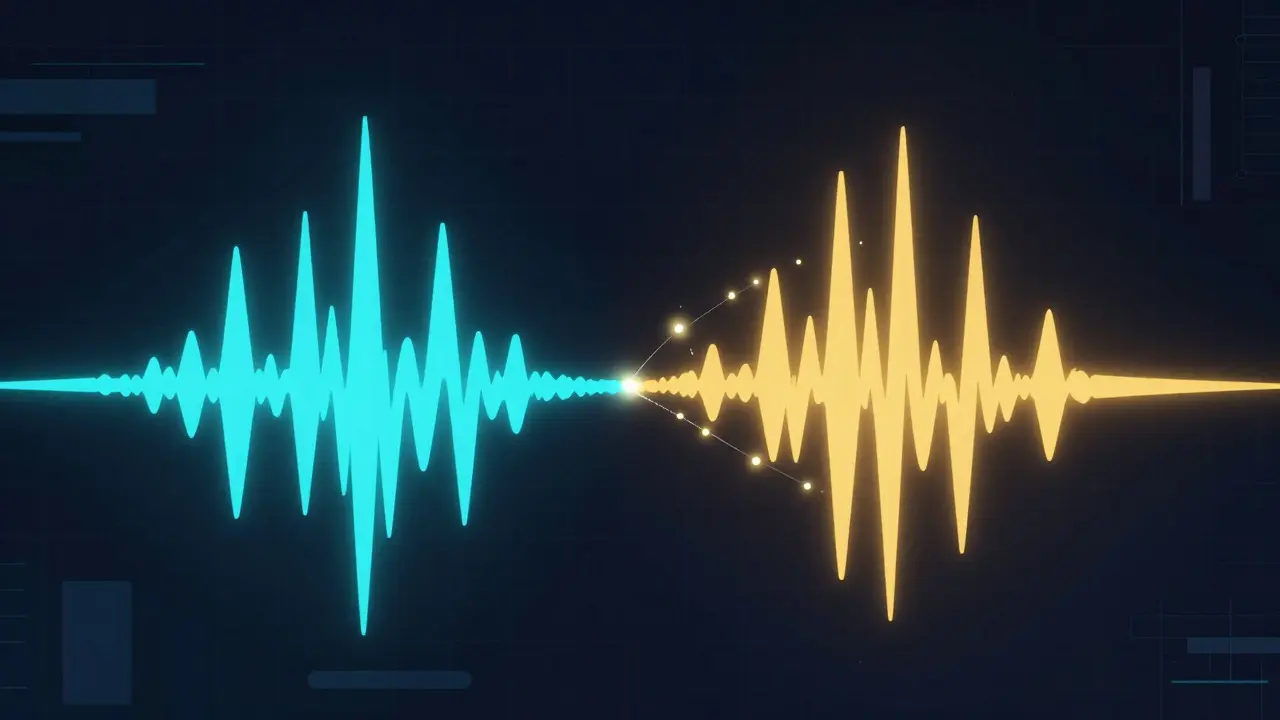
Matching an unknown sample to a known standard involves more than simple visual comparison. The software uses chemometric algorithms to quantify the similarity between two spectra. The most common method is the dot product calculation. The algorithm takes the vector of peak heights from your unknown sample and the vector from the reference standard. It multiplies corresponding values and sums them up, normalizing for intensity. A perfect match yields a score of 1.0 or 100%. In practice, scores above 0.85 are generally considered strong matches for forensic purposes, provided the retention time difference is within acceptable limits, typically less than 0.5 minutes.
However, noise is the enemy. Background interference from solvents or column bleed can skew results. That’s why preprocessing steps like baseline correction and smoothing are applied before the matching engine runs. Advanced systems now use machine learning models that learn from historical data to distinguish between true matches and artifacts caused by co-eluting compounds.
Challenges in Maintaining Accuracy
No database is perfect. Instrument drift, column aging, and environmental changes affect retention times. A standard recorded last year might not align perfectly with today’s run. To combat this, labs perform daily quality control checks using certified reference materials. If the QC sample fails to match its own database entry within tolerance, the instrument needs recalibration. Another major challenge is the explosion of new synthetic drugs. As soon as a new benzodiazepine or opioid hits the street, the database must be updated. Lag time between a drug's emergence and its addition to the library can create blind spots. Forensic scientists often have to manually interpret spectra when no database match exists, relying on fragmentation rules and literature search.
| Source Type | Primary Use Case | Update Frequency | Key Advantage |
|---|---|---|---|
| NIST Public Libraries | Broad coverage of established drugs | Periodic bulk updates | Highly validated, legally accepted |
| Vendor-Specific Libraries | Instrument-specific optimization | Frequent vendor patches | Optimized for specific hardware |
| In-House Databases | Local novel psychoactive substances | Continuous manual entry | Tailored to regional trends |
Best Practices for Data Integrity
To ensure your database matches hold up under scrutiny, follow these operational guidelines. First, never delete old entries; archive them instead. This preserves audit trails required for chain of custody. Second, validate new entries against at least two independent sources before adding them to the active library. Third, document any manual overrides. If an analyst rejects a computer-generated match, the reason must be logged. Finally, back up your database regularly. Losing years of curated spectral data due to a server crash is a nightmare scenario that halts entire caseloads. Using cloud-based solutions with version control can mitigate this risk significantly.
Future Trends in Digital Drug Identification
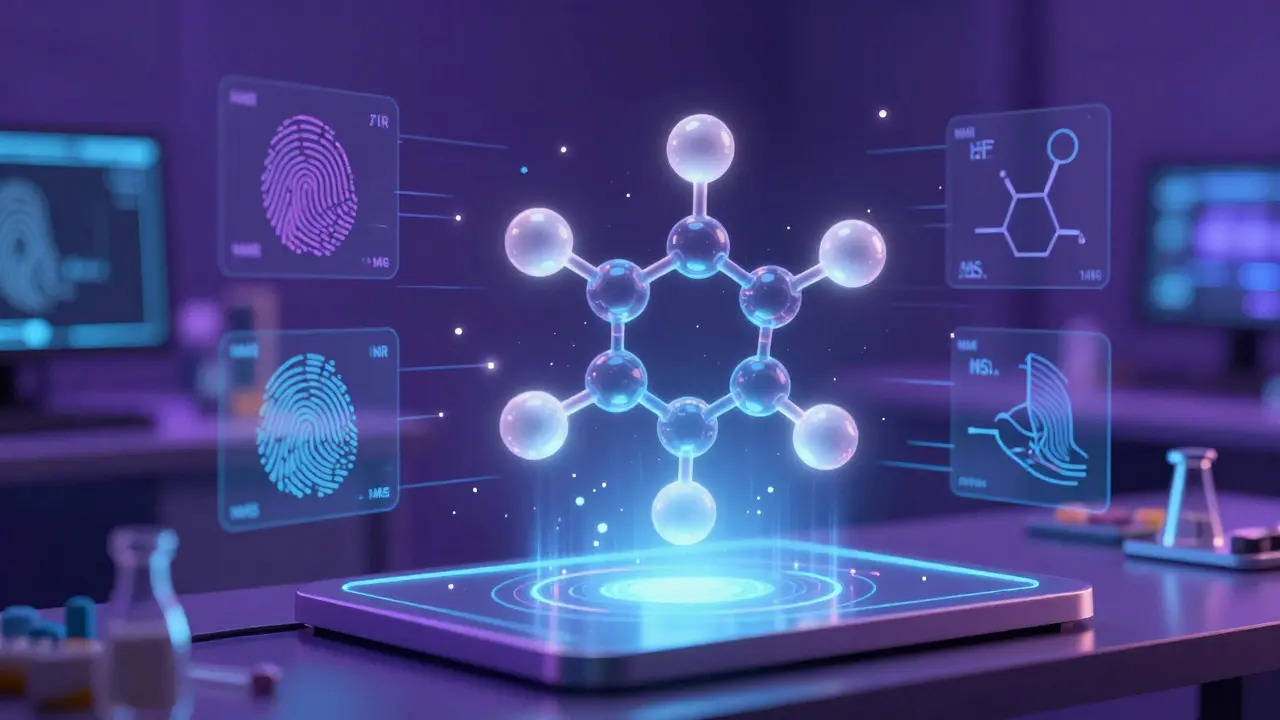
The field is moving toward integrated platforms that combine mass spectrometry with nuclear magnetic resonance (NMR) and infrared spectroscopy (IR). Multi-modal matching provides higher confidence than a single technique. Additionally, artificial intelligence is being deployed to predict fragmentation patterns for uncharacterized molecules. This means that even if a drug isn't in the database yet, the AI can simulate what its spectrum should look like based on its chemical structure, allowing for tentative identification while waiting for physical standards. This shift turns the database from a static lookup tool into a dynamic predictive engine.
What is the minimum similarity score required for a valid drug match?
While it varies by laboratory policy, a similarity score of 85% or higher is generally accepted for positive identification in forensic contexts. Scores below 70% are usually considered poor matches and require further verification through orthogonal techniques like LC-MS or IR spectroscopy.
How often should a forensic drug database be updated?
Major public libraries like NIST update periodically, but in-house databases should be checked monthly for new novel psychoactive substances. During periods of rapid market shifts, weekly reviews may be necessary to ensure current trends are covered.
Can database matches be used as sole evidence in court?
Generally, no. Database matches serve as presumptive or confirmatory support. Most jurisdictions require confirmation via a second independent technique, such as thin-layer chromatography or infrared spectroscopy, to meet legal standards for certainty.
What happens if a sample contains multiple drugs?
Co-elution can complicate matching. The software may show mixed spectra. Analysts must deconvolute the data, separating individual components before running the matching algorithm. Manual intervention is often required to identify each distinct peak cluster.
Are free database options reliable for small labs?
Public resources like the NIST WebBook are highly reliable for basic identification. However, they may lack the proprietary optimization features of commercial suites. Small labs should supplement free tools with rigorous internal validation protocols to ensure consistency.