Author: Ian Brophy - Page 19
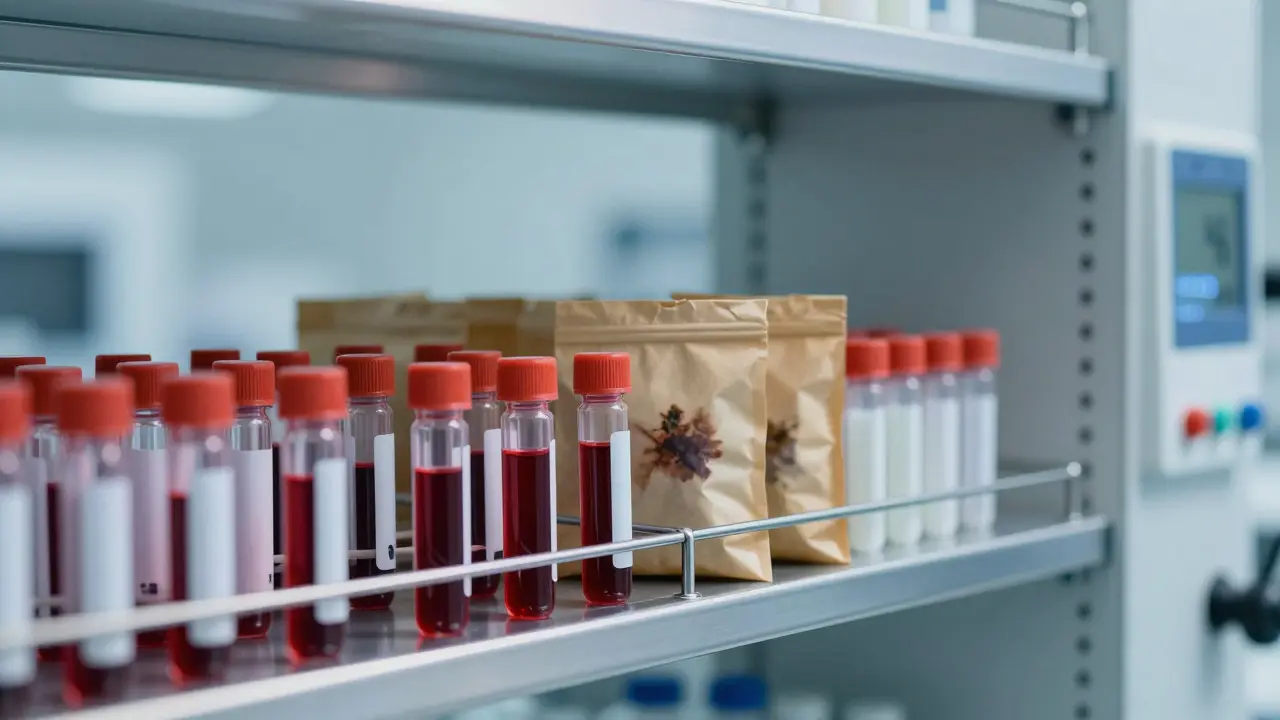
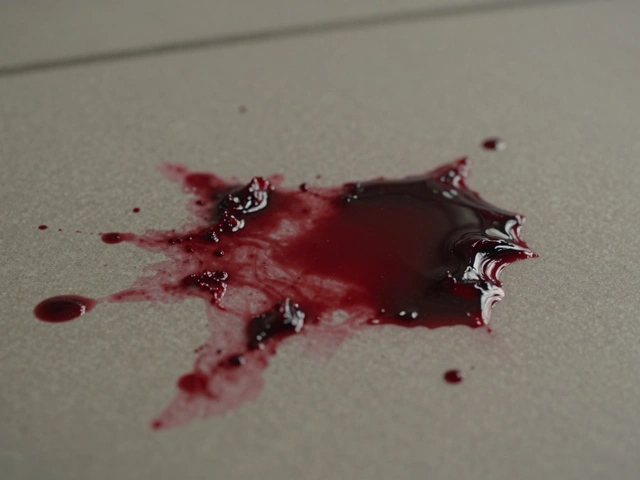
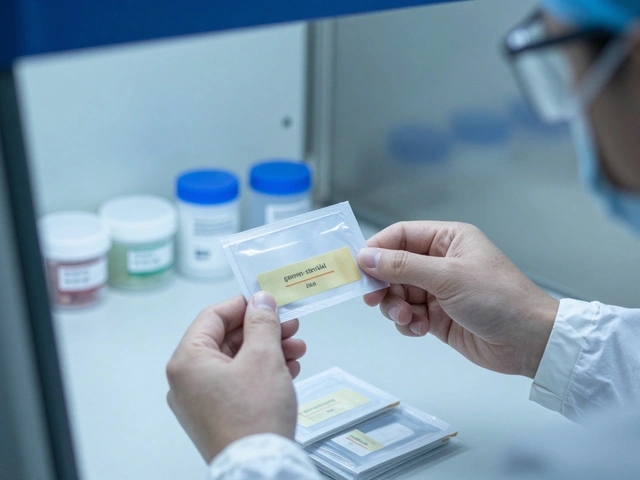
Biological Evidence Storage Temperature Requirements: A Practical Guide
- By : Ian Brophy
- Date : Aug 17 2026
Learn the correct temperature settings for storing biological evidence like blood, DNA, and tissue. Avoid common mistakes that lead to degraded samples and inadmissible cases.
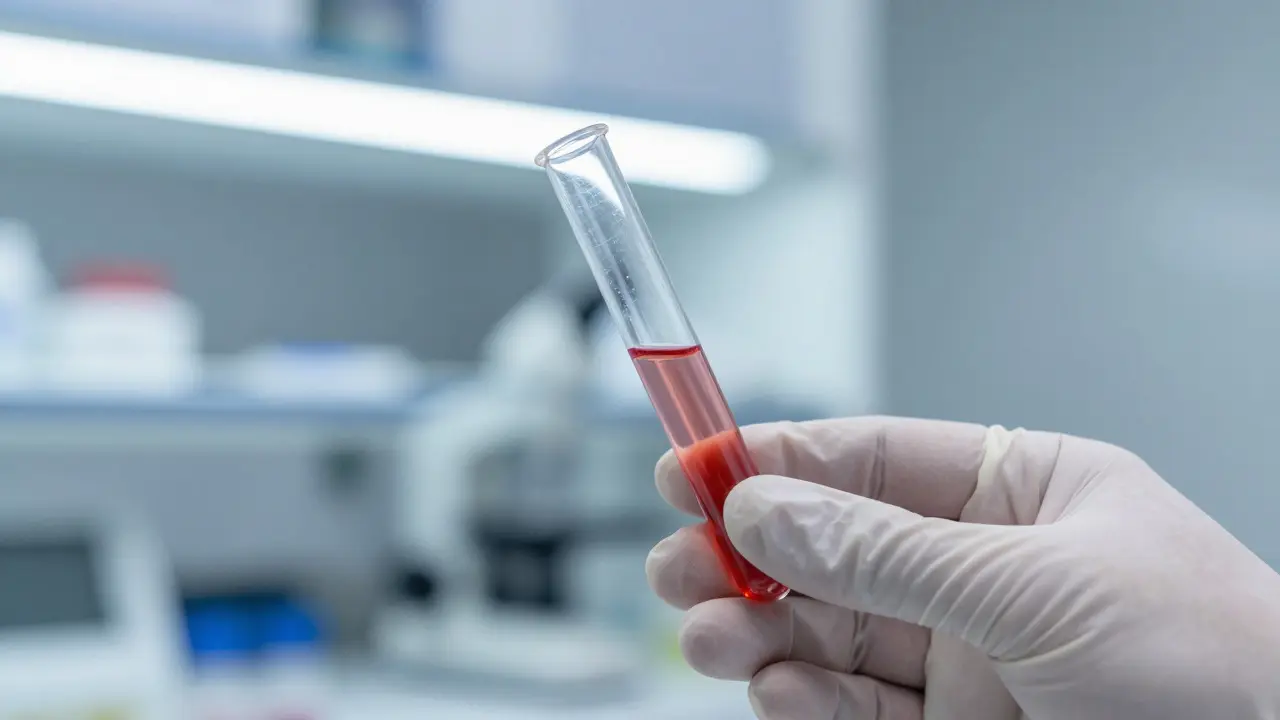
Lab Contamination Events: Detection and Remediation in Forensic DNA
- By : Ian Brophy
- Date : Aug 17 2026
Learn how to detect and remediate lab contamination in forensic DNA workflows. Covers detection signals, containment protocols, cleaning strategies, and prevention tactics to maintain case integrity.
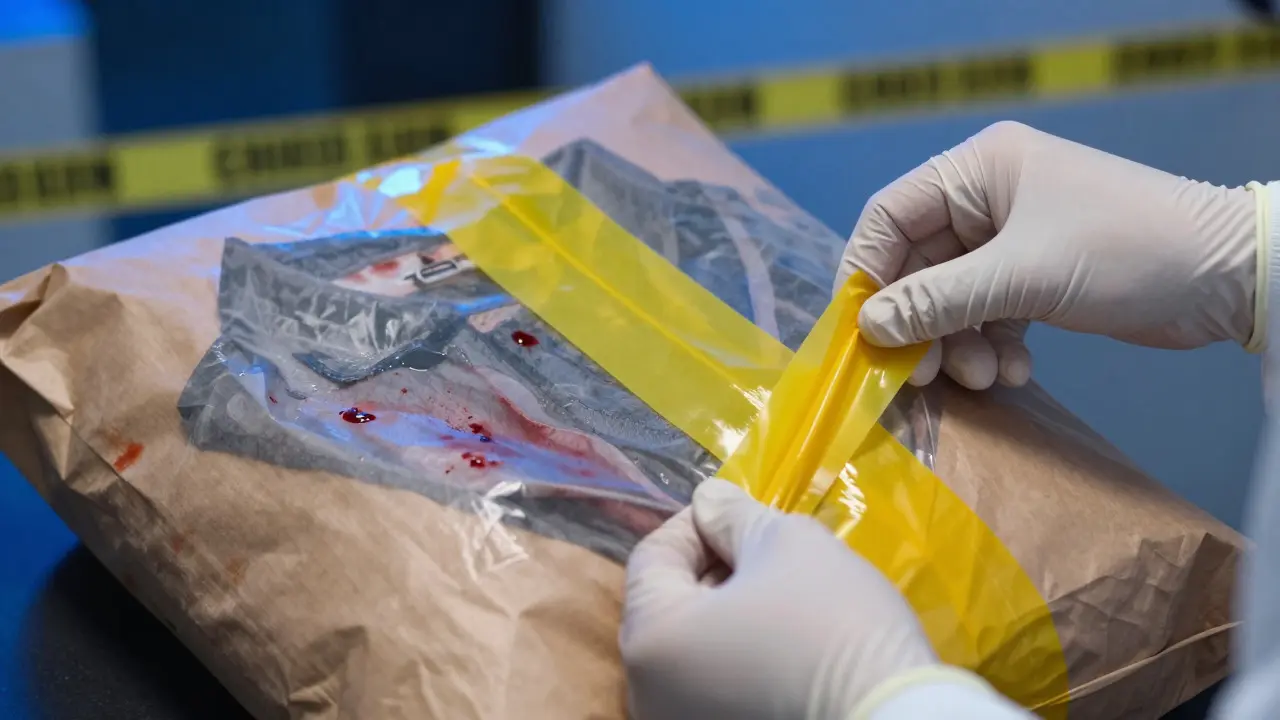
How to Package Physical Evidence Correctly: A Field Guide
- By : Ian Brophy
- Date : Aug 17 2026
Learn how to package physical evidence correctly to preserve DNA and maintain chain of custody. Covers wet biologicals, trace evidence, liquids, and common mistakes to avoid.
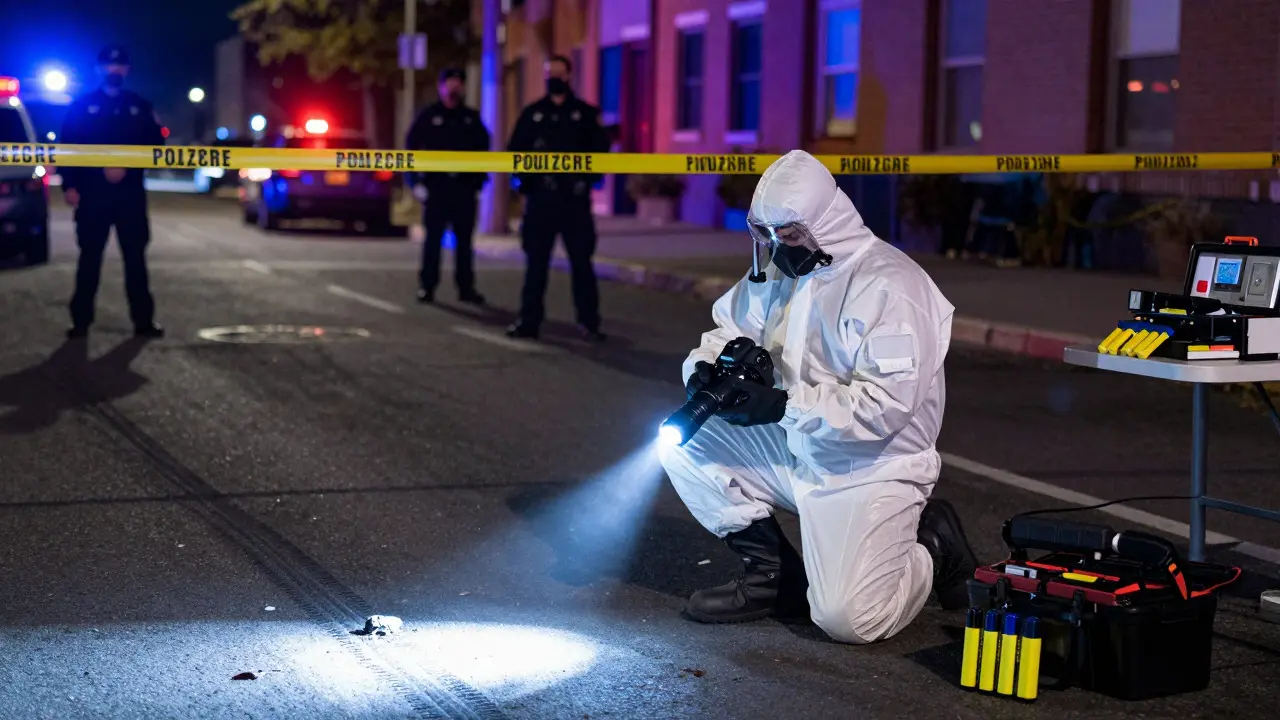
How to Become a Crime Scene Investigator: Career Path, Education & Salary Guide
- By : Ian Brophy
- Date : Aug 17 2026
Learn how to become a Crime Scene Investigator in 2026. This guide covers education, certifications, salary expectations, and practical tips for landing your first forensic job.
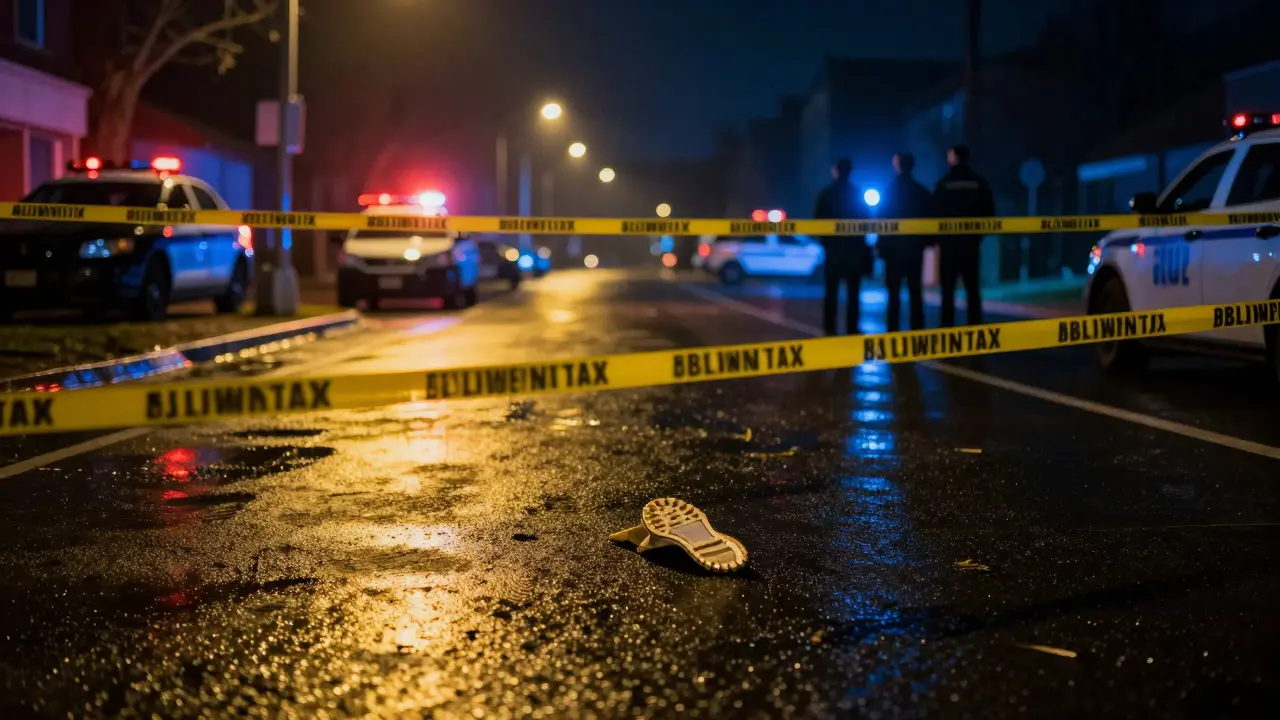
Criminal Profiling: How Psychological Analysis Narrows Down Suspects
- By : Ian Brophy
- Date : Aug 17 2026
Explore how criminal profiling uses behavioral analysis to narrow down suspects. Learn about the methods, history, and limitations of this investigative technique.
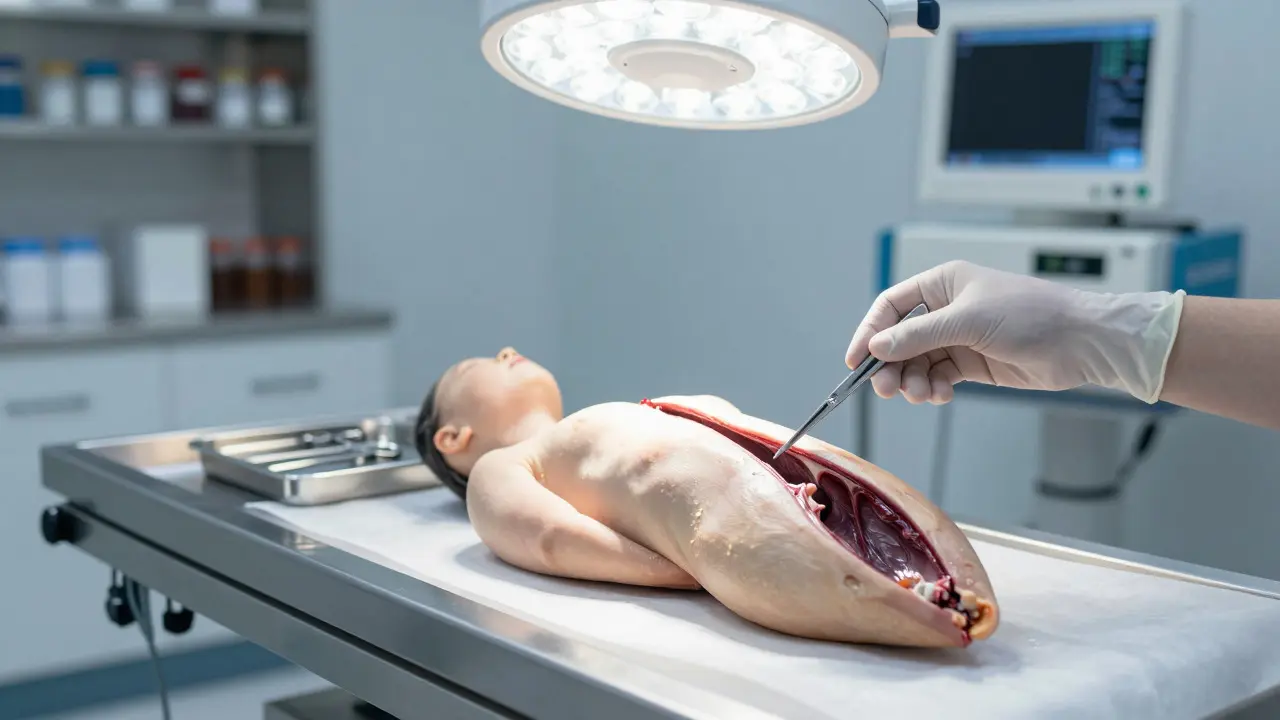
Organ Examination in Forensic Pathology: Systematic Analysis and Dissection Guide
- By : Ian Brophy
- Date : Aug 17 2026
Explore the systematic process of organ examination in forensic pathology. Learn how gross and microscopic analysis determine cause and manner of death.
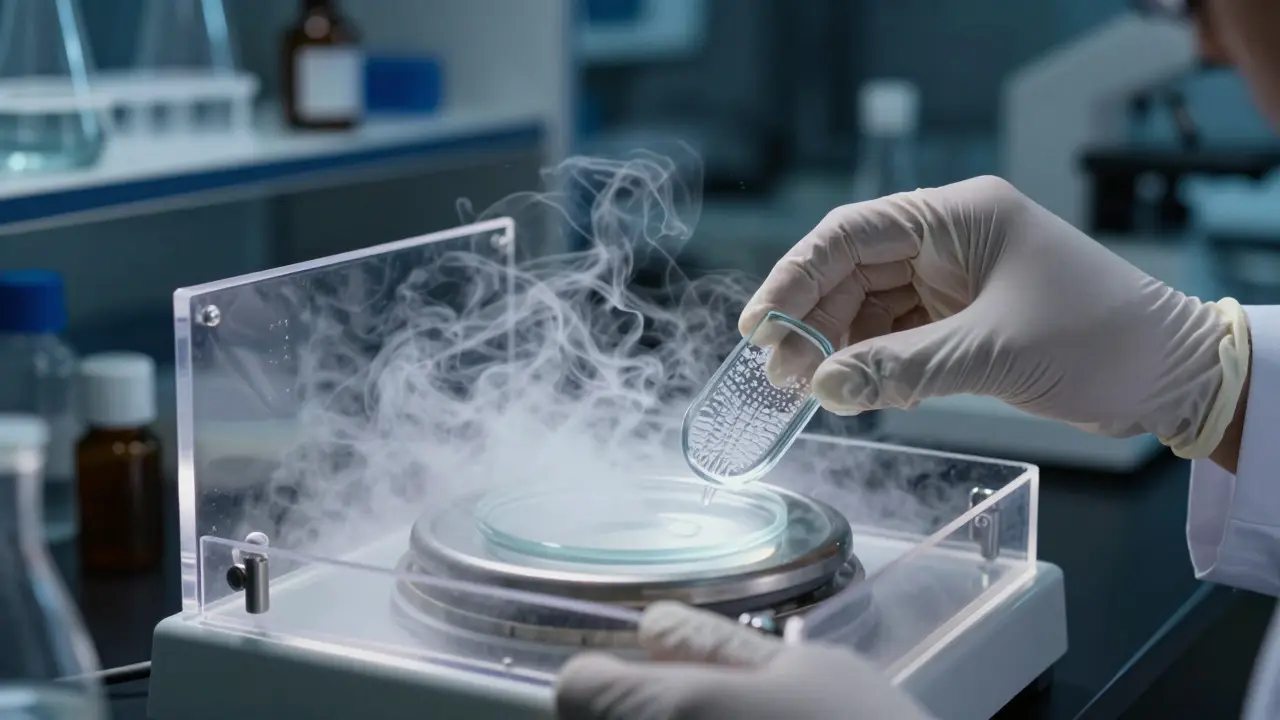
Cyanoacrylate Fuming: The Complete Guide to Latent Print Development
- By : Ian Brophy
- Date : Aug 17 2026
Learn how cyanoacrylate fuming reveals hidden fingerprints on non-porous surfaces. This guide covers the chemistry, equipment, step-by-step process, and troubleshooting tips for forensic technicians.
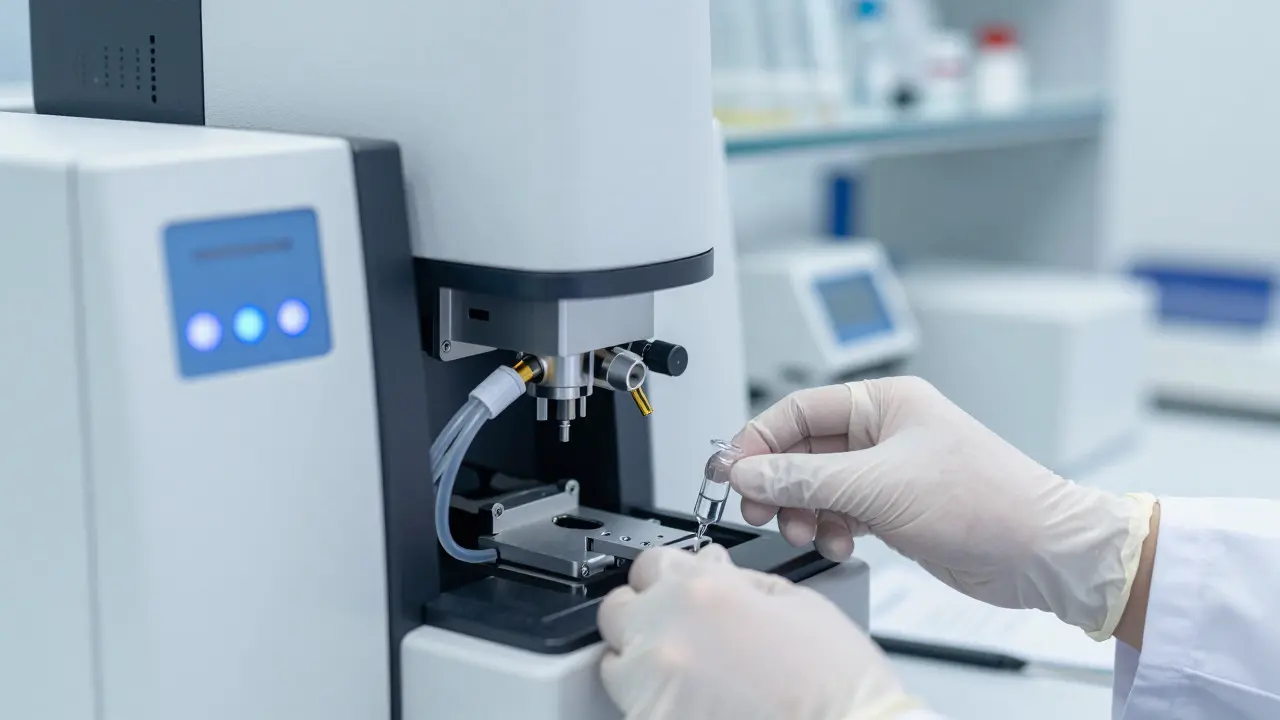
GC-MS Analysis in Drug Testing: How It Works & Why It Matters
- By : Ian Brophy
- Date : Aug 17 2026
Discover how GC-MS analysis works in drug testing. Learn about its role in forensic toxicology, comparison with other methods, and why it's the industry standard.
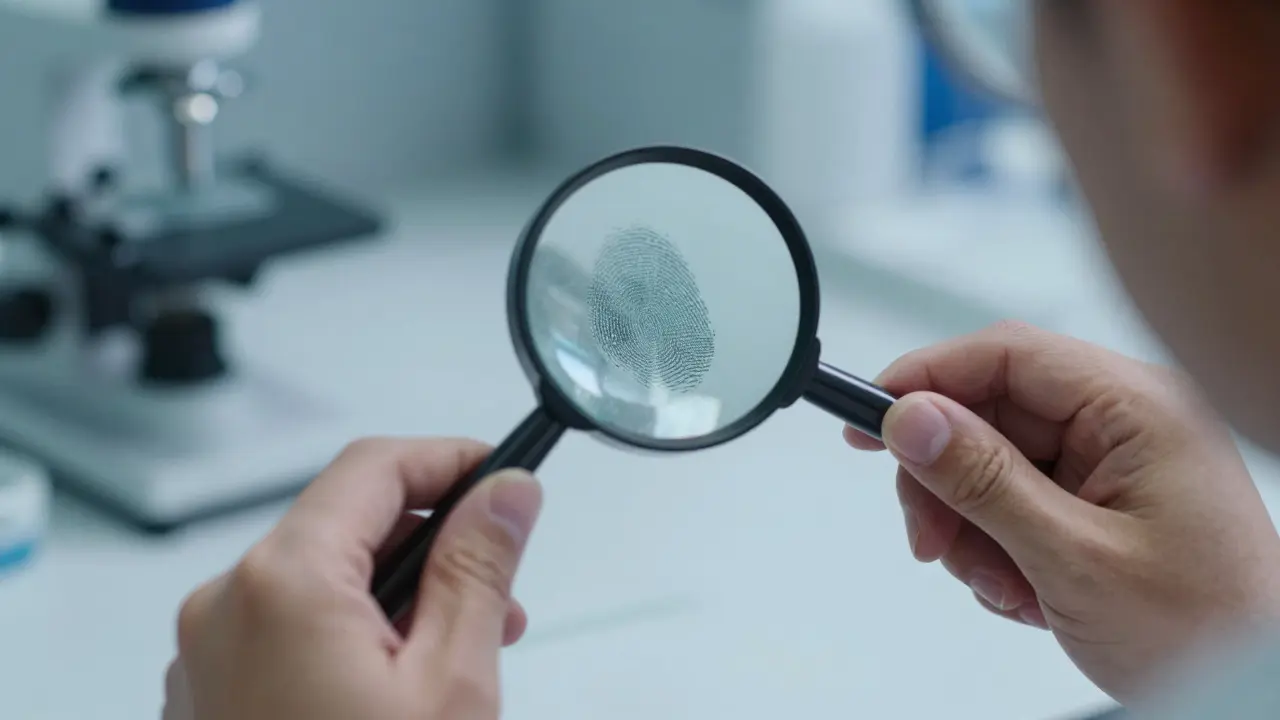
Ethics in Latent Print Examination: How to Control Cognitive Bias
- By : Ian Brophy
- Date : Aug 17 2026
Discover how cognitive bias affects fingerprint analysis and learn the ethical controls labs use to ensure accurate, defensible results.
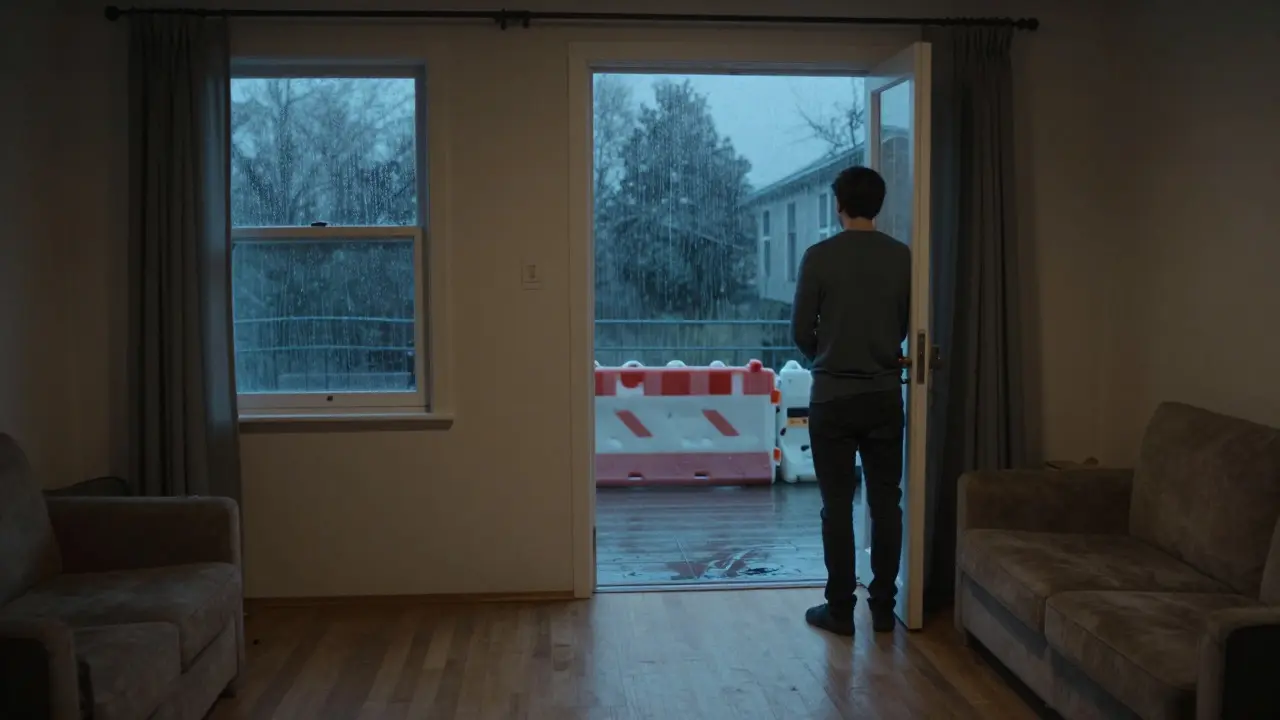
Emotional Support: Helping Families After Biohazard Cleanup
- By : Ian Brophy
- Date : Aug 17 2026
Discover how to navigate the emotional challenges following a biohazard cleanup. Learn practical tips for supporting families, restoring normalcy, and accessing mental health resources.
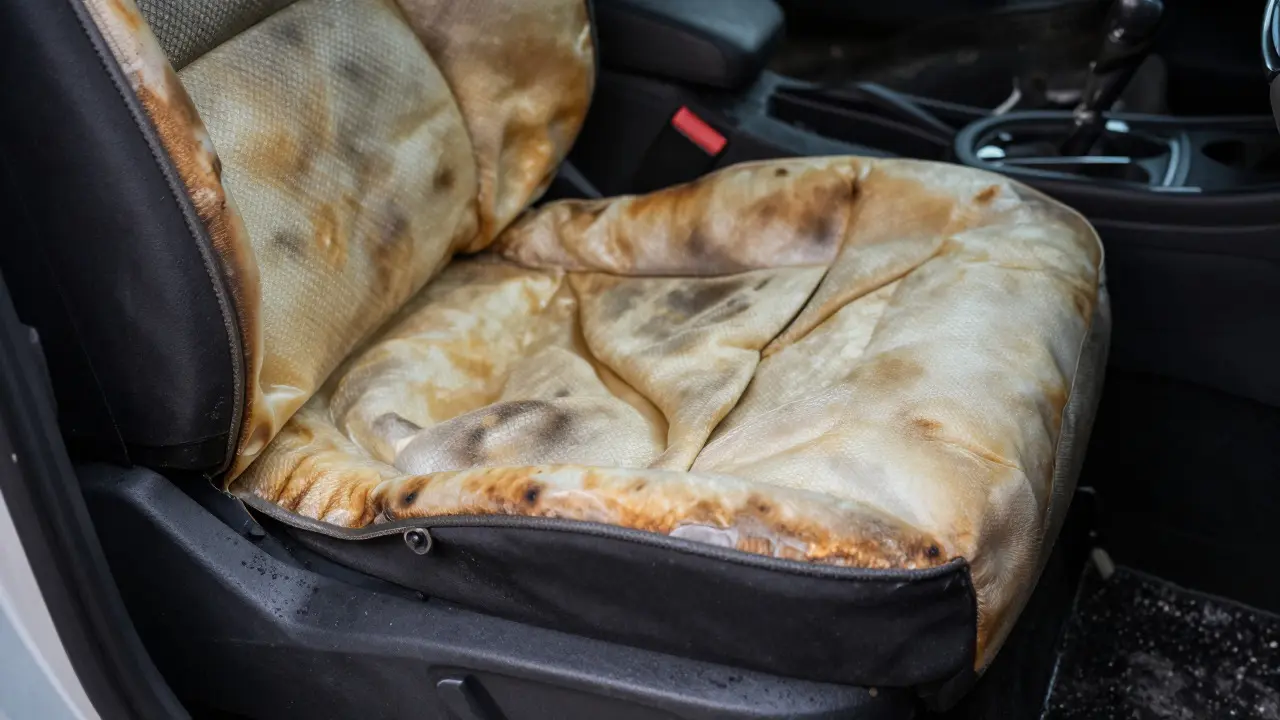
Vehicle Fire Investigation: How to Read Compartment and Fuel System Clues
- By : Ian Brophy
- Date : Aug 17 2026
Learn how to identify origin and cause in vehicle fires by analyzing compartment damage and fuel system clues. This guide covers forensic markers, residue detection, and field investigation steps.
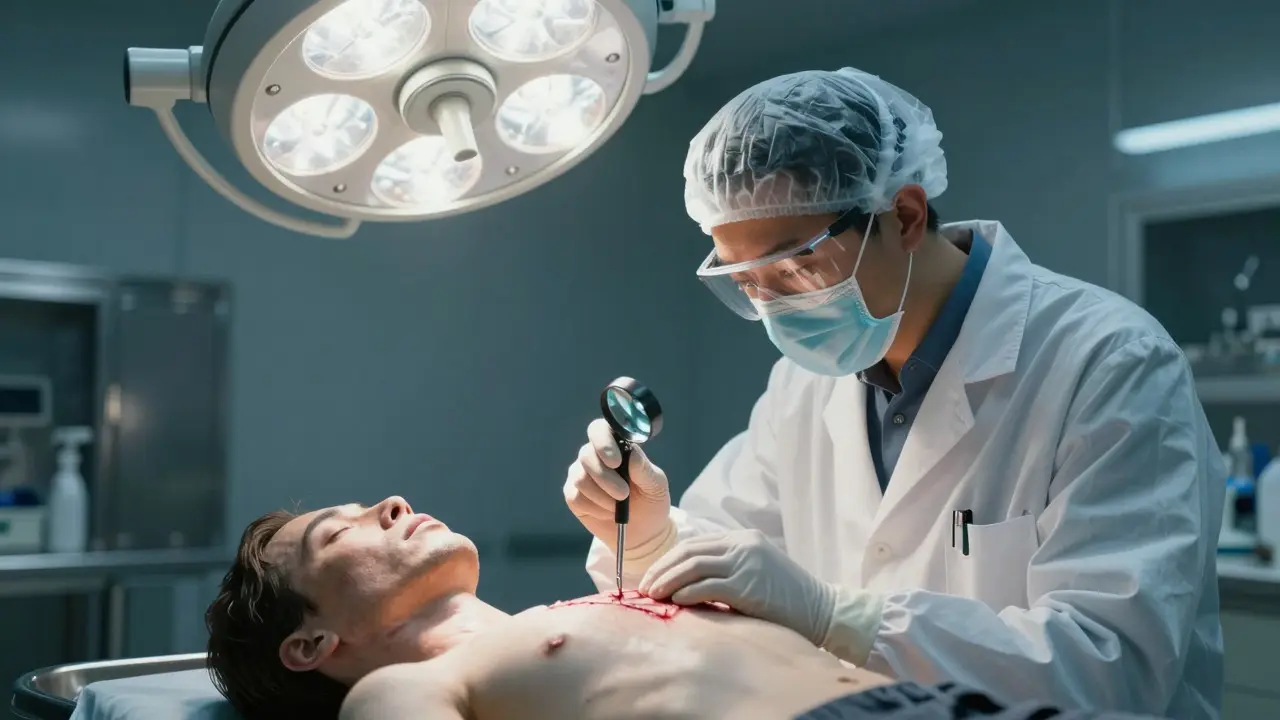
Wound Analysis: How Forensic Pathologists Determine the Cause of Injury
- By : Ian Brophy
- Date : Aug 17 2026
Learn how forensic pathologists use wound analysis to determine the cause of injury. Explore blunt, sharp, and firearm trauma, plus tips on timing and common errors.