Category: Law Enforcement

Investigative Interviewing: How Rapport and Cognitive Techniques Improve Information Gathering
- By : Ian Brophy
- Date : Mar 24 2026
Investigative interviewing relies on rapport and cognitive techniques to draw out accurate, detailed information from witnesses and suspects. Learn how proven methods like PEACE, OARS, and memory reconstruction improve outcomes in real-world investigations.
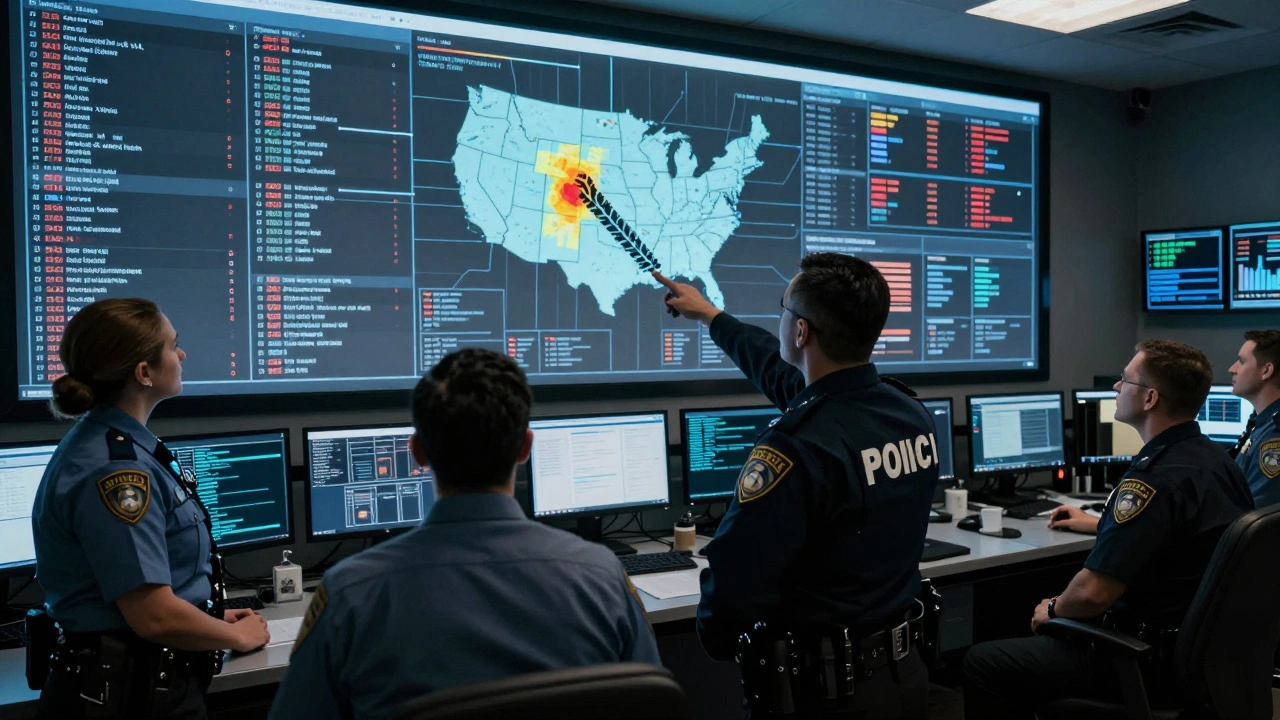
Multi-Agency Task Forces: How Law Enforcement Coordinates Complex Homicide Investigations
- By : Ian Brophy
- Date : Mar 18 2026
Multi-agency task forces bring together police, federal agents, and forensic experts to solve complex homicides that cross jurisdictional lines. With shared databases, encrypted communication, and formal agreements, these teams turn fragmented efforts into coordinated investigations that actually solve crimes.

Color Reagent Tests: Visual Drug Identification for Field Use
- By : Ian Brophy
- Date : Mar 18 2026
Color reagent tests let law enforcement quickly identify drugs in the field using simple chemical reactions that change color. They're fast, cheap, and lifesaving - but not foolproof.

AMBER Alert: How the Child Abduction Notification System Saves Lives
- By : Ian Brophy
- Date : Mar 14 2026
The AMBER Alert system is a life-saving public notification tool that broadcasts urgent information about child abductions via TV, radio, and cell phones. Since 1996, it has helped recover over 900 children by turning the public into active participants in the search.

How Undercover Operations Help Solve Homicide Cases
- By : Ian Brophy
- Date : Mar 11 2026
Undercover operations are a powerful, legally validated tool in homicide investigations, using deception to uncover confessions and evidence that traditional methods can't reach. With high conviction rates and global use, they turn silence into justice.

Crime Scene Legal Authority: Warrants, Consent, and Exigency Explained
- By : Ian Brophy
- Date : Mar 4 2026
Learn how police legally enter and search crime scenes using warrants, consent, and exigent circumstances. Understand your rights and what happens when rules are broken.

Case File Management: Organization and Disclosure in Homicide Investigations
- By : Ian Brophy
- Date : Feb 22 2026
Effective case file management in homicide investigations ensures evidence is secure, accessible, and legally sound. From centralized digital storage to automated disclosure, proper organization isn't optional-it's essential for justice.

Interrogation Techniques: Psychological Approaches That Work
- By : Ian Brophy
- Date : Feb 22 2026
Psychological interrogation techniques have evolved from confrontation to connection. Modern methods like rapport-building and evidence presentation produce more accurate results and fewer false confessions than traditional accusatory approaches like the Reid Technique.

How Firearm Trace and eTrace Help Solve Homicide Cases
- By : Ian Brophy
- Date : Jan 29 2026
Firearm trace and eTrace are vital tools for solving homicide cases by tracking the history of guns used in crimes. Learn how the system works, its real-world impact, and why it’s one of law enforcement’s most reliable leads.

Multi-Jurisdiction Coordination: Finding Missing Persons
- By : Ian Brophy
- Date : Jan 27 2026
Finding missing persons requires coordination across police departments, tribes, and federal agencies. NamUs is the only national system that connects cases across jurisdictions, helping solve cases that would otherwise go cold.