Author: Ian Brophy - Page 11
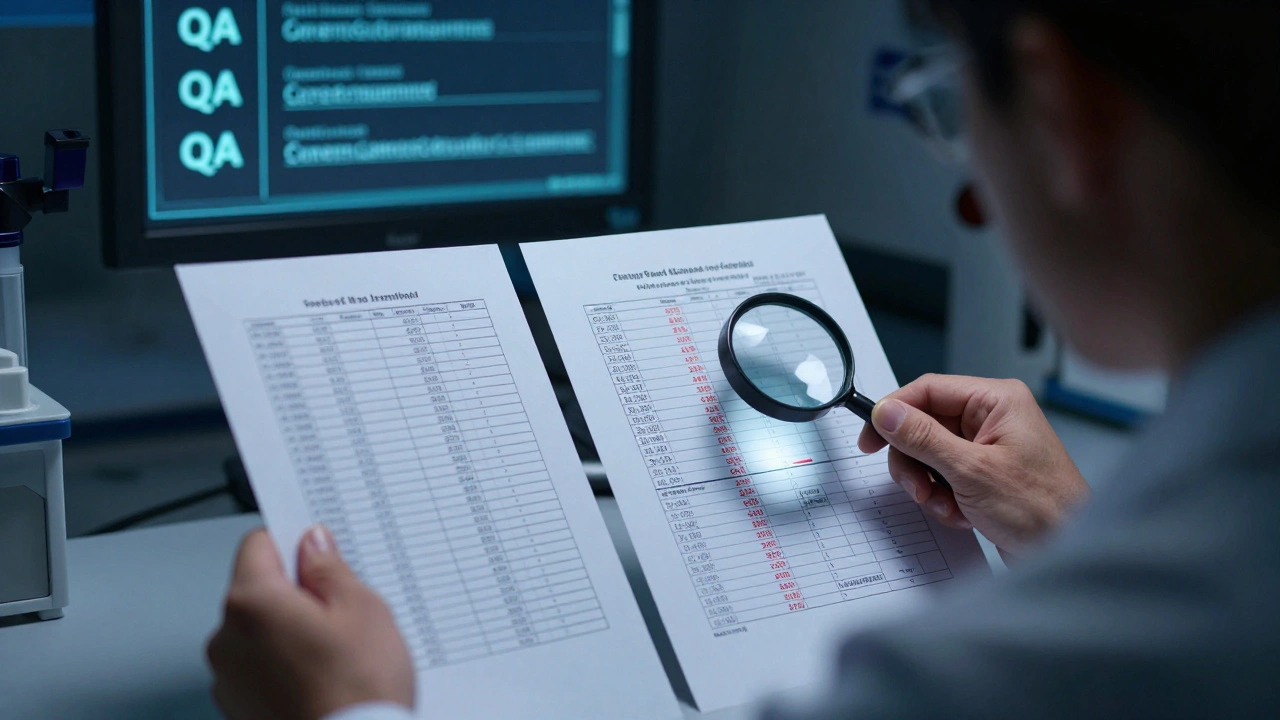
Quality Assurance Review: Checking Reports for Accuracy in Forensic Contexts
- By : Ian Brophy
- Date : Jan 23 2026
A quality assurance review ensures forensic reports are factually accurate, methodologically sound, and properly documented. Without it, even small errors can lead to legal disasters. Learn how QA catches mistakes before they become evidence.
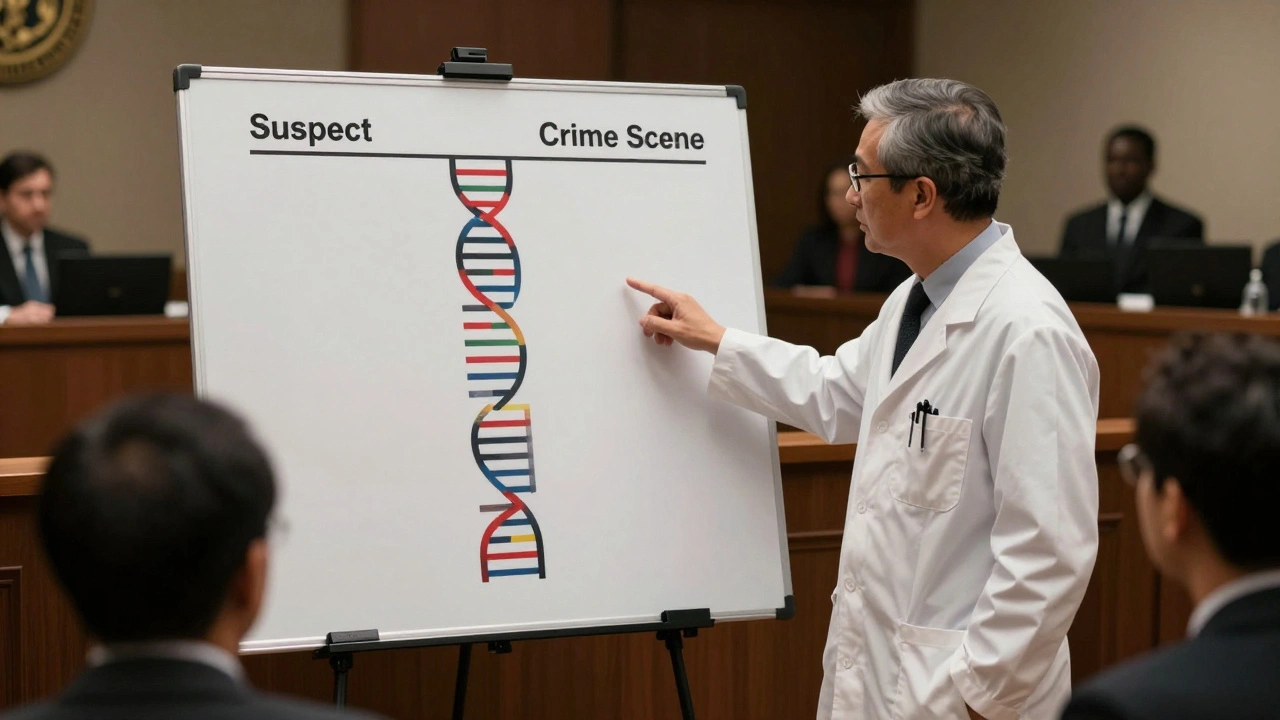
How to Explain Forensics to Non-Experts: Clear, Honest, and Simple
- By : Ian Brophy
- Date : Jan 16 2026
Forensics can be confusing in court. This article explains how to turn complex science into clear, honest, and understandable language for jurors, lawyers, and the public-without losing accuracy.
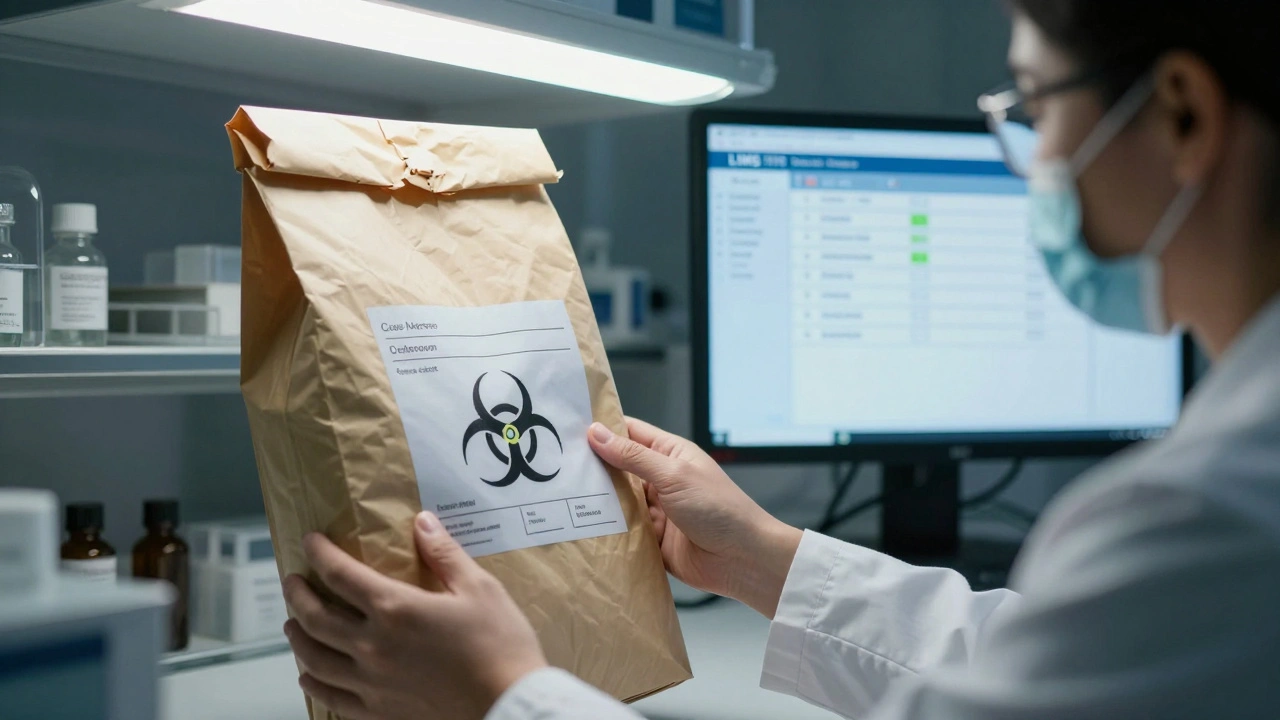
Evidence Intake Procedures: Laboratory Submission Standards Explained
- By : Ian Brophy
- Date : Jan 13 2026
Evidence intake procedures ensure forensic samples are properly packaged, labeled, and documented before lab submission. Follow these standards to avoid contamination, legal challenges, and case dismissal. Learn the key rules, common mistakes, and how digital systems are transforming forensic workflows.
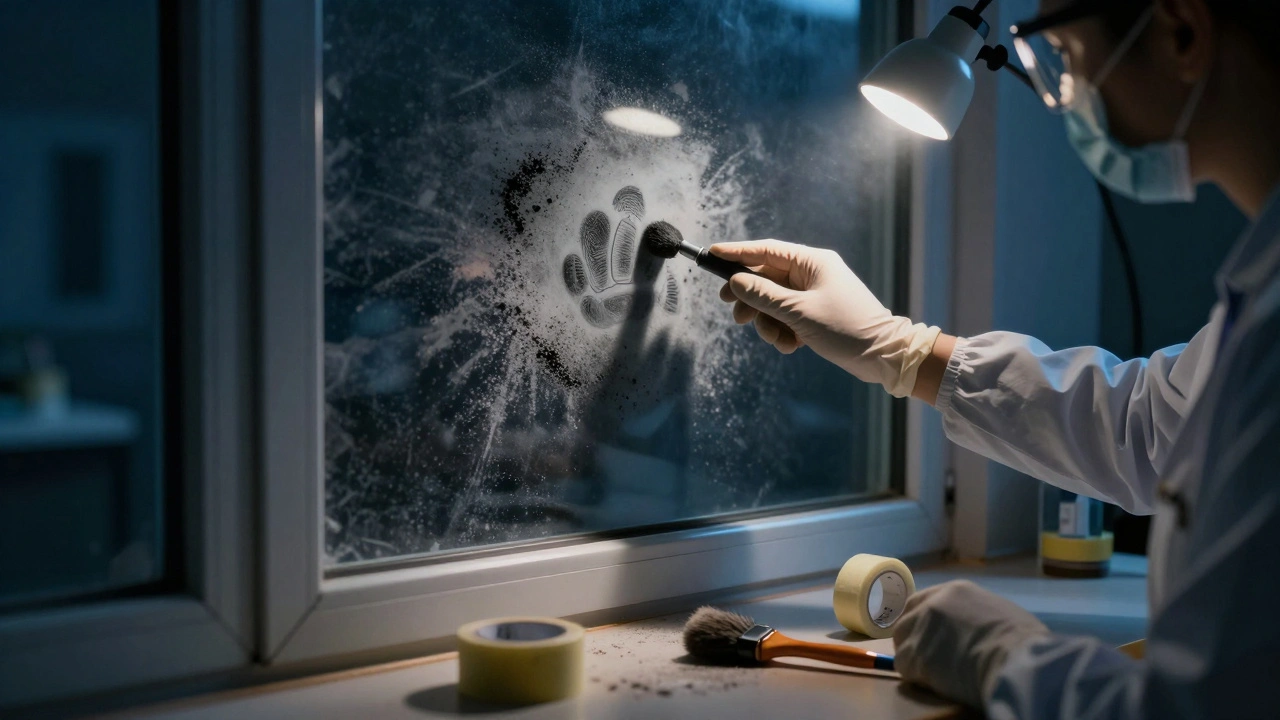
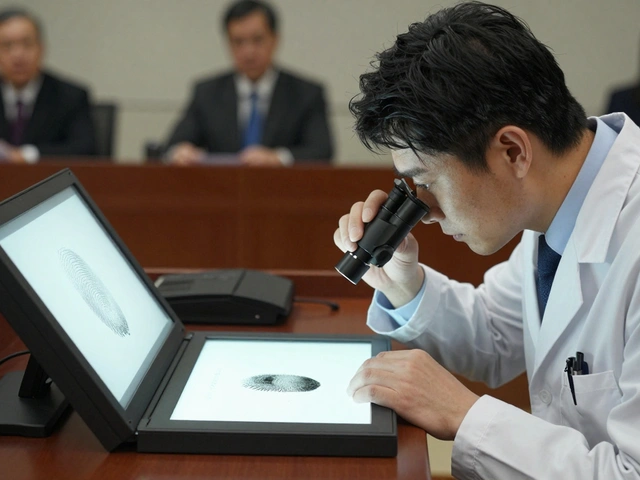
Latent Fingerprints vs. Patent Prints: What Forensic Experts Actually See at Crime Scenes
- By : Ian Brophy
- Date : Jan 12 2026
Latent and patent fingerprints are two distinct types of evidence in forensic science. Latent prints are invisible and require development, while patent prints are visible right away. Learn how they differ in formation, collection, and courtroom value.
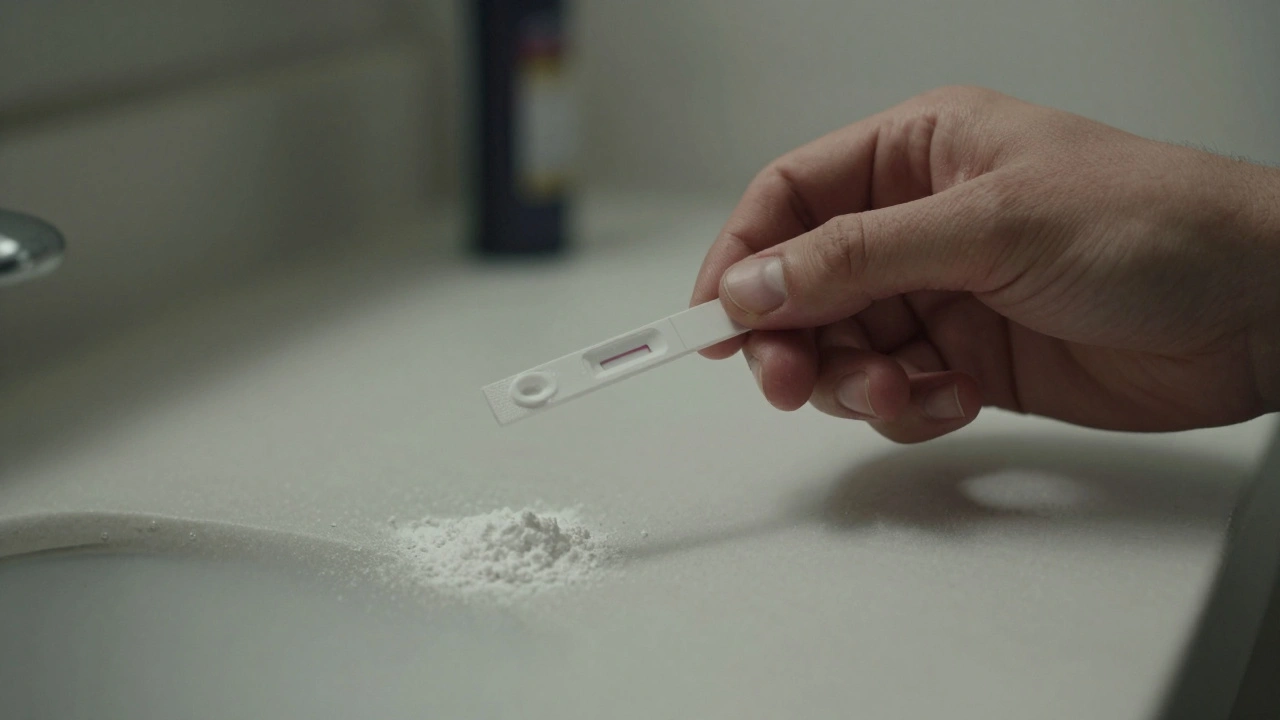
Fentanyl Detection: Challenges in Controlled Substance Testing
- By : Ian Brophy
- Date : Jan 12 2026
Fentanyl detection saves lives, but current testing methods have serious limitations. Test strips are accurate but miss analogs; portable devices struggle with trace amounts; and legal barriers block access. Detection alone can't solve the overdose crisis.
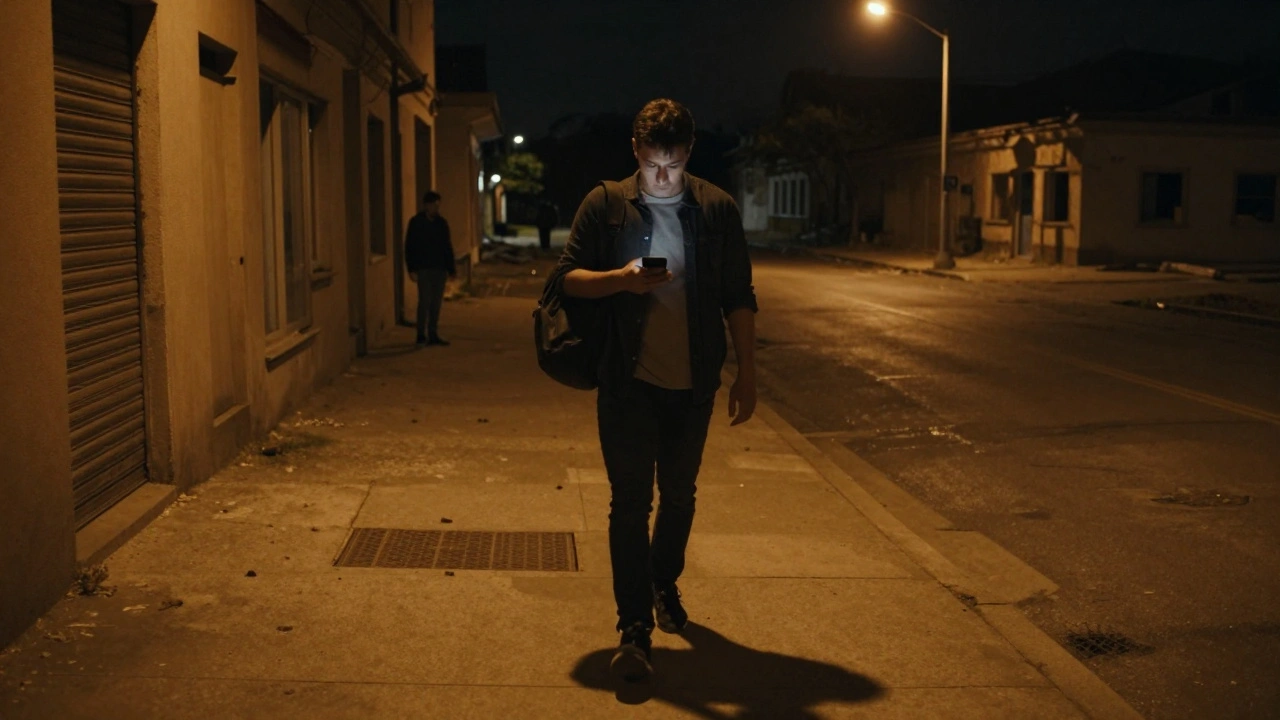
Victimology: How Lifestyle, Routine Activity, and Risk Shape Crime Patterns
- By : Ian Brophy
- Date : Jan 4 2026
Victimology reveals how daily routines, lifestyle choices, and environmental factors shape crime risk. Learn how lifestyle theory and routine activity theory explain who gets targeted - and how to reduce risk without blaming victims.

Lab Safety: Hazardous Chemical Handling - Essential Protocols for Drug Analysis
- By : Ian Brophy
- Date : Dec 28 2025
Essential lab safety protocols for handling hazardous chemicals in drug analysis, covering OSHA requirements, PPE, fume hoods, storage, waste, and training. Based on 2026 standards.

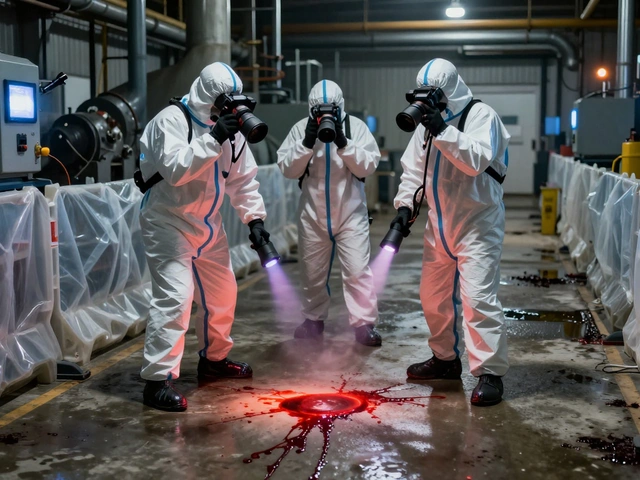
Trauma Scene Reconstruction for Cleanup Planning: A Step-by-Step Guide for Biohazard Remediation
- By : Ian Brophy
- Date : Dec 27 2025
Trauma scene reconstruction is the essential, science-backed process that ensures safe, complete biohazard cleanup after traumatic events. Learn how certified professionals map contamination, prevent exposure, and restore safety - and why skipping it puts lives at risk.
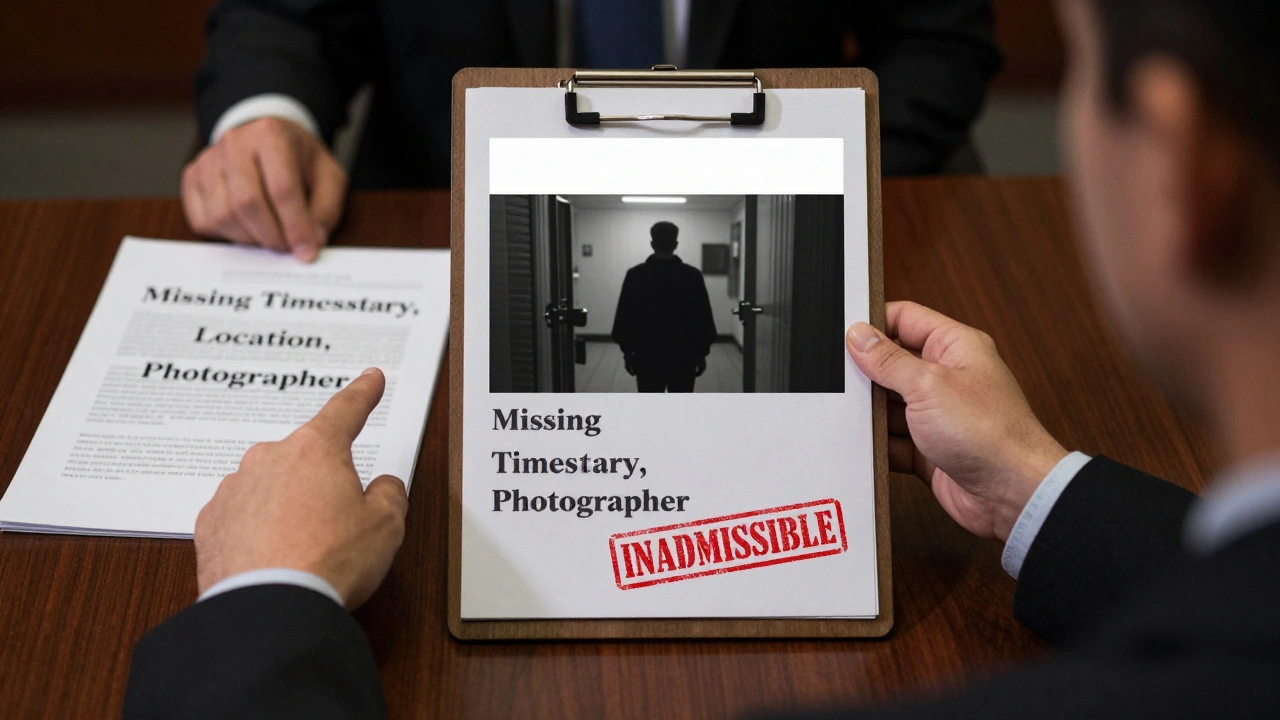
Evidence Photo Captions: Clarity and Legal Sufficiency
- By : Ian Brophy
- Date : Dec 27 2025
Evidence photo captions aren't just notes-they're legal requirements. Learn what details must be included to keep photos admissible in court and avoid evidence being thrown out.
- By : Ian Brophy
- Date : Dec 24 2025
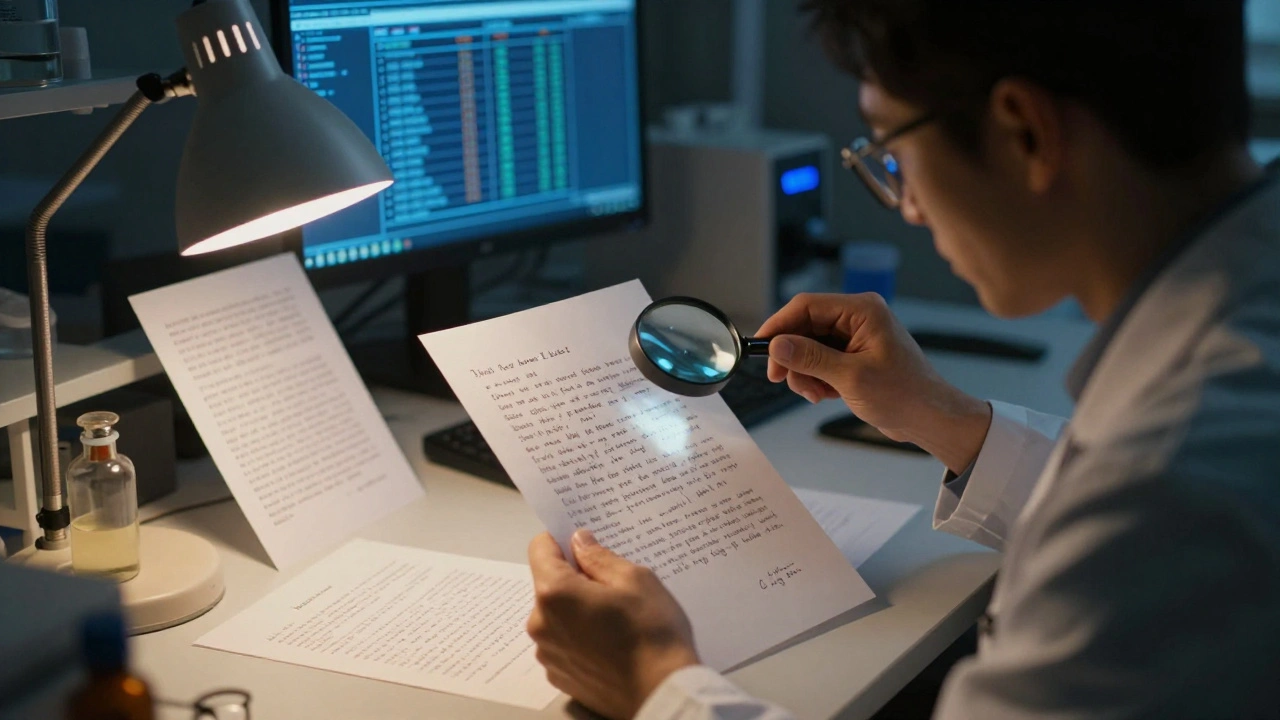
Forensic linguists analyze threat letters and anonymous notes to uncover hidden identities, assess risk, and prevent violence. Every word, typo, and punctuation mark can reveal who wrote it - and what they might do next.