Category: Criminal Justice
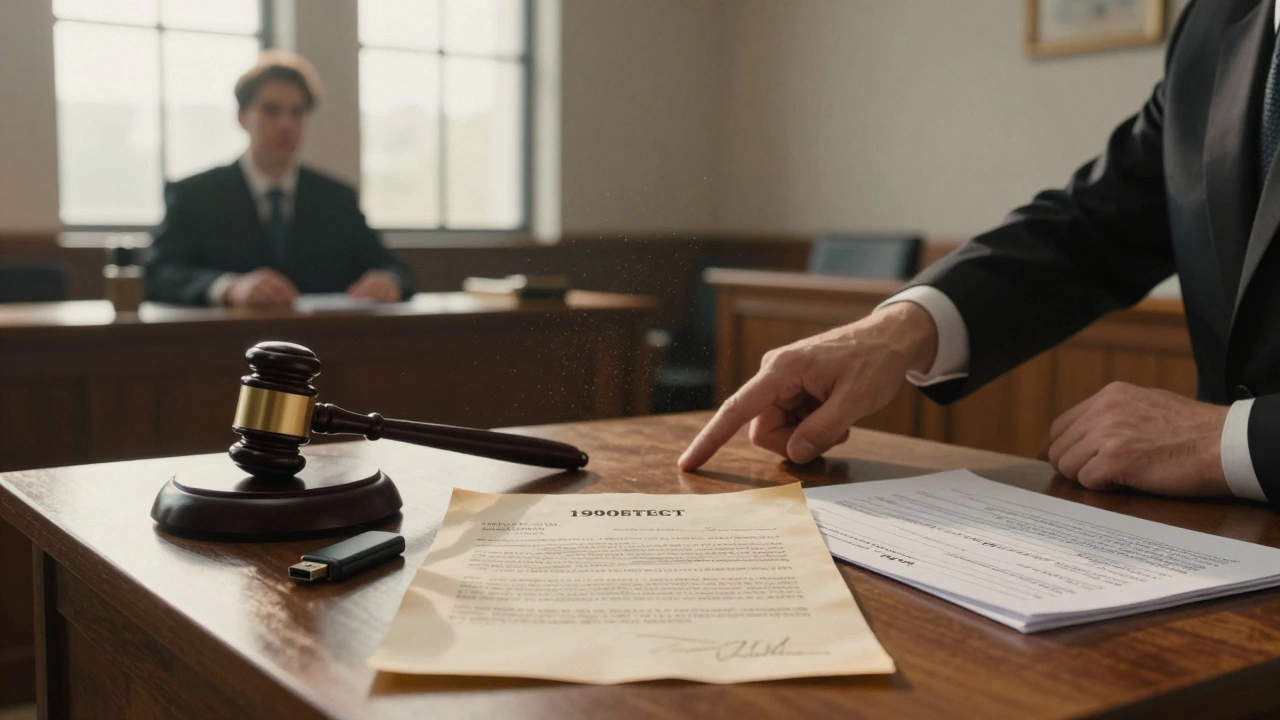
Foundational Questions: Establishing Evidence Authentication in Court
- By : Ian Brophy
- Date : Mar 20 2026
Evidence authentication is the legal gate that determines whether an item can be presented in court. It doesn't prove truth-it proves identity. Learn how witnesses, distinctive traits, and chain of custody make evidence admissible.
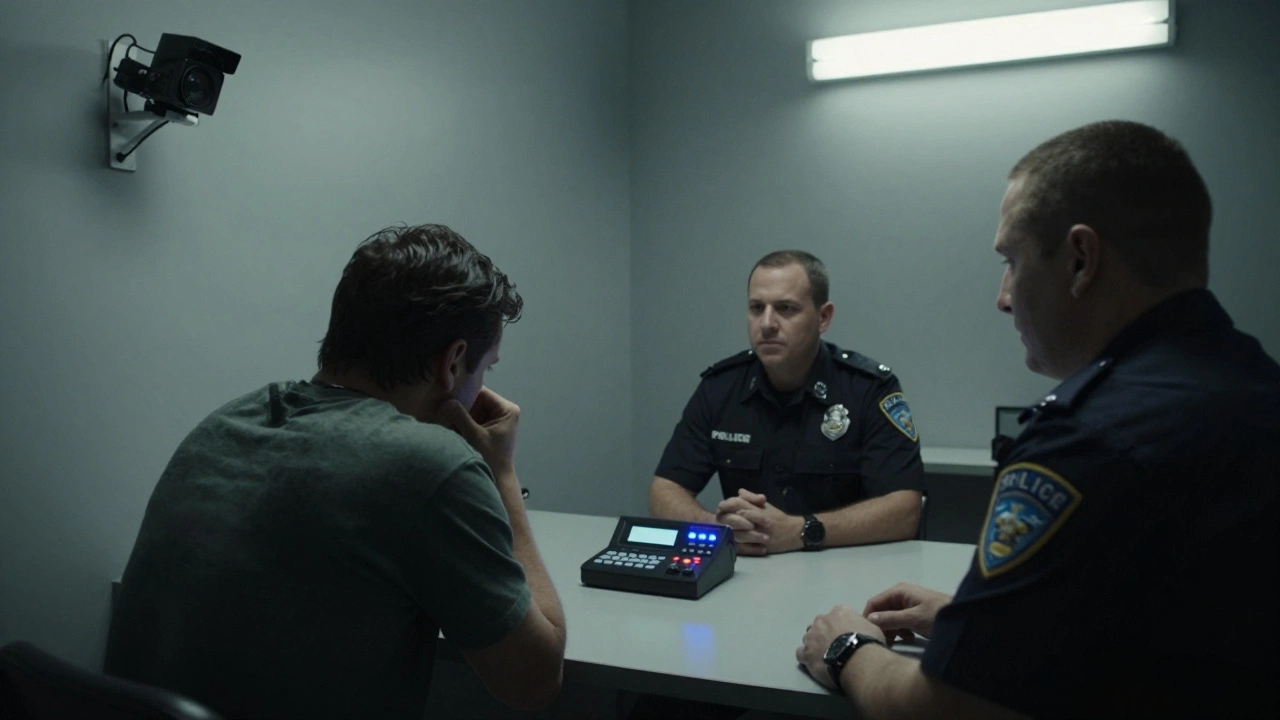
Interview Recording: Legal Standards in Homicide Interrogations
- By : Ian Brophy
- Date : Mar 16 2026
Legal standards for recording homicide interrogations vary widely across U.S. states, with some requiring full video recording and others having no requirements at all. Learn how recording impacts confessions, officer accountability, and case outcomes.

Admissibility Motions: How Pre-Trial Evidence Challenges Shape Trials
- By : Ian Brophy
- Date : Mar 13 2026
Admissibility motions are pre-trial legal tools that block improper evidence from reaching juries. They protect fair trials by excluding illegally obtained evidence, hearsay, and prejudicial material. Understanding these motions is key to both defense and prosecution strategy.
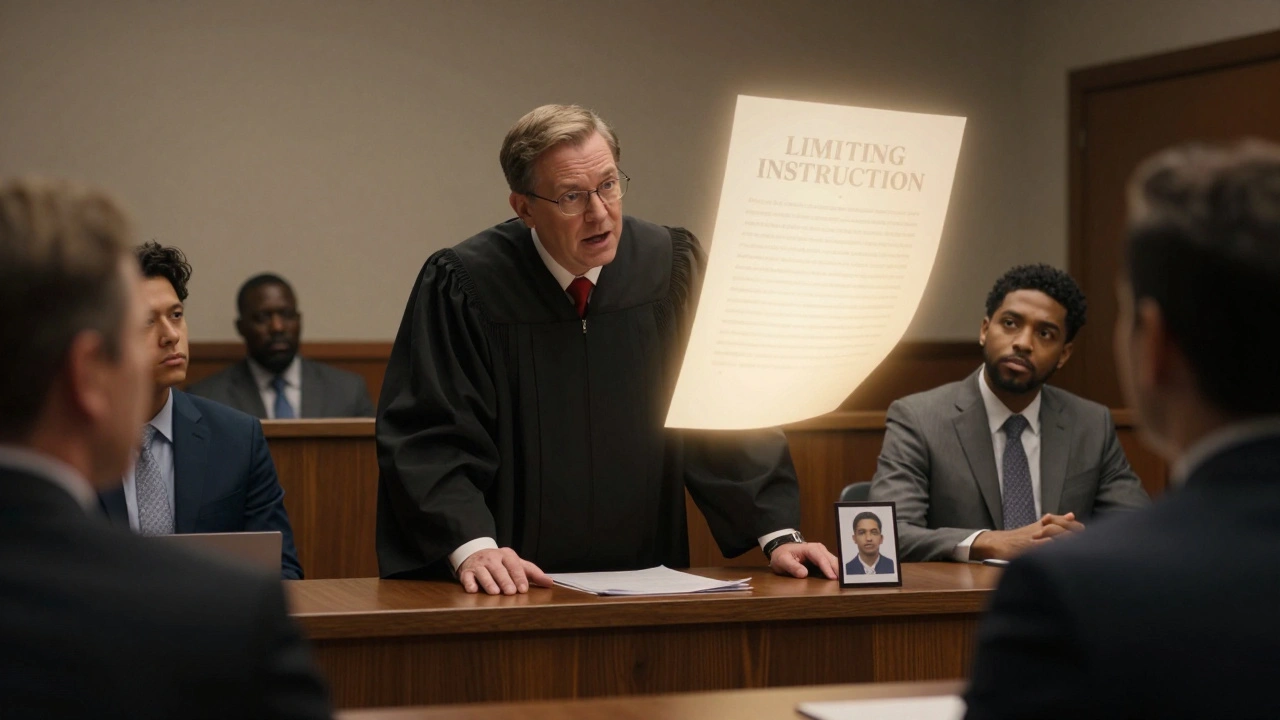
Limiting Instructions: How Judges Teach Jurors to Use Evidence Fairly
- By : Ian Brophy
- Date : Mar 13 2026
Limiting instructions are court directives that tell jurors how to use certain evidence-only for its legal purpose. Despite doubts about their effectiveness, they remain essential to keeping trials fair and evidence rules intact.

Courtroom Limits of Profiling Evidence: What Judges Allow and What They Block
- By : Ian Brophy
- Date : Mar 6 2026
Criminal profiling can help investigators, but courts strictly limit its use in trials. Learn what profiling evidence is allowed, why it's often blocked, and how judges decide what's admissible.

Offender Motivation: Power, Control, and Gratification in Criminal Behavior
- By : Ian Brophy
- Date : Mar 2 2026
Offender motivation isn't one-size-fits-all. Power, control, and gratification drive different criminals in different ways - and understanding these distinctions is key to criminal profiling and effective investigations.

Defense Challenges: Addressing Suspect Arguments in Homicide Cases
- By : Ian Brophy
- Date : Feb 23 2026
In homicide cases, defense attorneys challenge suspect arguments by questioning evidence, witness reliability, and procedural errors. Reasonable doubt, not perfection, wins acquittals.

- By : Ian Brophy
- Date : Dec 24 2025
Forensic linguists analyze threat letters and anonymous notes to uncover hidden identities, assess risk, and prevent violence. Every word, typo, and punctuation mark can reveal who wrote it - and what they might do next.