Tag: biohazard cleanup
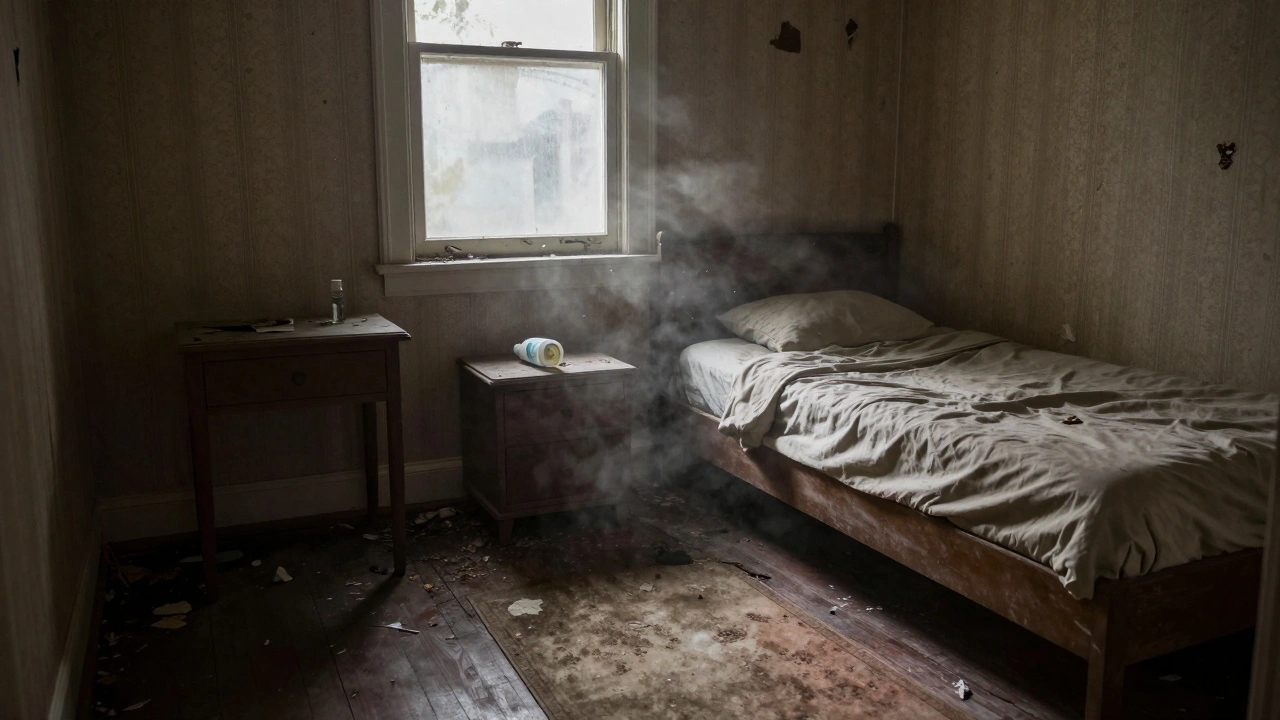
Odor Removal: How to Eliminate Decomposition Odors for Good
- By : Ian Brophy
- Date : Mar 9 2026
Decomposition odors are deeply embedded and can't be removed with regular cleaning. Learn how professionals eliminate these smells using source removal, layer-by-layer decontamination, and hospital-grade ozone and hydroxyl treatments.
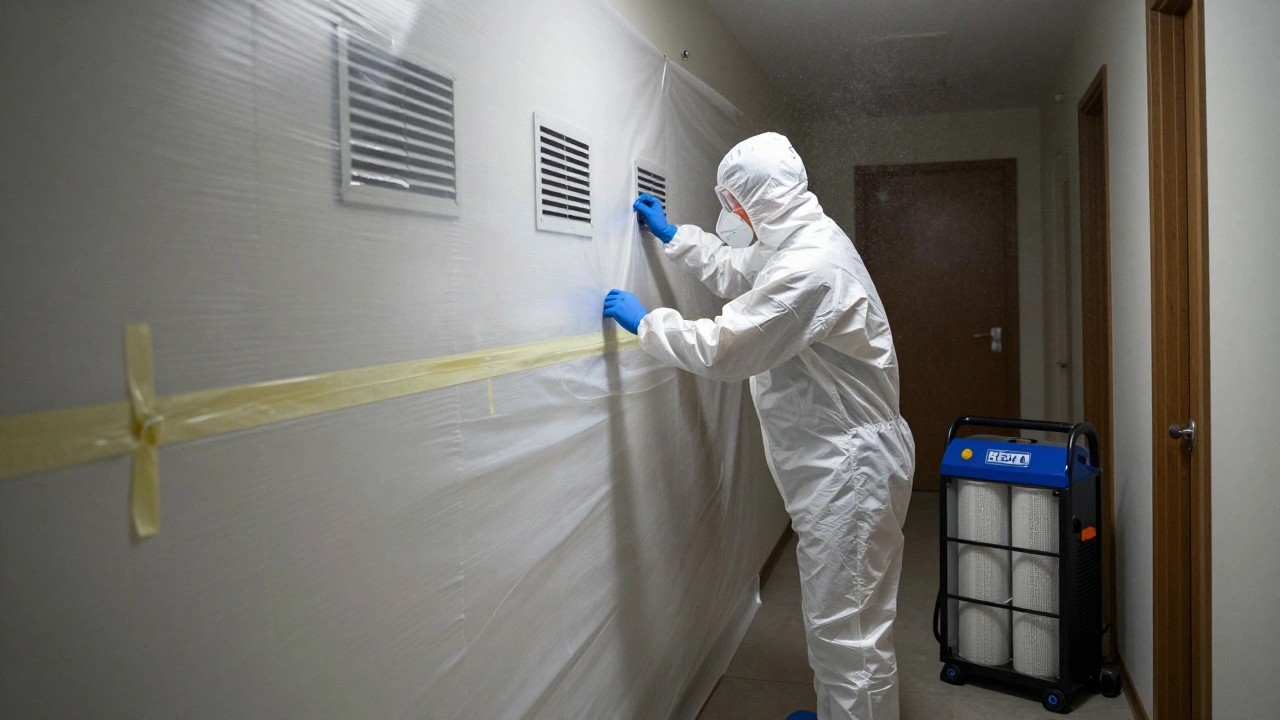
HVAC Decontamination After Biohazard Events: What You Need to Know
- By : Ian Brophy
- Date : Mar 4 2026
HVAC decontamination after biohazard events is critical to prevent airborne spread of pathogens. Learn how proper isolation, HEPA filters, duct cleaning, and air testing ensure safe building reoccupancy.
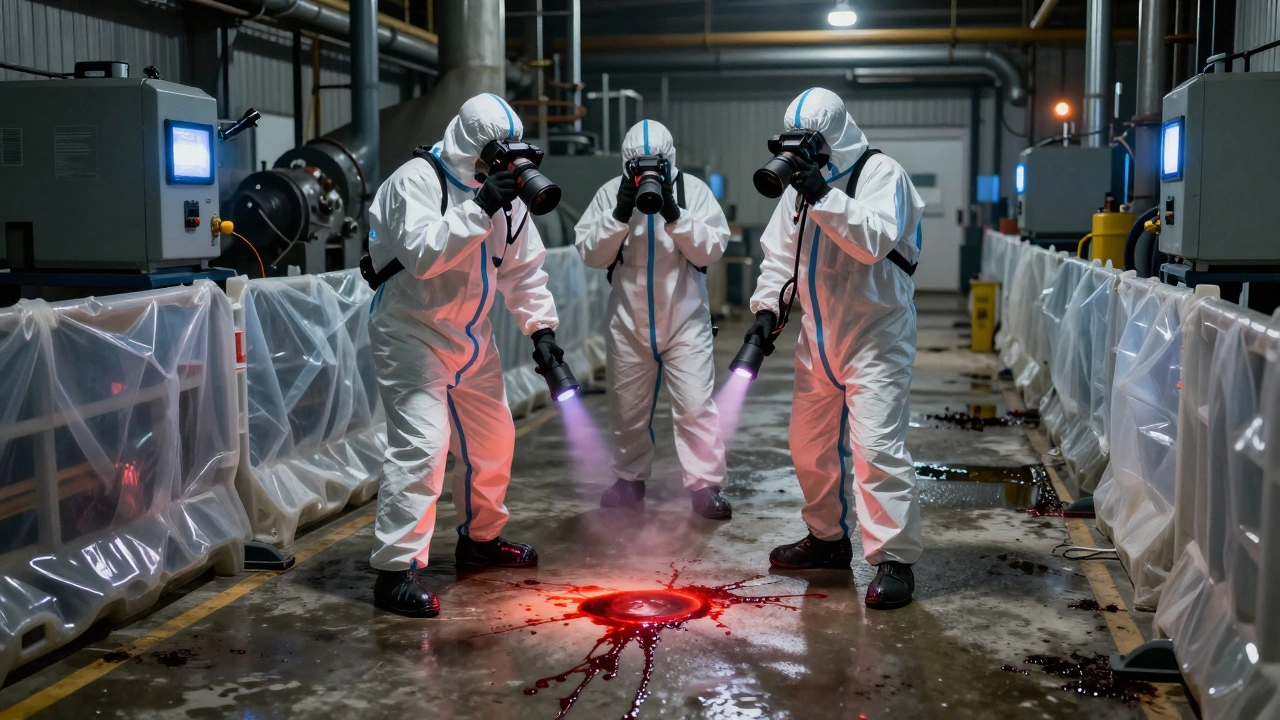
Industrial Accident Cleanup: How to Handle Large-Scale Biohazards
- By : Ian Brophy
- Date : Feb 21 2026
Industrial biohazard cleanup after major accidents requires professional teams, regulated disinfectants, and strict safety protocols. Learn how contaminated sites are assessed, contained, cleaned, and verified to meet OSHA and EPA standards.
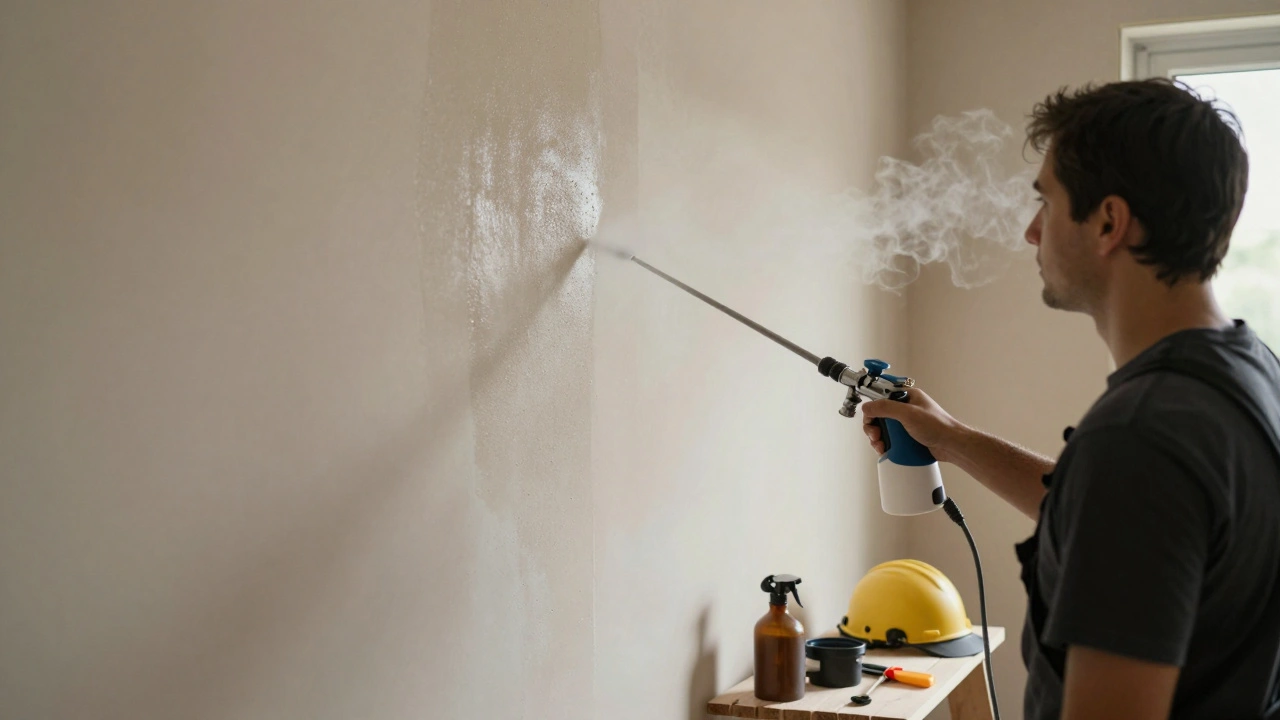
Odor Encapsulation: How Sealants and Building Materials Stop Smells for Good
- By : Ian Brophy
- Date : Feb 14 2026
Odor encapsulation uses advanced sealants to permanently trap odors from fire, biohazards, and pet waste. Learn how water-based, vapor-permeable coatings outperform old-school sealers and why they're now standard in professional restoration.
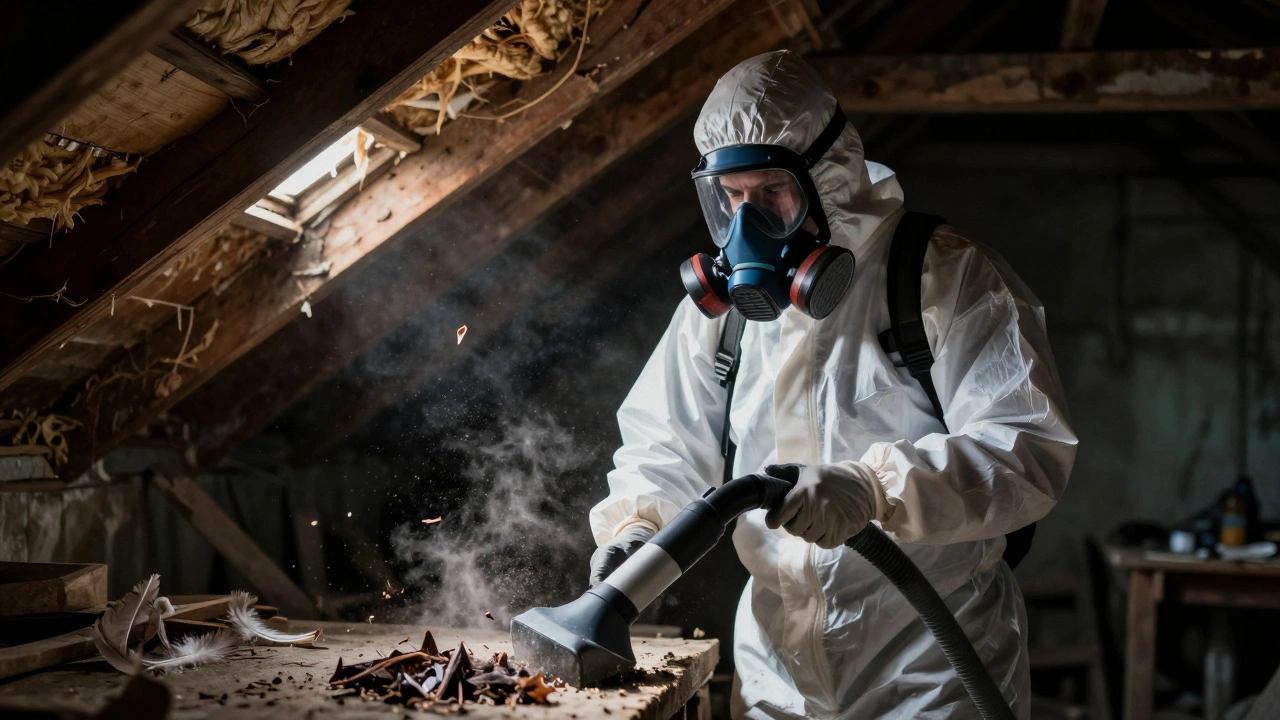
Zoonotic Disease Risks in Biohazard Remediation: What Cleanup Workers Need to Know
- By : Ian Brophy
- Date : Feb 13 2026
Biohazard cleanup workers face hidden dangers from zoonotic diseases like Hantavirus, Leptospirosis, and Rabies. Learn how these infections spread, why current protections fall short, and what workers can do to stay safe.
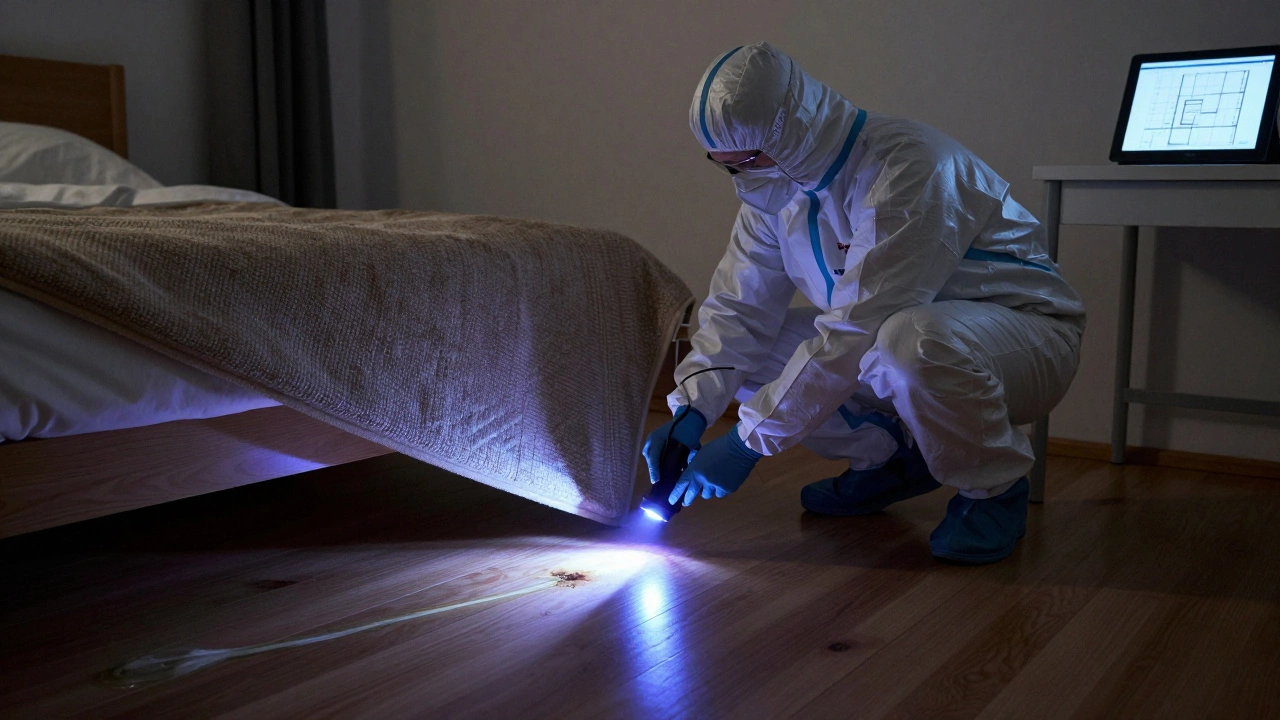
Trauma Scene Reconstruction for Cleanup Planning: A Step-by-Step Guide for Biohazard Remediation
- By : Ian Brophy
- Date : Dec 27 2025
Trauma scene reconstruction is the essential, science-backed process that ensures safe, complete biohazard cleanup after traumatic events. Learn how certified professionals map contamination, prevent exposure, and restore safety - and why skipping it puts lives at risk.