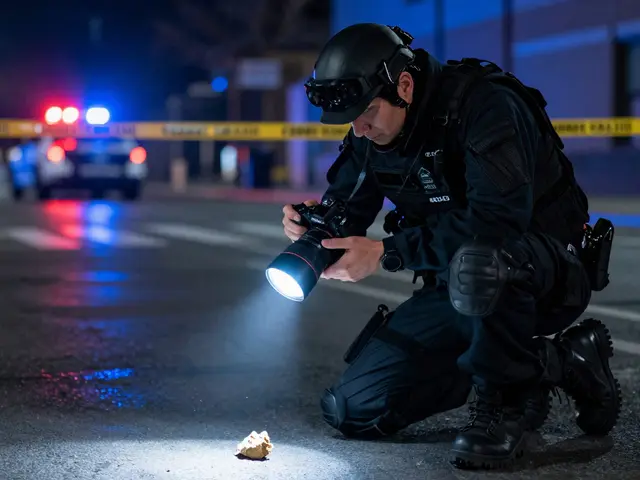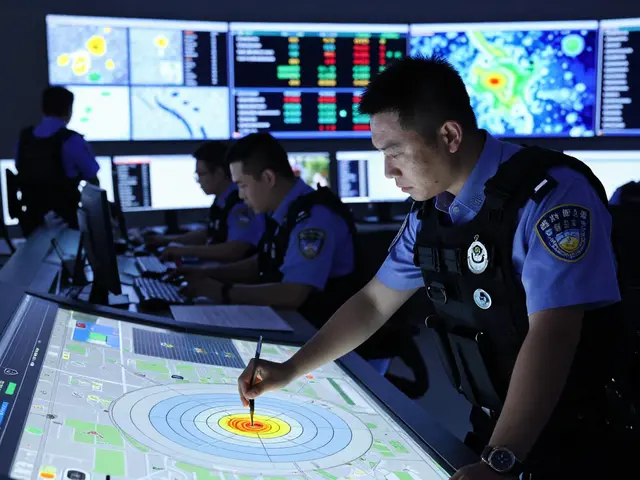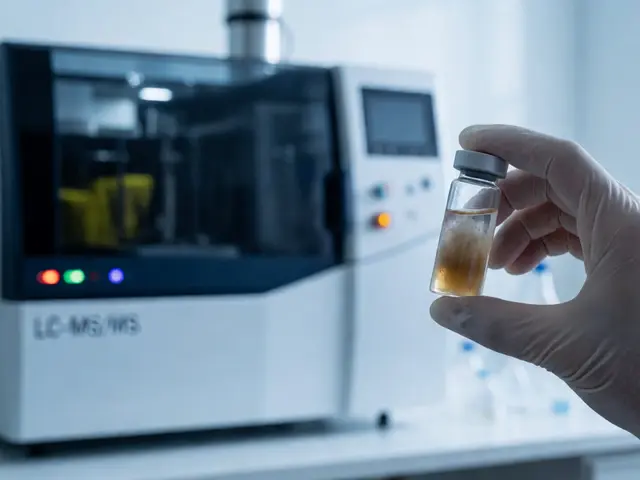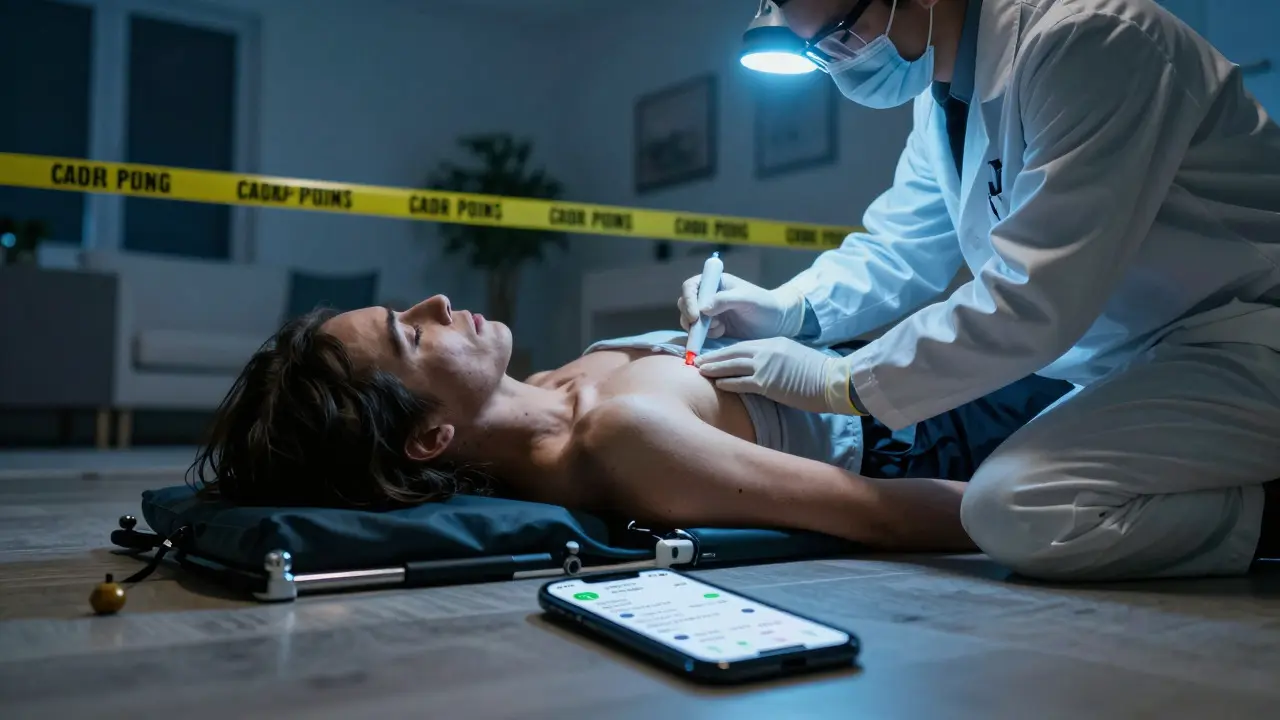
Imagine walking into a crime scene where the body is cold, but the phone is still buzzing. Who called last? When did the lights go out? These aren't just details; they are the backbone of solving a murder. Timeline reconstruction is the process investigators use to piece together the exact order of events leading up to and following a homicide. It turns scattered data points-phone records, witness statements, CCTV footage-into a coherent narrative that tells the truth about who did what, and when.
Without a solid timeline, a case can fall apart in court. Prosecutors need to prove not just guilt, but the specific moments that link the suspect to the victim. This isn't about guessing; it’s about rigorous evidence gathering and logical deduction. Whether you’re a law enforcement officer, a forensic analyst, or a legal professional, understanding how this sequence is established is critical for building a bulletproof case.
The Core Components of a Homicide Timeline
A homicide timeline is not a single document but a layered structure of data. It typically spans from the last known sighting of the victim alive to the moment of death, and often extends through the suspect's flight or discovery of the body. Each layer relies on different types of evidence, which must be cross-referenced to eliminate contradictions.
- Physical Evidence: Includes toxicology reports, wound patterns, and environmental factors like temperature or tide levels (in water cases).
- Digital Evidence: Cell tower pings, Wi-Fi logs, smart home device activity, and cloud backups.
- Witness Accounts: Statements from neighbors, family, or bystanders, which provide context but require verification.
- Surveillance Footage: Local security cameras, traffic cams, and doorbell recordings that offer visual confirmation of movement.
The goal is to create a "golden thread" that connects all these elements without gaps. If there’s a two-hour window where no one saw the victim and no digital trail exists, that gap becomes a major vulnerability for the defense. Investigators work backward from the time of death estimate and forward from the last confirmed sighting to close those gaps.
Establishing the Time of Death: The Anchor Point
Everything hinges on the estimated time of death (TOD). While rarely precise to the minute, a reliable TOD range anchors the entire reconstruction. Forensic pathologists use several methods to narrow this down:
- Algor Mortis: Measuring body cooling rates. This works best within the first 12-24 hours but is affected by ambient temperature, clothing, and body mass.
- Rigor Mortis: The stiffening of muscles. It begins 2-6 hours after death, peaks around 12 hours, and dissipates after 36-48 hours. It provides a rough bracket rather than an exact time.
- Tafl Mortis: Eye changes, such as clouding of the cornea, which occur predictably post-mortem.
- Toxicology: Blood alcohol concentration (BAC) or drug metabolism can indicate when the victim last consumed substances, providing a pre-death marker.
In modern investigations, pathologists also consider gastric contents. If the victim had a heavy meal three hours before death, and we know their last meal was at 7 PM, we can infer death occurred around 10 PM. This biological clock is crucial when physical evidence is scarce.
The Role of Digital Forensics in Modern Reconstructions
Gone are the days when investigators relied solely on paper trails. Today, our devices leave a digital footprint every few seconds. Digital Forensics is the branch of digital science that deals with the identification, collection, preservation, and analysis of evidence. In homicide cases, this means extracting metadata from phones, computers, and IoT devices.
Consider a scenario where a victim’s smart watch stops recording heart rate at 11:45 PM. The cell phone shows a call log ending at 11:40 PM. A neighbor’s Ring doorbell captures a figure leaving the house at 11:52 PM. By correlating these timestamps, investigators can pinpoint the window of opportunity for the perpetrator. However, digital clocks can be wrong. Battery drain, network delays, and manual time changes can skew data. That’s why forensic examiners verify digital timestamps against independent sources, like cell tower handshakes or public server logs.
| Source Type | Precision Level | Common Pitfalls | Evidentiary Weight |
|---|---|---|---|
| Cell Tower Pings | Minute-level | Signal bouncing, dead zones | Moderate |
| Smart Device Logs | Second-level | Battery failure, user error | High (if authenticated) |
| CCTV Footage | Frame-level | Angle obstruction, timestamp drift | High |
| Witness Statements | Subjective | Memory distortion, bias | Variable |

Corroborating Witness Testimony with Hard Data
Witnesses are invaluable, but human memory is fragile. Stress during a traumatic event can alter recall. Investigators use a technique called "corroboration" to test witness claims against objective data. If a witness says they heard a scream at midnight, but the victim’s phone was already powered off at 11:30 PM, something doesn’t add up. Either the witness is mistaken, the phone data is flawed, or the timeline needs adjustment.
This process involves interviewing witnesses multiple times, often weeks apart, to see if details remain consistent. Contradictions don’t always mean lies; they might indicate confusion. But when a witness’s account directly conflicts with digital or physical evidence, the hard data usually wins. The timeline serves as a reality check for human perception.
Handling Gaps and Contradictions
No timeline is perfect. There will always be gaps. The key is identifying them and explaining them. For example, if there’s a 30-minute gap between the last cell ping and the body discovery, investigators look for alternative explanations. Did the suspect turn off the phone? Was there a service outage? Did the victim move to a location with poor signal?
Contradictions are even trickier. What if the medical examiner estimates death at 9 PM, but the last video shows the victim alive at 9:30 PM? This forces a re-evaluation. Maybe the TOD estimate was too wide. Maybe the video timestamp was incorrect. Or maybe the victim died later than thought. Resolving these conflicts requires flexibility and open-mindedness. Investigators must be willing to discard assumptions if the evidence demands it.
Legal Implications of Timeline Accuracy
In court, the timeline is often the battleground. Defense attorneys attack timelines by highlighting uncertainties. They ask, "How do you know the phone battery didn’t die earlier?" or "Could the body have been moved?" To withstand scrutiny, the prosecution must present a timeline that is not just plausible, but demonstrably supported by multiple independent sources.
Juries are more likely to convict if the story makes sense chronologically. A clear, linear progression from last sighting to death to discovery helps jurors visualize the events. Complex, fragmented timelines confuse juries and can lead to reasonable doubt. Therefore, clarity and simplicity in presenting the reconstructed sequence are as important as the accuracy of the data itself.
Best Practices for Building a Robust Timeline
Building a reliable homicide timeline requires discipline and collaboration. Here are some proven strategies used by experienced investigators:
- Start with the Knowns: List every verified fact with its source and confidence level.
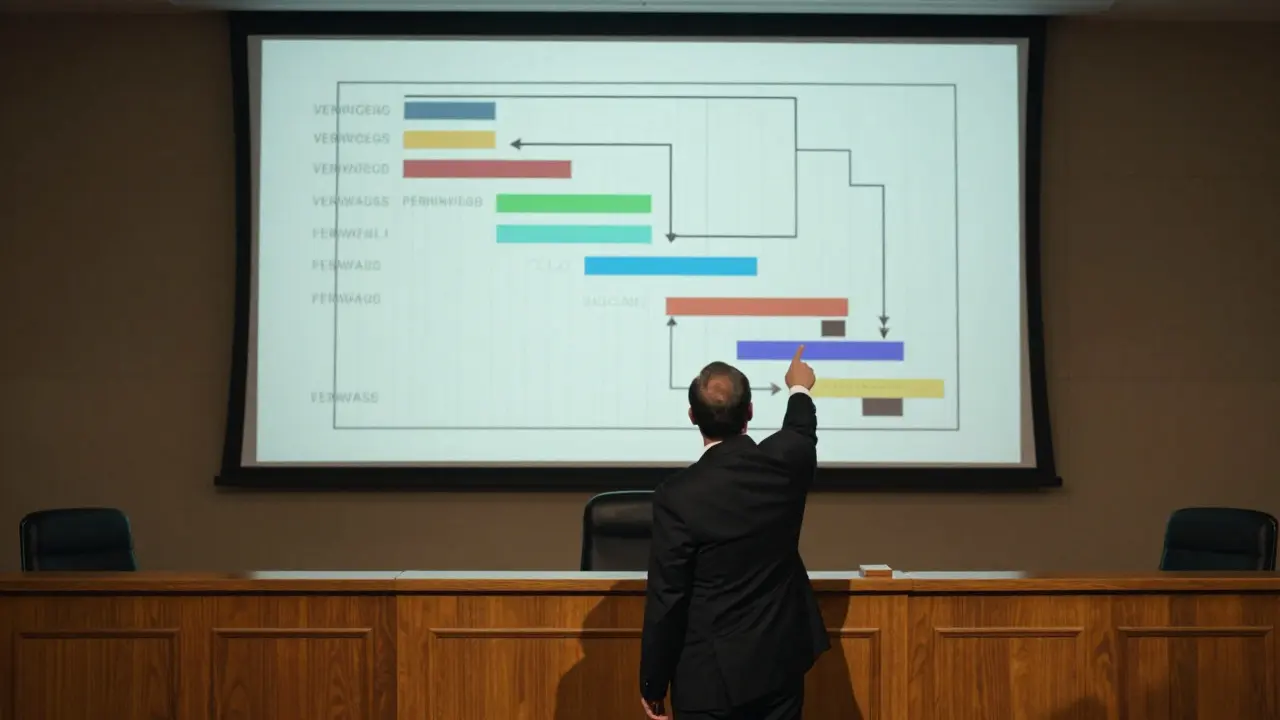
- Use Visual Tools: Create Gantt charts or flowcharts to visualize overlaps and gaps.
- Cross-Reference Everything: Never rely on a single source. Always seek at least two independent confirmations for critical points.
- Document Assumptions: Clearly note any inferences or estimates made during the reconstruction.
- Update Iteratively: Treat the timeline as a living document. New evidence should trigger a review of the entire sequence.
Collaboration is key. Pathologists, digital forensics experts, detectives, and prosecutors must share their findings early. Silos in information sharing can lead to blind spots. Regular case conferences help align everyone’s understanding of the sequence and identify missing pieces before trial.
Frequently Asked Questions
How accurate can a homicide timeline be?
Accuracy varies. With strong digital evidence, timelines can be precise to the minute. Without it, they may only provide a window of a few hours. The more independent sources corroborate each other, the higher the confidence level.
What happens if the timeline has a major gap?
A major gap weakens the case. Investigators must either find evidence to fill the gap or explain why the gap exists (e.g., lack of coverage). If unexplained, it creates reasonable doubt for the jury.
Can smart home devices help establish a timeline?
Yes. Smart thermostats, locks, and speakers record usage data. For example, if a smart lock opens at 10 PM and closes at 10:05 PM, it confirms someone entered and exited the home during that window, which can be correlated with other evidence.
Why is the time of death so difficult to determine exactly?
Biological processes like cooling and stiffening are influenced by many variables: weather, clothing, body size, and health conditions. Because of these factors, pathologists provide a range rather than a single time, making external corroboration essential.
How do investigators handle conflicting witness statements?
They compare statements against objective evidence. If a witness’s claim contradicts hard data (like CCTV or phone logs), the data usually takes precedence. Investigators may also re-interview witnesses to clarify discrepancies or assess credibility.