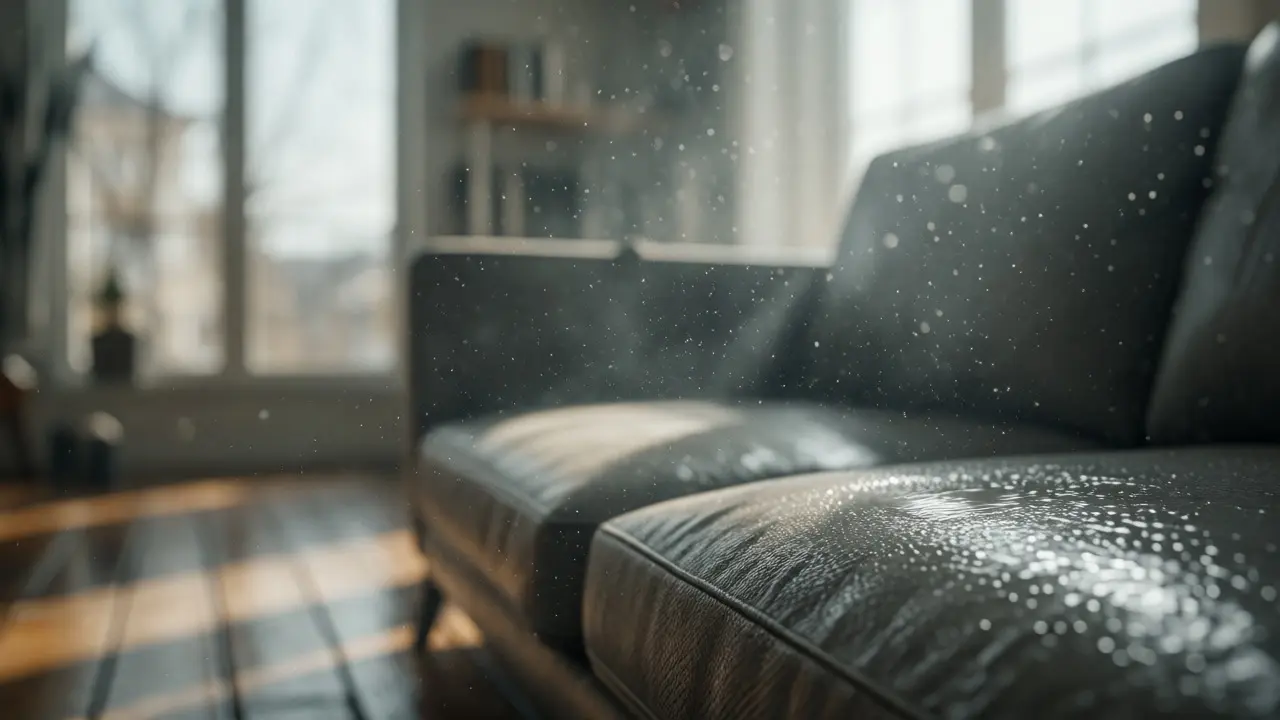
You walk into your living room after a protest or an indoor deployment, and the air still stings. It’s not just the smell; it’s the invisible film coating your furniture, carpets, and clothes. Tear gas residue is a persistent chemical contaminant consisting of active ingredients like Oleoresin Capsicum (OC) or Chlorobenzylidene malononitrile (CS). Unlike ordinary dust, this stuff binds to surfaces and stays potent for weeks if you don’t handle it right. Ignoring it doesn’t make it go away. In fact, sweeping it around often spreads the contamination further, turning a minor incident into a chronic irritation problem for everyone in the house.
Most people treat tear gas like dirt. They grab a broom and start sweeping. That’s your first mistake. Tear gas agents are lipophilic, meaning they love fat and oil. When you sweep dry powder containing these agents, you kick up aerosols that can re-irritate your lungs and eyes hours later. You need a strategy that neutralizes the chemistry, not just moves the mess. This guide breaks down exactly how to identify the type of residue, what gear you actually need, and the step-by-step process to get your space back to normal without making things worse.
Understanding the Chemistry: OC vs. CS Agents
Not all tear gas is created equal, and knowing which agent was used changes your cleanup approach. The two most common types encountered in civilian contexts are Oleoresin Capsicum (OC), commonly known as pepper spray, and Chlorobenzylidene malononitrile (CS), the classic "tear gas" agent. OC is organic, derived from chili peppers, and contains capsaicin. CS is a synthetic compound. While both cause similar symptoms-burning eyes, coughing, skin irritation-their physical properties differ slightly in terms of persistence and solubility.
OC residue tends to be stickier because of the oily nature of the carrier solvents often mixed with the extract. It adheres strongly to fabrics and porous surfaces. CS, on the other hand, is more volatile but can crystallize on surfaces. Both agents degrade over time when exposed to sunlight and air, but indoors, especially in carpet fibers or upholstery, they can remain active for months. If you’re dealing with a commercial deployment or a prolonged exposure event, assuming the residue is still active is the safest bet. Testing isn’t always practical for homeowners, so treat everything as contaminated until proven otherwise.
| Feature | OC (Pepper Spray) | CS (Tear Gas) |
|---|---|---|
| Primary Component | Capsaicinoids (organic) | Synthetic chlorinated aromatic |
| Residue Texture | Oily, sticky film | Fine white/yellow powder |
| Solubility | High in oils/alcohols | Low in water, soluble in organics |
| Persistence | High on fabrics | Moderate; degrades faster in UV light |
Gear Up: PPE Is Non-Negotiable
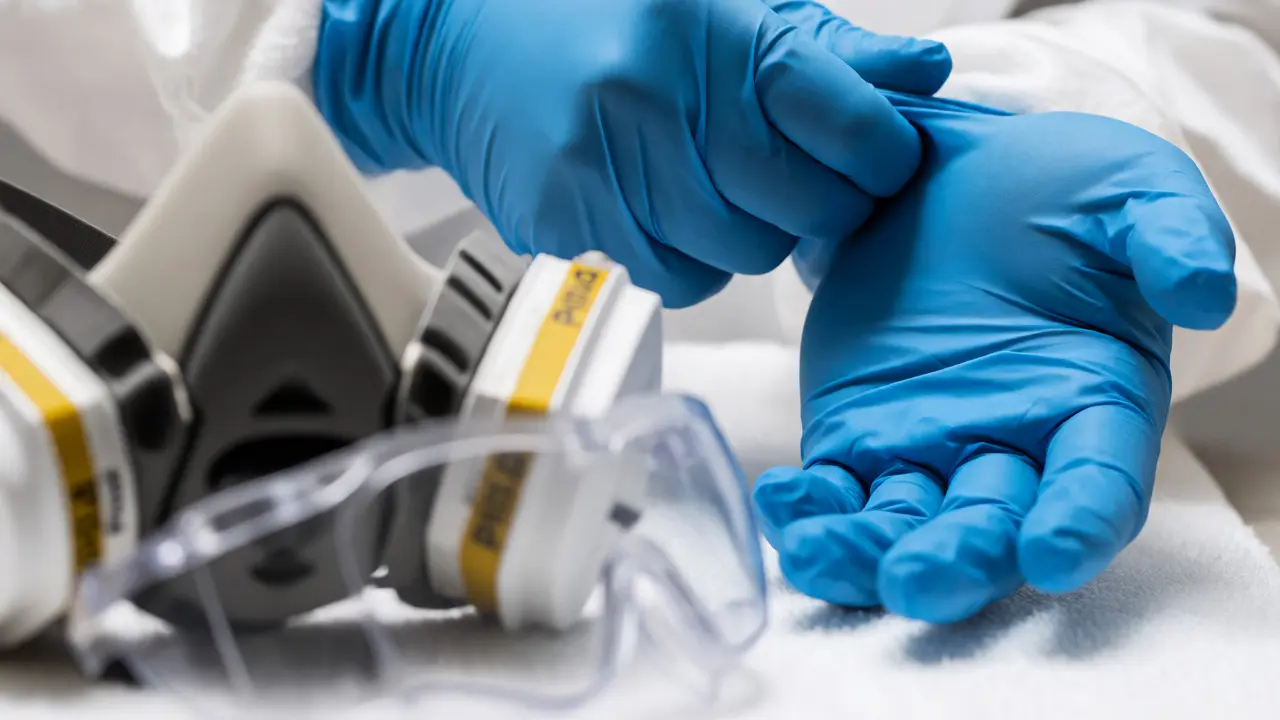
You cannot clean tear gas residue with bare hands and a standard dust mask. The particles are fine enough to bypass surgical masks, and direct contact will burn your skin. Before you touch anything, suit up. You need N95 respirators at minimum, though half-face respirators with P100 filters offer significantly better protection against the finer aerosols stirred up during vacuuming. Eye protection is critical too. Safety goggles that seal around the eyes prevent any airborne particulates from drifting into your tear ducts while you work.
Gloves should be nitrile, not latex. Latex can degrade when exposed to certain chemical carriers, and it offers less barrier protection against oils. Wear long sleeves and pants, ideally made of disposable coveralls or clothing you plan to wash separately afterward. If you have HVAC systems running, turn them off before you start. Blowing contaminated air through your ductwork spreads the residue to every room in the house, turning a localized problem into a whole-home contamination issue.
The Dry Removal Phase: Vacuuming Correctly
Start with dry removal. Do not use a standard household vacuum unless it has a HEPA filter. Even then, be cautious. Standard vacuums blow exhaust out the back, potentially recirculating fine particles. A shop-vac with a HEPA filter attachment is ideal, but many professionals prefer using a damp cloth method for initial pickup to avoid aerosolization entirely.
If you must vacuum, do it slowly. Move the nozzle gently across hard floors and carpets. For carpets, multiple passes in different directions help lift the embedded powder. Empty the vacuum canister or replace the bag immediately outside the home. Seal the waste bag tightly in a plastic trash bag before disposing of it. If you leave a full bag of contaminated dust in your garage, you’ll create a secondary hazard zone.
Wet Cleaning: Breaking Down the Residue
Once the loose powder is removed, you need to tackle the bonded residue. Water alone won’t cut it because OC and CS are hydrophobic-they repel water. You need a solvent or a surfactant that can break down the oily component. Dish soap is surprisingly effective here. Mix a solution of warm water and a generous amount of liquid dish detergent. The soap molecules surround the oil droplets, allowing them to be lifted from surfaces.
For hard surfaces like tile, wood, or countertops, mop with this soapy solution. Rinse your mop frequently in clean water to avoid spreading the contamination. For walls, use a sponge rather than a rag, working from top to bottom. Change sponges often. If the residue is heavy, you might need a second pass with a cleaner specifically designed for grease cutting, such as Simple Green or a degreaser diluted according to label instructions.
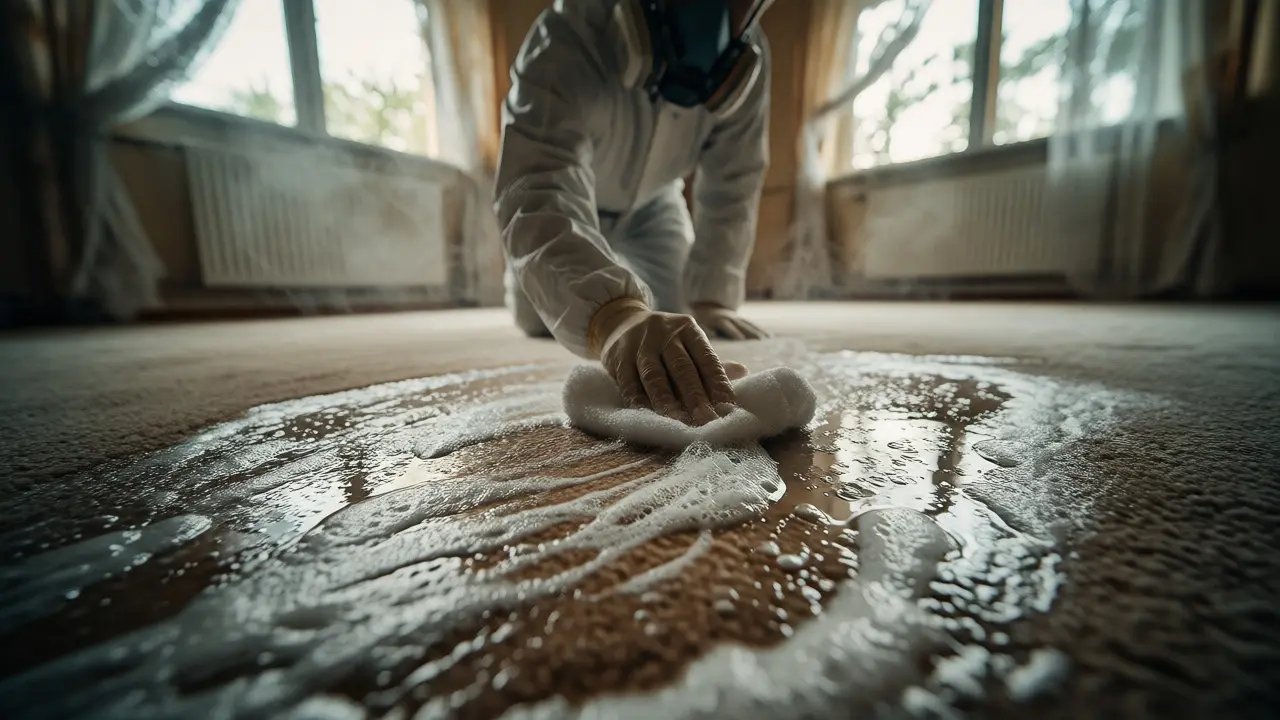
Carpet and upholstery require a different approach. Spot-clean with the soapy solution using a clean white cloth. Blot-don’t rub. Rubbing pushes the chemicals deeper into the fibers. For extensive carpet contamination, professional hot water extraction (steam cleaning) is highly recommended. The heat helps break down the chemical bonds, and the suction removes the dissolved contaminants. However, ensure the technician knows you are dealing with riot control agents so they can take appropriate precautions.
Laundry and Soft Goods
Your clothes, curtains, and bedding likely hold significant amounts of residue. Handle these items carefully. Bring them directly to the washing machine without shaking them out, which releases dust into the air. Wash them separately from regular laundry. Use the hottest water setting safe for the fabric and add extra detergent. Adding a cup of white vinegar to the rinse cycle can help neutralize lingering odors and break down remaining oils.
Run an empty hot cycle with bleach (if compatible with your machine) or a specialized drum cleaner afterward to remove any residue left in the washer itself. If you have delicate items that can’t be washed, consider throwing them away. The cost of replacing a silk scarf is lower than the hassle of trying to chemically strip capsaicin from it without damaging the fabric.
Air Filtration and Ventilation
After the physical cleanup, address the air quality. Open windows to create cross-ventilation, letting fresh air flush out suspended particles. Run portable HEPA air purifiers in the affected rooms for several days. These units capture fine particulates that settling takes too long to handle. Avoid running ceiling fans or box fans directly, as they can keep dust aloft.
If you suspect your HVAC system was contaminated, replace the filters immediately. Clean the return vents with a damp cloth. If the smell persists despite thorough cleaning, there may be residue trapped in the ductwork. In severe cases, professional duct cleaning might be necessary to fully restore air quality.
When to Call Professionals
While DIY cleanup works for small exposures, larger incidents require professional help. If the area is large, if there are vulnerable individuals (children, elderly, those with respiratory issues) present, or if the contamination involves complex materials like draperies or antique rugs, hire a biohazard remediation specialist. These experts have industrial-grade equipment and experience handling hazardous residues safely. They can also perform clearance testing to ensure the space is truly safe before reoccupying it.
In Portland, where urban protests sometimes lead to indoor deployments, local restoration companies are increasingly familiar with these scenarios. Don’t hesitate to ask about their specific protocols for riot control agents. A reputable firm will explain their filtration methods and disposal procedures clearly.
How long does tear gas residue last on surfaces?
Without cleaning, tear gas residue can persist for weeks or even months, especially on porous surfaces like carpets and upholstery. Sunlight and fresh air accelerate degradation, but indoor environments protect the chemicals, keeping them active longer.
Can I use bleach to clean tear gas?
Bleach is generally not recommended for initial cleanup because it can react unpredictably with some chemical compounds and fumes. Stick to soap and water or specialized degreasers first. Bleach is useful for disinfecting after the bulk of the residue is removed, but it doesn't dissolve the oily components effectively.
Will washing clothes remove tear gas completely?
Yes, if done correctly. Use hot water and strong detergent. Separate contaminated loads from clean ones. Adding vinegar to the rinse helps. Always run an empty cleaning cycle for your washing machine afterward to remove residual chemicals from the drum.
Is tear gas residue dangerous to pets?
Absolutely. Pets are closer to the ground where heavier particles settle. Their smaller body mass makes them more susceptible to toxicity. Keep pets out of the area until thorough cleaning is complete and the air has cleared. Monitor them for signs of irritation like paw licking or excessive sneezing.
Do I need to throw away my mattress?
Not necessarily. Mattresses can be spot-cleaned and vacuumed thoroughly. If the contamination was heavy and penetrated deep into the foam, professional steam cleaning is advisable. Replacement is only needed if the odor and irritation persist after multiple cleaning attempts.