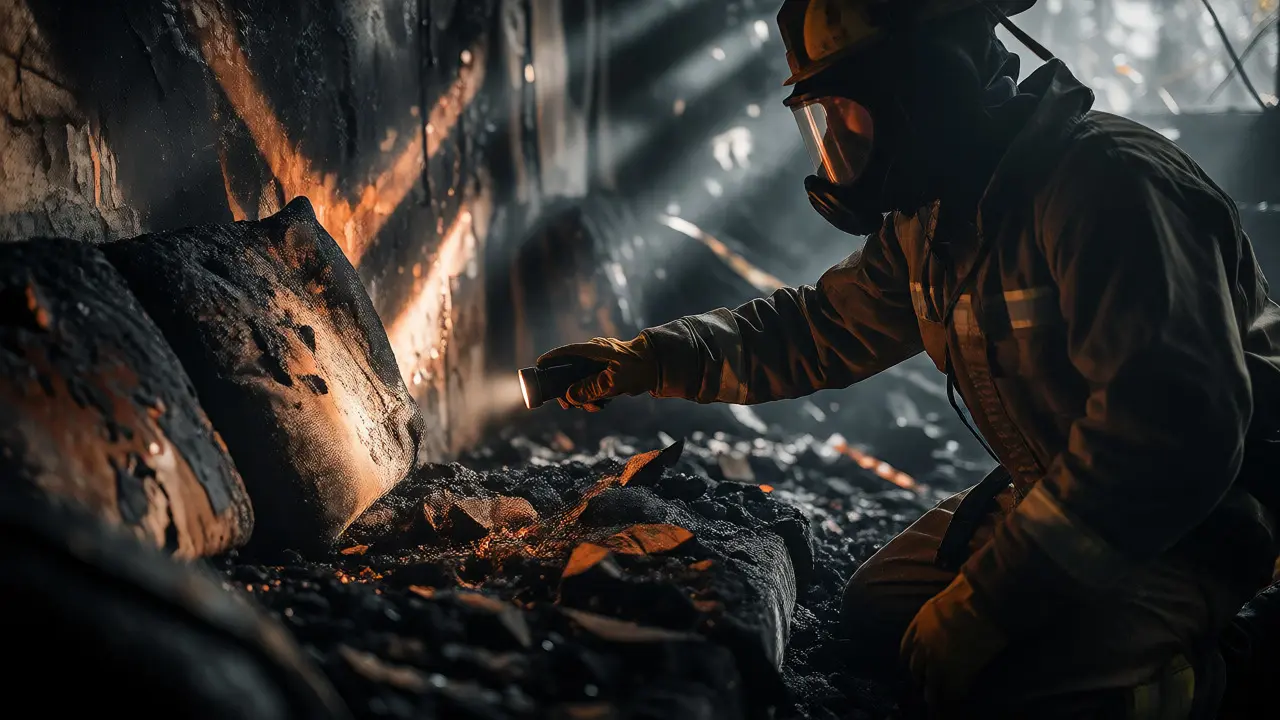
You just spent three weeks crawling through a charred living room. You mapped every burn pattern, collected debris samples, and determined the Origin Analysis is definitive: this wasn't an electrical fault; it was a smoldering cigarette on a sofa cushion. But your job isn't done when you hand over that report. For many investigators, the real battle starts now: proving to an insurance adjuster that their client’s policy covers the damage, but another party caused it. This is where subrogation enters the picture.
Subrogation sounds like legal jargon designed to confuse homeowners, but at its core, it’s about fairness. If your neighbor’s negligence burned down your house, why should your insurer pay for repairs if they can recover that money from your neighbor? The bridge between your forensic findings and that financial recovery is built on clear communication and rigorous evidence. If you get the origin wrong, or if you fail to document the chain of custody properly, the claim dies before it even reaches court. Let’s break down how origin analysis fuels successful subrogation efforts.
What Is Subrogation in Fire Claims?
Subrogation is the legal right of an insurance company to pursue a third party that caused an insurance loss to the insured. Think of it as reimbursement. Your homeowner’s insurance pays for your roof replacement today. Next month, your insurer sends a bill to the roofing contractor who installed that faulty flashing last year. If the contractor agrees-or loses in court-they pay the insurer back.
This process relies entirely on liability determination. Insurers won’t chase a ghost. They need proof that someone else was responsible. That’s where you come in. Without a solid cause and origin determination, there is no target for subrogation. The adjuster looks at your report and asks one question: "Who did this?" If your answer is vague, the file gets closed with no recovery.
The Critical Role of Origin Analysis
Origin analysis isn't just about finding the spot where the fire started. It’s about establishing the mechanism of ignition. In subrogation cases, the difference between "electrical failure" and "human error" dictates whether millions of dollars change hands. Electrical failures are often considered acts of God or inherent defects covered by warranties, which complicates subrogation against manufacturers. Human error, however, is straightforward negligence.
Consider a recent case in Portland involving a multi-unit apartment complex. The initial guess was an overloaded power strip. But detailed origin analysis revealed V-patterns converging on a specific wall outlet behind a refrigerator. Debris sampling confirmed thermal damage consistent with arc tracking, not overload. This shifted liability from the tenant (who plugged in the fridge) to the landlord (who failed to update outdated wiring). The insurer recovered $150,000 because the origin analysis pinpointed the infrastructure, not the appliance.
Bridging the Gap: Investigator to Adjuster
Fire investigators and insurance adjusters speak different languages. Investigators talk about spalling, crazing, and fuel loads. Adjusters talk about coverage limits, deductibles, and liability caps. Friction happens here. An investigator might say, "The fire originated in the northwest corner due to improper storage of combustibles." An adjuster hears, "The homeowner put stuff near the heater," and assumes the homeowner is liable, killing the subrogation potential against a third party.
To fix this, reports must translate technical findings into liability implications. Don't just state the origin; explain why it excludes other causes. Use the NFPA 921 guide for Fire and Explosion Investigations as your backbone. When you rule out accidental causes systematically, you strengthen the argument for third-party liability. Adjusters love exclusionary logic because it reduces their risk of paying out on a bad subrogation claim.

Common Pitfalls That Kill Recovery
Most failed subrogation attempts aren't due to bad science; they're due to bad paperwork. Here are the mistakes I see most often:
- Poor Chain of Custody: If you collect a carpet sample but don't log who held it next, defense attorneys will tear it apart. The evidence becomes inadmissible, and the origin theory collapses.
- Ambiguous Conclusions: Saying "likely human-caused" is weak. Defense experts will argue for reasonable doubt. Be precise. "The ignition source was a discarded smoking material based on carbonization depth and residue analysis" is strong.
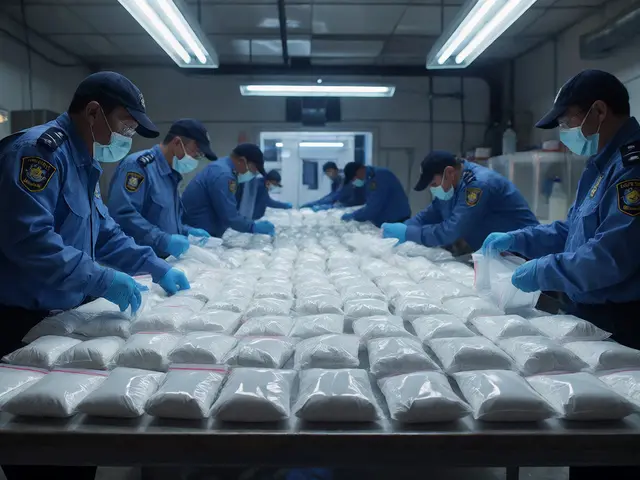
- Ignoring Scene Preservation: If you arrive after the water mitigation crew has hosed down the scene, critical accelerant residues wash away. You lose the physical link to the cause.
- Late Reporting: Subrogation has statutes of limitations. If your final report takes six months, the window to sue the negligent party might close. Speed matters.
How Evidence Supports Liability
Let's look at how specific types of evidence translate directly to subrogation value. Not all evidence is created equal in the eyes of a judge or arbitrator.
| Evidence Type | Investigator Focus | Adjuster/Subrogation Value |
|---|---|---|
| Burn Patterns | Determines direction of travel and origin point. | Proves where the fire started, isolating the responsible zone or item. |
| Lab Results (GC-MS) | Identifies accelerants like gasoline or kerosene. | Confirms intentional or reckless use of flammables, boosting negligence claims. |
| Electrical Testing | Distinguishes primary vs. secondary arcing. | Rules out utility provider liability, focusing blame on user equipment. |
| Witness Statements | Corroborates timeline and conditions. | Establishes knowledge and duty of care for the third party. |
Notice how each column shifts perspective. The investigator cares about the physics; the adjuster cares about the blame. Your report needs to serve both masters. When you identify secondary arcing, you aren't just doing science; you're telling the insurer, "Don't sue the electric company; sue the guy who plugged in the space heater."
The Arson Factor
When arson is suspected, subrogation changes gears. In accidental fires, you’re looking for negligence. In arson, you’re looking for intent. Insurance policies often have exclusions for intentional acts by the insured. So, if the homeowner set the fire, the insurer might deny the claim entirely rather than subrogate. However, if a tenant sets the fire, the landlord’s insurer can subrogate against the tenant. Here, origin analysis must be bulletproof. Arson defenses are aggressive. They’ll argue everything from electrical faults to spontaneous combustion. Your lab results need to show multiple pour patterns, distinct charring depths, and chemical signatures that leave no room for accident theories. If you miss a single detail, the arsonist walks free, and the insurer eats the loss.
Practical Steps for Better Collaboration
If you want to help insurers recover more money-and keep your clients happy-follow these steps:
- Communicate Early: Call the adjuster before writing the final draft. Ask what specific liability questions they need answered. Tailor your conclusion to those answers.
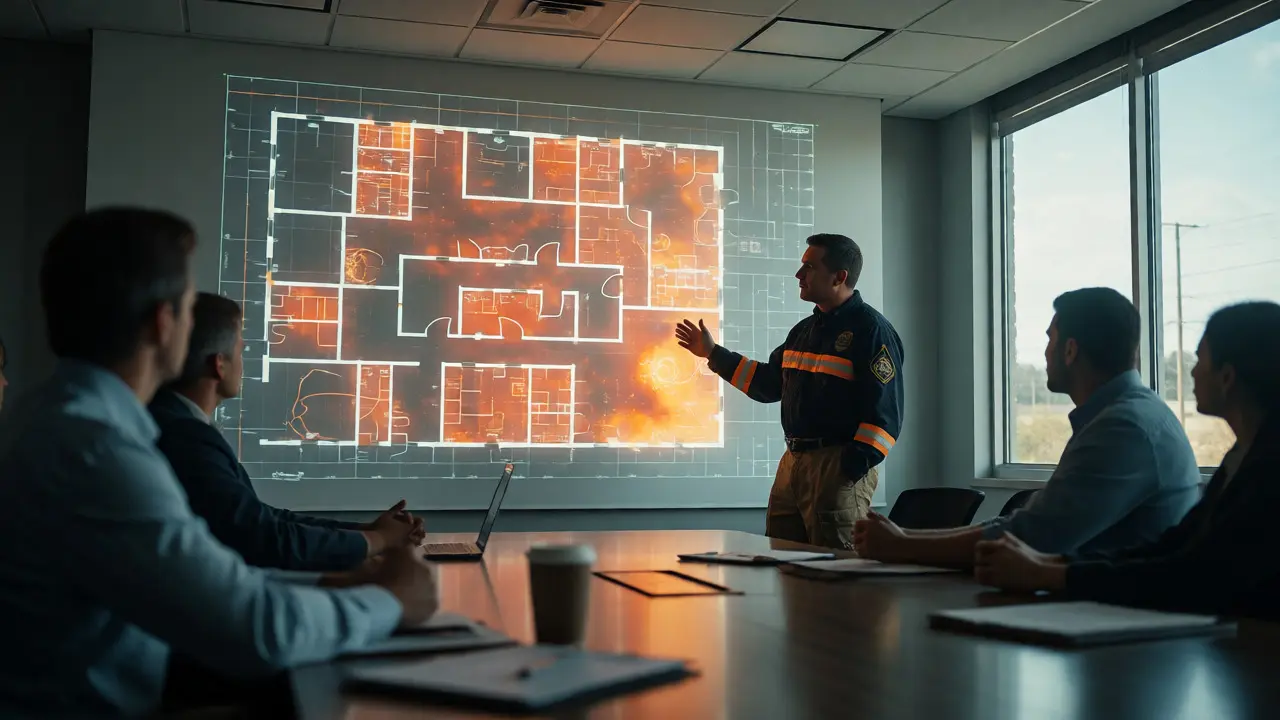
- Visualize the Origin: Don't just describe the origin. Include annotated photos and diagrams. A circle around the start point speaks louder than three paragraphs of text.
- Document Exclusions: Explicitly list what you ruled out and why. "Ruled out lightning strike due to lack of strike marks and weather records showing no storms." This preempts counter-arguments.
- Preserve Physical Evidence: Keep key samples sealed and labeled until the statute of limitations expires. You never know when a deposition will require re-testing.
Collaboration isn't just nice to have; it's profitable. Insurers reward investigators whose reports lead to successful recoveries. They hire them again. If your reports consistently fail to support subrogation, you become a cost center, not an asset.
Does subrogation affect my deductible?
Yes, usually positively. If the insurance company successfully recovers money from the third party responsible for the fire, they typically reimburse your deductible. However, this depends on your specific policy terms and the amount recovered. If they only recover half the loss, you might only get half your deductible back.
Can I refuse subrogation?
Generally, no. Most insurance contracts include a clause stating that by accepting payment for a loss, you assign your right to sue the responsible party to the insurer. Refusing to cooperate with subrogation efforts can sometimes jeopardize your claim payment.
How long does the subrogation process take?
It varies widely. Simple cases with clear liability and cooperative parties might resolve in 6-12 months. Complex litigation involving disputed origin analysis or multiple defendants can take 2-3 years. The speed often depends on how quickly the origin analysis is finalized and accepted by all parties.
What if the origin analysis is inconclusive?
If the origin is inconclusive, subrogation is unlikely to succeed. Insurers rarely pursue recovery without a clear cause. In such cases, the insurer usually absorbs the loss, and the homeowner keeps their deductible unless there's a specific provision for waiver. The investigator should clearly state why it's inconclusive to protect themselves from liability later.
Is arson always excluded from insurance?
Not always. Policies exclude intentional acts by the insured. If a third party commits arson, the victim's insurer pays the claim and then subrogates against the arsonist. Proving intent is key. If the act was reckless but not intentional, it might still fall under standard coverage, allowing for subrogation against the negligent party.