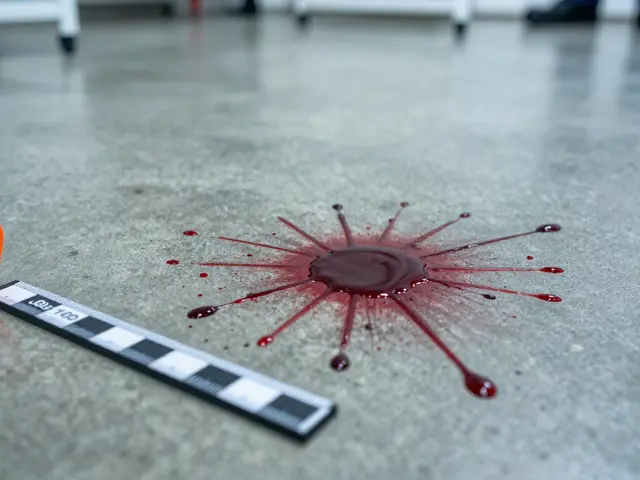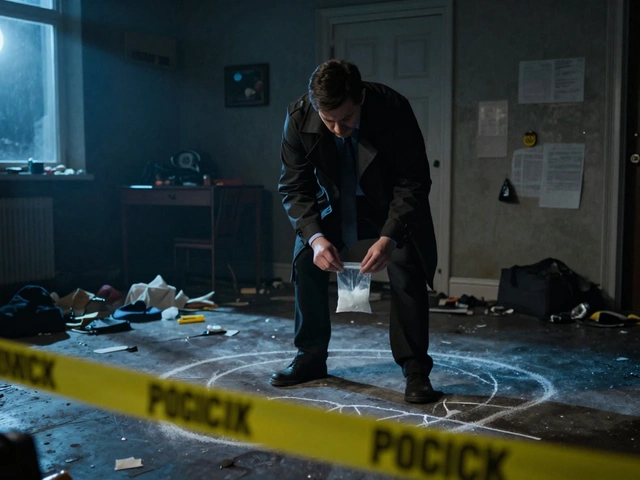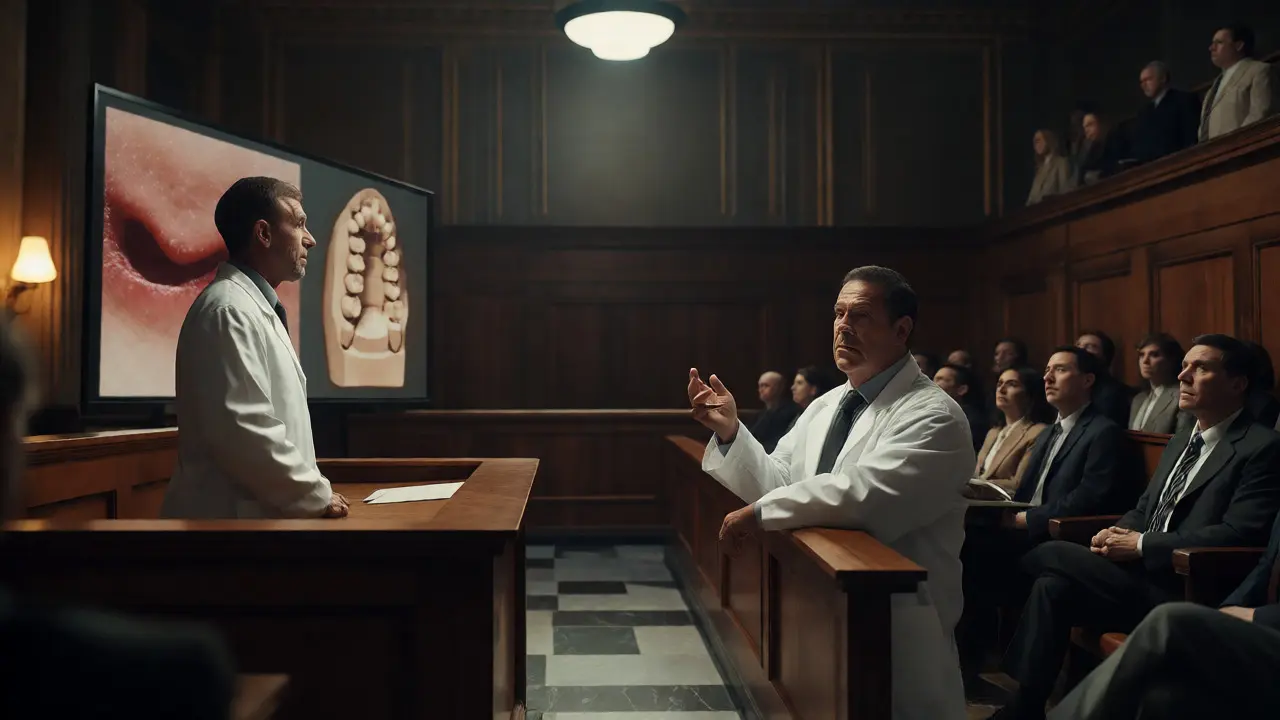
Imagine sitting in a courtroom, listening to an expert witness declare with absolute certainty that a specific bite mark on a victim’s skin matches the defendant’s teeth. The jury nods, convinced by the scientific authority. But what if that "science" was never actually tested? What if it relied more on intuition than data? This isn’t hypothetical-it’s junk science, and it has sent innocent people to prison.
In the world of evidence law, not all forensic methods are created equal. While DNA profiling stands as a gold standard, other techniques like hair analysis, ballistics, and arson investigation have faced intense scrutiny for lacking rigorous scientific backing. If you’re involved in legal proceedings, studying forensics, or just curious about how justice works, understanding how to identify unreliable methods is crucial. You need to know what separates solid science from guesswork dressed up in a lab coat.
The Hallmarks of Junk Science
So, how do you spot junk science before it reaches the jury box? It usually boils down to a few red flags. Genuine science is falsifiable-meaning there’s a way to prove it wrong. Junk science often claims infallibility or relies on subjective interpretation without measurable error rates.
One major issue is the lack of standardized protocols. In reliable fields, two different experts analyzing the same sample should reach the same conclusion using the same method. In problematic areas, results can vary wildly depending on who is looking at the evidence. For instance, traditional bite mark analysis was long considered definitive, yet studies showed high disagreement rates among certified examiners. When human bias plays a huge role and error rates aren’t tracked, you’re likely dealing with weak evidence.
Another warning sign is the absence of peer-reviewed validation. Scientific methods must survive scrutiny by other experts in the field. If a technique only appears in textbooks written by its proponents but lacks independent replication, treat it with skepticism. Real science invites criticism; junk science avoids it.
The Legal Gatekeepers: Frye vs. Daubert
Courts didn’t always scrutinize forensic methods this closely. For decades, the Frye standard dominated federal courts and many states. Under Frye, evidence was admissible if the method had gained "general acceptance" in the relevant scientific community. Sounds reasonable, right? The problem was that "general acceptance" could be manipulated. If a small group of enthusiasts agreed a method worked, it might pass the test, even if the broader scientific community remained skeptical.
This changed dramatically in 1993 with the Supreme Court case Daubert v. Merrell Dow Pharmaceuticals. The court established the Daubert standard, which acts as a stricter gatekeeper. Judges now must ensure that expert testimony is not just relevant but also reliable. They look at several factors:
- Testability: Can the theory or technique be tested?
- Peer Review: Has it been subjected to peer review and publication?
- Error Rate: Is there a known or potential rate of error?
- Standards: Are there standards controlling the technique’s operation?
- Acceptance: Does it have general acceptance in the scientific community?
While most federal courts use Daubert, some states still adhere to Frye or have their own hybrid rules. Knowing which standard applies in your jurisdiction is vital for challenging questionable evidence.
Case Studies in Failure
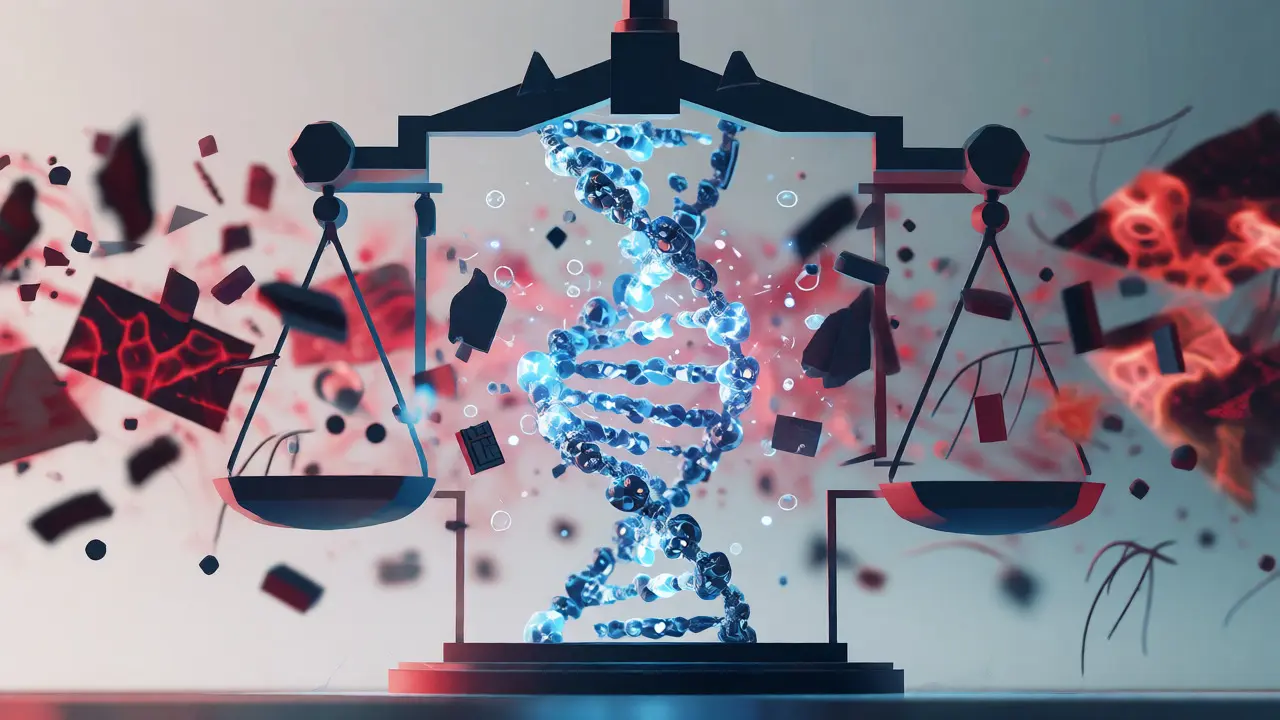
To understand why this matters, look at cases where bad science led to wrongful convictions. The National Academy of Sciences (NAS) report from 2009 was a wake-up call. It concluded that with the exception of nuclear DNA analysis, no forensic method has been rigorously shown to consistently, accurately, and reliably demonstrate a link between evidence and a source.
| Method | Primary Criticism | Current Status |
|---|---|---|
| Bite Mark Analysis | High subjectivity; skin distorts bite patterns. | Largely discredited; rarely admitted post-2009. |
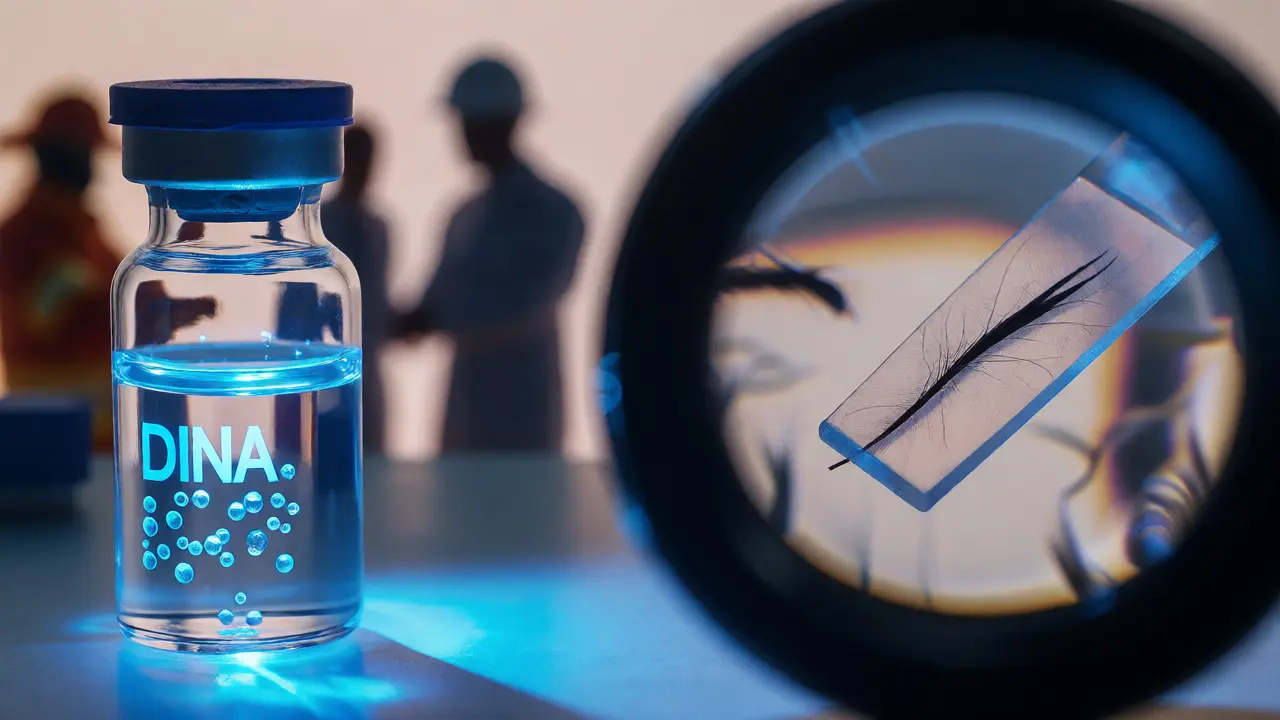
| Hair Microscopy | Cannot match hair to a single person with certainty. | Admitted with caveats; limited to exclusionary value. |
| Firearm Ballistics | Subjective comparison; lacks statistical basis. | Debated; NAS called for more foundational research. |
| DNA Profiling | Highly accurate when properly handled. | Gold standard; widely accepted under Daubert. |
| Arsenology (Arson) | Old myths (e.g., burn patterns) debunked by fire dynamics. | Reformed; modern methods focus on fuel loads and ventilation. |
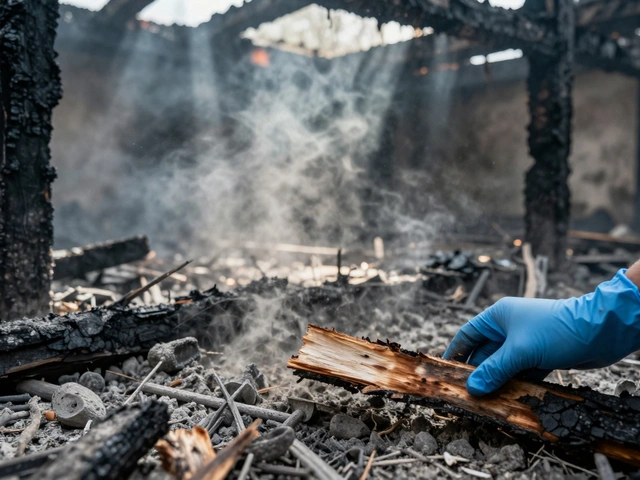
Take the case of Cameron Todd Willingham in Texas. He was executed in 2004 for arson murders based largely on old-school arson investigation techniques. Experts later testified that the "flashover" effect-a natural phenomenon in intense fires-had been misinterpreted as evidence of accelerants. By the time his case was reviewed, he was gone. This highlights the deadly cost of relying on outdated or unproven methods.
Identifying Red Flags in Expert Testimony
If you’re cross-examining an expert or reviewing a report, ask these questions. They help cut through the jargon and reveal the foundation-or lack thereof-behind the claims.
- What is the error rate? A reliable method should have documented false positive and false negative rates. If the expert says, "It’s 100% accurate," be suspicious. No biological or physical process is perfect.
- Is the method blind? Did the analyst know the suspect’s identity before testing? Confirmation bias is powerful. Blind testing prevents analysts from unconsciously shaping results to fit expectations.
- Are the conclusions probabilistic or categorical? Junk science often makes categorical claims ("This fiber came from that shirt"). Good science uses probability ("There is a 95% likelihood this fiber is consistent with that shirt").
- Has the method been validated externally? Internal validation by the lab itself isn’t enough. Independent studies confirming the method’s accuracy carry much more weight.
Also, watch out for "black box" algorithms. As machine learning enters forensics, we risk replacing human bias with algorithmic opacity. If neither the developer nor the user understands how the software reached its conclusion, it fails the transparency requirement of good science.
The Path Forward: Reforming Forensic Science
The landscape is changing. The creation of the Organization of Scientific Area Committees for Forensic Science (OSAC) aims to develop consensus standards. This is a big step toward ensuring that methods used in court meet uniform criteria.
For attorneys, this means pretrial hearings are becoming battlegrounds for science. Challenging evidence early, rather than waiting for trial, saves resources and prevents juries from hearing dubious claims. For scientists, it means embracing uncertainty. Admitting limitations doesn’t weaken credibility; it strengthens it.
If you’re working in law enforcement or legal services, staying updated on these shifts is non-negotiable. Methods deemed acceptable five years ago might be inadmissible today. Regular training on the latest NAS recommendations and local case law ensures you don’t rely on obsolete tools.
What exactly defines "junk science" in a legal context?
Junk science refers to theories, methods, or practices presented as scientific but lacking empirical support, reproducibility, or logical validity. In court, it’s evidence that fails to meet the reliability standards set by precedents like Daubert or Frye, often because it hasn’t undergone rigorous testing or peer review.
Why is DNA considered more reliable than fingerprint analysis?
DNA analysis is based on molecular biology with well-understood inheritance patterns and low error rates when contamination is controlled. Fingerprint analysis, while highly useful, relies heavily on human interpretation of ridge patterns. Recent studies suggest latent print examiners can disagree on matches, whereas DNA profiles provide numerical probabilities that are less subjective.
How does the Daubert standard affect criminal trials?
The Daubert standard requires judges to act as gatekeepers, ensuring expert testimony is both relevant and reliable before it reaches the jury. This allows defense attorneys to challenge questionable forensic methods in pretrial hearings, potentially excluding evidence that would otherwise sway a jury based on perceived scientific authority.
Can old forensic methods still be used in court?
Yes, but with restrictions. Many older methods, such as microscopic hair comparison, are still admissible if the expert qualifies their testimony appropriately (e.g., stating it cannot exclude the suspect but cannot positively identify them). However, they are increasingly subject to strict scrutiny regarding their error rates and scientific basis.
What role does confirmation bias play in forensic errors?
Confirmation bias occurs when investigators or analysts interpret ambiguous evidence in a way that supports their existing hypothesis. In forensics, if an examiner knows the suspect’s guilt, they may subconsciously overlook discrepancies in fingerprints or fibers. Blinding procedures, where the analyst doesn’t know the case details, help mitigate this risk.