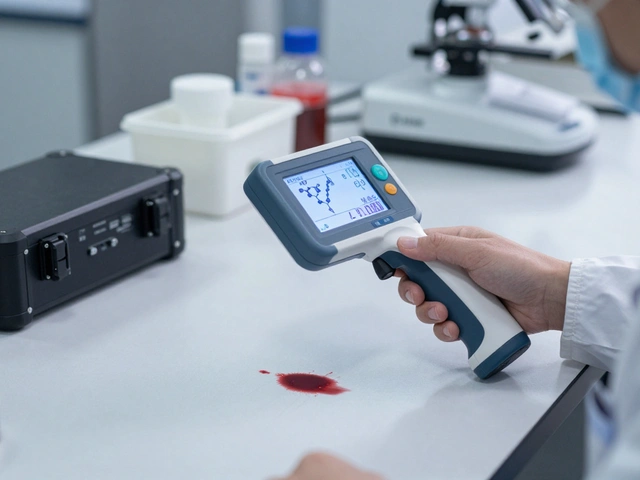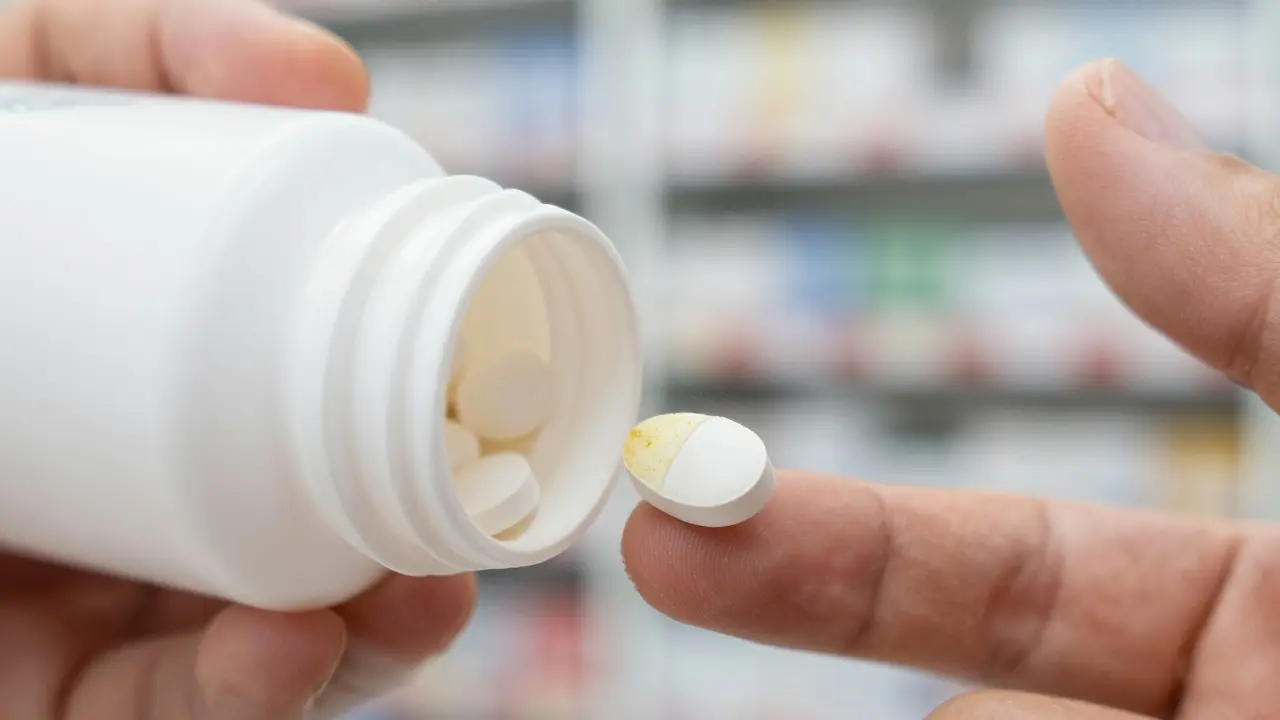
Imagine opening a bottle of medication you’ve taken for years. It looks the same, smells the same, but something feels off. Maybe the pills are crumbling, or the color is slightly faded. In the world of pharmaceutical quality controlthe systematic process of ensuring medicines meet safety and efficacy standards through rigorous testing and analysis, these small changes can signal a major problem. You aren’t just dealing with a cosmetic issue; you might be facing hidden impuritiesunwanted chemical substances present in a drug product that arise from synthesis, storage, or degradation processes or intentional adulterantsforeign substances added to a drug product, either intentionally to increase weight/volume or accidentally during manufacturing. Knowing how to spot these issues early is critical for patient safety and regulatory compliance.
This guide breaks down the difference between natural byproducts and foreign contaminants, explains the tools used to detect them, and offers practical steps for identifying purity issues before they reach the market. Whether you work in a QC lab, a pharmacy, or simply want to understand what’s in your medicine, this information helps you make informed decisions.
Understanding the Core Difference: Impurities vs. Adulterants
People often use these terms interchangeably, but in drug analysisthe scientific discipline involving the identification, quantification, and characterization of chemical compounds in pharmaceutical products, the distinction matters for legal and safety reasons.
- Impurities: These are usually unintentional. They come from the manufacturing process itself. For example, if a chemical reaction doesn’t go to completion, leftover starting materials remain. Or, if the drug degrades over time due to heat or light, new chemical structures form. Think of it like baking bread: if you don’t clean the oven perfectly, you get burnt bits mixed in. Those are impurities.
- Adulterants: These are foreign substances. They might be added on purpose to make the product weigh more (like adding talc to powder) or to mimic the look of the drug. Sometimes they are accidental, like using the wrong solvent that didn’t evaporate. But unlike impurities, adulterants suggest a breakdown in process control or even fraud.
The key takeaway? Impurities tell you about the chemistry of the synthesis. Adulterants tell you about the integrity of the supply chain.
Common Types of Contaminants You Should Know
Not all contaminants look the same. Here are the most frequent culprits found in both generic and brand-name drugs:
- Residual Solvents: Chemicals used to dissolve ingredients during production that didn’t fully evaporate. Common examples include acetone, methanol, and dichloromethane. High levels can cause toxicity.
- Heavy Metals: Elements like lead, arsenic, mercury, and cadmium. These often sneak in from raw materials sourced from contaminated soil or water. The FDA sets strict limits for these because they accumulate in the body.
- Genotoxic Impurities: Tiny amounts of chemicals that can damage DNA. Even at parts-per-billion levels, these require careful monitoring because they can increase cancer risk over time.
- Excipients: While not always "bad," incorrect ratios of fillers, binders, or dyes can change how the drug is absorbed. If a tablet uses too much magnesium stearate, it might not dissolve properly in your stomach.
Each type requires a different detection method. You wouldn’t use the same test for a heavy metal as you would for a volatile solvent.
How Labs Identify Purity Issues: The Analytical Toolkit
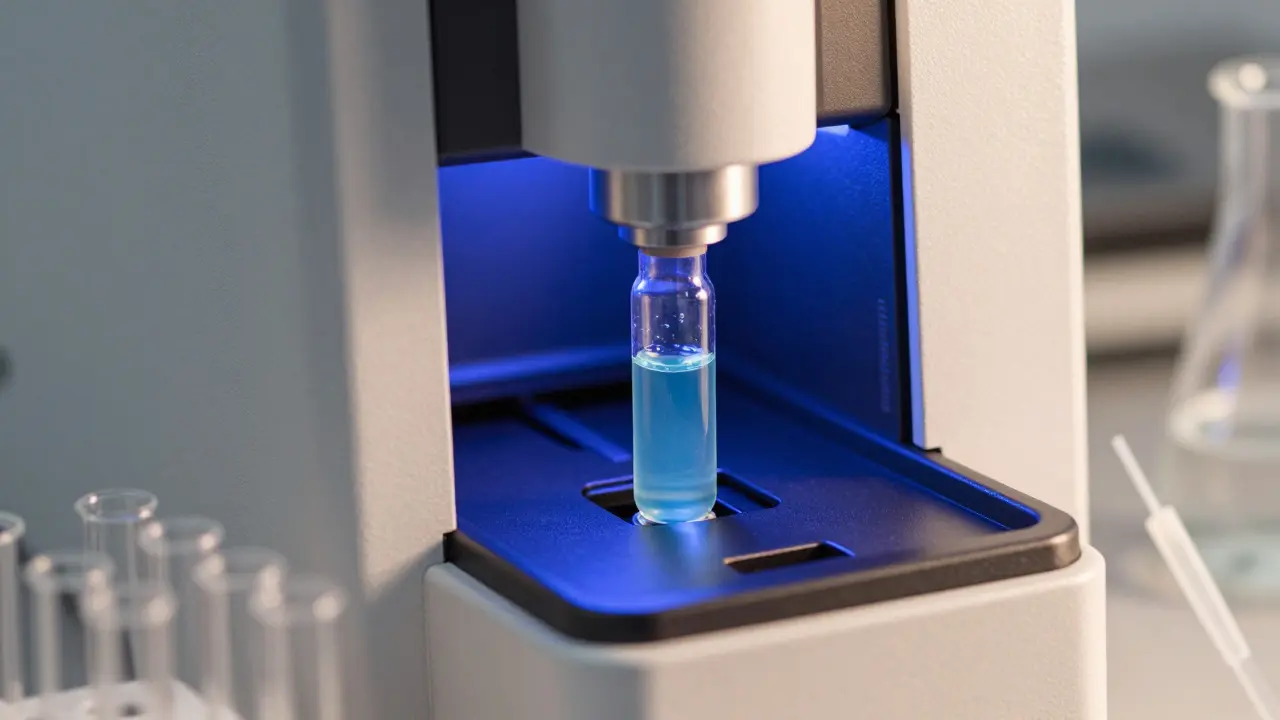
Detecting these issues isn’t guesswork. It relies on specific analytical techniques. Here’s how the industry approaches it:
| Method | Best For Detecting | Key Advantage | Limitation |
|---|---|---|---|
| HPLC (High-Performance Liquid Chromatography) | Active ingredient content, organic impurities | High resolution, widely available | Can struggle with very similar chemical structures |
| GC-MS (Gas Chromatography-Mass Spectrometry) | Volatile solvents, residual gases | Identifies unknown compounds via mass spectrum | Sample must be vaporizable without decomposition |
| ICP-MS (Inductively Coupled Plasma Mass Spectrometry) | Heavy metals (Lead, Arsenic, Mercury) | Extremely sensitive (parts per trillion) | Expensive equipment, complex sample prep |
| NMR (Nuclear Magnetic Resonance) | Structural confirmation, genotoxic impurities | Non-destructive, provides full molecular structure | Less sensitive than MS, requires larger sample sizes |
In practice, labs often use a combination. For instance, HPLC gives you a quick profile of the main components. If something looks off, you switch to GC-MS or ICP-MS to pinpoint exactly what the extra substance is. This multi-layered approach ensures nothing slips through the cracks.
Practical Steps for Spotting Issues Early
You don’t need a million-dollar lab to notice red flags. Here are practical checks you can perform or request:
- Visual Inspection: Check for discoloration, spots, or crumbling. A white pill turning yellow often indicates oxidation. A tablet that crumbles easily might have lost its binder integrity.
- Scent Check: While subtle, a strong chemical smell (like nail polish remover or gasoline) can indicate residual solvents. Freshly opened bottles should have a neutral or mild medicinal scent.
- Dissolution Testing: Drop a tablet in water. Does it dissolve evenly? If it forms a gel-like ball or leaves undissolved chunks, the excipient ratio might be off, affecting bioavailability.
- Batch Tracking: Always note the lot number. If one batch has issues, others from the same run likely do too. This helps trace back to the specific manufacturing event.
These simple observations act as a first line of defense. They don’t replace lab testing, but they help prioritize which samples need urgent analysis.
Regulatory Limits and Why They Matter
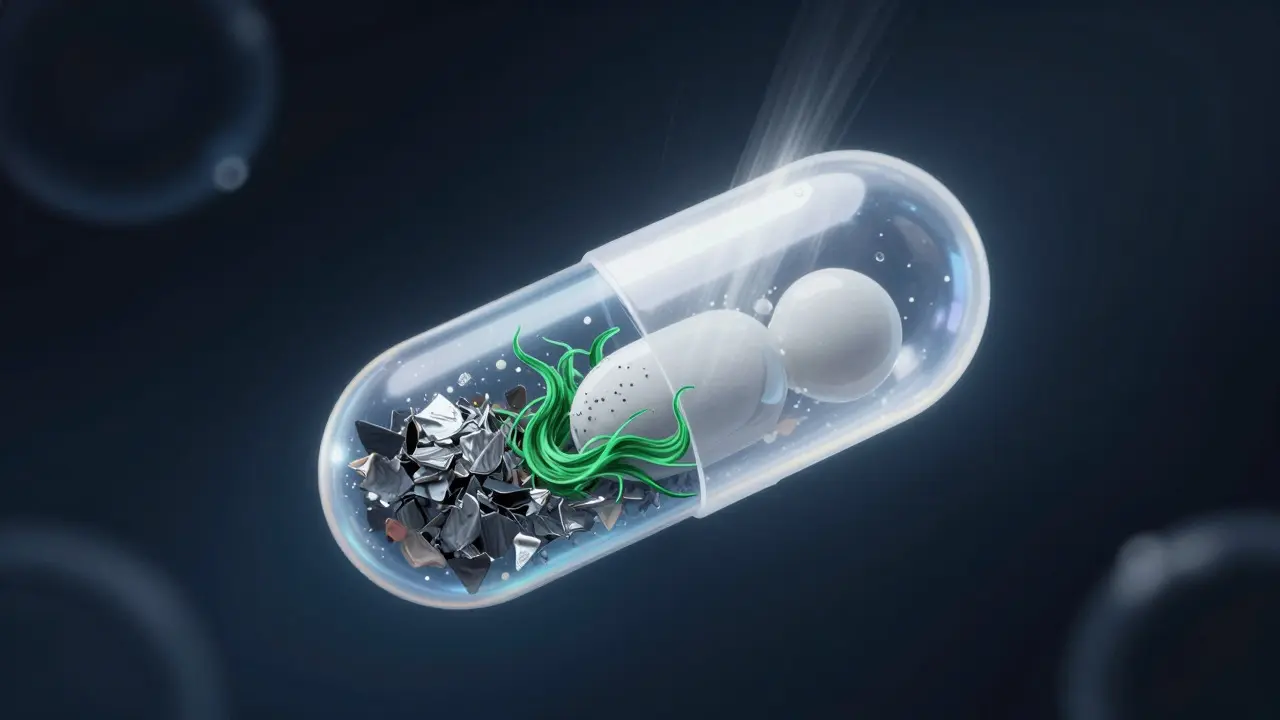
The US Food and Drug Administrationthe federal agency responsible for protecting public health by regulating food, drugs, medical devices, and cosmetics in the United States and other global bodies set strict thresholds for impurities. These aren’t arbitrary numbers; they’re based on toxicological data.
For example, the acceptable daily intake for certain heavy metals is measured in micrograms per kilogram of body weight. If a drug exceeds these limits, it’s considered "adulterated" under the Federal Food, Drug, and Cosmetic Act. This means it can be pulled from the market, leading to recalls and financial loss.
Understanding these limits helps you interpret test results. A result of "0.5 ppm lead" sounds tiny, but if the limit is "0.1 ppm," you’re five times over the safe threshold. Context is everything in drug analysis.
Troubleshooting Common False Positives
Not every anomaly is a problem. Sometimes, lighting makes a pill look discolored when it’s actually fine. Other times, a solvent smell dissipates quickly and poses no risk. To avoid unnecessary panic:
- Repeat the visual check under standard daylight conditions.
- Compare the sample against a known good reference standard from the same manufacturer.
- If using home tests, ensure the reagents are fresh and stored correctly.
- Document everything. Photos, notes, and timestamps help distinguish real issues from observation errors.
By combining careful observation with targeted analytical methods, you can confidently identify true purity issues. This proactive approach protects patients, saves money on recalls, and maintains trust in the pharmaceutical supply chain.
What is the difference between an impurity and an adulterant?
Impurities are unwanted substances formed during manufacturing or degradation, usually unintentional. Adulterants are foreign substances added intentionally or accidentally, often indicating a breach in process control or fraud.
Which test is best for detecting heavy metals in drugs?
Inductively Coupled Plasma Mass Spectrometry (ICP-MS) is the gold standard for detecting heavy metals like lead and arsenic due to its extreme sensitivity and ability to measure parts per trillion.
Can I detect residual solvents at home?
It is difficult to quantify residual solvents accurately at home. However, a strong, persistent chemical odor can be a warning sign. Professional labs use Gas Chromatography-Mass Spectrometry (GC-MS) for precise measurement.
Why do tablets change color over time?
Color changes usually indicate chemical degradation, such as oxidation or hydrolysis. This can affect the drug's potency and stability, signaling that the product may be past its prime or improperly stored.
What does 'ppm' mean in drug testing?
PPM stands for parts per million. It measures the concentration of an impurity relative to the total weight of the drug. For example, 1 ppm means one part of impurity for every one million parts of the drug product.