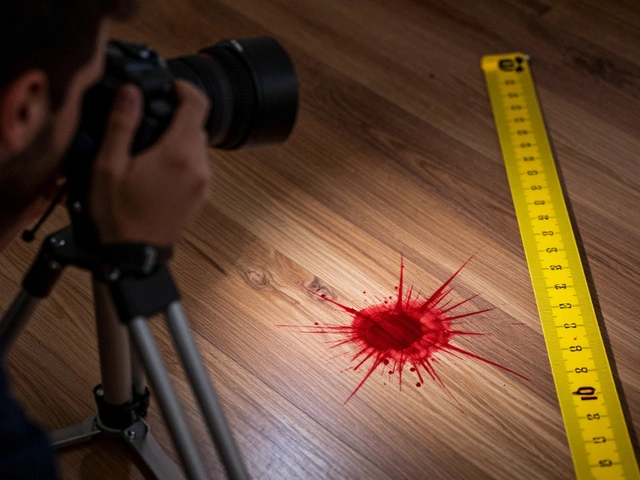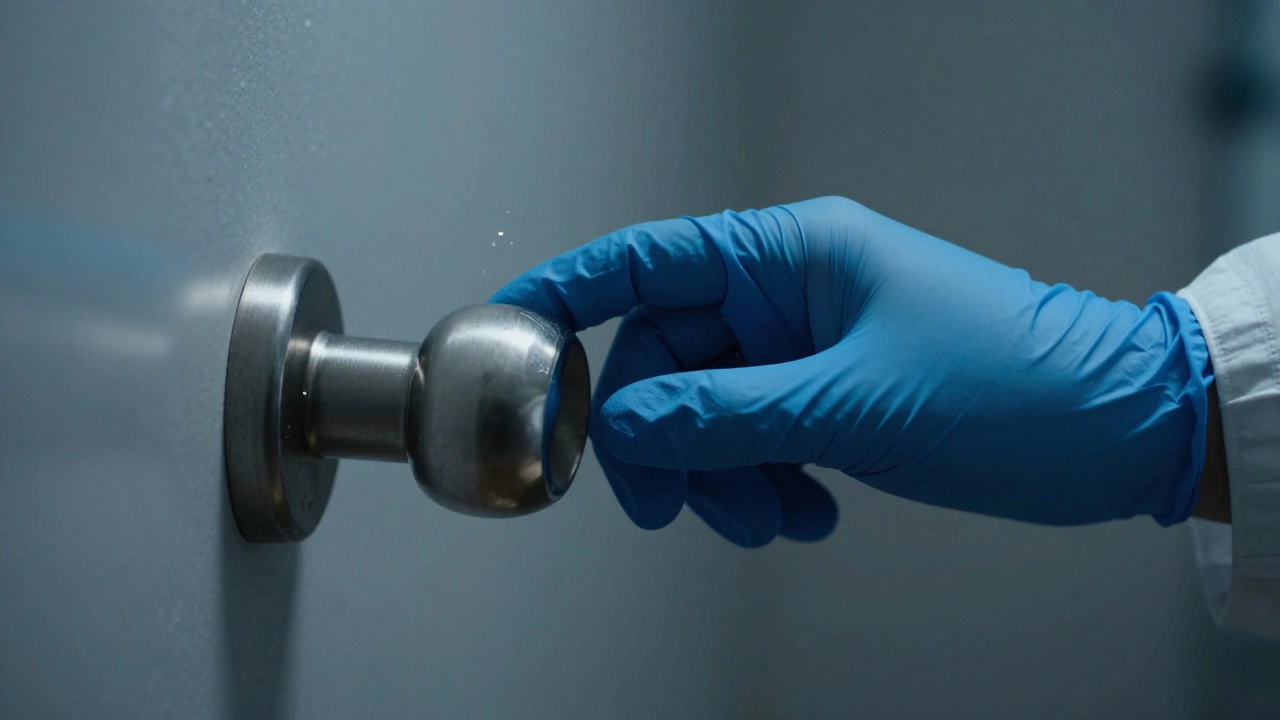
You touch a doorknob. You pick up a piece of clothing. You pack an item into a bag. In each of these actions, you are likely leaving behind invisible biological material. These latent biological traces are microscopic deposits of epithelial cells, sweat, saliva, or blood that are not visible to the naked eye. While modern forensic science can extract a full DNA profile from as few as 100-200 cells, this sensitivity is a double-edged sword. It means that almost every time you handle evidence, you risk transferring your own DNA-or someone else’s-onto it.
The core challenge in modern forensics is no longer just finding DNA; it is proving where that DNA came from. If a suspect’s DNA is found on a weapon, did they hold it during the crime? Or did it get there because a police officer touched the weapon after the suspect had already been handcuffed nearby? This distinction between primary contact and secondary transfer is critical. Without strict protocols to avoid DNA transfer during handling, the integrity of the evidence collapses, potentially leading to wrongful convictions or the dismissal of valid cases.
Understanding Transfer DNA vs. Touch DNA
For years, the industry relied on terms like "touch DNA" or "trace DNA." However, experts argue these labels are misleading. The term "touch" implies direct physical contact, which jurors often interpret as proof of presence at a crime scene. In reality, DNA moves in complex ways. Transfer DNA is now preferred by many forensic scientists because it is a neutral term. It acknowledges that DNA can move from Person A to Object B, then from Object B to Object C, without Person A ever touching Object C directly.
This concept was highlighted in the infamous "Phantom of Heilbronn" case. For over a decade, a female DNA profile appeared at more than 40 crime scenes across Germany, Austria, and France, linking seemingly unrelated burglaries and homicides. Investigators assumed a highly mobile female criminal was responsible. The truth was far less dramatic but scientifically profound: the DNA belonged to a factory worker who manufactured the sterile swabs used to collect the evidence. Her skin cells contaminated the products during production. This case proved that even with careful handling, if the tools themselves are compromised, the entire investigation is tainted. It also drove the creation of stricter manufacturing standards like ISO 18385:2016, which ensures forensic consumables contribute minimal human DNA.
Mechanisms of Contamination: How DNA Moves
To stop DNA transfer, you must understand how it happens. Research published in the US National Library of Medicine (PMC10742555) outlines three main pathways:
- Primary Transfer: Direct contact between a person and an object. This is the most straightforward mechanism, such as a burglar grabbing a window latch.
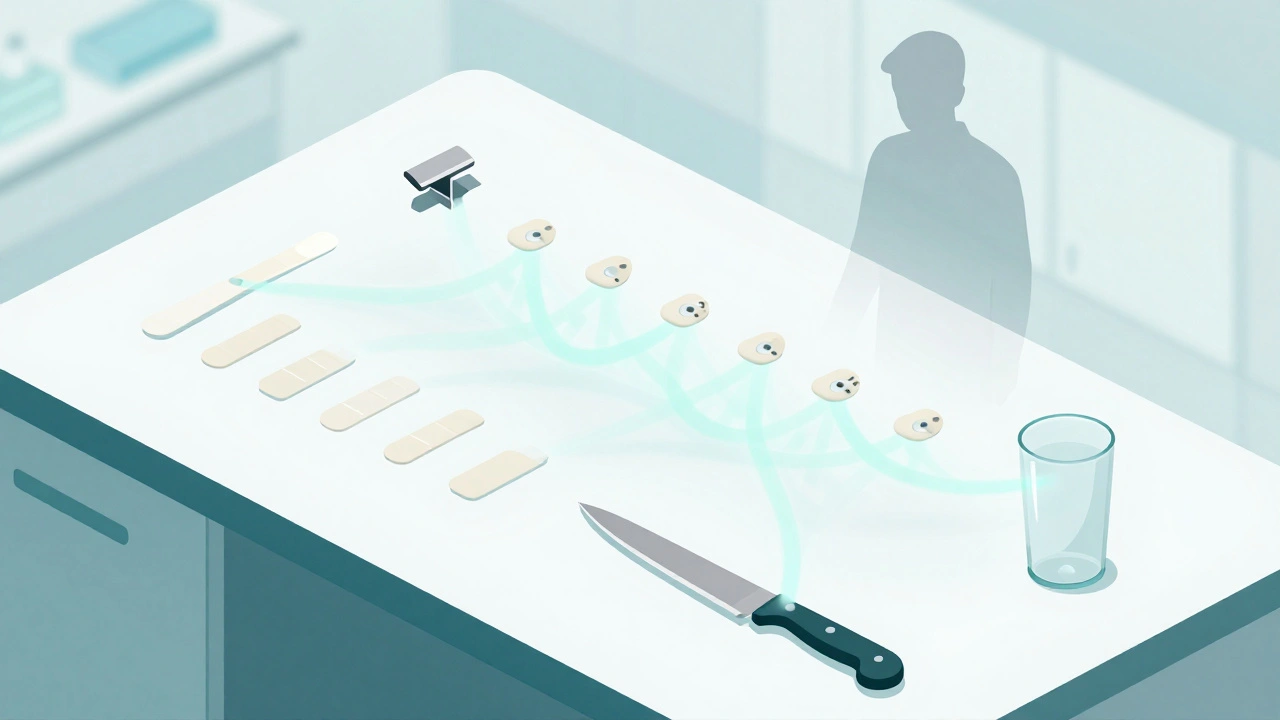
- Secondary Transfer: DNA moves from an object to a person, and then from that person to another object. For example, a suspect shakes hands with a victim, then touches a glass. Later, an investigator touches that same glass. The investigator’s gloves might pick up the victim’s DNA and redeposit it elsewhere.
- Tertiary Transfer: Multiple steps of indirect transfer. DNA moves from Object A to Object B, then to Object C. This makes it nearly impossible to determine the original source without rigorous context analysis.
Environmental factors play a huge role here. A 2025 report by the Home Office Scientific Development Branch (HDIAC) found that wet biological fluids, such as fresh semen or blood, transfer much more readily than dried stains. Furthermore, non-porous surfaces like synthetic fabrics or plastic retain DNA on the surface, making them easier to swipe up-and easier to smear onto other surfaces-compared to porous materials like cotton, which absorb the fluid deeper into the fibers.
Scene Protocols: Minimizing Human Error
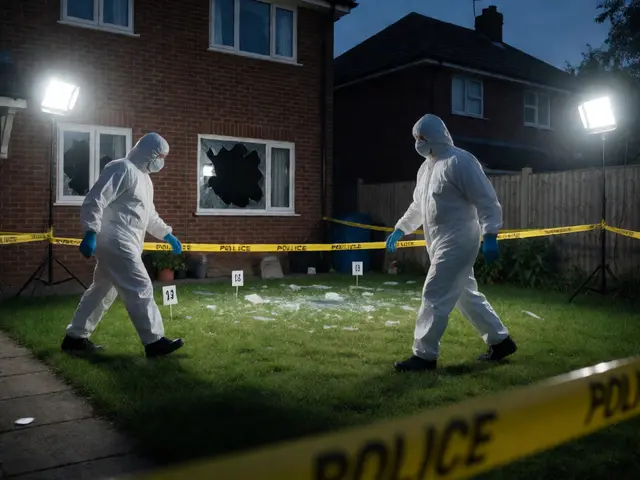
The first line of defense against contamination is the behavior of the personnel at the scene. Personal protective equipment (PPE) is not optional; it is a barrier against your own biology. Standard protocol requires disposable nitrile gloves, changed frequently. You should change gloves between every exhibit, and immediately if they become soiled or tear. But gloves alone are not enough. Studies show that investigators’ own DNA can appear on items if they wear regular clothing under their gear. Disposable coveralls, hair nets, and face masks are essential to prevent shedding skin cells or expelling saliva droplets while talking or coughing.
Workflow order matters immensely. Always process the least contaminated areas first. If you start with a large blood pool, your boots and tools will carry those high-concentration DNA markers to areas where only faint touch DNA exists. By moving from clean to dirty, you protect the more fragile latent traces. Additionally, limit the number of people handling any single item. Every handoff is a potential vector for contamination. Maintain a strict chain of custody log that records exactly who touched what and when. This documentation helps later analysts distinguish between relevant evidence and procedural contamination.
Packaging Pitfalls: The Hidden Risk Inside the Bag
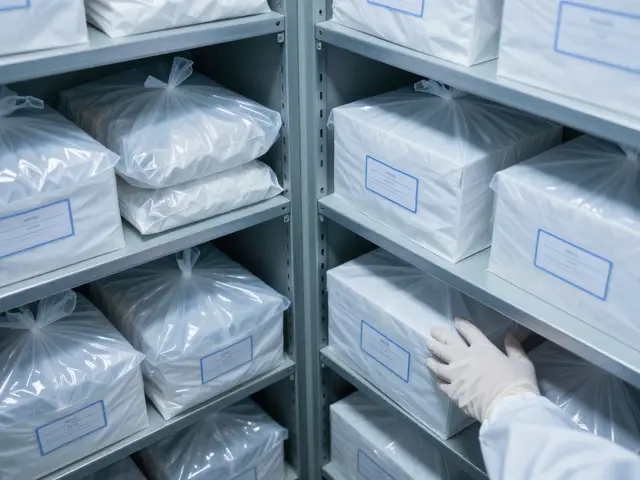
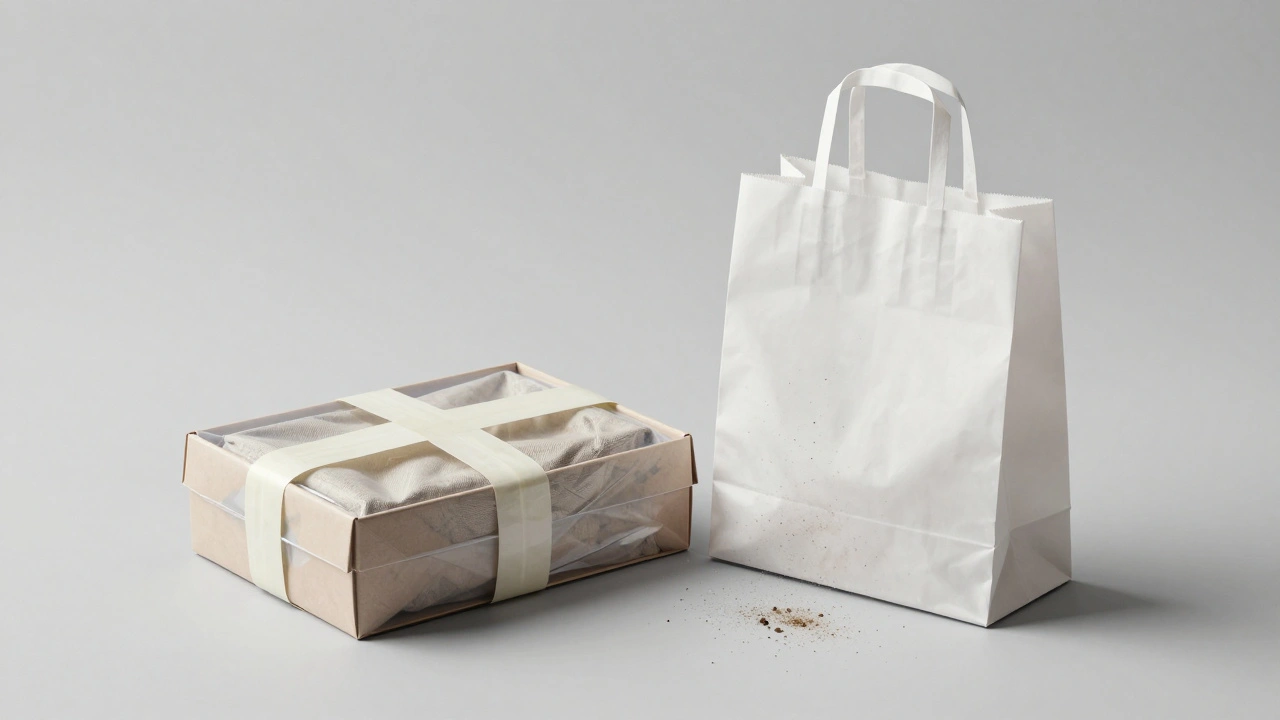
Many investigators believe the job is done once the evidence is sealed in a bag. They are wrong. A study on DNA transfer within forensic packaging revealed a startling statistic: on average, 43.6% of recoverable DNA from a deposit site is lost to other areas inside the packaging due to movement. In some cases, loss reached 100%. When an item slides around in a loose paper bag, the stain rubs against the bag walls, redistributing the DNA. This creates a mess where the original location of the trace is blurred, and the DNA profile may be diluted or mixed with background noise.
To mitigate this, immobilize your evidence. Use packaging that fits the item closely. For smaller items, use rigid boxes with internal supports rather than oversized bags. Secure items with clean, DNA-free ties or tape tabs, ensuring you do not cover the area of interest. Crucially, never package wet biological material in sealed plastic. Wet stains smear easily and promote mold growth, which can degrade DNA. Air-dry items whenever possible before packaging. If immediate packaging is necessary due to safety concerns, use breathable paper containers and label them clearly as "wet" so lab staff know to exercise extra caution.
Fingerprint Processing and DNA Preservation
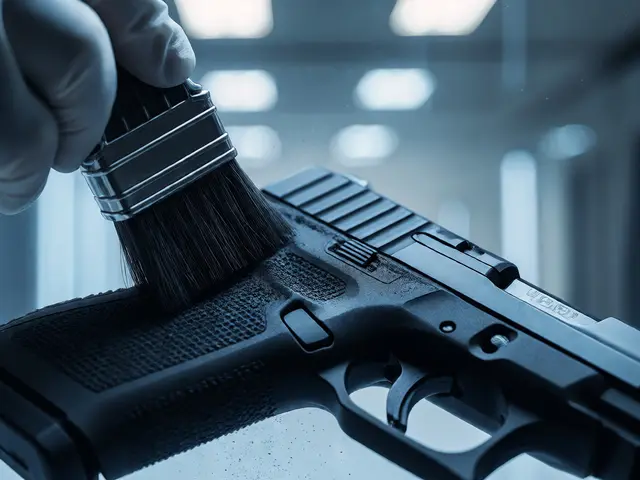
There is often tension between latent print examiners and DNA analysts. Traditional fingerprint powders and brushes are notorious for causing cross-contamination. Research by Van Oorschot et al. (2005) demonstrated that standard fingerprint brushes accumulate DNA from one item and redeposit it onto the next. Moreover, residual powder can inhibit PCR amplification, rendering DNA samples unusable.
To resolve this, agencies are adopting DNA-free processing techniques. Cyanoacrylate fuming (super glue fuming), ninhydrin, or vacuum metal deposition are excellent alternatives because they do not involve mechanical brushing that dislodges cells. If powder must be used, follow these strict rules:
- Use separate, disposable DNA-free brushes for each object.
- Prepare individual aliquots of powder for each item to avoid contaminating the bulk supply.
- Avoid applying powder to areas designated for DNA swabbing.
- Remove all excess powder before submitting the item for DNA analysis.
Companies like Arrowhead Forensics have developed specialist DNA-free fiber brushes and single-use powder packs to operationalize these recommendations. The goal is to develop the print without destroying the biological context beneath it.
| Method | Contact Type | DNA Contamination Risk | PCR Inhibition Risk |
|---|---|---|---|
| Traditional Powder & Brush | Mechanical (High) | High (Redeposition via brush) | High (Residual powder) |
| Cyanoacrylate Fuming | Chemical (Non-contact) | Low | Low |
| Ninhydrin/DFO | Chemical (Non-contact) | Low | Low |
| Vacuum Metal Deposition | Physical Vapor (Non-contact) | Very Low | None |
Laboratory Safeguards and Interpretation
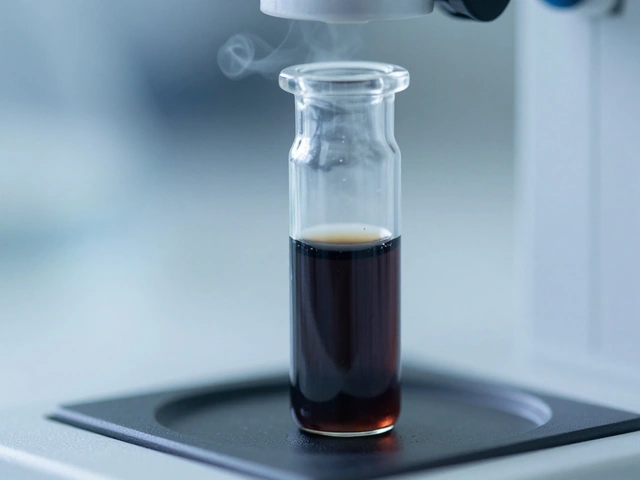
Once evidence reaches the lab, the fight against contamination continues. Accredited laboratories follow ISO/IEC 17025:2017, which mandates physical separation of pre-PCR (extraction) and post-PCR (amplification) areas. Amplified DNA is millions of copies strong; if it leaks back into the extraction room, it can contaminate low-template latent traces. Unidirectional workflows ensure staff move from clean to dirty zones, never returning without changing clothes or showering.
Interpretation is equally vital. Experts must communicate clearly to courts that the presence of DNA does not equal guilt. Low-level profiles are highly susceptible to secondary transfer. Using probabilistic genotyping software and activity-level propositions, analysts can assess whether the DNA pattern is consistent with direct contact or indirect transfer. This nuanced approach prevents the "CSI effect" from misleading juries into thinking DNA is infallible proof of presence.
What is the difference between touch DNA and transfer DNA?
Touch DNA implies direct physical contact, which can bias interpretations toward assuming the donor was present at the scene. Transfer DNA is a neutral term acknowledging that DNA can move indirectly through intermediate objects or people, without implying direct contact by the donor.
Why should I air-dry biological evidence before packaging?
Wet biological fluids transfer much more readily than dried ones. Packaging wet items allows the fluid to smear against the container walls, redistributing DNA and potentially degrading it due to mold growth. Air-drying stabilizes the sample and minimizes intra-package transfer.
How does fingerprint powder affect DNA analysis?
Fingerprint powders can physically dislodge DNA cells from the surface and chemically inhibit PCR amplification. Residual powder left on a sample can make it impossible to generate a DNA profile. Using DNA-free brushes and avoiding powder on targeted swab areas mitigates this risk.
What is the Phantom of Heilbronn case?
It was a major forensic error where a female DNA profile appeared at dozens of crime scenes across Europe. It was later discovered that the DNA came from a factory worker who contaminated the sterile swabs used to collect evidence. This case led to stricter manufacturing standards for forensic consumables.
How much DNA is lost during packaging?
Studies show that on average, 43.6% of recoverable DNA from a deposit site can be lost to other areas inside the packaging due to movement and friction. In extreme cases, loss can reach 100%. Immobilizing items in tight-fitting containers reduces this risk.