When a body is found in a river, a disaster zone, or a remote area, the face might be unrecognizable. DNA takes time. Fingerprints are often destroyed by decomposition or trauma. But teeth? They are tough. Enamel is the hardest substance in the human body. It survives fires, floods, and even decades of burial. This makes forensic odontology one of the fastest and most reliable ways to identify a missing person.
You don't need to be a dentist to understand why this matters. For families waiting for news, every day counts. Forensic odontologists bridge the gap between a living person's medical history and a deceased individual's physical remains. By comparing pre-death dental charts with post-mortem findings, they can provide a definitive answer when other methods fail.
What Is Forensic Odontology?
Forensic Odontology is the application of dental science to legal and investigative matters, primarily focusing on identifying human remains through dental evidence. It sits at the intersection of dentistry and criminal justice. While general dentists treat patients, forensic odontologists analyze evidence. They work with law enforcement agencies, medical examiners, and international organizations like the International Association for Identification (IAI).
The core task is simple in concept but complex in execution: match the antemortem (before death) data with the postmortem (after death) data. If the patterns align uniquely, you have an identification. Because no two people have exactly the same set of tooth positions, shapes, and restorations, this method offers high specificity.
The Critical Role of Dental Records
Dental records are not just X-rays. They are a comprehensive map of an individual's oral health history. When a forensic team requests these records, they are looking for specific details that serve as unique identifiers.
- Restorations: Fillings, crowns, bridges, and implants. The shape, size, and material of a crown are unique to the patient who had it made.
- Tooth Loss: Which teeth are missing? Were they extracted due to decay, trauma, or orthodontic reasons? The pattern of missing teeth is a strong identifier.
- Malocclusion: How the upper and lower teeth fit together (bite alignment). This is unique to each person, much like a fingerprint.
- Pathology: Cysts, tumors, or unusual bone structures visible on X-rays.
- Age Estimation Data: For unidentified remains where no record exists, odontologists can estimate age based on tooth development and wear.
In cases of mass disasters, such as plane crashes or earthquakes, dental records become the primary tool for identification. The United States Federal Bureau of Investigation (FBI) maintains a national database of dental records for active military personnel and has protocols for civilian use during major incidents.
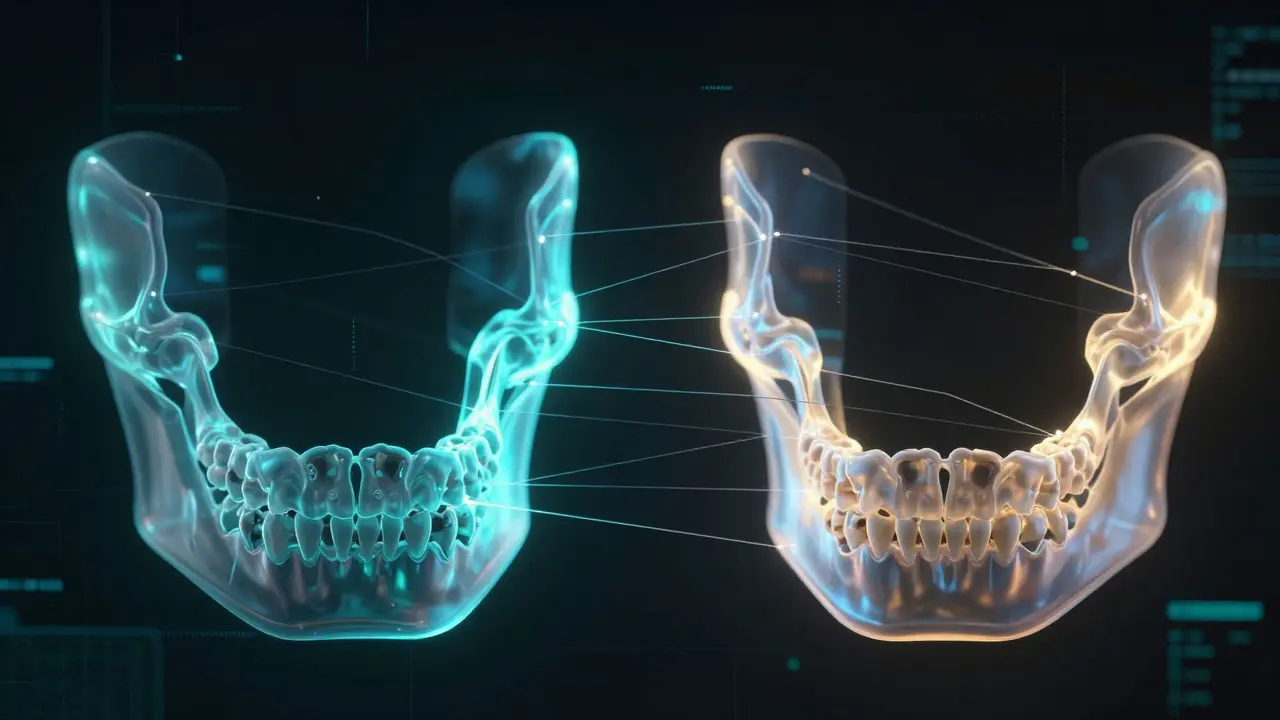
The Comparison Process: Antemortem vs. Postmortem
The identification process follows a strict protocol to ensure accuracy. It is not just about looking at two pictures and saying "that looks like him." It involves a systematic side-by-side analysis.
- Antemortem Documentation: Collecting all available dental records from the missing person’s dentist, insurance provider, or family. This includes panoramic X-rays, intraoral photos, and clinical notes.
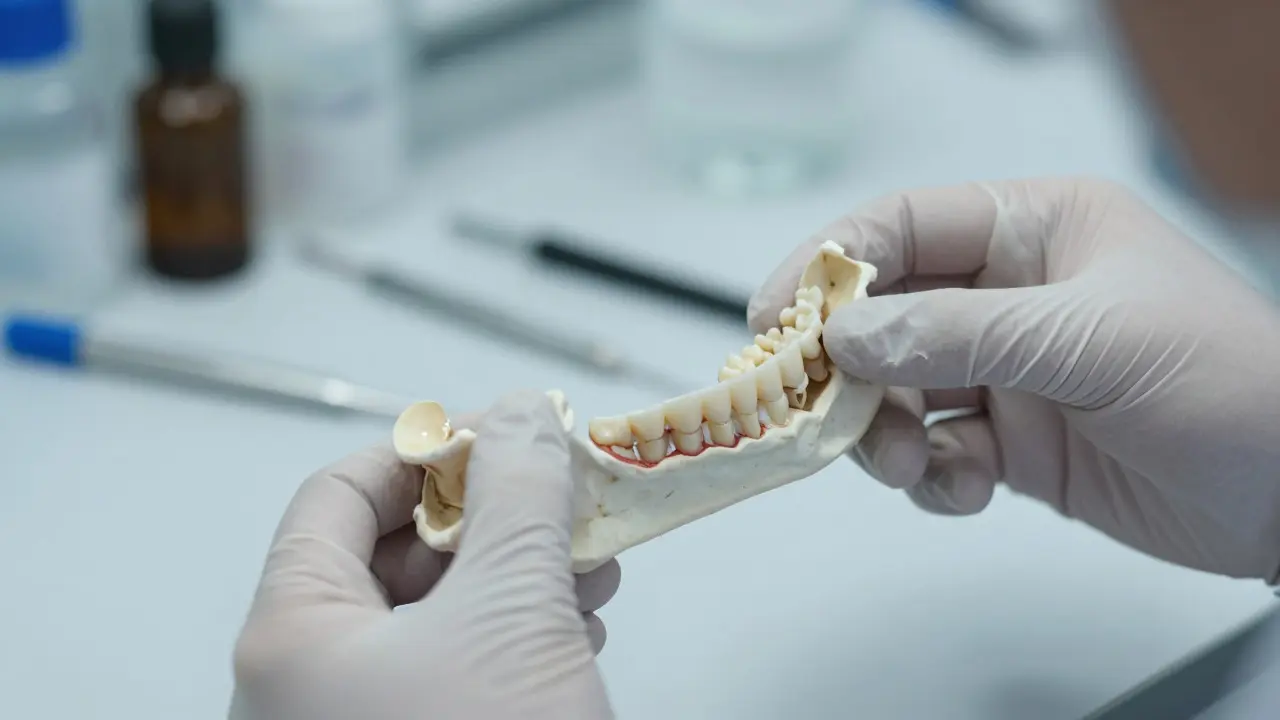
- Postmortem Examination: A forensic odontologist examines the remains. They document the condition of the teeth, take new X-rays if possible, and create detailed sketches or digital models of the jaw and teeth.
- Comparison: The two sets of data are overlaid. The odontologist looks for matching features. Does the position of the missing molar match? Do the fillings in the front teeth align? Is the bite pattern consistent?
- Conclusion: Based on the number of matching points, the odontologist provides a conclusion. The IAI uses a standardized scale ranging from "Definite" to "Unidentifiable."
A "Definite" identification requires multiple independent matching features. For example, a single filling might not be enough, but a combination of a specific crown shape, a missing tooth, and a unique bite alignment creates a statistically near-impossible coincidence for anyone else.
Challenges in Modern Identification
While effective, forensic odontology faces modern challenges. One major issue is the quality of antemortem records. In many countries, dental records are not centrally digitized. Finding the right dentist who treated a person ten years ago can be difficult. Additionally, some patients change dentists frequently, leading to fragmented records.
Another challenge is the state of the remains. In cases of severe decomposition, fire damage, or fragmentation, teeth may be displaced. Odontologists must account for movement caused by putrefaction or animal activity. Advanced imaging techniques, such as Cone Beam Computed Tomography (CBCT), help reconstruct damaged jaws digitally, allowing for more accurate comparisons even when physical examination is limited.
| Method | Speed | Reliability in Decomposition | Data Requirement |
|---|---|---|---|
| Dental Records | Fast (days) | High | Pre-death dental charts/X-rays |
| DNA Profiling | Slow (weeks-months) | Very High | Tissue sample + reference sample |
| Fingerprints | Fast | Low (often destroyed) | Database match |
| Visual Identification | Immediate | Low (subjective) | Family recognition |
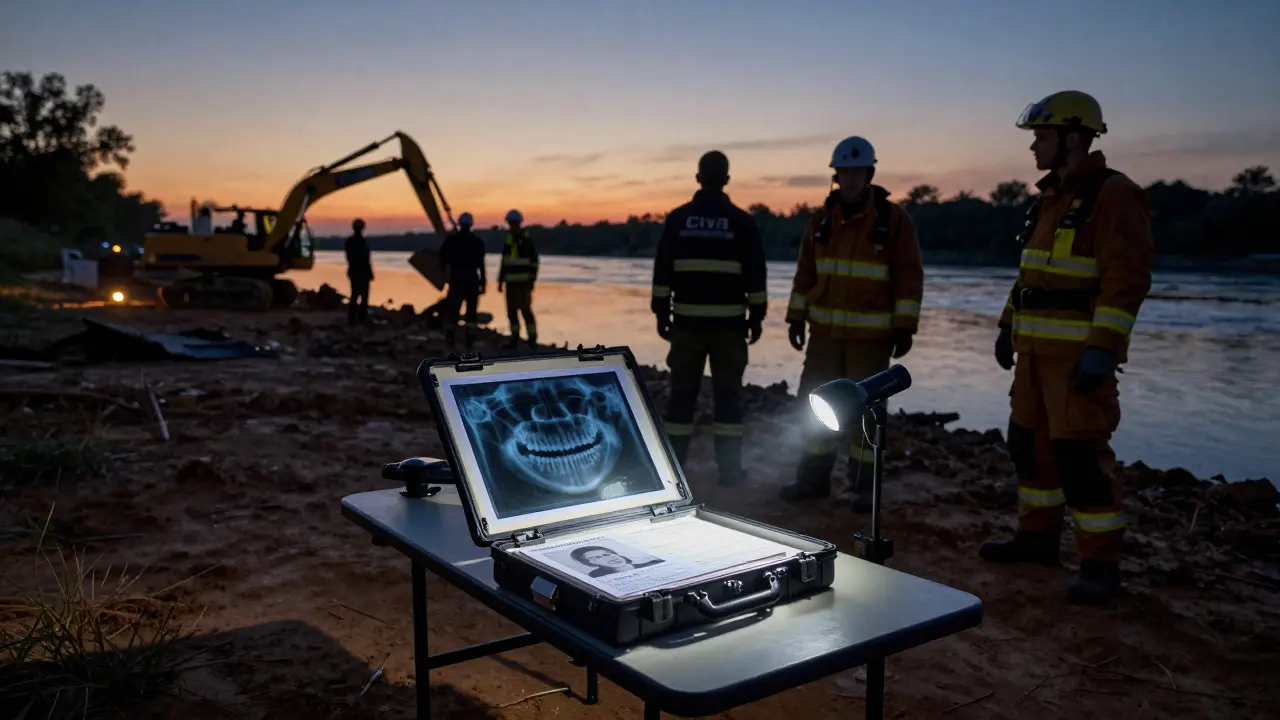
Technology Enhancing Accuracy
Digital tools have transformed this field. Instead of relying solely on paper charts, software allows odontologists to overlay antemortem and postmortem images with pixel-perfect precision. 3D printing enables the creation of physical models of the jaw, which can be used to test bite marks or visualize complex fractures.
Artificial Intelligence (AI) is also entering the space. Algorithms can now assist in estimating age from dental X-rays with increasing accuracy, helping to narrow down potential matches in databases of unidentified remains. However, AI serves as a support tool, not a replacement for expert judgment. The final call always rests with a certified forensic odontologist.
Why Families Should Keep Dental Records Accessible
If you have elderly relatives or individuals with significant dental work, keeping their records organized can save investigators valuable time. Consider creating a digital folder that includes:
- Recent panoramic X-rays (within the last 5-10 years).
- Contact information for their current and previous dentists.
- Notes on any recent extractions, crowns, or implants.
How accurate is forensic odontology in identifying missing persons?
It is considered highly accurate, especially when multiple distinct features match. When combined with other evidence like DNA, it provides a near-certain identification. Even alone, a "Definite" classification under IAI standards is legally accepted in most jurisdictions.
Can dental records identify a person after many years?
Yes. Teeth do not decompose quickly. As long as the antemortem records reflect the state of the teeth at the time of disappearance, they can be matched against remains found years later. Changes in dental health over time are documented in the records, allowing for historical comparison.
What happens if the missing person had no dental records?
The odontologist will perform a full postmortem dental profile. This includes estimating age, sex, and ancestry based on skeletal and dental characteristics. This profile is then compared against databases of unidentified remains to find potential matches, though it is less direct than a record-based match.
Who performs forensic odontology examinations?
Certified forensic odontologists, often board-certified by organizations like the American Board of Forensic Odontology (ABFO). They work under the direction of medical examiners or coroners and collaborate with law enforcement.
Is dental evidence admissible in court?
Yes. Dental evidence is widely accepted in legal proceedings worldwide. Expert testimony from a qualified forensic odontologist explains the methodology and findings, making it a robust form of scientific evidence.