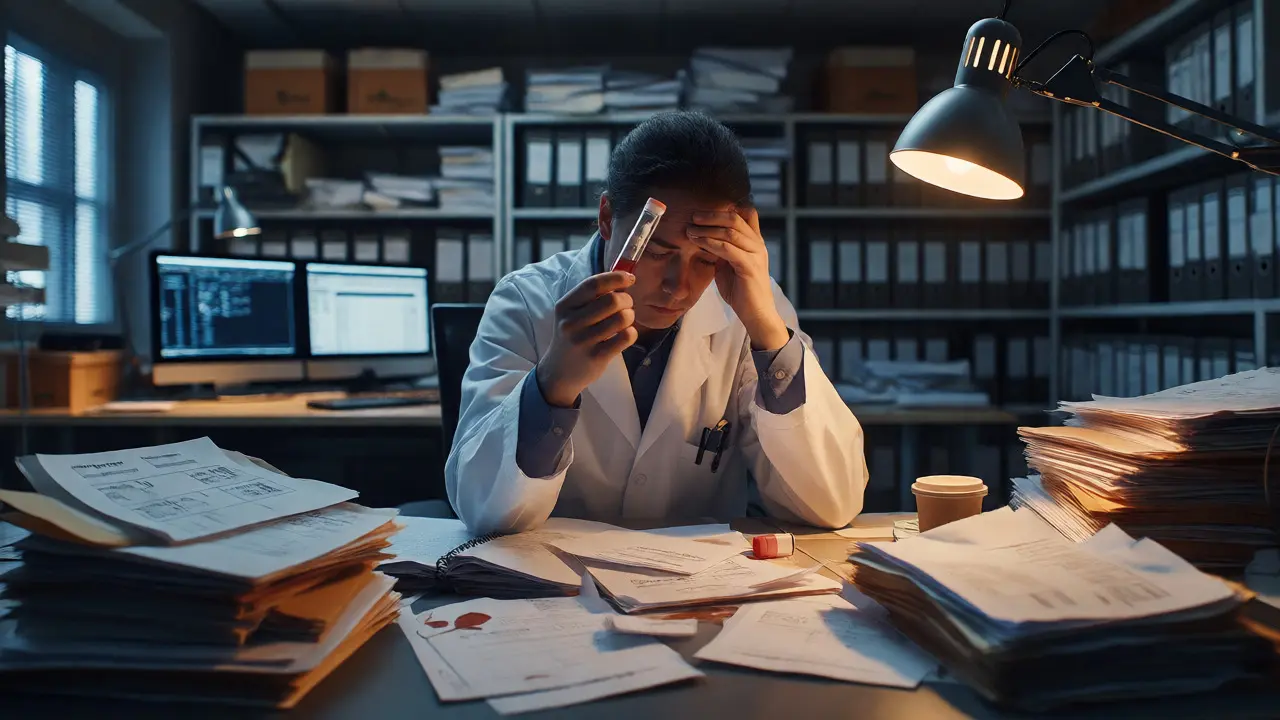
You know the feeling. It’s 2 AM, you’re buried under a stack of paper forms for a DUI case, and you realize you lost the chain-of-custody log for the blood sample three days ago. Sound familiar? For decades, forensic labs ran on paper, carbon copies, and hope that someone didn’t spill coffee on the intake sheet. But the game has changed. Electronic Report Systems are no longer just a nice-to-have upgrade; they are the backbone of modern digital documentation tools designed to streamline evidence tracking, analysis, and reporting in forensic science. If your lab is still relying on manual entry and physical files, you’re not just slow-you’re risking data integrity.
Why Paper Reports Are Killing Your Lab’s Efficiency
Let’s be real about the bottlenecks. When you handle evidence manually, every step introduces friction. You write it down once at intake, again during analysis, and a third time when drafting the final report. Each transcription is a chance for error. A typo in a case number or a misread handwriting can derail an entire investigation. Worse, searching through physical archives takes hours. If a prosecutor calls asking for an old toxicology report from 2019, do you really want to dig through boxes?
Digital documentation tools solve this by creating a single source of truth. Instead of disparate spreadsheets and paper logs, everything lives in one centralized database. This isn’t just about saving trees; it’s about speed and accuracy. When data flows automatically from the instrument to the report, you eliminate human error. You also free up analysts to focus on interpretation rather than administration. Think about how many billable hours are wasted just re-typing results into a Word document. With proper automation, those hours go back to actual casework.
The Core Components of a Modern Electronic Report System
Not all digital tools are created equal. A robust system needs specific features to handle the unique pressures of forensic work. First, you need seamless integration with Laboratory Information Management Systems (LIMS). The report generator should pull data directly from the LIMS without manual copying. If you have to type the sample ID twice, the system is broken.
Second, look for strong audit trails. In court, opposing counsel will ask who changed what and when. A good electronic report system records every edit, including the user ID, timestamp, and previous value. This immutable log is critical for defending your methodology. Third, consider template flexibility. Forensic cases vary wildly-from DNA profiles to ballistics comparisons. Your tool needs to adapt to different report structures without requiring custom coding for every new case type.
| Feature | Traditional Paper-Based | Electronic Report System |
|---|---|---|
| Data Entry | Manual, prone to typos | Automated import from instruments/LIMS |
| Searchability | Physical search, time-consuming | Instant keyword and metadata search |
| Audit Trail | Limited to handwritten notes | Complete digital history of changes |
| Collaboration | Single-user access at a time | Multi-user review and commenting |
| Storage | Physical shelves, vulnerable to damage | Cloud or local server backup |
How Digital Documentation Enhances Chain of Custody
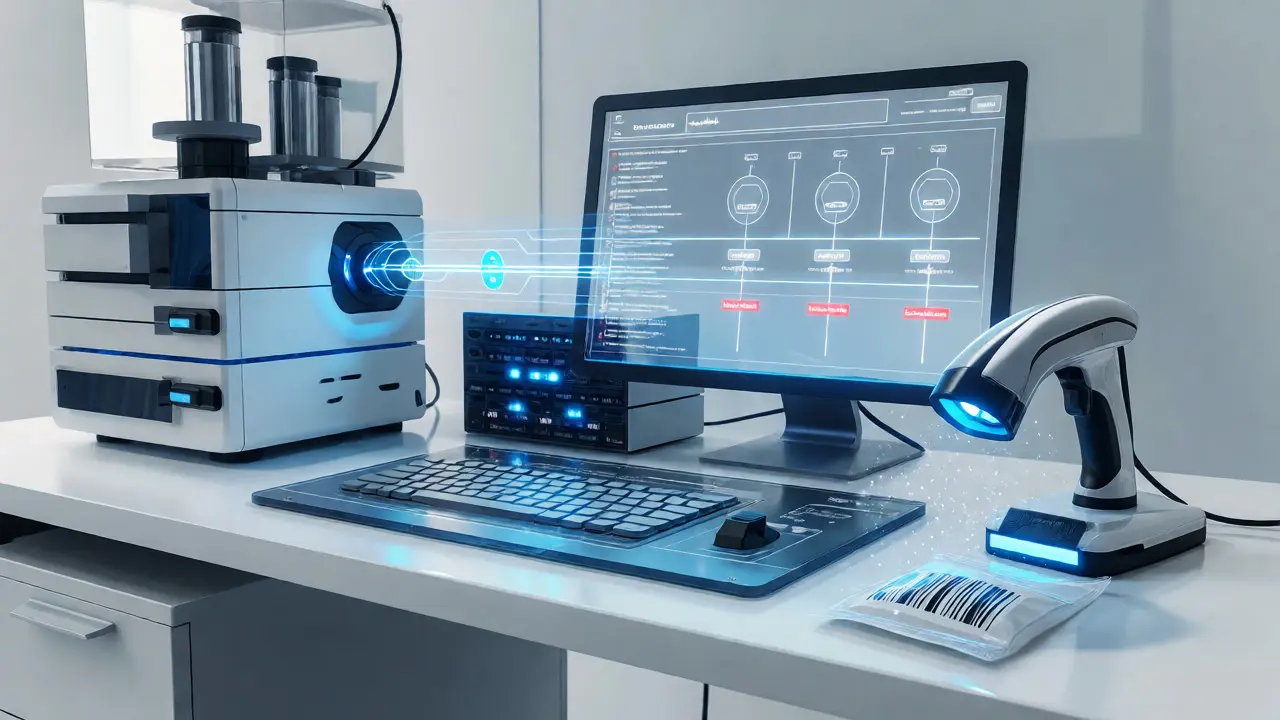
Chain of custody is the holy grail of forensic admissibility. If you can’t prove who touched the evidence and when, the result might as well not exist. Electronic report systems tighten this loop significantly. By linking the report directly to the digital evidence file, you create an unbreakable link between the raw data and the final conclusion.
For example, when an analyst uploads a chromatogram image to the system, the software automatically timestamps the upload and links it to the specific case ID. No more separate logbooks. If the evidence moves from storage to the bench, scanning a barcode updates the location in real-time. This reduces the risk of "lost" samples. It also simplifies the testimony process. Instead of explaining a complex paper trail, you can show the judge a clear, chronological digital timeline. Transparency builds trust, and judges appreciate clarity over confusion.
Security and Compliance: Protecting Sensitive Data
Forensic reports contain sensitive personal information-DNA profiles, medical histories, criminal backgrounds. A breach here isn’t just an IT problem; it’s a legal disaster. Therefore, security isn’t optional. Your chosen system must support role-based access control. An intern shouldn’t see the same data as a senior pathologist. Restrict editing rights so only authorized personnel can finalize reports.
Compliance standards like ISO/IEC 17025 require strict data integrity controls. Digital tools help meet these requirements by enforcing validation rules. You can set parameters so that if a pH level falls outside expected ranges, the system flags it before the report is generated. This proactive quality control prevents errors from reaching the client. Also, ensure the vendor offers regular security patches and encryption both in transit and at rest. If your lab handles law enforcement data, check if the provider meets CJIS (Criminal Justice Information Services) security policies. Don’t assume compliance; verify it.
Implementing New Tools Without Breaking Your Workflow
Switching from paper to digital feels scary. Staff resistance is common. People hate change, especially when their current workflow, however flawed, is familiar. To avoid chaos, start small. Pilot the new electronic report system on one type of case first, perhaps routine drug screenings. Let users get comfortable with the interface before rolling it out to complex homicide investigations.
Training is crucial, but don’t just hand them a manual. Run hands-on workshops where analysts practice generating reports with dummy data. Address their pain points directly. Show them how much time they save on formatting. If the system allows them to auto-populate standard conclusions, highlight that benefit immediately. Feedback loops are essential during the transition. Create a channel where users can report bugs or suggest tweaks. If you ignore early complaints, adoption will stall. Remember, the goal is to make their jobs easier, not harder. If the tool adds clicks without adding value, they’ll revert to sticky notes.
Future-Proofing with AI and Automation
We are already seeing artificial intelligence enter the space. Imagine a system that drafts the initial narrative section based on the test results. It suggests phrasing based on thousands of past approved reports. The analyst reviews and edits, but the heavy lifting is done. This doesn’t replace the expert; it augments them. As machine learning models improve, expect these digital documentation tools to become smarter at detecting anomalies and suggesting correlations across cases.
Interoperability is another frontier. Ideally, your report system talks to the police department’s case management software and the prosecutor’s office. Currently, many labs still email PDFs. The future is API-driven connections where the final report pushes directly into the legal team’s dashboard. This reduces turnaround times and keeps everyone on the same page. Keep an eye on vendors who prioritize open APIs. Closed ecosystems might seem secure, but they often lead to data silos that hinder collaboration down the road.
What is the biggest advantage of using electronic report systems in forensics?
The primary advantage is data integrity and efficiency. By automating data transfer from instruments to reports, you eliminate transcription errors. Additionally, instant searchability saves hours compared to digging through physical archives, allowing analysts to focus on scientific interpretation rather than administrative tasks.
Are digital forensic reports admissible in court?
Yes, provided the system maintains a rigorous audit trail and complies with relevant evidentiary standards. Courts generally accept digital records if the methodology is validated and the integrity of the data can be proven. Many jurisdictions now prefer digital submissions due to their clarity and ease of verification.
How does an electronic report system improve chain of custody?
It links every action taken on the evidence to a specific user and timestamp within the software. Barcode scanning and automated logging reduce human error in recording movements. This creates a transparent, tamper-evident digital history that is easier to present and defend in court than fragmented paper logs.
What security features are mandatory for forensic documentation tools?
Essential features include role-based access control, end-to-end encryption, and comprehensive audit logs. The system must restrict who can view or edit sensitive data. Compliance with standards like ISO/IEC 17025 and CJIS (if applicable) is also critical to protect confidential case details from unauthorized access or breaches.
Can electronic report systems integrate with existing LIMS?
Most modern solutions are designed to integrate seamlessly with leading Laboratory Information Management Systems via APIs. This allows for automatic population of case data, eliminating double entry. However, always verify compatibility with your specific LIMS version before purchasing to ensure smooth data flow.