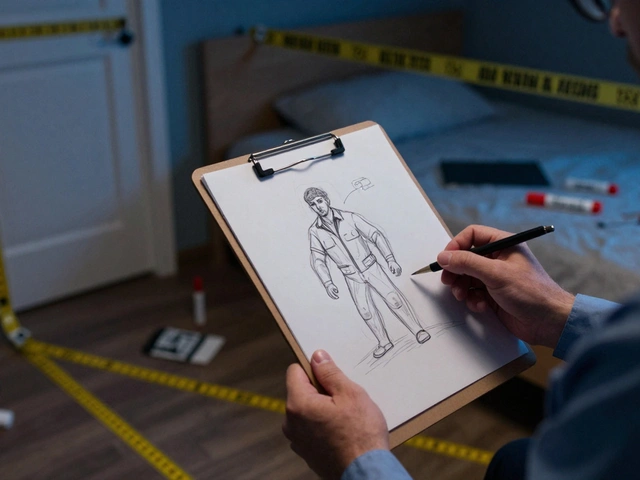
You spent months building a case. The lab work is solid, the witnesses are credible, and the narrative flows perfectly. Then, during cross-examination, opposing counsel holds up the evidence log. There’s a gap. A signature is missing. Or worse, the item was left on a desk over the weekend without a secure locker code. That single administrative slip can unravel years of investigation. It doesn’t just hurt your credibility; it can get critical evidence thrown out entirely.
But here is the reality most investigators learn too late: a chain of custody break isn’t always fatal to a case. It depends entirely on how you handle the aftermath. This article walks through what actually happens when the chain breaks, how to assess the damage, and the specific strategies you can use to save your evidence-and your case.
What Actually Counts as a Break?
First, let’s clear up a common misconception. Not every paperwork error is a "break" in the legal sense. Courts generally distinguish between minor clerical errors and substantive gaps that raise doubts about tampering or contamination.
A true break occurs when there is an unaccounted-for period where the evidence was not under the exclusive control of a responsible party. For example, if a DNA swab is transferred from Officer Smith to Lab Tech Jones, but no one signs for it for three days, that’s a problem. If Officer Smith signed at 5 PM and Lab Tech Jones signed at 8 AM the next day, but the item was stored in a locked, monitored evidence room in between, that’s usually fine. The key question judges ask is simple: Is there a reasonable possibility that the evidence was altered, substituted, or contaminated during the gap?
To understand this better, look at the components that make up a valid chain:
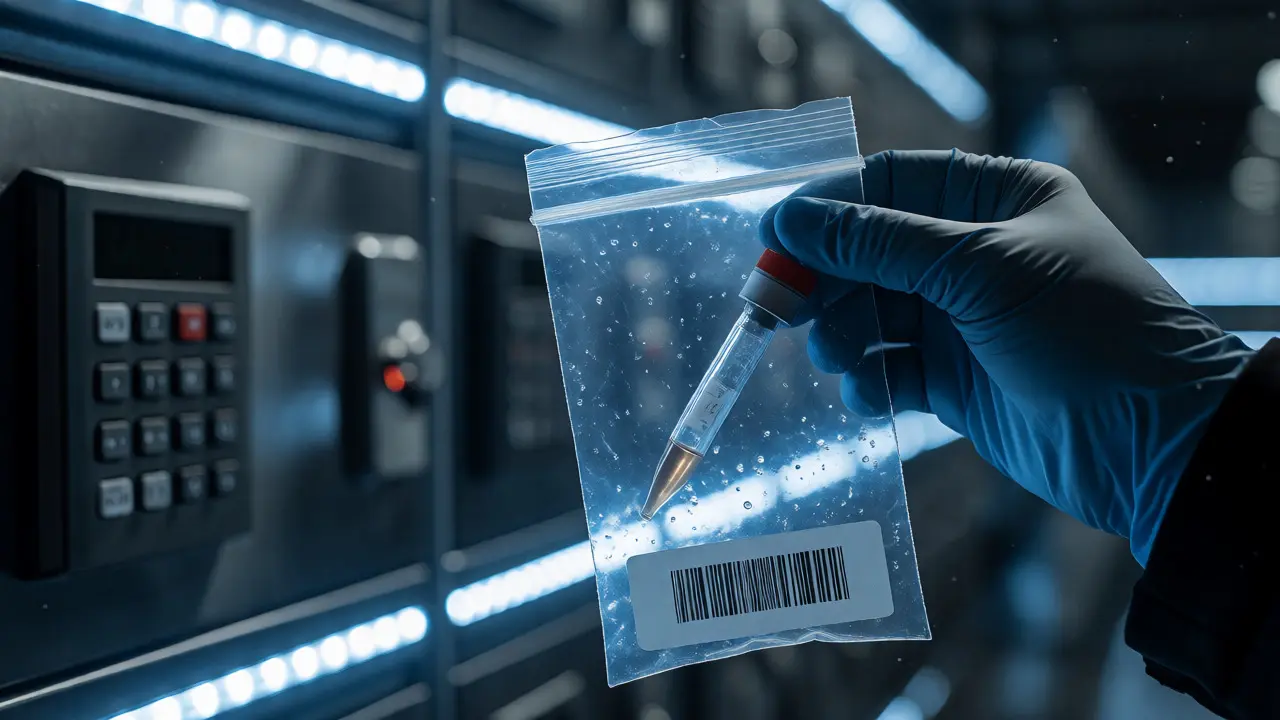
- Unique Identifier: Every item needs a distinct tag or barcode.
- Custodian Log: A chronological record of who held the item, when, and why.
- Secure Storage: Documented access controls (locks, cameras, key logs).
- Transfer Signatures: Verified signatures from both releasing and receiving parties.
If any of these elements are missing or contradictory, you have a vulnerability. But remember, the burden of proof regarding tampering often shifts depending on jurisdiction. In many US states, once the prosecution establishes a prima facie case of proper custody, the defense must prove actual tampering occurred, not just that paperwork was messy.
The Legal Consequences: Admissibility vs. Weight
When a defense attorney moves to exclude evidence due to a chain of custody break, they aren’t always trying to kill the case. Sometimes, they’re just trying to lower the "weight" of the evidence. Here’s how courts typically react:
| Issue Type | Typical Court Response | Impact on Case |
|---|---|---|
| Missing Signature (clerical) | Admissible with testimony to cure defect | Minimal; jury may discount reliability |
| Unsecured Storage Gap | Hearing required; judge decides admissibility | Moderate; risk of exclusion if gap is long |
| Broken Seal/Tamper Evidence | High risk of exclusion | Severe; evidence likely inadmissible |
| Contradictory Logs | Jury instruction on conflicting evidence | Variable; depends on witness credibility |
In federal courts and most state systems, the standard is "reasonable assurance" that the item is what it claims to be. It’s not about perfection; it’s about probability. If you can show that the item was in a secure facility with limited access, even if the log has a typo, the judge will likely let it in. They might instruct the jury to consider the irregularity when deciding how much to trust the evidence, but they won’t necessarily throw it out.
Immediate Remediation Steps
So, you’ve discovered the break. Maybe you’re reviewing files before trial, or maybe it popped up during discovery. What do you do now? Panic helps no one. Action does.
Your first move is to reconstruct the timeline. Don’t rely solely on the written log. Talk to everyone involved. Did someone forget to sign because they were rushing to a scene call? Was the item placed in a temporary locker while the main vault was being audited? These details matter.
Next, gather corroborating evidence. Can security camera footage confirm the item stayed in the evidence room? Do badge-swipe records show who entered the room during the gap? Digital audit trails from electronic evidence management systems are gold mines here. If you can prove physical security remained intact despite the paperwork gap, you neutralize the argument that tampering could have occurred.
Then, prepare your witnesses. The officer or technician who made the error needs to testify clearly. They shouldn’t apologize excessively, which looks guilty, but they should own the mistake confidently. "I failed to sign the log immediately, but I placed the item directly into Locker 4B, which requires my unique PIN to open. No one else had access." That statement turns a weakness into a demonstration of protocol adherence.
Strategic Arguments for Defense and Prosecution
If you’re on the prosecution side, your goal is to minimize the break. Frame it as a human error within a robust system. Emphasize the safeguards that remained in place. Use analogies that resonate with jurors. Compare it to a restaurant health inspection: finding a pen missing from a clipboard doesn’t mean the kitchen was dirty.
Defense attorneys, conversely, want to amplify the break. They’ll argue that the lack of documentation creates a "black box" period where anything could have happened. To counter this, prosecutors should focus on the nature of the evidence. A blood sample in a sealed tube is less susceptible to subtle alteration than a cash count or a digital file that can be copied silently. Argue that the physical characteristics of the item provide inherent integrity.
Consider the precedent set by cases like State v. Johnson, where courts ruled that minor lapses do not render evidence inadmissible unless there is affirmative evidence of tampering. You need to cite local precedents that support your jurisdiction’s tolerance for administrative imperfections.
Preventing Future Breaks
Remediation is stressful. Prevention is smarter. Most chain of custody failures stem from process fatigue or poor training. Investigators often skip signing logs because they’re tired, rushed, or think "it’s obvious" who has the item.
Implement a few strict rules to tighten your workflow:
- No Hand-to-Hand Without Logging: Even if two officers are standing next to each other, scan the item. Make the digital record the source of truth.
- Automated Alerts: Configure your evidence software to flag items that haven’t been scanned in over 24 hours.
- Audit Trails: Conduct random monthly audits where supervisors pull ten items and trace their full history. Catching errors early prevents them from becoming trial surprises.
- Standardized Training: Regularly train staff on the legal consequences of their paperwork. When people understand that a missing signature can cost a conviction, they take it seriously.
Also, consider the technology stack. Manual paper logs are prone to loss and illegible handwriting. Modern Radio Frequency Identification (RFID) tags or barcode scanners create an immutable digital footprint. While tech isn’t a magic bullet-it still requires human discipline-it drastically reduces the surface area for error.

Case Study: Saving a DUI Blood Sample
Let’s look at a real-world scenario. A driver was arrested for DUI. His blood was drawn at the hospital and handed to an officer. The officer placed it in his car’s trunk overnight before delivering it to the lab the next morning. The defense moved to suppress the blood test results, arguing the chain was broken because the blood wasn’t refrigerated immediately and sat in an unmonitored vehicle.
The prosecutor didn’t argue that the paperwork was perfect. Instead, they introduced testimony from the officer about the specific cooler he used, the temperature monitoring strips inside the cooler, and the fact that the car was locked and parked in a secured police lot. Expert testimony followed, explaining that short-term exposure to ambient temperatures did not degrade the ethanol levels significantly. The judge admitted the evidence, noting that while the storage method wasn’t ideal, the combination of physical safeguards and scientific explanation provided "reasonable assurance" of integrity.
This case highlights a crucial point: context matters. A break in the chain is evaluated against the totality of circumstances. If you can explain the environment and the science, you can often overcome the procedural flaw.
Final Thoughts on Handling the Fallout
Dealing with a custody break is part of the job. It tests your preparation and your ability to communicate complex procedural issues to a lay jury. Don’t hide the break. Address it head-on. Show the court that while the paperwork had a hiccup, the evidence itself remained secure and reliable.
Remember, the ultimate goal isn’t just to admit the evidence; it’s to convince the trier of fact that it’s trustworthy. By combining thorough remediation efforts with clear, honest testimony, you can turn a potential disaster into a manageable hurdle. And sometimes, showing how you handled the mistake demonstrates more professionalism than having no mistakes at all.
Does a missing signature automatically invalidate evidence?
No. A missing signature is considered a clerical error rather than a substantive break. Courts usually allow the custodian to testify to cure the defect, explaining when and where they received the item. As long as there is no evidence of tampering, the evidence remains admissible.
How long can evidence be unlogged before it becomes a problem?
There is no universal time limit. It depends on the type of evidence and the storage conditions. Perishable biological samples require immediate logging and refrigeration. Digital files or firearms can tolerate longer gaps if stored in secure, monitored facilities. The key factor is whether the delay created a realistic opportunity for alteration.
Can electronic logs replace paper chains of custody?
Yes, electronic logs are increasingly accepted and often preferred. They provide timestamped, immutable records that are harder to alter than paper. However, the system must be validated, and access controls must be documented. Courts require proof that the digital system accurately reflects physical handling.
What if the seal on the evidence bag was broken?
A broken seal raises higher scrutiny. You must prove why it was broken and resealed. Typically, a new seal is applied with a date, initials, and reason for resealing noted on the label. If the resealing process follows agency policy, the evidence is usually still admissible, though the defense may challenge its integrity more aggressively.
Who bears the burden of proof regarding chain of custody?
Initially, the proponent of the evidence (usually the prosecution) must establish a prima facie case of proper custody. Once they do, the burden shifts to the opponent to show that tampering or substitution likely occurred. Simply pointing out a paperwork gap is often insufficient to meet this burden without additional evidence of mishandling.