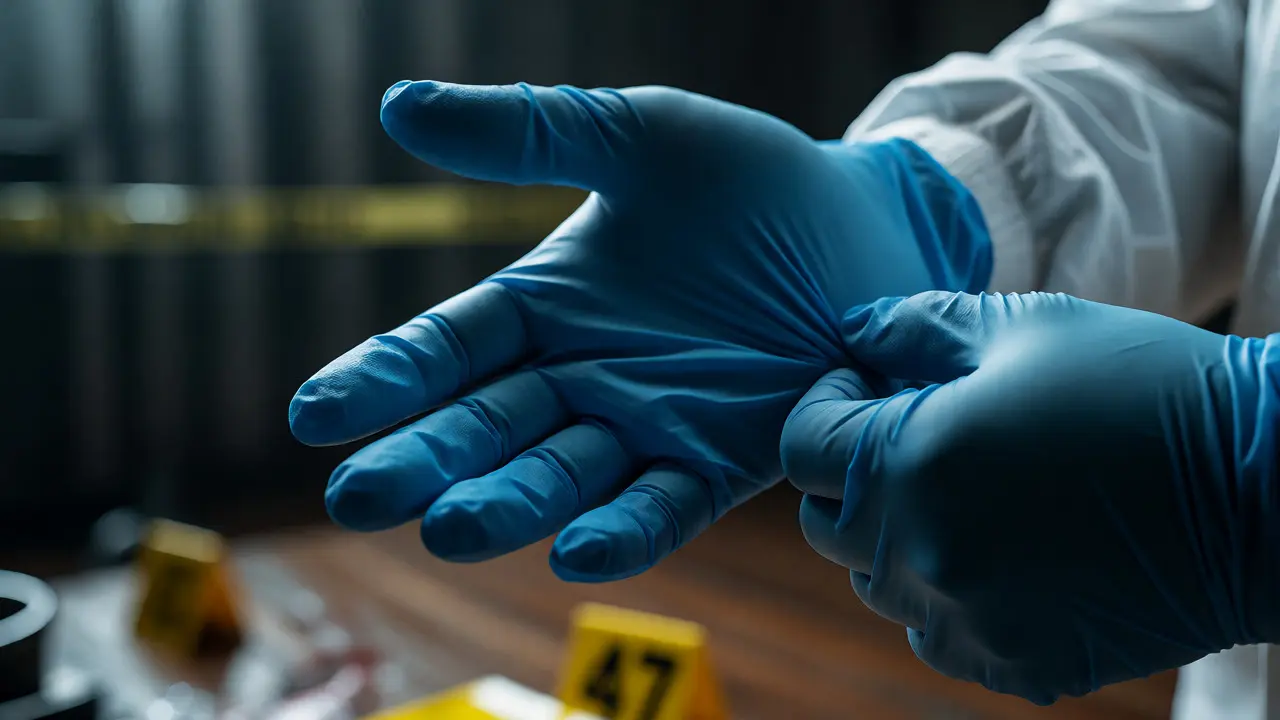
You walk into a room. The air smells like copper and stale sweat. Blood is on the floor, maybe some on the walls. Your first instinct might be to start looking for clues, but if you don't have your gear on right now, you're already making mistakes that could cost you your career-or your life. Crime scene investigator safety protocols aren't just bureaucratic red tape; they are the barrier between you and a world of pathogens, chemicals, and physical dangers.
Think about it this way: every crime scene is a biological time bomb. You have no idea what the victim or suspect was carrying. Was it HIV? Hepatitis B? Something antibiotic-resistant? If you step in without proper protection, you aren't just risking infection; you're risking cross-contamination that could ruin the entire case. One stray hair from your head landing near a blood spatter pattern can lead to defense attorneys tearing your testimony apart. So, let's break down exactly how to keep yourself safe while keeping the evidence pristine.
The Invisible Threats: Biological and Chemical Hazards
Most people think of crime scenes as places with sharp objects and bad lighting. In reality, the biggest killers are invisible. When you enter a scene, you are stepping into an environment potentially loaded with biohazards. This includes bloodborne pathogens like Human Immunodeficiency Virus (HIV), Hepatitis B, and Hepatitis C. These viruses can survive outside the body for days, depending on the temperature and humidity. In a hot, humid Portland summer, those survival times change compared to a dry winter day.
But it's not just bodily fluids. Modern homes are chemical cocktails. If you're investigating a drug lab or a scene involving suicide by ingestion, you might encounter volatile organic compounds (VOCs) or residual pesticides. Carbon monoxide leaks are another silent killer often missed during the initial rush of processing. I've seen investigators get lightheaded in enclosed spaces because they ignored ventilation checks. Always assume the air quality is compromised until proven otherwise.
- Bloodborne Pathogens: HIV, Hepatitis B, Hepatitis C, Ebola (rare but possible).
- Airborne Pathogens: Tuberculosis, Influenza, SARS-CoV-2 variants.
- Chemical Residues: Methamphetamine precursors, cleaning agents, carbon monoxide.
- Fungal Spores: Mold growth in water-damaged scenes can trigger severe allergic reactions.
PPE: Your Second Skin
If there is one rule to live by, it’s this: never compromise on Personal Protective Equipment (PPE). It’s not optional. It’s non-negotiable. Many rookies think double-gloving is overkill. It isn’t. Latex gloves tear easily, especially when you’re reaching under furniture or handling rough debris. Nitrile gloves are better because they resist punctures and don’t cause latex allergies, which affect about 1-6% of the population.
Let’s look at what goes into a standard kit. You need more than just gloves. You need eye protection that seals around your face-goggles, not glasses. Why? Because splashes happen. If you sneeze while bending over a body, you want that moisture going into a mask, not onto your cornea. Respirators should fit properly. A loose N95 mask is basically useless against aerosolized particles. If you have facial hair, you need a powered air-purifying respirator (PAPR) or a full-facepiece respirator that seals over the beard.
| Item | Purpose | Material Recommendation | Common Mistake |
|---|---|---|---|
| Gloves | Barrier against fluids/sharps | Nitrile (Double-layered) | Reusing outer gloves between rooms |
| Masks/Respirators | Inhalation protection | N95 or PAPR | Not performing fit-test check |
| Eye Protection | Splash protection | Sealed Goggles | Using prescription glasses alone |
| Coveralls | Body contamination control | Tyvek® or similar breathable barrier | Zipping up too slowly upon exit |
| Footwear | Preventing tracking evidence/out | Shoe covers + Steel-toe boots | Walking through wet areas in canvas shoes |
The Exit Strategy: Decontamination Procedures
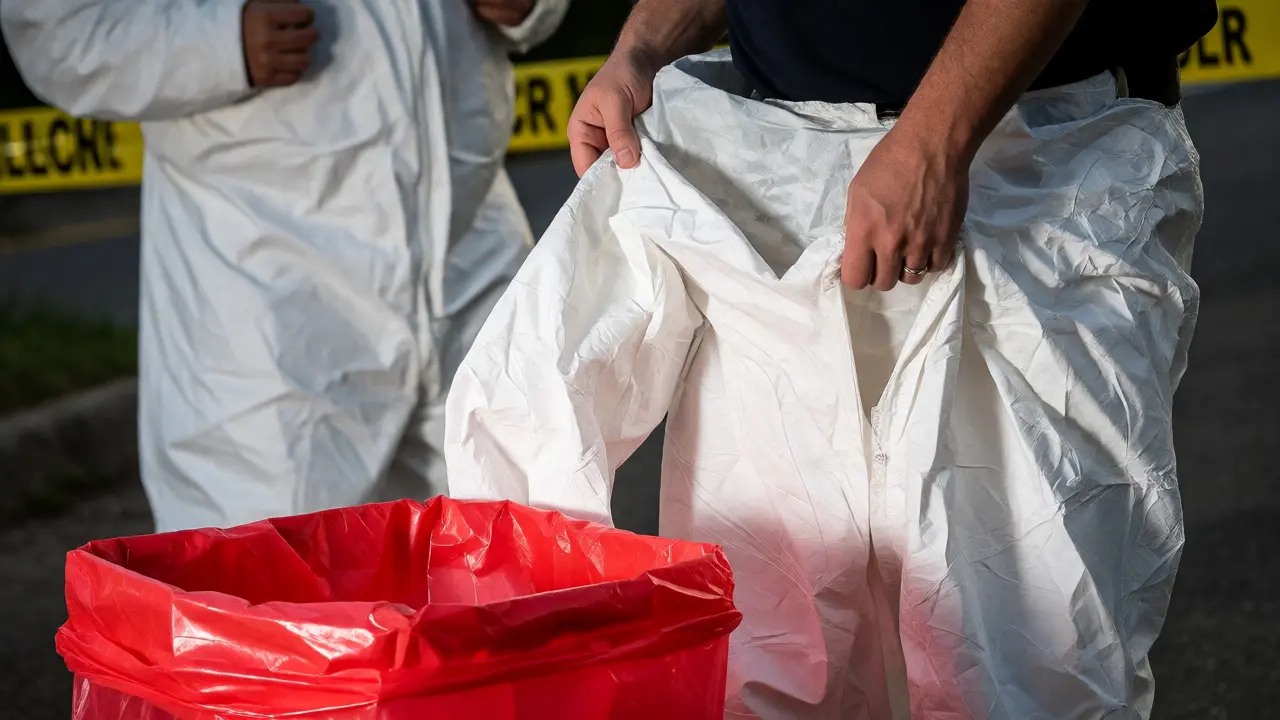
Getting out of a crime scene safely is harder than getting in. Most contamination happens during doffing-the process of removing your PPE. If you touch the outside of your contaminated gloves with your bare hand while taking them off, you’ve just defeated the whole purpose of wearing them. There is a specific sequence you must follow, and muscle memory is key here.
Start from the top and work down. Remove your goggles first. Then your respirator. Next, untie the coveralls. Step out of them carefully, rolling them inside out as you go so the dirty side ends up on the inside. Finally, remove your gloves last, pinching the wrist area and peeling them off so the outside stays contained. Dispose of everything in designated biohazard bags immediately. Never put used PPE back in your pocket. That’s a recipe for carrying home a souvenir you didn’t ask for.
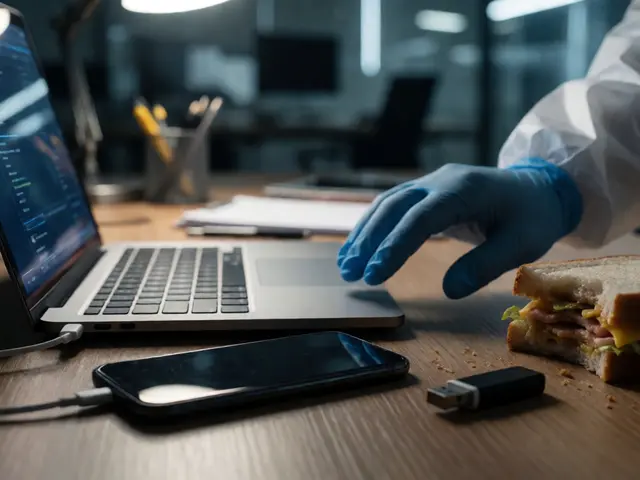
Hand hygiene is critical after removal. Wash with soap and water for at least 20 seconds. Alcohol-based sanitizers are great for quick fixes, but they don’t kill all spores or remove heavy grime. If your hands are visibly dirty, wash them. Simple, right? Yet, I still see investigators rushing to their cars with unwashed hands, touching their steering wheels, then eating a sandwich later. Don’t be that person.
Physical Dangers Beyond Biology
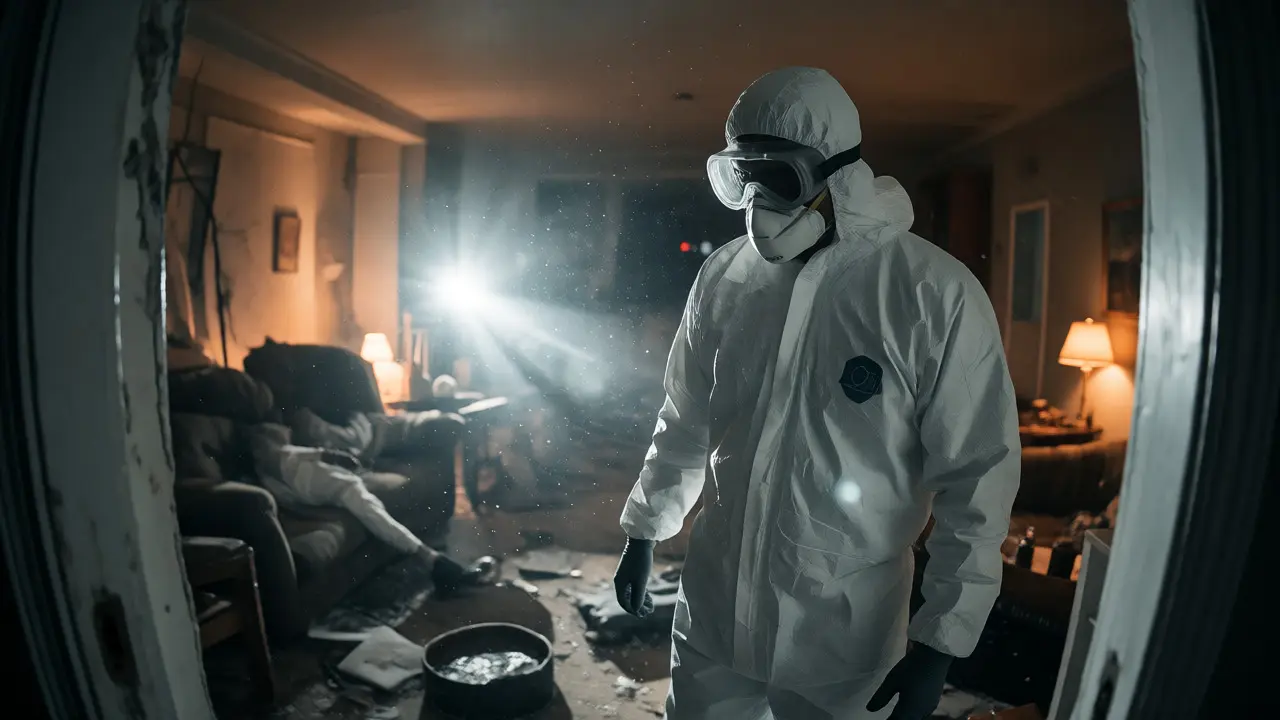
We talk a lot about germs, but physical injuries are statistically more common. Broken glass, exposed nails, unstable flooring, and poor lighting create a hazardous environment. Crime scenes are rarely well-lit. You’re often working with flashlights in attics, basements, or outdoor areas at night. Tripping hazards are everywhere.
Consider the structure itself. Is the floor stable? Has there been fire damage? Water damage? Wood rot? I once worked a scene where the second-floor joists were compromised by years of undetected leakage. Walking across the hallway felt like walking on a trampoline. If you fall, you’re not just hurting yourself; you’re potentially destroying evidence and creating a liability nightmare for the department. Always assess structural integrity before deploying heavy equipment or moving multiple team members into a confined space.
Then there’s the psychological aspect. While not a "physical" hazard in the traditional sense, mental fatigue leads to sloppy safety practices. Long shifts, gruesome visuals, and high-pressure timelines wear you down. When you’re tired, you skip steps. You forget to zip your coverall. You miss a spot on your glove check. Recognize your own limits. If you feel your focus slipping, take a break. It’s better to lose ten minutes than to contract an infection or slip on a piece of glass.
Evidence Integrity vs. Personal Safety
Here is the conflict every CSI faces: How do you protect the evidence while protecting yourself? Sometimes, these goals seem opposed. For example, wearing bulky gloves reduces tactile sensitivity. You might drop a fragile piece of evidence. Or, putting on a respirator might fog your glasses, obscuring your view of fine trace evidence like hair fibers.
The solution is training and adaptation. Practice changing gloves quickly without contaminating your inner layer. Use anti-fog sprays on your lenses. Adjust your workflow to minimize exposure time. Work in zones. Set up a "clean zone" outside the immediate hazard area where you can stage tools and take breaks. Keep your clean gear separate from your dirty gear. Color-coding helps-use blue bins for clean supplies and red bins for waste.
Also, consider the chain of custody. If you have to leave the scene to decontaminate, document exactly when you left and returned. Did you touch anything with unwashed hands? Note it. Transparency protects you legally and scientifically. Defense experts will scrutinize your safety logs. If your records show gaps in PPE usage, they’ll argue that your presence contaminated the scene.
Special Scenarios: Mass Casualty and Hazardous Materials
Standard protocols don’t always apply in extreme situations. In mass casualty incidents, triage rules change. You might have to prioritize speed over perfect sterility. But even then, basic barriers like masks and gloves are mandatory. The risk of airborne transmission increases exponentially with crowd density and decomposing bodies.
Hazmat scenes require specialized training. If you suspect meth labs or industrial chemical spills, standard CSI kits won’t cut it. You need Level A or B protection suits, which include self-contained breathing apparatuses (SCBA). These are heavy, hot, and restrict movement. They also limit your ability to communicate. Hand signals become vital. Know your role. If you’re not hazmat-certified, stay behind the line. Let the specialists handle the entry. Trying to be a hero in a hazmat zone usually results in a hospital visit.
Health Monitoring and Long-Term Risks
Safety doesn’t end when you clock out. Chronic exposure to low levels of stress, irregular hours, and potential chemical contact takes a toll. Regular health screenings are essential. Hepatitis B vaccinations are standard for law enforcement and forensics personnel. Make sure yours are up to date. Check your antibody titers every few years.
Pay attention to respiratory health. Years of inhaling dust, mold spores, and chemical fumes can lead to chronic bronchitis or asthma-like symptoms. Annual pulmonary function tests can catch issues early. Also, monitor your skin. Contact dermatitis from repeated glove use and sanitizer exposure is common. Use moisturizers designed for sensitive skin, but avoid oil-based products if you handle evidence, as oils can degrade certain materials.
Mental health monitoring is equally important. PTSD rates among first responders and CSIs are higher than the general population. Peer support programs and professional counseling shouldn’t be stigmatized. Acknowledging the emotional weight of the job is part of maintaining overall health and safety.
Quick Checklist for Every Scene
Before you step past the yellow tape, run through this mental checklist:
- Assess the Air: Do you smell gas, smoke, or strong chemicals? If yes, ventilate or wait.
- Check Lighting: Can you see clearly? Bring extra batteries.
- Inspect Footing: Are floors wet, icy, or uneven?
- Dress Properly: Gloves, mask, goggles, coveralls, shoe covers. No exceptions.
- Plan Your Path: Enter via the shortest route to the focal point. Avoid unnecessary traffic.
- Decon Plan: Know where your waste bag is before you make a mess.
Sticking to these protocols keeps you healthy and ensures your findings stand up in court. It’s boring work, sure. But boring is good. Boring means nothing went wrong. And in our line of work, nothing going wrong is the best outcome you can hope for.
Do I really need to wear double gloves?
Yes, double gloving significantly reduces the risk of puncture wounds and contamination. The outer glove takes the brunt of tears and spills, while the inner glove remains sterile. Change the outer glove whenever you move between distinct areas or if it becomes visibly soiled.
What is the biggest health hazard for CSIs?
While many fear violent attacks, the most common health hazards are actually biological infections from bloodborne pathogens and respiratory issues from inhaling dust, mold, or chemical fumes. Proper PPE usage mitigates both risks effectively.
Can I reuse my N95 mask?
Generally, no. N95 masks are designed for single-use per shift or per scene. Reusing them compromises the seal and filtration efficiency, especially if they become damp from breath or sweat. Always discard them after leaving the contaminated area.
How do I prevent cross-contamination?
Establish clear boundaries between clean and dirty zones. Change gloves frequently, sanitize tools between uses, and never place personal items (like phones or keys) on evidence surfaces. Follow strict doffing procedures when exiting the scene.
Are Tyvek suits enough for chemical hazards?
Tyvek provides excellent protection against particulates and light liquid splashes but is not resistant to all chemicals. For strong solvents or concentrated acids/bases, you may need rubberized aprons or specialized chemical-resistant suits. Always consult the Safety Data Sheet (SDS) for specific substances.