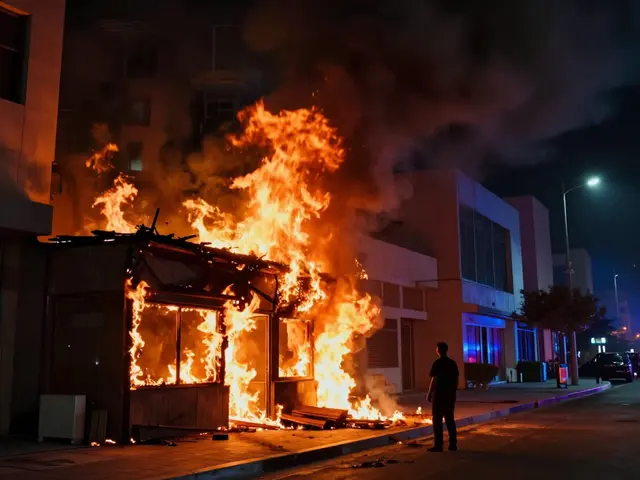
You walk into a charred living room. The air smells like wet ash and something else-something sharp, chemical, and out of place. To the untrained eye, it’s just smoke damage. To a fire investigator, that smell is a clue. But clues aren’t evidence. You can’t convict someone based on a nose twitch. That’s where chemical analysis comes in. It’s the bridge between suspicion and proof, turning a hunch about an arson case into hard data.
If you’re studying forensics, working in law enforcement, or just love true crime documentaries, you’ve probably heard terms like "gas chromatography" thrown around as if they’re magic spells. They aren’t. They’re precise, messy, and incredibly powerful tools used to detect accelerants-substances added to fuel to make a fire burn hotter, faster, or spread more easily. This article breaks down exactly how labs find these invisible fingerprints in the ashes.
What Counts as an Accelerant?
Before we talk about testing, we need to define what we’re looking for. An accelerant is not just any flammable liquid. It’s a substance introduced to initiate or spread a fire beyond its natural boundaries. Common examples include gasoline, kerosene, diesel, lighter fluid, paint thinner, and turpentine. Even alcohols like ethanol can be accelerants, though they burn cleanly and leave fewer residues.
Why does this distinction matter? Because fires naturally produce volatile organic compounds (VOCs) when materials like wood, plastic, and carpet burn. If a lab finds benzene in a sample, that doesn’t automatically mean someone poured gasoline. Benzene is also produced when polyurethane foam burns. The job of the chemist is to distinguish between combustion products and introduced fuels.
| Substance Type | Examples | Key Detection Challenge |
|---|---|---|
| Petroleum Distillates | Gasoline, Diesel, Kerosene | Must separate from background VOCs generated by burning plastics. |
| Oils & Solvents | Turpentine, Paint Thinner | Often mixed with other household chemicals; requires high sensitivity. |
| Alcohols | Ethanol, Methanol | Highly volatile; evaporate quickly, making collection difficult. |
| Natural Products | Linseed Oil, Wood Oils | Can auto-ignite; must prove they were applied externally, not part of the structure. |
The Collection Phase: Catching Ghosts in the Smoke
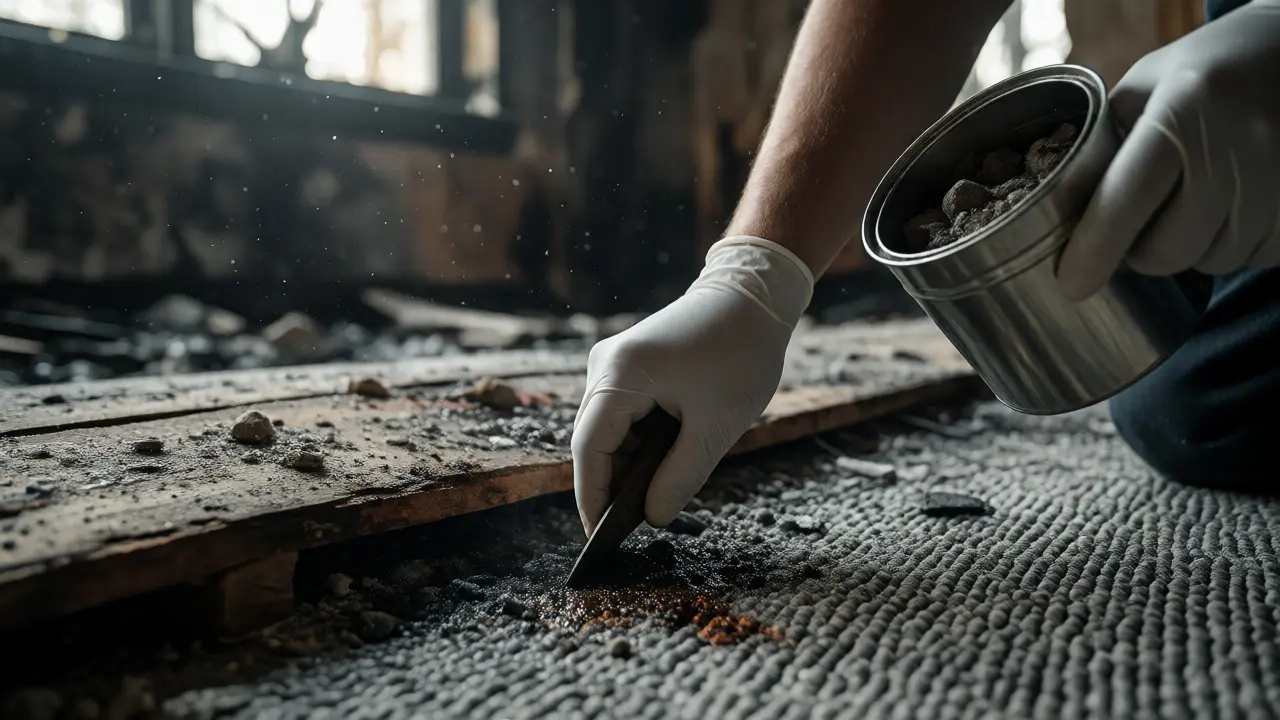
Testing starts long before the sample hits the lab bench. It starts at the fire scene. Accelerants are volatile, meaning they evaporate easily. By the time firefighters knock down the blaze and investigators arrive, much of the original fuel has already dissipated into the atmosphere. What remains is often trapped deep within porous materials like concrete floors, wooden beams, or layers of carpet padding.
Investigators use specific protocols to capture these remnants:
- Control Samples: Investigators always collect samples from areas far away from the fire’s origin. These "clean" samples help establish a baseline. If a control sample contains no gasoline, but the origin sample does, the likelihood of an accelerant increases significantly.
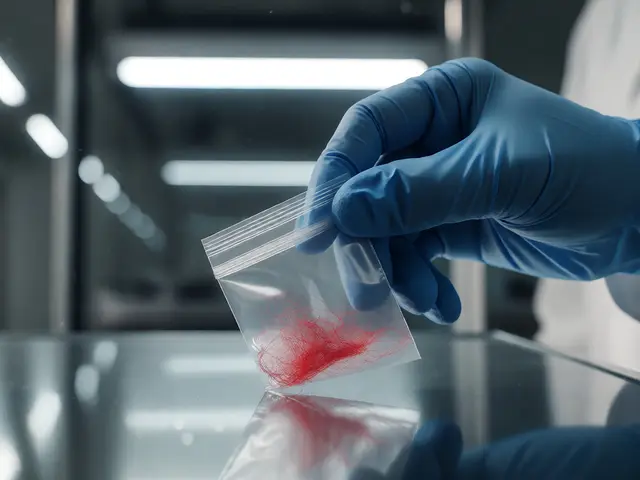
- Airtight Containers: Samples go into clean, metal cans with tight-fitting lids (often called "paint cans") or glass jars lined with Teflon. Plastic bags are a big no-no because many plastics absorb hydrocarbons, sucking up the very evidence you’re trying to save.
- Layered Sampling: If a floorboard is burned, investigators might take samples from the top, middle, and bottom layers. Accelerants tend to seep downward through cracks and seams, pooling in subfloors or under carpets.
Timing is critical. In Portland, where rain is common, outdoor scenes can wash away surface residues quickly. Indoor scenes preserve them better, but ventilation systems can blow vapors out of the building. Every hour counts.
Extraction: Getting the Fuel Out of the Debris
Once the sample arrives at the laboratory, the first hurdle is getting the suspected accelerant out of the solid debris. You can’t just stick a piece of charred wood into a machine. The contaminants need to be isolated. There are two main methods used in modern forensic labs:
Passive Headspace Extraction
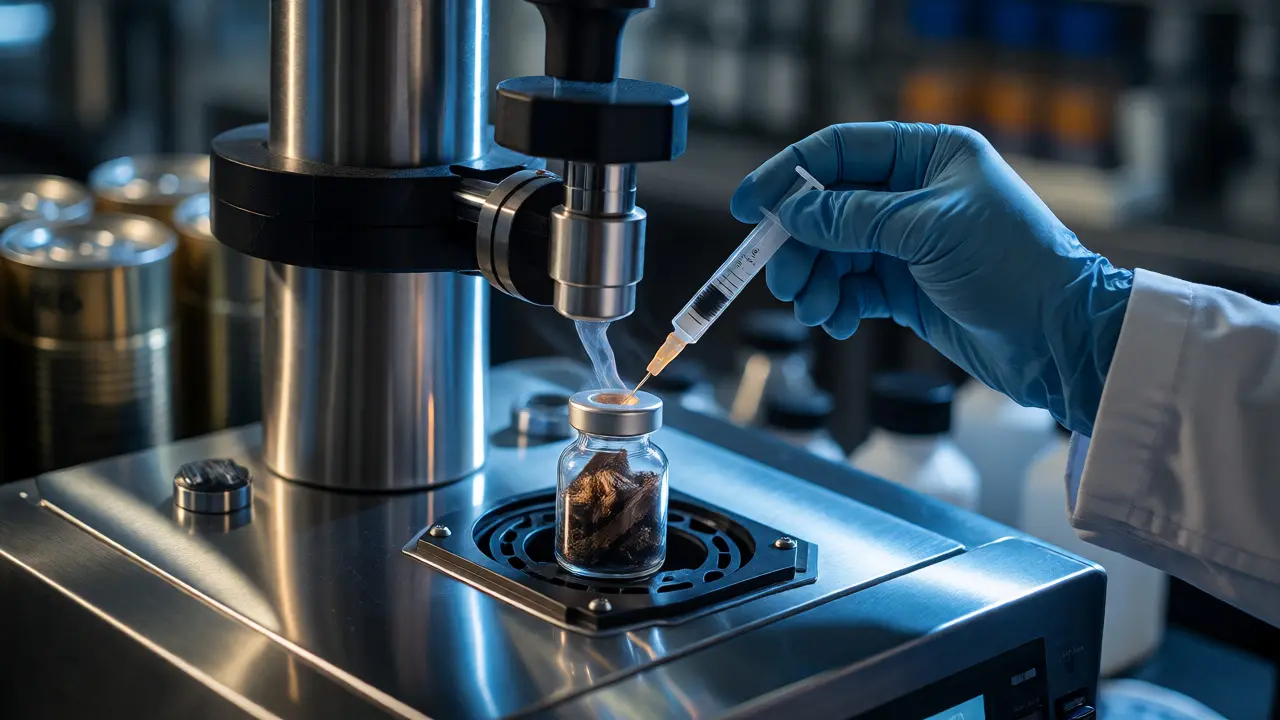
This is the most common method today. You place the debris sample into a sealed vial. Then, you heat the vial gently. As the temperature rises, volatile compounds evaporate from the debris and fill the empty space (the "headspace") above the sample. A needle attached to a syringe pierces the vial’s septum and pulls a small amount of this vapor-rich air into the analysis instrument. It’s non-destructive, fast, and keeps the sample intact for re-testing if needed.
Solvent Extraction
For heavier oils or when headspace yields poor results, technicians soak the debris in a solvent like pentane or hexane. The solvent dissolves the oily residues. After filtering out the solids, the solvent is concentrated by evaporation, leaving behind a crude oil mixture ready for injection into the analyzer. This method is more invasive and consumes the sample, so it’s usually a backup plan.
The Gold Standard: Gas Chromatography-Mass Spectrometry (GC-MS)
Here is where the real science happens. Gas Chromatography-Mass Spectrometry (GC-MS) is the industry standard for identifying accelerants. Think of it as a highly sophisticated sorting machine combined with a fingerprint scanner.
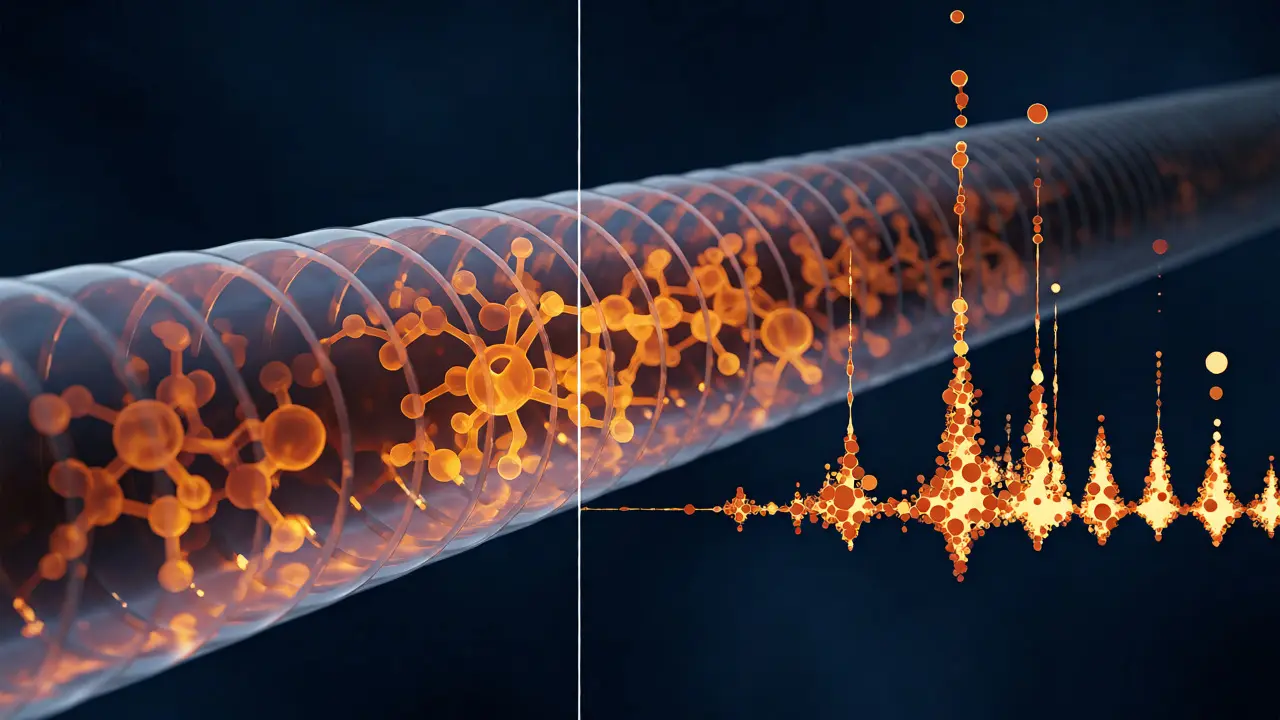
Step 1: Separation (The "GC" Part) Inside the Gas Chromatograph, the extracted vapor is injected into a heated column-a long, thin tube coiled inside an oven. A carrier gas (like helium) pushes the vapor through the column. Different molecules move at different speeds depending on their size, weight, and interaction with the column’s coating. Lighter, simpler molecules exit first; heavier, complex ones take longer. This separates the mixture into individual components over time.
Step 2: Identification (The "MS" Part) As each separated component exits the column, it enters the Mass Spectrometer. Here, the molecules are blasted with electrons, breaking them into charged fragments. The machine measures the mass-to-charge ratio of these fragments. Since every compound breaks apart in a unique pattern, the MS creates a "spectral fingerprint." The computer compares this fingerprint against a library of thousands of known substances.
If the computer matches your sample’s fingerprint to the database entry for "Unleaded Gasoline," you have a positive identification. But here’s the catch: fire alters chemistry. High heat breaks down complex molecules. So, instead of finding pure gasoline, you might find a degraded mix of C5-C10 hydrocarbons. Experienced analysts look for characteristic patterns, such as the presence of specific branched-chain alkanes or aromatics like toluene and xylene, which survive combustion better than others.
Interpreting Results: The Art of Probability
A GC-MS printout isn’t a simple "Yes/No" answer. It’s a probability assessment. Analysts classify results into categories:
- Positive: The spectrum matches a known accelerant with high confidence. Specific peaks align perfectly with reference standards.
- Probable: The profile resembles an accelerant, but some key peaks are missing due to degradation, or there are minor interferences. Further testing might be required.
- Inconclusive: The background noise from combustion products is too high to distinguish the accelerant. This often happens in severe fires where everything was incinerated.
- Negative: No accelerant detected. However, this doesn’t prove absence-it only proves absence in that specific sample. If the wrong spot was sampled, the result could be misleading.
Context is king. A negative lab result won’t stop an investigation if the physical evidence (pour patterns, charring depth) strongly suggests arson. Conversely, a positive result needs corroboration. Did the homeowner store gasoline in the basement? Was there a recent renovation involving solvents? Chemical analysis provides the tool, but human judgment drives the conclusion.
Challenges and Limitations
No technology is perfect. Here are the biggest hurdles forensic chemists face:
Background Interference: Modern homes are full of synthetic materials. Polyurethane foam, vinyl flooring, and treated lumber release hundreds of VOCs when burned. Distinguishing gasoline from a cocktail of melted plastics requires expert interpretation. Automated software can sometimes flag false positives if it relies solely on peak matching without considering retention times.
Degradation: Time kills evidence. Alcohol-based accelerants vanish within hours. Petrol-based ones last longer but still degrade. A sample collected three days after a fire will yield different results than one collected immediately. Labs must account for aging effects in their models.
Cross-Contamination: One dirty scoop or one improperly cleaned tool can ruin a batch. If an investigator uses the same shovel to dig through a car engine bay and then a fire scene, trace amounts of motor oil could contaminate the sample. Strict chain-of-custody and cleaning protocols are non-negotiable.
Beyond the Lab: Legal Implications
Chemical analysis holds up in court, but it’s subject to rigorous scrutiny. Defense attorneys often challenge the methodology. They might ask: "Was the equipment calibrated?" "Who handled the sample?" "Could the fire itself have created these compounds?"
To withstand cross-examination, reports must be detailed. They should include:
- The exact location of sample collection.
- The extraction method used.
- The instrument settings and calibration dates.
- A comparison of the suspect sample’s spectrum against both a reference standard and a control sample.
Juries don’t need to understand how a mass spectrometer works, but they do need to trust the process. Clear, jargon-free explanations from expert witnesses turn complex data into compelling stories.
Future Trends: Sniffing Robots and AI
The field is evolving. Electronic noses (e-noses) using arrays of sensors are being tested for rapid field screening. While not yet reliable enough for conviction-level evidence, they can guide investigators to hotspots during initial searches. Meanwhile, machine learning algorithms are improving spectral interpretation, helping analysts spot subtle patterns that human eyes might miss in noisy data.
However, automation hasn’t replaced the scientist. The nuance of distinguishing a deliberate pour from accidental spillage still requires human insight. Chemistry gives us the facts; context gives us the truth.
How long does it take to get results from a fire debris test?
Typically, turnaround time ranges from 24 hours to several weeks, depending on the lab's backlog and the complexity of the case. Simple cases with clear positive results can be processed in a day, while inconclusive samples requiring multiple extraction methods may take longer. During major disasters or busy seasons, delays can extend to months.
Can water damage destroy evidence of accelerants?
Water can dilute and wash away surface residues, especially on smooth surfaces like tile or concrete. However, accelerants are hydrophobic (they repel water). If gasoline soaked into porous wood or fabric, water runoff might actually push it deeper rather than washing it away entirely. Investigators specifically target protected areas under debris or in subfloors where water couldn't reach.
Is a negative test result proof that no arson occurred?
No. A negative result only means no accelerant was found in the specific samples tested. Arson can occur with accelerants that evaporate completely (like alcohol), or the sampling team might have missed the primary ignition point. Physical evidence, such as V-patterns on walls or multiple points of origin, often carries more weight in court than a single negative lab report.
Why do investigators use metal cans instead of plastic bags for samples?
Many plastics contain additives that off-gas volatile organic compounds, which can interfere with GC-MS readings. Additionally, some plastics can absorb hydrocarbons from the sample, effectively removing the evidence. Metal cans with inert linings (like Teflon) prevent absorption and contamination, preserving the integrity of the volatile compounds.
What is the difference between an accelerant and an oxidizer?
An accelerant is a fuel that helps start or spread a fire (like gasoline). An oxidizer supplies oxygen to support combustion (like potassium nitrate in fireworks). While both affect fire behavior, chemical tests for accelerants focus on detecting carbon-based fuels. Oxidizers require different analytical techniques, such as ion chromatography, and are less common in residential arson cases.