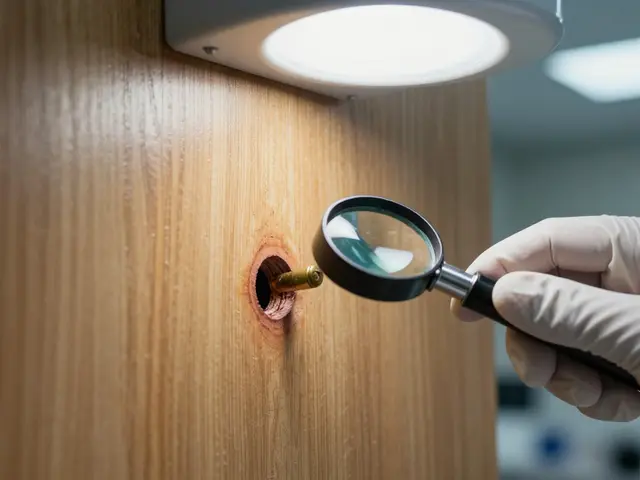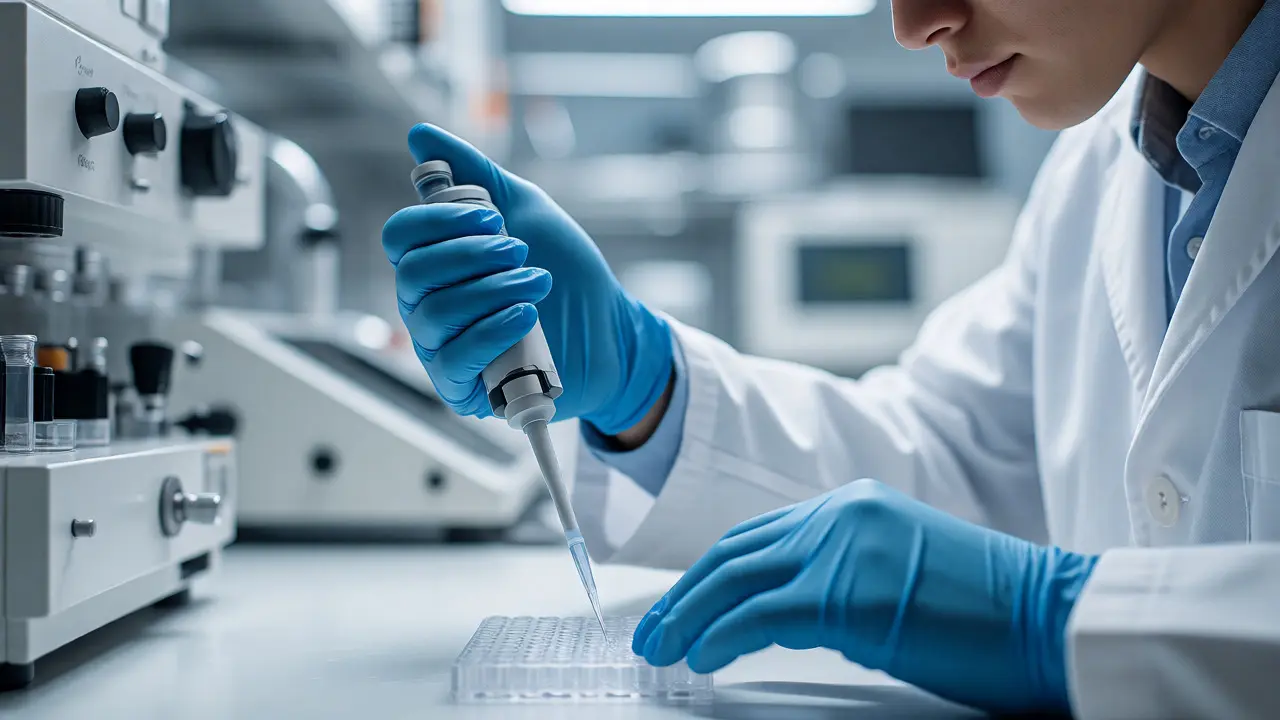
You watch Criminal Minds or Bones, and it looks like the job is all about dramatic reveals in a dimly lit lab. But if you want to work as a Crime Scene Investigator (CSI) or a forensic scientist in the real world, the path isn't just "watch TV and apply." It’s heavy on hard science. Specifically, you need a bachelor's degree. Not just any degree, though. The wrong major can land your resume in the trash before you even get an interview.
Here is the blunt truth: most agencies do not hire "Criminology" majors for bench-level forensic roles. They hire chemists, biologists, and physicists who happen to know how to handle evidence. If you are planning your four years of college, you need to build a foundation that proves you can run a gas chromatograph, not just discuss criminal motives. This guide breaks down exactly what classes you need, which majors actually get you hired, and how to avoid the trap of becoming a generalist with no marketable technical skills.
The Core Rule: Hard Sciences Over Social Sciences
Let’s clear up the biggest misconception right now. A degree in Criminal Justice or Criminology is great for police officers, detectives, or probation officers. It is rarely sufficient for a forensic scientist role at a state crime lab. Why? Because forensic science is applied science. When you analyze DNA, you are using molecular biology. When you identify drugs, you are using organic chemistry. When you match bullet fragments, you are using physics and metallurgy.
Forensic Science is the application of scientific methods and techniques to matters of criminal justice especially as relating to the collection, examination, and analysis of physical evidence. Unlike social sciences, it requires rigorous laboratory training.
Most hiring managers look for candidates with degrees in:
- Chemistry: The gold standard for drug analysis, toxicology, and trace evidence.
- Biology: Essential for serology (blood/body fluids), DNA analysis, and entomology.
- Physics: Critical for ballistics, fire debris analysis, and accident reconstruction.
- Geology: Specific niche for soil and pollen analysis (palynology).
If you major in Forensic Science, check the curriculum carefully. Does it require three semesters of organic chemistry? Or is it mostly sociology and law? If it lacks deep lab hours in a natural science, you might struggle to compete against a pure Chemistry or Biology graduate.
Mandatory Coursework: What You Must Take
Regardless of your specific major, certain classes are non-negotiable. These courses prove you understand the tools of the trade. If you skip them, you will be unqualified for entry-level positions.
1. General and Organic Chemistry
You cannot analyze unknown substances without understanding chemical reactions. Expect to take General Chemistry I and II, followed by Organic Chemistry I and II. Labs are mandatory here. You need to learn titration, distillation, and chromatography basics. In a real lab, you will spend hours calibrating instruments that rely on these principles.
2. Molecular Biology and Genetics
DNA profiling is the backbone of modern forensics. You need to understand PCR (Polymerase Chain Reaction), gel electrophoresis, and STR (Short Tandem Repeat) analysis. A basic biology degree often covers this, but a dedicated genetics course is better. You must understand how contamination happens and how to prevent it.
3. Statistics
This is the sleeper hit requirement. Forensic results are probabilistic. You don’t say, "This bullet definitely came from this gun." You say, "There is a 99% probability this bullet matches the reference sample." You need to calculate confidence intervals and interpret p-values. Many science majors hate stats, but in forensics, it is how you testify in court.
4. Instrumental Analysis
This is where theory meets reality. You need hands-on experience with GC-MS (Gas Chromatography-Mass Spectrometry), HPLC (High-Performance Liquid Chromatography), and FTIR (Fourier Transform Infrared Spectroscopy). If your university offers a dedicated "Instrumental Analysis" lab course, take it. If not, seek out research assistantships where you can operate these machines.
Choosing Your Major: Strategic Decisions
Your choice of major dictates your career trajectory. Here is how different paths play out in the job market.
| Major | Best For | Key Skills Gained | Hiring Potential |
|---|---|---|---|
| Chemistry | Toxicology, Drug Chem, Trace Evidence | Analytical precision, instrument calibration, chemical safety | High (Most versatile) |
| Biology | DNA, Serology, Entomology | Microscopy, pipetting, genetic sequencing, bio-safety | High (Specialized) |
| Forensic Science | Generalist Roles, Crime Scene Response | Evidence handling, chain of custody, legal procedures | Medium (Check accreditation) |
| Criminal Justice | Police, Detective, Admin | Law, procedure, report writing | Low (For lab bench roles) |
A note on Forensic Science programs: Look for those accredited by the FEPAC (Forensic Education Programs Accreditation Consortium). FEPAC standards ensure the program includes enough science credits. Without this accreditation, some federal agencies may question your qualifications.
The Hidden Requirement: Internships and Research
A GPA of 3.5 means nothing if you have never touched a piece of evidence. Employers want proof of practical experience. You need to get into a lab before you graduate.
Start looking for opportunities in your sophomore year. Contact professors in the Chemistry or Biology departments and ask to join their research teams. You might spend two years washing glassware and running blank samples. That is fine. You are learning lab etiquette, documentation standards, and error analysis.
Then, secure an internship. Ideally, aim for a state crime lab or a local police department’s evidence unit. These spots are competitive. To stand out:
- Tailor your resume: Highlight lab skills (e.g., "Proficient in GC-MS operation") rather than generic duties.
- Network early: Attend American Academy of Forensic Sciences (AAFS) student conferences.
- Be flexible: If a paid internship isn’t available, volunteer. Unpaid experience in a real lab beats paid experience in a retail store every time.
Specializations: Where Do You Want to Work?
Not all CSIs wear white coats. Some wear boots and coveralls. Your degree should align with your desired environment.
Laboratory Scientists
These folks stay inside. They analyze drugs, blood, hair, and fibers. They need strong analytical chemistry or biology backgrounds. They value precision, patience, and meticulous record-keeping. If you hate being interrupted while working, this is your lane.
Crime Scene Investigators (CSIs)
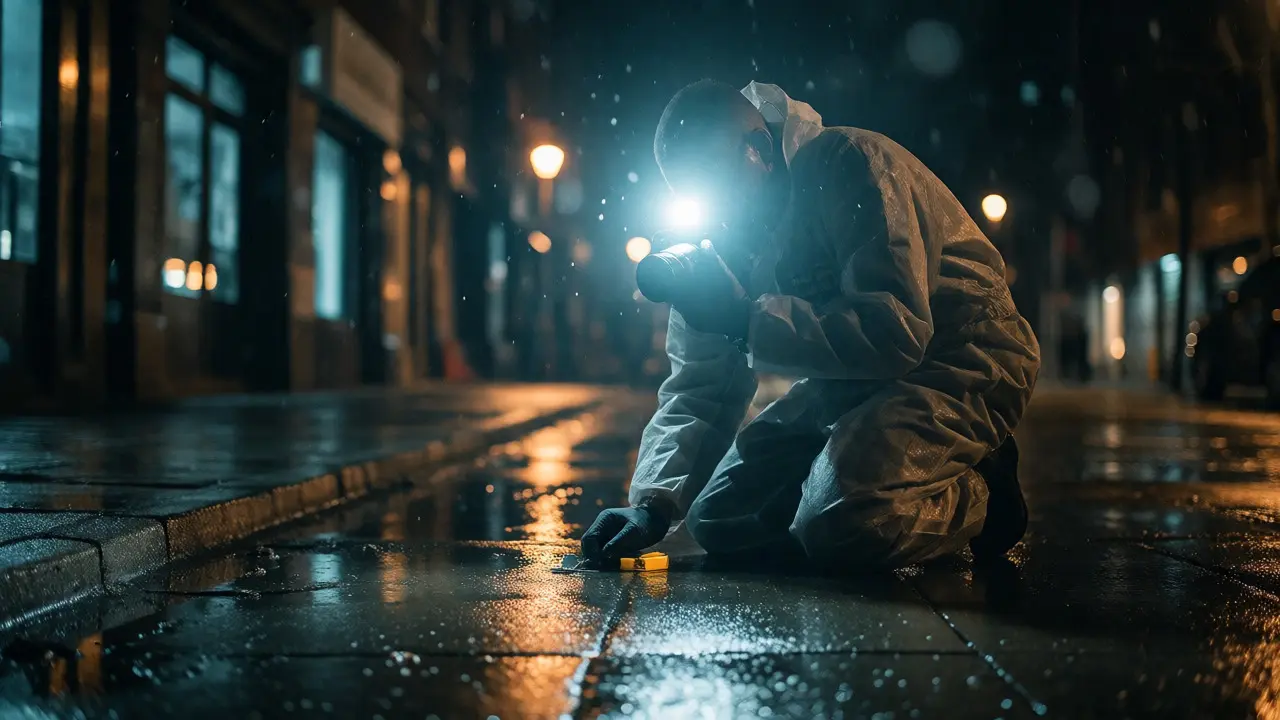
These individuals go to the scene. They photograph, sketch, and collect evidence. While many CSIs come from law enforcement backgrounds, civilian CSIs increasingly hold science degrees. You need physical stamina, attention to detail, and the ability to work under pressure. Courses in photography and criminal procedure are helpful additions here.
Medical Examiners’ Office
Working in a morgue requires comfort with death and decomposition. Biology or Zoology majors fit well here. You assist pathologists during autopsies, collecting tissue samples and documenting injuries. Emotional resilience is a key attribute here, alongside biological knowledge.
Accreditation and Program Quality Checks
Before you pay tuition, vet the program. Ask these questions:
- Does the program offer access to modern instrumentation (GC-MS, LC-MS, DNA sequencers)?
- Are faculty members active researchers or former practitioners?
- What is the job placement rate for graduates in forensic labs specifically?
- Does the curriculum include a capstone project involving real case studies?
Avoid programs that treat forensics as a hobby track. If the majority of classes are "Introduction to Policing" or "Juvenile Delinquency," you are getting a liberal arts degree, not a professional forensic qualification.
Next Steps After Graduation
Getting the degree is step one. Step two is certification. Many states require CSIs to be certified by the International Association for Identification (IAI). Preparing for this exam requires studying specific protocols and laws. Some employers pay for this certification; others expect you to have it upon hire.
Also, consider graduate school. While a bachelor’s gets you in the door, a Master’s degree can accelerate your promotion to supervisory roles or allow you to specialize in complex fields like digital forensics or forensic anthropology. However, do not rush into a Master’s unless you have identified a gap in your undergraduate training.
Frequently Asked Questions
Can I become a CSI with a Criminal Justice degree?
It depends on the agency. Police departments often hire sworn officers as CSIs, so a CJ degree works there. However, civilian forensic scientists working in independent crime labs usually require a hard science degree (Chemistry, Biology, Physics). A CJ degree alone limits your options significantly.
How long does it take to get a bachelor's degree for forensics?
Standard timeline is four years. However, if you double major in Chemistry and Forensic Science, or add minors in statistics and photography, it might take five years. Part-time study extends this further. Plan for internships during summers, which adds to the total time investment.
Do I need a master's degree to start working?
No. Most entry-level technician and analyst positions accept a bachelor's degree. A master's degree is typically required for senior analysts, supervisors, or specialized roles like forensic anthropology. Starting with a bachelor's allows you to gain paid experience sooner.
What is the best minor for a forensic science major?
Statistics is highly valuable because it helps you interpret data and testify accurately. Computer Science is also excellent due to the rise of digital forensics. Psychology can help with understanding witness behavior, but it is less critical than quantitative skills.
Are online bachelor's degrees acceptable for forensic careers?
Generally, no. Forensic science requires hands-on laboratory experience. Online programs often lack sufficient lab components. If you pursue an online degree, ensure it has a robust residency component where you perform actual experiments in a physical lab. Otherwise, employers may doubt your practical skills.