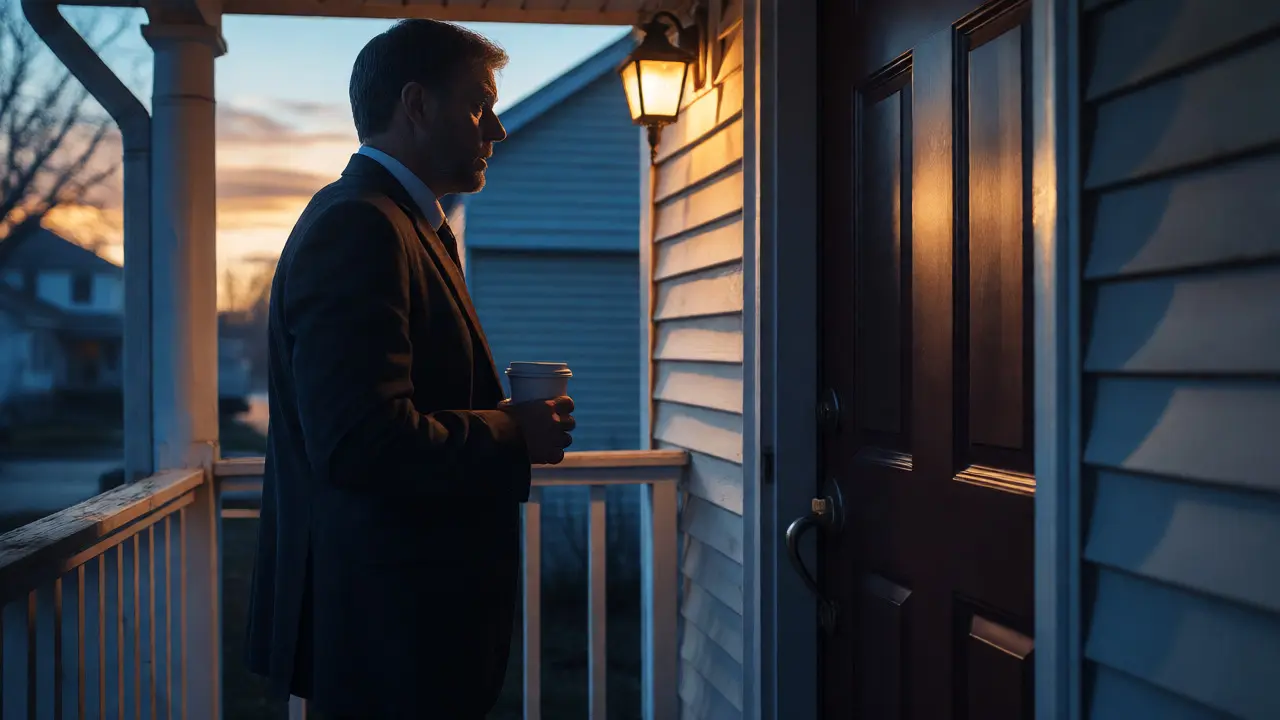
You’re standing on a porch at 6:00 AM. The coffee is cold, the adrenaline is high, and you have three hours before your suspect’s lawyer gets there. You know who did it, but you don’t have enough for an arrest warrant yet. This is the classic knock and talk scenario. It sounds simple-knock, ask questions, leave-but in homicide inquiries, it’s a high-stakes chess match where one wrong move can let a killer walk free.
Most detectives treat knock and talks as low-risk information gathering. That’s a mistake. In murder cases, the stakes are life and death, literally. If you fumble the initial contact, you might lose access to the scene, miss critical physical evidence, or trigger a defensive reaction that hardens the suspect’s story. This guide breaks down how to run these interactions with precision, balancing legal constraints with investigative necessity.
Why Knock and Talks Matter in Murder Cases
A knock and talk is a consensual encounter between police and citizens at their home. Unlike a search warrant, which requires probable cause and judicial approval, this tactic relies on the Fourth Amendment’s allowance for officers to approach a door like any other visitor. But in homicide work, it serves specific purposes beyond just chatting.
First, it establishes presence. Showing up early signals to the family and neighbors that the police are active. Second, it allows for observation. You can smell alcohol, see bloodstains through a window, or notice if someone is trying to clean up a mess. Third, it opens dialogue. Suspects often confess or slip up when they feel they have control over the interaction. If you wait for a warrant, you give them time to consult attorneys and craft a perfect alibi.
| Feature | Knock and Talk | Search Warrant |
|---|---|---|
| Legal Standard | Reasonable suspicion or none (consensual) | Probable cause + Oath |
| Speed | Immediate (minutes) | Slow (hours/days) |
| Evidence Access | Plain view only; consent required for entry | Full scope defined by warrant |
| Risk | Suspect may deny consent or lie | Delay allows evidence destruction |
| Best For | Early interviews, witness location, quick checks | Seizing weapons, phones, forensic samples |
Preparation Before You Knock
Never go into a homicide knock and talk blind. The difference between a successful interview and a wasted trip is preparation. Start by building a profile of the target. Who lives there? Are there children present? Do they have a history of violence or mental health issues? In Portland, we’ve seen cases where ignoring domestic violence history turned a routine inquiry into a standoff.
- Review the Scene: Look at satellite imagery. Know the exits, the lighting conditions, and potential hiding spots for weapons.
- Check Prior Contacts: Did this person call 911? Was there a previous domestic dispute report? These details shape your tone.
- Select Your Team: One detective is often better than two for rapport, but two provide safety and witness testimony. In high-risk homicide cases, always bring backup within visual range but out of earshot.
- Prepare Open-Ended Questions: Avoid yes/no traps. Ask "Tell me about last night" instead of "Were you home?"
Timing is critical. Early morning knocks (7-9 AM) catch people off guard and tired. Late-night visits can seem aggressive and invite complaints. Mid-day works for witnesses who are more likely to be cooperative and sober.
Executing the Approach: Body Language and Tone
Your first ten seconds determine the outcome. Stand slightly to the side of the door, not directly in front of it. This reduces perceived threat and protects you from sudden openings. Keep hands visible. Smile, but keep it professional. When the door opens, identify yourself clearly: "Hi, I’m Detective Smith with the Portland Police Bureau. We’re investigating a crime nearby and wanted to speak with [Name]."
Notice the shift in language. You didn’t say "We think you killed someone." You said "investigating a crime." This lowers defenses. If the suspect asks why you’re there, stick to the truth but withhold specifics until you gauge their reaction. Lying about your purpose can destroy credibility later in court.
Watch for non-verbal cues. Are they blocking the doorway with their body? Is their hand behind their back? Are they sweating despite cool weather? These signs indicate stress or concealment. If they try to close the door while talking, gently place your foot against the bottom rail-not aggressively, but firmly-to keep the conversation open. This subtle action prevents them from shutting you out without escalating tension.
Navigating Consent and Legal Boundaries
The biggest pitfall in homicide knock and talks is assuming you have the right to enter. You don’t. Unless you have a warrant or exigent circumstances (like hearing screams), you need voluntary consent. Once inside, you’re limited to what’s in plain view. If you see a bloody shirt on a chair, you can note it. You can’t pick it up unless they agree.
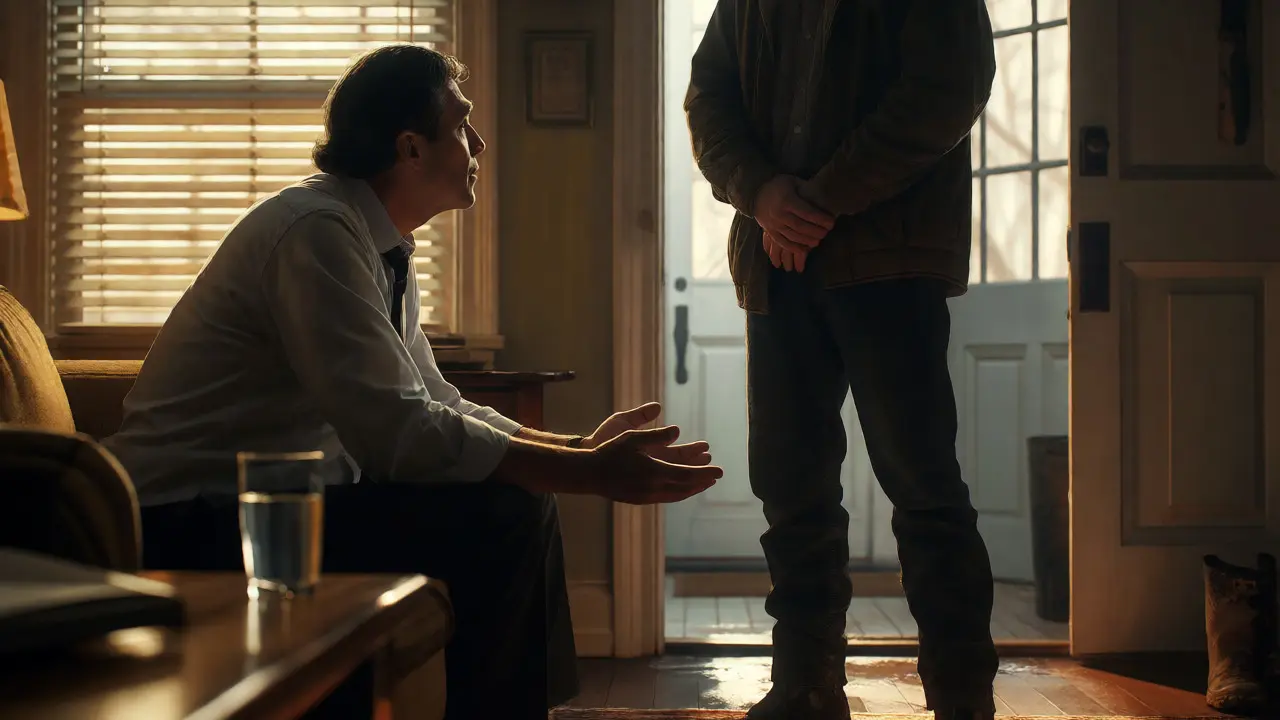
Here’s where experience matters. Many suspects will offer partial consent. They might let you sit in the living room but refuse entry to the bedroom. Respect that boundary immediately. Pushing too hard makes you look desperate and gives their attorney ammunition later. Instead, use the opportunity to build rapport. Offer water. Sit down. Make them comfortable. People talk more when they feel safe.
If they ask if they’re under arrest, answer honestly: "No, you’re free to go." Then add, "But we’d really appreciate your help understanding what happened." This paradoxical freedom often leads to cooperation because the suspect wants to prove their innocence voluntarily.
Post-Interview Actions and Documentation
Don’t just walk away after the conversation ends. Document everything immediately. Write down exact quotes, especially admissions or inconsistencies. Note the time, who was present, and the condition of the house. Did you smell bleach? Was the trash can empty? These small details become crucial evidence if the case goes to trial.
If the interview yields new leads, act fast. If you saw a vehicle matching the suspect’s description parked outside, get the license plate. If they mentioned being at a bar, pull security footage before it’s overwritten. Speed preserves evidence. Delay loses it.
Follow up strategically. Sometimes, a second visit days later, when emotions have cooled, yields different results. Bring a different detective if possible. Fresh eyes hear things differently. Also, consider sending a written summary of the interview to the suspect’s attorney if they retained counsel. Transparency builds trust and can prevent surprises during trial.
Common Mistakes That Cost Cases
I’ve reviewed dozens of homicide files where poor knock and talk execution weakened strong cases. Here are the top errors:
- Talking Too Much: Detectives often fill silence with facts, giving away strategy. Let the suspect do 80% of the talking.
- Ignoring Safety Protocols: Entering a home alone in a violent crime context is risky. Always have cover.
- Failing to Record: Not all jurisdictions allow recording without consent, but check local laws. Oregon allows one-party consent for audio, but video may differ. Knowing this avoids suppression motions.
- Assuming Guilt: Approaching with hostility shuts down communication. Stay neutral.
Another frequent issue is confusing "free to go" with "not important." Ensure the suspect understands that leaving doesn’t end the investigation. Clarify that their cooperation helps clear their name faster.

Case Study: The Portland Alley Incident
In 2024, a body was found in an alley near SE Division Street. Witnesses described a man in a red jacket fleeing the scene. Surveillance was spotty. We identified a suspect via cell tower data but lacked probable cause for a warrant. His address was a duplex with thin walls.
We conducted a knock and talk at 8:30 AM. The suspect answered, visibly hungover. We asked general questions about his evening. He claimed he stayed home. However, we noticed fresh mud on his boots-consistent with the rainy alley terrain. We didn’t confront him. We thanked him, left, and obtained a warrant based on that observation plus additional witness statements. Inside, we found the red jacket stuffed under the bed. Had we pushed harder during the initial talk, he might have hidden it better or lawyered up before we could secure the warrant.
FAQ
Do I need a warrant for a knock and talk?
No. A knock and talk is considered a consensual encounter. Officers can approach any home’s front door like a mail carrier or neighbor. However, you cannot enter without consent, a warrant, or exigent circumstances.
Can a suspect refuse to talk?
Yes. Citizens have the right to remain silent and decline conversation. If they refuse, politely thank them and leave. Pressuring them can make the encounter involuntary, potentially suppressing any statements made.
What if the suspect lies during a knock and talk?
Lying to police isn’t always a crime, depending on jurisdiction. However, inconsistencies are valuable. Use them to challenge their credibility later. Don’t accuse them of lying on the spot; save contradictions for cross-examination or formal interviews.
How long should a knock and talk last?
Keep it short-10 to 15 minutes max. Longer stays increase anxiety and risk of legal challenges. The goal is observation and initial rapport, not a full interrogation. Save detailed questioning for a controlled environment.
Can officers search the house during a knock and talk?
Only if invited in by the resident. Even then, the search is limited to areas where the object of the search could reasonably be located. You can’t rummage through drawers unless consent explicitly covers it.
Final Thoughts for Investigators
Knock and talks aren’t just procedural steps-they’re tactical opportunities. In homicide work, every minute counts. Mastering this technique means knowing when to push, when to retreat, and when to listen. It requires humility, patience, and sharp observational skills. Treat each doorstep as a negotiation. Win the moment, and you win the case.