
Murder cases are rarely solved by a single piece of evidence. In the messy, high-stakes world of homicide investigations, human intelligence often bridges the gap between a dead body and a conviction. This is where informant management becomes critical. It is not just about getting tips; it is a structured, legally scrutinized process of recruiting, controlling, and protecting sources who provide information that helps identify suspects and build probable cause.
When you are dealing with organized crime or gang-related killings, traditional surveillance often hits a wall. You need someone inside the network. But using these sources carries immense risk-both to the source’s life and to the integrity of the prosecution. If handled poorly, an informant can lead a detective down a rabbit hole, fabricate evidence, or even become a victim themselves. Getting this right requires more than gut instinct; it demands strict adherence to policy, rigorous documentation, and constant risk assessment.
The Anatomy of a Homicide Informant
Not all sources are created equal. The United Nations Office on Drugs and Crime (UNODC) classifies informants into four main types, but in murder investigations, two categories dominate. First, you have members of organized criminal groups. These individuals report on accomplices or rival factions, often providing the "who ordered it" detail that forensics cannot. Second, you have undercover police officers acting as de facto informants when they transmit intelligence about planned killings.
Understanding why someone talks is just as important as what they say. Law enforcement literature identifies five core motivations: fear, revenge, money, repentance, and altruism. In a homicide context, a witness might cooperate out of fear of being the next target. A family member might seek revenge for a loved one. An offender might trade information for a lighter sentence. Recognizing these drivers helps detectives manage expectations and assess reliability. If a source is motivated purely by financial gain without corroboration, their testimony becomes fragile under cross-examination.
What are the primary motivations for informants in murder cases?
The five primary motivations are fear, revenge, money, repentance, and altruism. Fear involves avoiding becoming the next target. Revenge seeks justice for a victim. Money involves financial compensation. Repentance comes from guilt over a killing. Altruism is a desire to help the community or police.
Documentation: The Backbone of Prosecution
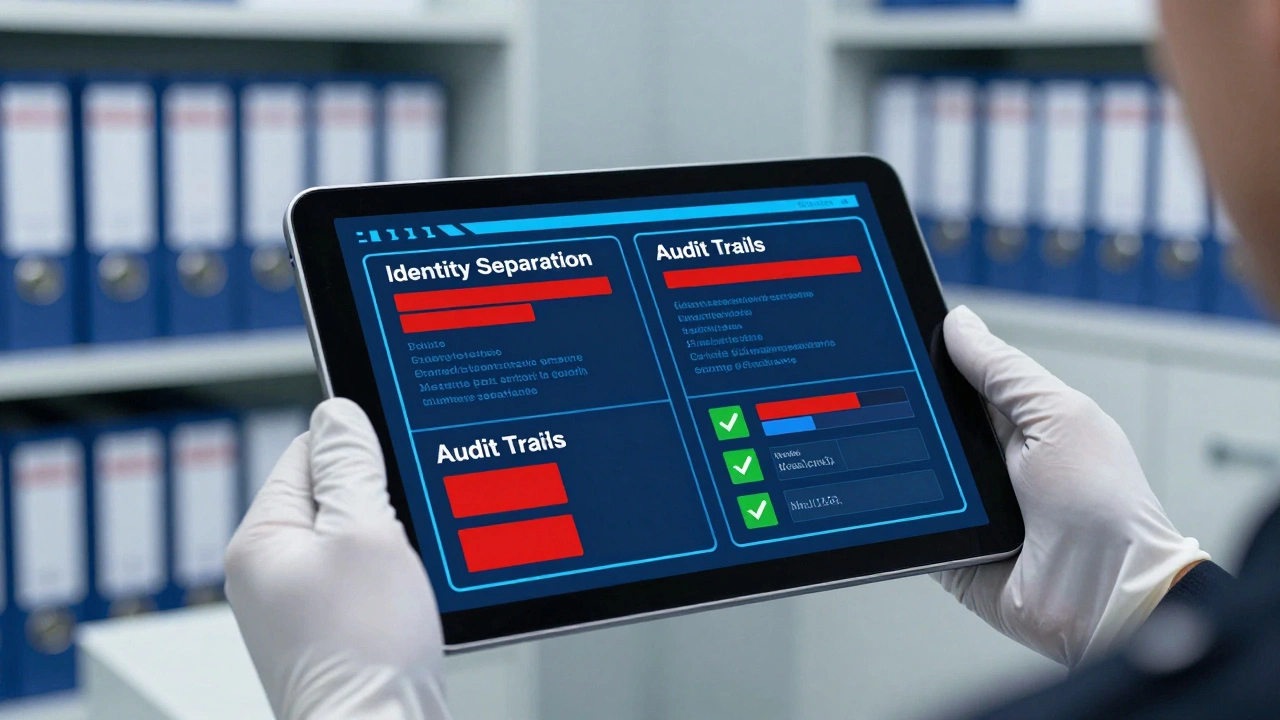
In the past, informant management relied heavily on paper files and memory. Today, best practices demand digital systems with strict access controls. Vendors like Case Closed Software emphasize that treating confidential informants (CIs) as ordinary contacts in generic case-management systems introduces avoidable risk. Sensitive identity data must be separated from operational notes.
Accurate documentation is essential for withstanding judicial scrutiny. Every contact, meeting, and tasking must be logged. This includes reliability assessments, credibility checks, and a clear articulation of how information was obtained. When a homicide informant testifies, defense counsel will aggressively challenge whether their testimony is motivated by undisclosed benefits. Auditable ledgers allow prosecutors to disclose and explain compensation transparently, preserving the case’s integrity.
- Contact Logs: Detailed records of every interaction, including date, time, location, and participants.
- Reliability Assessments: Periodic evaluations of the informant’s truthfulness and accuracy.
- Tasking Records: Clear instructions given to the informant and specific objectives sought.
- Payment Ledgers: Financial records linked explicitly to investigative purposes, separate from operational notes.
The Department of Justice Office of the Inspector General’s 2005 report on the FBI’s use of confidential informants highlighted how incomplete documentation increased the risk of misuse. In serious cases, including violent crime, poor record-keeping can compromise prosecutorial review and lead to civil liability for agents.
Risk Management and Access Control
Informants in murder investigations face heightened risks of retaliation. Consequently, access control is a cornerstone of effective management. Role-based permissions ensure that only those who absolutely need to know an informant’s identity have access to it. Supervisory visibility allows managers to review activities without compromising source safety by exposing unnecessary personal details.
Training providers like PLE Training reinforce this through case studies where informants were murdered while under law enforcement watch. These failures underscore the consequences of inadequate exposure control. Compartmentalization is key: operational details must be tightly controlled, and identities protected. Record locking prevents unauthorized changes to CI files, ensuring an unalterable audit trail.
| Component | Description | Purpose |
|---|---|---|
| Role-Based Access | Restricting file access based on job function | Prevent unauthorized exposure of identity |
| Audit Trails | Logging all views and edits to CI files | Ensure accountability and detect tampering |
| Identity Separation | Storing true identity separately from operational alias | Protect source if operational files are breached |
| Risk Assessment | Evaluating criminal history and potential for violence | Determine suitability for continued cooperation |
The Social Dynamics of Investigation
Informant management is not just bureaucratic; it is deeply relational. Research published in the International Journal of Research in Business and Social Science applies social learning theory to the engagement between detectives and informers in murder crime. It argues that repetitive interactions-briefings, debriefings, rewards, and sanctions-teach both parties what kind of information is valued.
This dynamic shapes behavior. Detectives learn to interpret cues and credibility, while informers learn to tailor their reports to meet police expectations. However, this informal norm-building can sometimes undermine official risk-management rules. If a detective prioritizes results over protocol, they may overlook red flags in an informant’s story. Balancing the need for close relationships with the necessity of objective oversight is a constant challenge.
Criminologist Alexandra Natapoff notes that informant-based investigations have become a central feature of American criminal justice, especially in complex violent crime. While indispensable, heavy reliance on informants can distort clearance statistics. A homicide might be cleared by arrest based on informant testimony that later proves unreliable, yet the case remains logged as "cleared." This raises questions about the quality, not just the quantity, of resolutions.
Corroboration: The Gold Standard
Unlike drug investigations, which may rely on long-term infiltrations, homicide cases often depend on retrospective intelligence. Who ordered the hit? Where was the weapon disposed of? Because juries and appellate courts scrutinize informant credibility intensely, corroboration is non-negotiable.
Best practice dictates that CI statements must be corroborated with forensic evidence, independent eyewitnesses, and digital traces such as phone records. Documenting these corroborative steps in the case file is crucial. Without them, a case built solely on a "snitch" testimony is vulnerable to collapse during trial. Defense lawyers frequently highlight wrongful convictions overturned due to fabricated or uncorroborated informant testimony.
- Forensic Match: Does physical evidence (DNA, ballistics) support the informant’s claim?
- Digital Footprint: Do cell tower pings or text messages place the suspect at the scene?
- Independent Witnesses: Are there other victims or bystanders who confirm the timeline?
- Behavioral Consistency: Does the suspect’s post-crime behavior align with the informant’s description?

Policy and Oversight
Federal and local policies govern how informants are registered, evaluated, tasked, and paid. The Attorney General Guidelines, revised in response to scandals involving violent informants, mandate stricter risk assessments for high-risk sources, including those with homicide histories. Agencies must conduct mandatory periodic reviews to determine if the benefits of continuing the relationship outweigh public-safety risks.
Internal evaluation studies show that while homicide cases are numerically rare compared to narcotics or property crimes, they occupy a large share of training and oversight attention. The reputational and legal stakes are disproportionately high. Mismanagement can lead to Bivens civil-rights actions against agents, as seen in cases where improper handling of violent informants resulted in personal liability.
Technology in Informant Management
Specialized software now supports this complex workflow. Platforms like Case Closed Software offer dedicated modules that enforce separation of true and operational identities, role-based access, and audit-logged financial ledgers. These tools integrate with broader case and evidence management systems, ensuring that informant contributions-such as tips leading to a murder weapon-are recorded without exposing identities to all case viewers.
While vendors do not publish list pricing, the market reflects a shift from ad-hoc spreadsheets to secure, compliant systems. Encryption and tamper-evident logs help agencies demonstrate to courts and oversight bodies that informant information was handled consistently and lawfully. For homicide units, this technological backbone is not a luxury; it is a necessity for maintaining case viability.
Conclusion
Informant management in murder case development is a delicate balance of trust, control, and verification. It requires detectives to navigate ethical tensions, legal requirements, and human psychology. By adhering to strict documentation, robust risk management, and relentless corroboration, law enforcement can harness the power of human intelligence to solve homicides while minimizing the inherent dangers. As oversight tightens and technology advances, the standard for managing these vital sources continues to rise, demanding professionalism and precision from every investigator involved.
Why is corroboration essential in homicide informant cases?
Corroboration is essential because informant testimony alone is often viewed with skepticism by juries and courts. Fabricated or biased testimony has led to wrongful convictions. Corroborating with forensic evidence, digital traces, and independent witnesses strengthens the case and ensures reliability.
What are the risks of using violent offenders as informants?
Violent offenders pose significant risks, including the potential to commit further crimes, manipulate investigations, or endanger other informants. They may also fabricate information to secure better deals. Strict supervision and risk assessments are required to mitigate these dangers.
How does technology improve informant management?
Technology improves management by enforcing access controls, creating audit trails, and separating sensitive identity data from operational notes. This reduces the risk of leaks, ensures compliance with policies, and provides transparent records for judicial review.
What is the role of the Attorney General Guidelines?
The Attorney General Guidelines establish federal standards for the use of confidential informants, emphasizing documentation, risk assessment, and supervisory approval. They aim to prevent misuse and ensure that informant practices withstand legal and public scrutiny.
Can informant testimony lead to wrongful convictions?
Yes, if the testimony is uncorroborated or fabricated. Several wrongful convictions have been overturned due to unreliable informant evidence. This highlights the need for rigorous validation and independent evidence support in all cases.