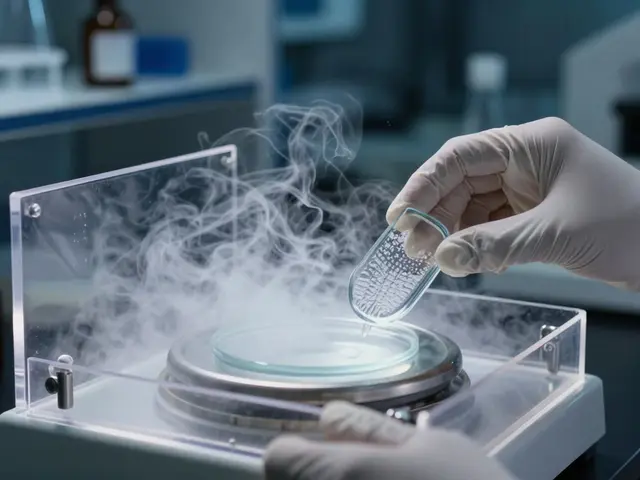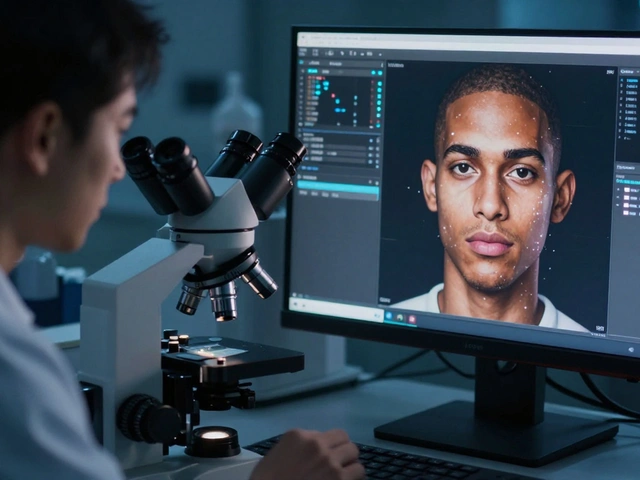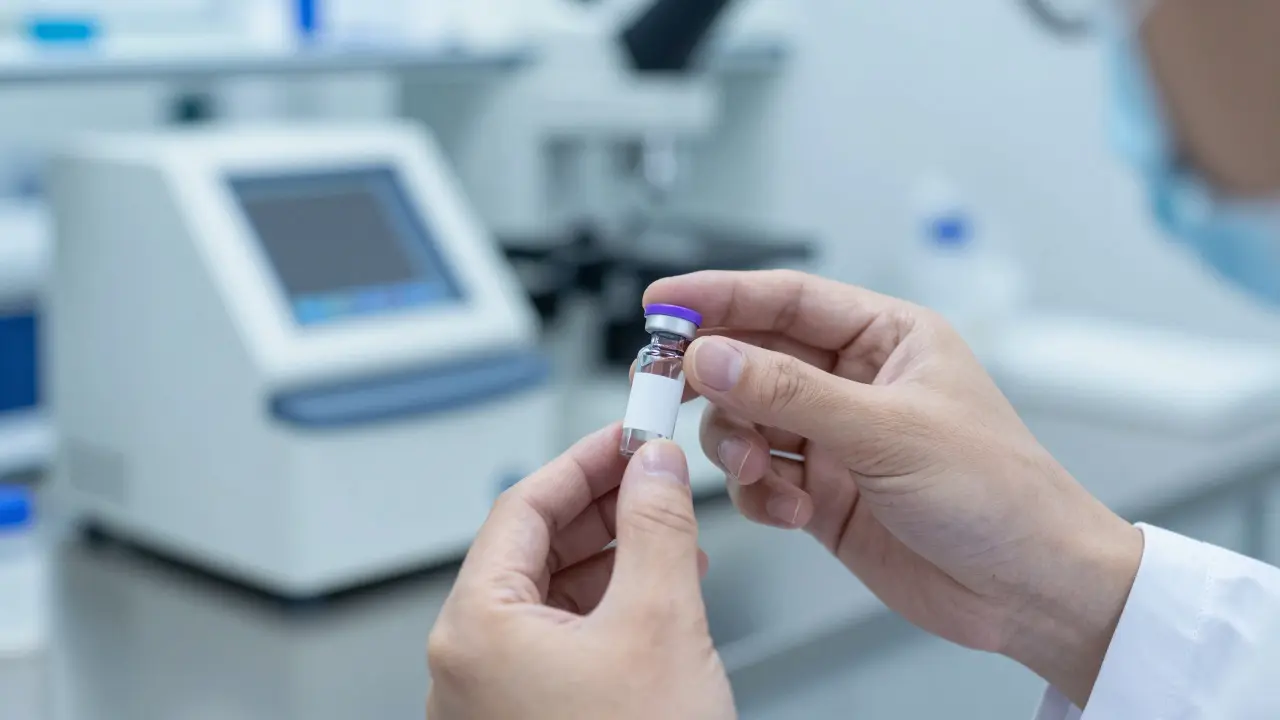
Imagine a jury asking why you trusted the DNA result over the fingerprint. If your report doesn't explain methodology clearly, that question becomes a crisis. In forensic science, the method isn't just a technical detail; it's the backbone of credibility. When you document how you got from raw data to a final conclusion, you're not just filling out a form-you're building a case that withstands cross-examination.
Many reports fail because they assume the reader knows the lab's internal protocols. But judges, attorneys, and juries often don't. They need to see the logic behind the numbers. This guide breaks down how to structure your analysis procedures so they are transparent, reproducible, and persuasive.
Why Clarity in Methodology Matters
The primary job of a forensic report is to communicate findings without ambiguity. However, communication breaks down when the "how" is buried under jargon or omitted entirely. Consider a toxicology case where blood alcohol levels are central. If the report simply states "BAC was 0.15%" without explaining the gas chromatography process used, a defense attorney might argue for contamination or equipment error. By explicitly stating the calibration standards, sample preparation steps, and instrument settings, you preempt these challenges.
Clarity also protects the scientist. If years later a new technique emerges that casts doubt on old results, a detailed methodology section serves as your defense. It shows exactly what you knew and did at the time. This transparency builds trust with the court system, which relies on peer-reviewed and standardized practices like those outlined by the Scientific Working Group on Forensic Serology (SWGFS) or the American Academy of Forensic Sciences (AAFS).
Core Components of an Analysis Procedure Section
A robust methodology section isn't a single paragraph. It’s a structured narrative that guides the reader through the scientific process. Here are the essential elements you must include:
- Sample Identification: Start with the specific item analyzed. Include the exhibit number, description, and condition upon receipt. For example, "Exhibit 4A: A 5ml vial of liquid, sealed with purple cap." This links the procedure directly to the physical evidence.
- Pre-Analysis Checks: Describe any initial observations. Did the sample look normal? Was there visible degradation? Mentioning this early sets the context for potential limitations.
- Step-by-Step Process: Break down the actual testing. Use chronological order. Don't skip "obvious" steps. If you filtered the sample before injection into the mass spectrometer, say so. Omissions are where doubts creep in.
- Instruments and Settings: Name the specific machine model and key parameters. Instead of "used a GC-MS," write "Agilent 7890B Gas Chromatograph coupled with 5977B Mass Selective Detector, using a DB-5ms column." Specificity equals reliability.
- Controls and Standards: Explain how you verified accuracy. Mention positive controls (known samples), negative controls (blank samples), and calibration curves. This proves the method worked correctly for this specific run.
Writing for Reproducibility
Your goal is to allow another qualified analyst to repeat your work and get the same result. This concept, known as reproducibility, is the gold standard in scientific validation. To achieve this, avoid vague language. Words like "approximate," "roughly," or "standard amount" are enemies of clarity.
Instead, use precise metrics. Say "added 2mL of methanol" rather than "added some solvent." If you used a commercial kit, cite the manufacturer and catalog number. If you modified a published protocol, note the deviation and justify it. For instance, if you increased the centrifugation speed due to a cloudy sample, explain why. This level of detail transforms a generic procedure into a specific record of your actions.
| Element | Vague Description (Avoid) | Precise Description (Use) |
|---|---|---|
| Instrument | Used a microscope. | Examined using a Nikon SMZ1500 stereomicroscope at 10x magnification. |
| Reagent | Added acid to dissolve residue. | Dissolved residue using 1M hydrochloric acid (HCl) supplied by Sigma-Aldrich. |
| Time | Waited until clear. | Incubated for 30 minutes at room temperature until solution became visually clear. |
| Result | Positive for drug. | Peak retention time matched reference standard within 0.1 min tolerance. |
Addressing Limitations and Uncertainty
Perfection is rare in forensic science. Sometimes samples are degraded, instruments drift, or results are inconclusive. Hiding these issues weakens your report. Acknowledging them strengthens it. A section on "Limitations" or "Uncertainties" should be included whenever applicable.
For example, if analyzing a water-damaged document, note that ink migration may affect fiber analysis. If a DNA profile has low template quantity, state the probability of drop-in alleles. By quantifying uncertainty-using terms like "confidence interval" or "probability of exclusion"-you show intellectual honesty. Jurors respect scientists who admit what they don't know, provided they explain how they managed the risk.
Common Pitfalls to Avoid
Even experienced analysts make mistakes in reporting. Here are the most common traps:
- Jargon Overload: Using acronyms without defining them first. Always spell out the full term before using the abbreviation.
- Assumed Knowledge: Skipping steps because "everyone does it this way." The reader may not be a forensic chemist. They might be a paralegal or a juror.
- Post-Hoc Rationalization: Changing the described method to match the result after seeing the data. Keep your notes contemporaneous and stick to the recorded procedure.
- Ignoring Chain of Custody Links: Failing to mention when the sample was opened, transferred, or stored. The method includes handling, not just testing.
Best Practices for Final Review
Before submitting your report, perform a self-audit. Read the methodology section aloud. Can you hear where you stumble? Ask a colleague outside your specific sub-discipline to read it. If they can follow the logic, you’re on track. Check against your laboratory’s Standard Operating Procedures (SOPs). Ensure every step aligns with current quality management systems, such as ISO/IEC 17025 accreditation requirements. Finally, ensure consistency. If you call a sample "Exhibit 4" in one paragraph and "Item 4" in another, fix it. Consistency signals professionalism.
Ultimately, your methodology section is a story of rigor. It tells the court that you didn't guess; you measured. You didn't assume; you verified. By prioritizing clarity, precision, and transparency, you turn technical data into compelling evidence. That’s the difference between a report that gets filed away and one that wins the case.
How detailed should the methodology section be in a forensic report?
It should be detailed enough for another qualified analyst to reproduce the results. Include specific instrument models, reagent concentrations, and exact timings. Avoid vague terms like 'standard' or 'normal.' Precision prevents disputes during trial.
Do I need to list every single step of the procedure?
Yes, but focus on steps that impact the result. Routine mechanical actions (like turning on a machine) can be summarized, but chemical reactions, separations, and measurements must be explicit. If a step could introduce error, describe it fully.
What if we used a non-standard method?
Clearly state that a non-standard or novel method was used. Cite any literature supporting its validity. Explain why it was chosen over standard methods. Provide additional validation data if available to prove reliability.
How do I handle ambiguous results in the methodology?
Describe the decision-making process. If a result was borderline, explain the criteria used to interpret it. Reference relevant guidelines or expert consensus. Transparency about ambiguity builds more trust than pretending certainty exists.
Is it necessary to mention software versions used for data analysis?
Yes. Software algorithms can change between updates, affecting calculations. Specify the name, version number, and vendor of any software used for statistical analysis or pattern matching. This ensures reproducibility of digital workflows.