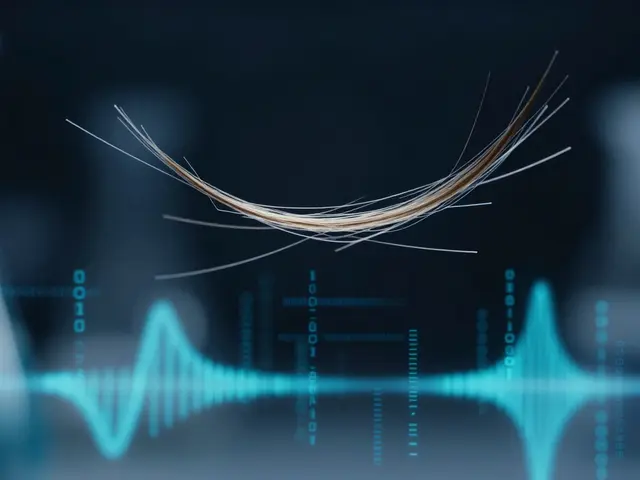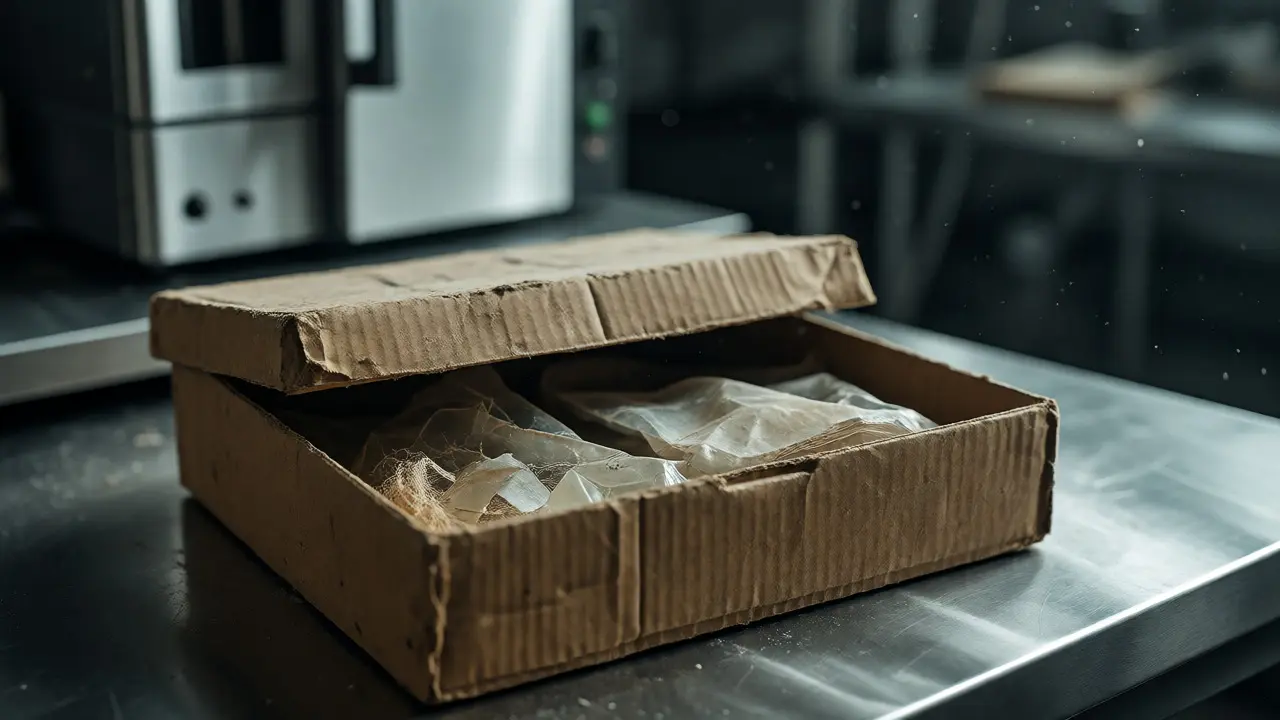
You know that feeling when you look at an old photo and realize you missed a clue right in front of your eyes? That is exactly what happens with cold case trace reanalysis. For decades, evidence sat in boxes because the technology to read it simply did not exist. Today, we can take a fiber from a shirt collected in 1995 and tell you its chemical composition down to the molecular level. This isn't magic; it is the result of rapid advances in modern instrumentation like high-resolution mass spectrometry and laser ablation techniques.
If you are a prosecutor, a detective, or just someone fascinated by true crime, understanding how this works changes everything. It means cases thought to be dead are suddenly alive again. But it also brings new challenges. How do you handle evidence that has degraded over thirty years? Which instruments actually add value versus those that just generate noise? Let's break down how reanalysis works, why it matters, and what you need to know before requesting one.
Why Old Evidence Suddenly Has New Value
Think about the last time you upgraded your smartphone. The camera on your ten-year-old phone took blurry photos. Your current phone captures details you didn't even know were there. Forensic science follows a similar trajectory, but the stakes are life and death. In the past, trace evidence analysis was often limited to visual comparison under a microscope. If two fibers looked alike, they were considered consistent. That is a weak standard. Two blue cotton shirts look alike, too, but they come from different factories.
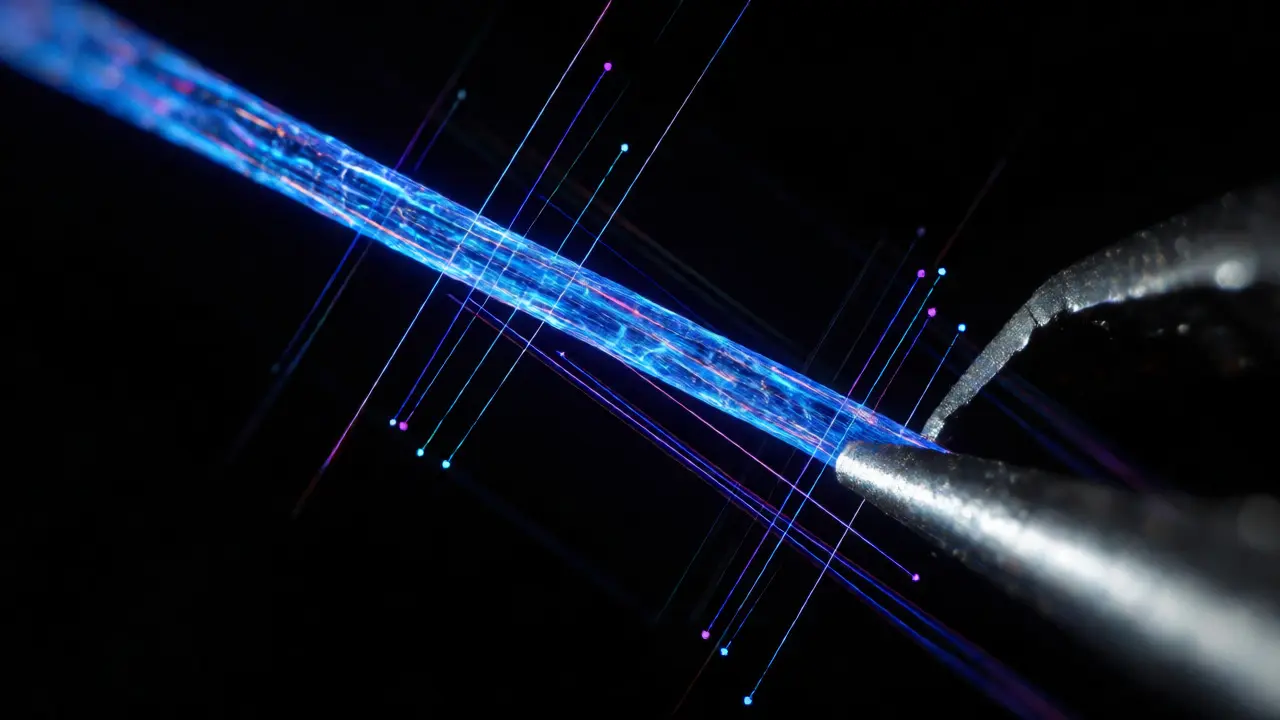
Modern tools change the game entirely. We no longer rely on subjective visual matching. Instead, we use objective data. A technique called Fourier Transform Infrared Spectroscopy (FTIR) identifies the exact polymer type of a fiber. Even better, newer methods like Raman Microspectroscopy can detect dyes and additives without destroying the sample. This allows us to link a suspect’s clothing to a victim with statistical confidence, not just a hunch.
| Method | Information Gained | Sample Destruction | Resolution |
|---|---|---|---|
| Optical Microscopy | Color, shape, size | None | Low (visual only) |
| FTIR Spectroscopy | Polymer type, functional groups | Minimal (ATR mode) | Medium (chemical fingerprint) |
| SEM-EDX | Morphology, elemental composition | Low (coating may be needed) | High (micron scale) |
| LC-MS/MS | Dye components, organic markers | Total extraction required | Very High (molecular level) |
The Instrumentation Revolution: What’s Actually Changed
It is easy to get lost in acronyms, so let’s keep it simple. The biggest leap in cold case work comes from three specific types of technology. First, there is Mass Spectrometry. Imagine weighing individual molecules. That is essentially what a mass spec does. It separates compounds based on their mass-to-charge ratio. In the 1990s, we could only do this for large samples. Now, we can analyze micrograms of paint chips or single glass fragments.
Second, we have improved separation techniques. Liquid Chromatography acts like a sophisticated sieve. It pulls apart complex mixtures found in soil or dust. If a suspect walked through a specific industrial area, the unique blend of minerals in their shoe dirt can be matched to the scene. Ten years ago, separating these components took hours and consumed precious sample. Today, ultra-high-performance liquid chromatography (UHPLC) does it in minutes with greater precision.
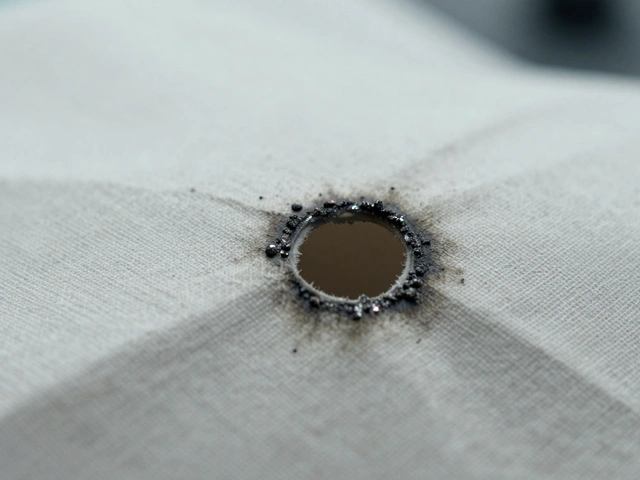
Third, imaging has evolved. Scanning Electron Microscopes (SEM) coupled with Energy Dispersive X-ray Spectroscopy (EDX) allow us to see the surface structure of evidence while simultaneously determining its elemental makeup. This is crucial for gunshot residue (GSR). In older cases, GSR was often dismissed due to contamination fears. Modern SEM-EDX protocols can distinguish between environmental particles and genuine discharge residues by looking at specific element ratios, such as lead, barium, and antimony.
Handling Degraded Samples: The Practical Challenges
Here is the hard truth: time damages evidence. Organic materials decay. Metals corrode. Dust accumulates. When you pull a box from a basement archive, you are fighting entropy. The first step in any reanalysis is a thorough condition assessment. You cannot run destructive tests if the sample is fragile. For example, a bloodstain on denim might have faded significantly. Running it through a solvent-based extraction could destroy it completely.
We use non-destructive methods first. Optical microscopy and FTIR are safe starting points. They tell us if the sample is worth pursuing further. If the sample survives, we move to micro-destructive techniques. Laser ablation lets us vaporize tiny spots of material-think the width of a human hair-to send into a mass spectrometer. This preserves the rest of the evidence for future testing or defense review.
Contamination is another major hurdle. Old storage containers often leach chemicals into the evidence. Plastic bags can release phthalates that interfere with chemical analysis. Glass vials are safer, but lids might have rubber gaskets that degrade. Before trusting any result, we run blank controls using empty containers from the same era. If the "blank" shows the same contaminants, we know the signal is coming from the packaging, not the crime scene.
Case Studies: When Reanalysis Cracked the Code
Abstract concepts are fine, but real examples stick. Consider a hit-and-run case from 2004 in Portland. Police recovered a small fragment of automotive paint from the victim’s jacket. At the time, analysts compared the color and layer sequence visually. It matched several cars in the database, but nothing conclusive. The case went cold.
In 2023, investigators requested reanalysis. Using pyrolysis-gas chromatography-mass spectrometry (Py-GC-MS), they identified a rare pigment additive used only in a specific batch of primer manufactured between 2002 and 2004. This narrowed the pool of suspect vehicles from thousands to fewer than fifty registered in the county. Combined with license plate recognition data from nearby cameras, police identified the driver. Without modern instrumentation, that paint chip would have remained just a colored flake.
Another example involves textile fibers. A sexual assault case from 1998 relied on carpet fibers found on the victim. Original analysis stated the fibers were "consistent with" common beige carpets. Decades later, Raman spectroscopy revealed a unique fluorescent brightener in the fibers-a chemical marker added by a specific manufacturer during a short production window. This linked the fibers to a rug sold only in one regional chain store, placing the suspect at the scene with much higher probability.
Legal Implications and Defense Scrutiny
Juries love certainty, but science rarely offers it. When you introduce reanalyzed evidence, expect pushback. Defense attorneys will ask: Why wasn’t this done sooner? Is the new method validated? Did the lab follow proper chain-of-custody protocols?
To win credibility, labs must document every step. Validation studies are critical. You need to show that the new instrument performs reliably on aged samples. Blind trials help here. Have analysts examine known mixtures without knowing the answer to prove the tool’s accuracy. Also, transparency is key. Share raw data, not just conclusions. Juries understand spreadsheets less than stories, but judges require the data.
There is also the issue of "confirmation bias." If detectives know the suspect’s car is red, they might subconsciously interpret ambiguous paint layers as matching. To combat this, independent verification is best. Send samples to a second, unrelated laboratory. If both labs reach the same conclusion using different instruments, the evidence becomes incredibly robust.
How to Request a Cold Case Reanalysis
Not every case is ready for reanalysis. Here is a quick checklist to determine if yours qualifies:
- Evidence Integrity: Are the samples stored properly? Check for mold, moisture damage, or broken seals.
- Sufficiency: Do you have enough material for non-destructive testing plus backup? If you have one fiber, proceed with extreme caution.
- Hypothesis Clarity: What question are you trying to answer? "Find the killer" is too vague. "Determine if the fiber matches Suspect A’s upholstery" is actionable.
- Budget and Time: Advanced instrumentation is expensive and slow. Mass spectrometry runs can cost hundreds of dollars per sample and take weeks to process.
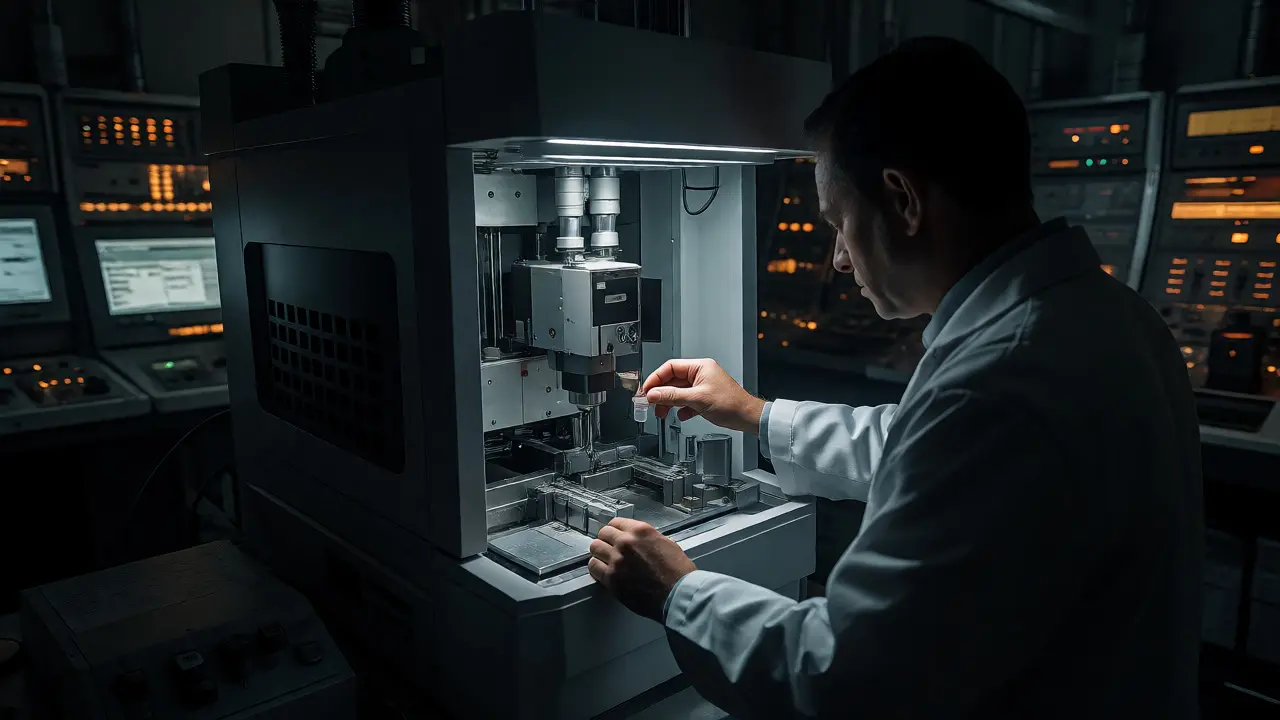
Start with a consultation. Talk to a forensic chemist before submitting samples. They can advise on which tests are feasible given the age and type of evidence. Sometimes, skipping straight to DNA is tempting, but trace evidence often provides context that DNA misses. DNA tells you who was there; trace evidence tells you what happened.
Future Outlook: AI and Automation
We are standing on the edge of another revolution. Artificial Intelligence is beginning to assist in pattern recognition. Algorithms can compare spectral databases faster than any human eye. In the next five years, we might see automated systems flag potential matches across national databases instantly. Imagine uploading a spectrum from a 1980s burglary and getting a list of likely sources within seconds.
However, machines still lack context. An AI might match a fiber perfectly but miss that the suspect wore gloves, explaining the absence of skin cells. Human expertise remains essential for interpreting results. The goal isn't to replace scientists but to give them superpowers. By combining historical knowledge with cutting-edge tech, we close the gap between what we knew then and what we know now.
Is reanalyzing old evidence always successful?
No. Success depends heavily on preservation conditions. Evidence stored in damp basements or exposed to sunlight often degrades beyond useful analysis. However, dry, dark, and sealed environments preserve trace materials remarkably well, making many cases viable candidates for reanalysis.
Does reanalysis destroy the original evidence?
It depends on the method. Techniques like optical microscopy and FTIR are non-destructive. Methods like mass spectrometry usually require consuming a small portion of the sample. Labs prioritize non-destructive tests first to preserve material for potential defense requests or future technologies.
Can new technology overturn previous scientific findings?
Yes. Older methods sometimes produced false positives due to lower resolution. For instance, visual fiber comparisons often overstated uniqueness. Modern chemical analysis can reveal that fibers previously deemed "unique" are actually common commercial products, potentially exonerating suspects.
What is the cost of cold case trace reanalysis?
Costs vary widely based on complexity. Basic microscopic examination might cost $50-$100. Advanced chemical profiling using GC-MS or LC-MS can range from $300 to $1,000+ per sample. Multi-sample cases involving extensive database searches can exceed $5,000.
How long does the reanalysis process take?
Expect a timeline of 4 to 12 weeks. This includes initial screening, instrument calibration, data collection, and rigorous peer review of results. Backlogged labs may take longer, especially if multiple agencies are competing for instrument time.