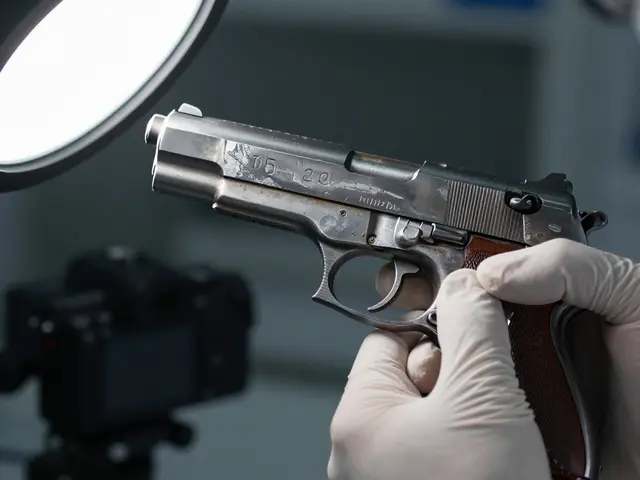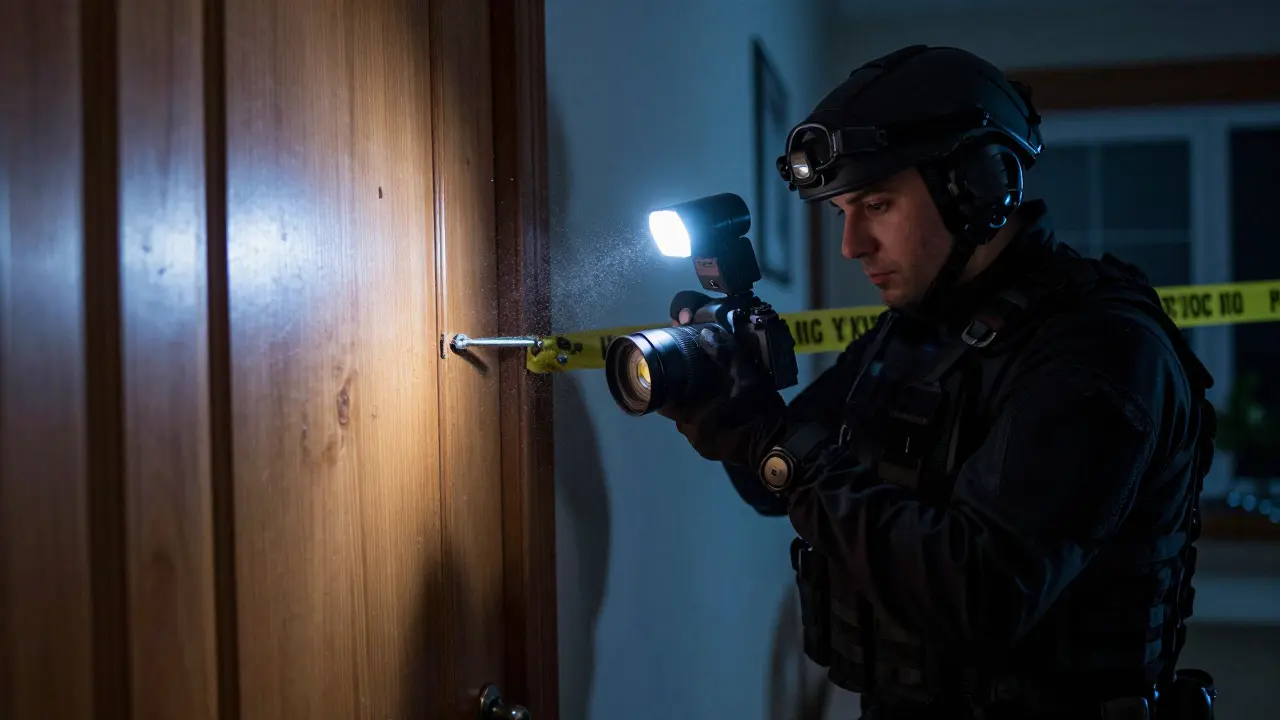
Imagine this: a crime scene technician finishes processing a property burglary. They capture 400 high-resolution photos of entry points, fingerprints, and scattered items. The next morning, the case manager asks for the image showing the pry mark on the back door. Without a solid system, that search could take hours-or worse, result in the wrong photo being entered into evidence. This is where digital asset management (DAM) becomes critical. It’s not just about storing files; it’s about making sure every scene image is findable, verifiable, and ready for court when you need it most.
DAM systems are specialized software platforms designed to store, organize, retrieve, and distribute digital content. In forensics, they handle the massive volume of data generated at scenes-photos, videos, LiDAR scans, and audio recordings. Unlike a standard hard drive or cloud folder, a forensic DAM ensures chain-of-custody tracking, version control, and standardized metadata tagging from the moment a file is ingested.
Why Standard Storage Fails in Forensics
Most agencies still rely on local drives or basic network shares for initial storage. While cheap, these methods create significant risks. Files get renamed incorrectly, duplicates pile up, and metadata is often stripped during transfer. When an investigator tries to reconstruct a timeline using video footage, missing timestamps or inconsistent naming conventions can derail the entire analysis.
A proper DAM system solves this by enforcing structure. It acts as a single source of truth. Every file uploaded gets a unique identifier, usually a hash value like MD5 or SHA-256, which verifies its integrity. If a file is altered later, the hash changes, flagging the discrepancy immediately. This level of automation is impossible with manual folder structures.
The Core Components of Forensic DAM
Effective digital asset management for scene images rests on three pillars: ingestion, metadata, and retrieval. Let’s break down how each works in practice.
- Ingestion: This is the first step where raw media files move from field devices (cameras, drones, total stations) into the central repository. Modern systems support direct upload via mobile apps or automated syncing from evidence lockers. The goal is speed without losing data fidelity.
- Metadata Tagging: Metadata is the data about your data. In forensics, this includes EXIF data (camera settings, GPS coordinates), XMP data (user-added tags), and custom fields (case number, officer ID, item description). Accurate tagging is what makes searching possible.
- Retrieval & Distribution: Once tagged, users can search by keyword, date, location, or case reference. Permissions ensure only authorized personnel access sensitive material, while export functions allow creating presentation-ready packages for prosecutors.
Standardizing Metadata for Searchability
The biggest pain point in any DAM implementation is inconsistent tagging. One officer might tag a photo as "door," another as "entry point," and a third as "back entrance." To fix this, agencies must adopt controlled vocabularies. These are predefined lists of terms that users must select from, rather than typing free text.
Consider the XMP Schema is a standard format for embedding metadata within digital files, enabling cross-platform compatibility. By using XMP-compatible tools, agencies ensure that metadata travels with the file, even if it’s moved to a different platform. Key attributes to standardize include:
- Case Identifier: Unique alphanumeric code linking the image to the specific investigation.
- Scene Location: GPS coordinates or address, ensuring spatial context is preserved.
- Item Classification: Categorized using a taxonomy like "Weapon," "Document," or "Biological Sample."
- Capture Time: Precise timestamp synchronized with NTP servers to prevent clock drift issues.

Chain of Custody and Integrity Checks
In court, defense attorneys will scrutinize how digital evidence was handled. Did the original file remain untouched? Who accessed it, and when? A robust DAM system logs every action automatically. This audit trail includes user login times, file downloads, edits, and exports.
Integrity checks go beyond simple logging. Systems like EnCase is a leading digital forensics software used for acquiring and analyzing computer data, often integrated with DAM workflows. work alongside DAM platforms to verify that hashes match originals. For scene images, this means confirming that the JPEG viewed in the report is bit-for-bit identical to the one captured at the scene.
| Feature | Manual Folder Structure | Automated DAM System |
|---|---|---|
| Search Speed | Slow (file names only) | Fast (full-text + metadata) |
| Integrity Verification | None (manual hashing required) | Automatic (hash comparison) |
| Access Control | Basic (folder permissions) | Granular (role-based, audit logged) |
| Version Control | Risky (overwrites common) | Secure (immutable versions) |
| Scalability | Poor (breaks at 10k files) | High (handles millions of assets) |
Implementing DAM in Field Operations
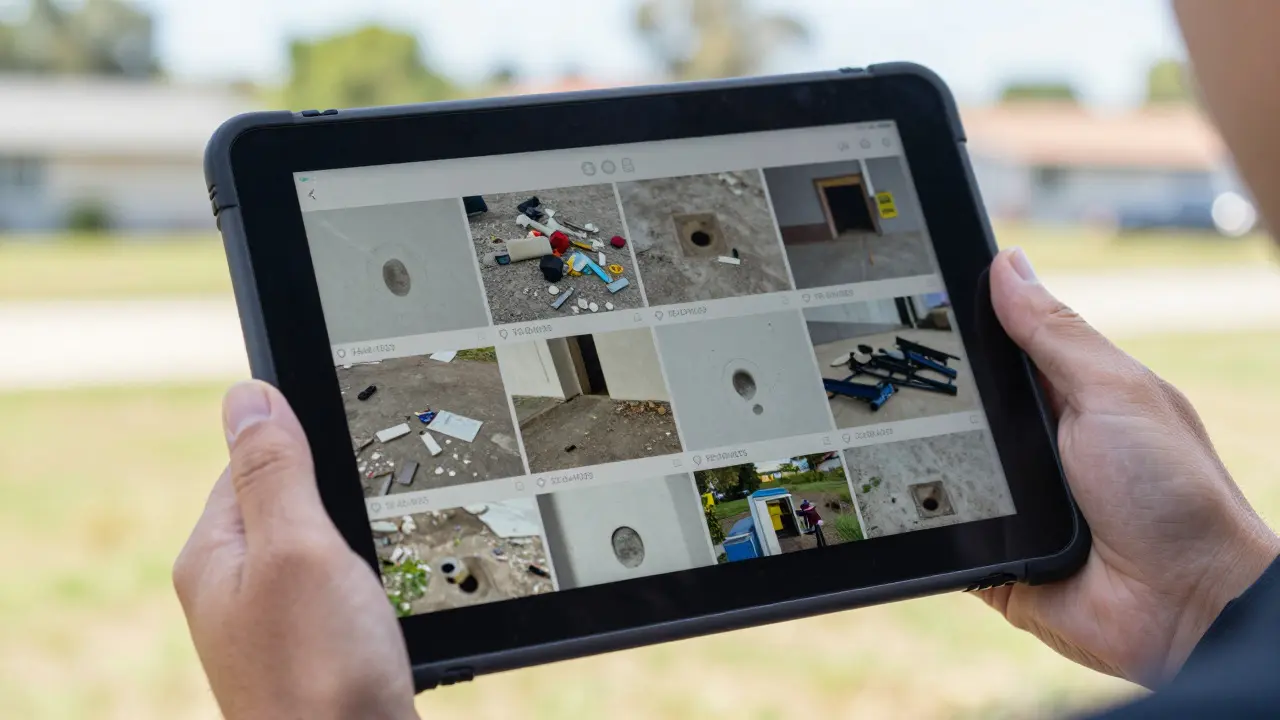
You don’t need a massive server room to start. Many modern solutions offer hybrid models where heavy processing happens in the cloud, but critical backups stay on-premise for security. For field teams, mobile connectivity is key. Officers should be able to upload preliminary images from their smartphones or rugged tablets while still at the scene.
However, connectivity isn’t always guaranteed. That’s why offline capabilities matter. Good DAM clients allow caching files locally and syncing once a connection is restored. This prevents bottlenecks where officers wait for uploads before moving to the next task.
Training is often overlooked. Even the best software fails if users don’t understand why consistent tagging matters. Agencies should run regular workshops demonstrating how poor metadata leads to missed clues. Show them real examples where a mislabeled photo delayed a case resolution by weeks.
Common Pitfalls to Avoid
Many agencies make the mistake of treating DAM as an IT project rather than an operational one. If the software is too complex, technicians will bypass it. Keep the interface simple. Use dropdowns instead of text fields wherever possible. Automate what you can-like pulling case numbers directly from the CAD system-to reduce manual entry errors.
Another pitfall is ignoring legacy data. Migrating old case files into a new DAM system is tedious but necessary. Without historical data, you lose the ability to link related cases over time. Start with recent active cases, then phase in older records based on priority.
Future-Proofing Your Digital Evidence Strategy
Technology evolves fast. Today’s high-resolution cameras produce 100-megapixel files; tomorrow’s drones may capture 4K video at 60 frames per second. Your DAM system must handle growing file sizes without slowing down. Look for solutions that use object storage architectures, which scale horizontally more efficiently than traditional block storage.
Also, keep an eye on emerging standards. The Association of Crime Scene Investigators (ACSI) continues to update best practices for digital evidence. Staying compliant with these guidelines ensures your evidence holds up in changing legal landscapes. As artificial intelligence begins to assist in image recognition, structured metadata will become even more vital for training these algorithms to identify objects and patterns automatically.
What is the difference between a DAM system and a standard file server?
A standard file server stores files in folders based on directory paths. A DAM system adds layers of intelligence: automatic metadata extraction, full-text search across file contents, workflow automation, and detailed audit trails. While a file server tells you where a file is, a DAM tells you what the file is, who touched it, and how it relates to other assets.
How do I ensure my scene images remain admissible in court?
Admissibility depends on proving the file hasn’t been altered since capture. Use a DAM system that generates cryptographic hashes (like SHA-256) upon ingestion and verifies them regularly. Maintain a complete audit log showing every access and download. Ensure the system uses read-only permissions for original files, allowing only derived copies for editing or presentation.
Can small agencies afford enterprise-level DAM solutions?
Yes. Cloud-based DAM services now offer tiered pricing models suitable for small departments. Instead of buying expensive hardware, you pay a monthly subscription based on storage volume and user count. This lowers the initial barrier to entry while providing the same core features like metadata tagging and chain-of-custody logging.
What metadata fields are essential for crime scene photos?
At minimum, include Case Number, Officer Name, Capture Date/Time, GPS Coordinates, Camera Model, and Item Description. Adding a 'Location Type' field (e.g., Interior, Exterior, Vehicle) helps with filtering. Ensure all timestamps are synchronized with a reliable time source to avoid discrepancies during testimony.
How does AI improve digital asset management in forensics?
AI can automate initial tagging by recognizing objects in images (e.g., detecting a firearm or blood spatter) and suggesting labels. It can also cluster similar images together, helping investigators spot patterns quickly. However, human review remains essential to verify accuracy, as AI can make false positives or negatives.